The creator introduces a series on obscure aesthetics and delves into the 'Great Schema' of Eastern Orthodox monasticism. He explains the history, rituals (like being declared ritually dead), and deep symbolism of the monastic robes, emphasizing their unchanging design over centuries. He then connects this historical aesthetic to modern high fashion, showing how it influenced designers like Demna at Balenciaga and Rick Owens, and concludes by reflecting on the power of timeless, enigmatic aesthetics.
Post caption
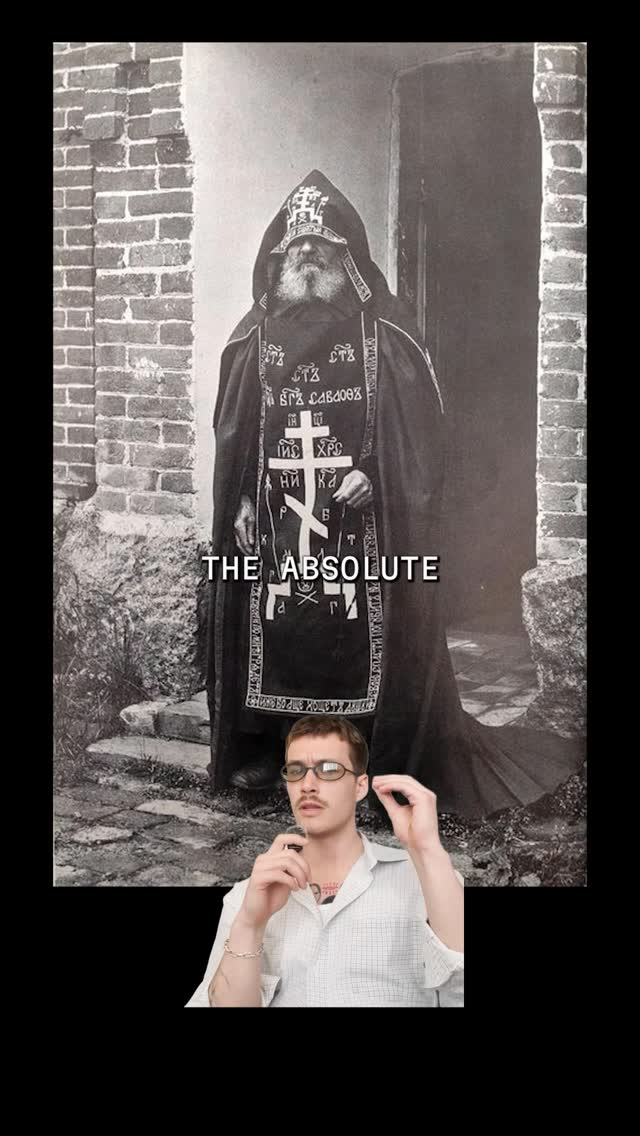
Tell me I’m not the only one who has been seeing these photos for the past few years. I mean come on, this goes so HARD, if it didn’t mean I had to participate in my own funeral and sign up for monastic celibacy this would 100% be the squads outfit.
Everything aside, this is a stunning case study in preservation and perseverance, not to mention an awesome piece of inspiration to dive into.
I urge you to research what you find interesting, go down the rabbit hole.
Glasses from @flatlisteyewear 😎
Transcript
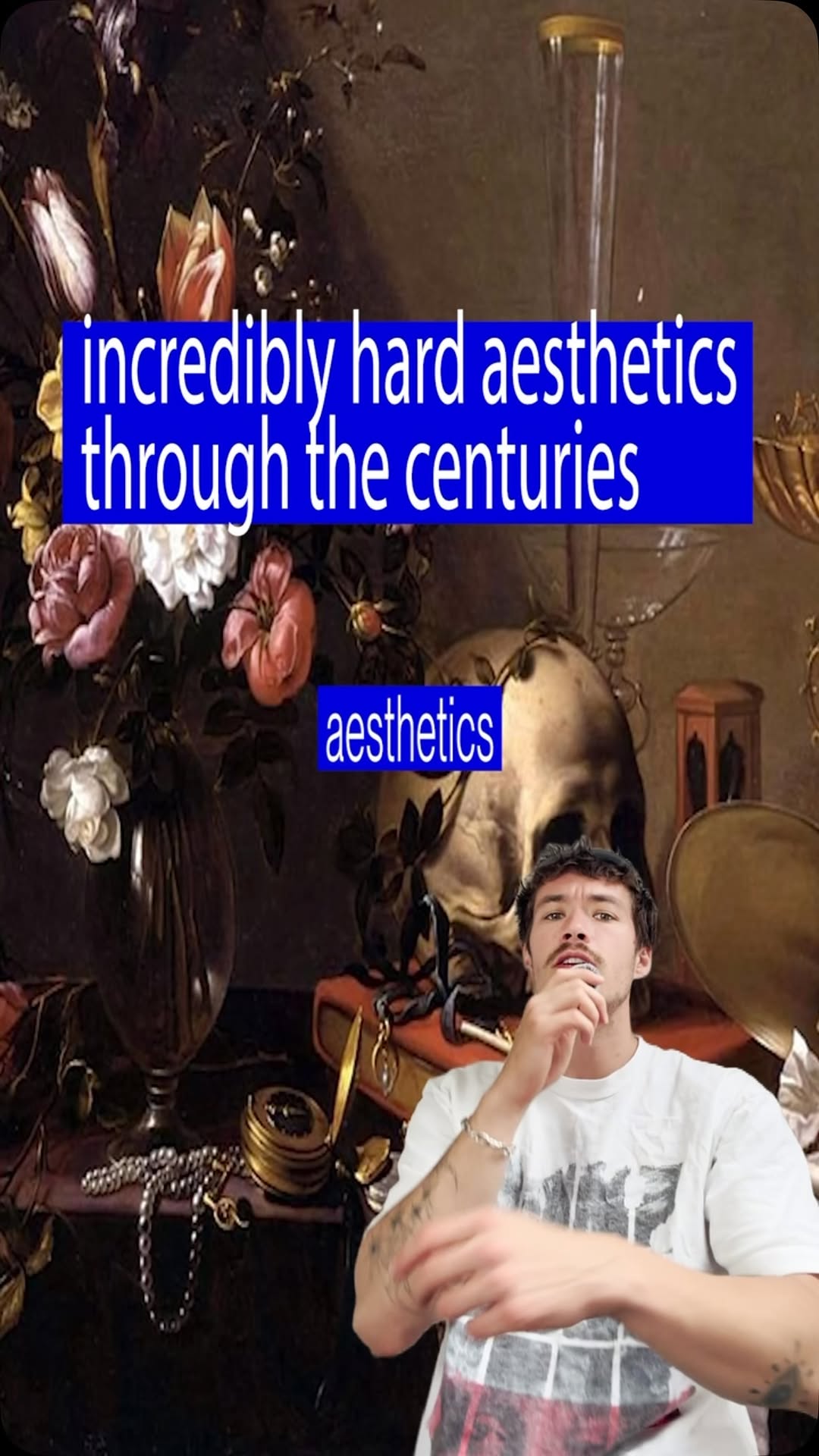
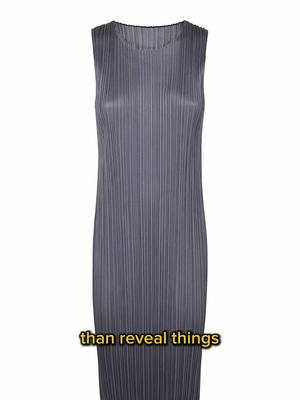
Uncovering the origin of obscure aesthetics part one. A series where I dive into aesthetics you've probably seen on the internet and tell you a little bit more about where they come from and what they've influenced. What you're looking at is called the great schema. The absolute highest rank of Better Orthodox monasticism. Also, by far the most extreme. The skull you see here is the skull of Adam. It also represents his own skull. A monk wearing these robes has been ritualistically declared dead. He attends his own funeral and is given a new name while still being very much alive. The old self is buried and this is what he wears for the rest of his life. Essentially, a wearable memento mori. The cloth from which the outfit is made has to be of animal origin. The point being that it was once alive, just like the wearer. It's monochrome, black cloth, white embroidery, sometimes red, sometimes gold. This goes extremely hard. Each rope makes use of the exact same scripture and symbolism. The only thing that changes is the person who hand embroidered the piece. Nothing has changed in over three seventy years. This is what happens when you never deviate from the brand guidelines. Absolutely zero design drift despite being handmade by different people through many different generations. Denmark, the previous creative director of Balenciaga, built an entire show based off his Georgian Orthodox upbringing, where models walked through black water in capes, good, and floor length cassocks. From Eastern Orthodox monasticism to the runway of Paris Fashion Week, Rick Owens draws design inspiration from monkish ethics and monastic devotion. Again, tying it back to his religious childhood memories. What I'm trying to say is that inspiration is everywhere. And this underlines the power of an enigmatic and elusive aesthetic. We continue to borrow from these silhouettes and symbolism that is hundreds and hundreds of years old. Once something is good enough, it becomes relevant again and again.