@agathusstudios Rustic, refined, or minimal—your cabinets tell the story through the wood cut.
When we’re designing kitchens or built-ins, one of the most important choices we make with clients isn’t stain or finish—it’s the grain pattern itself. And that all comes down to how the lumber is cut.
Take white oak, for example:
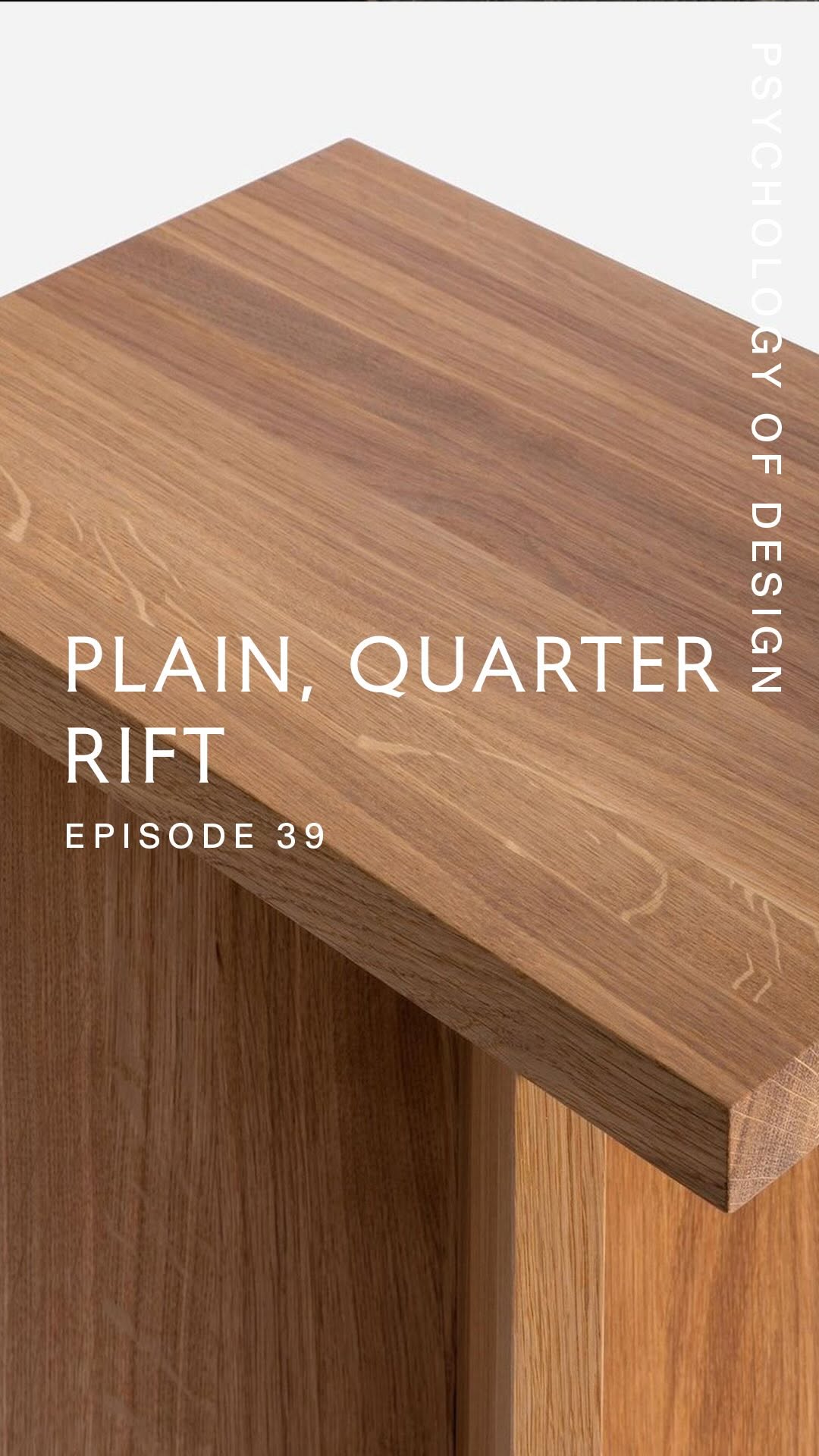
Plain sawn → bold cathedral grain with lots of movement. Rustic, approachable, and full of energy—perfect for farmhouse, rustic modern, or coastal homes.
Quarter sawn → straighter lines with shimmering flecks that show craftsmanship and depth. We love it in Spanish + Mission-style interiors, paired with plaster and stone.
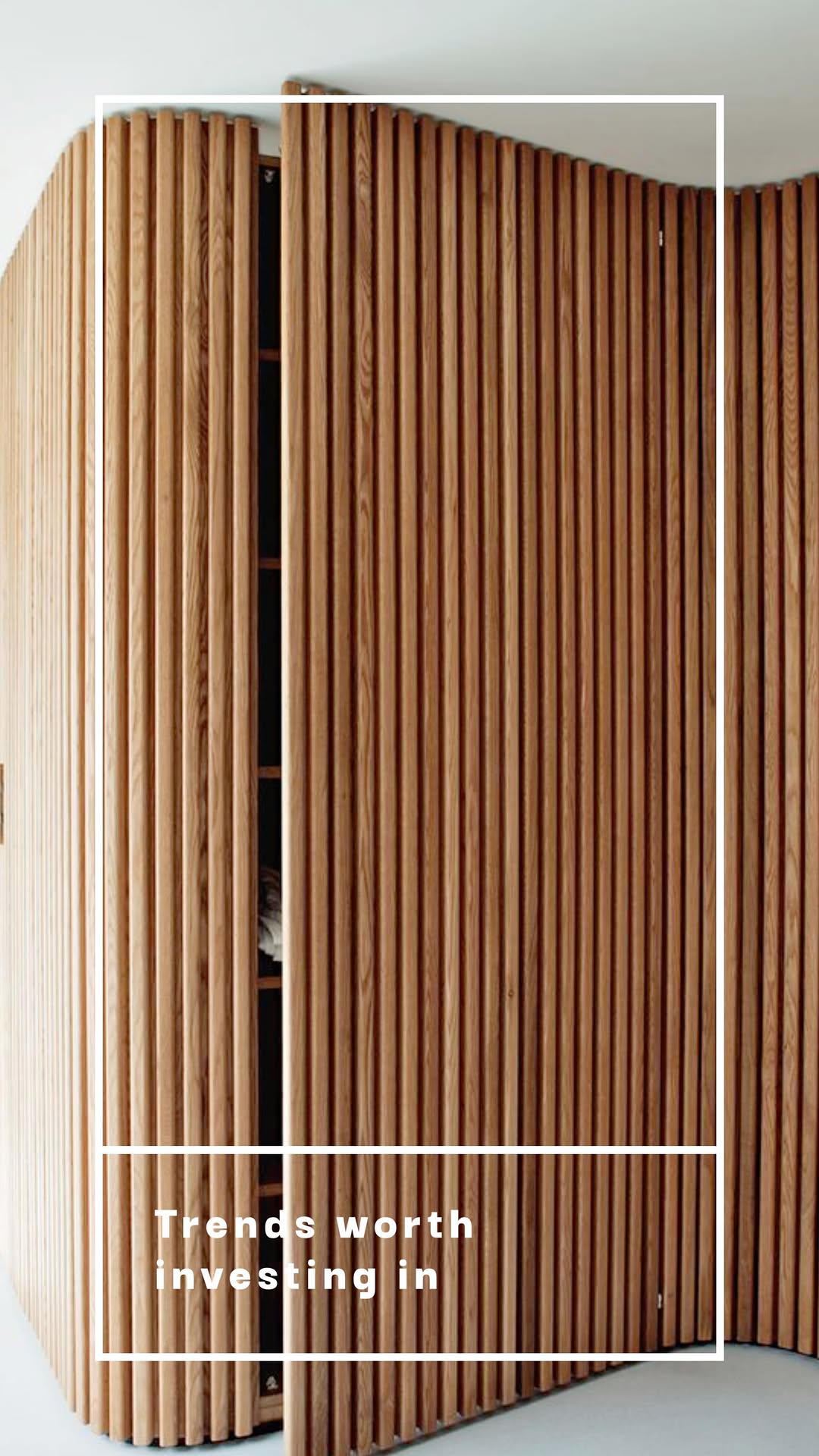
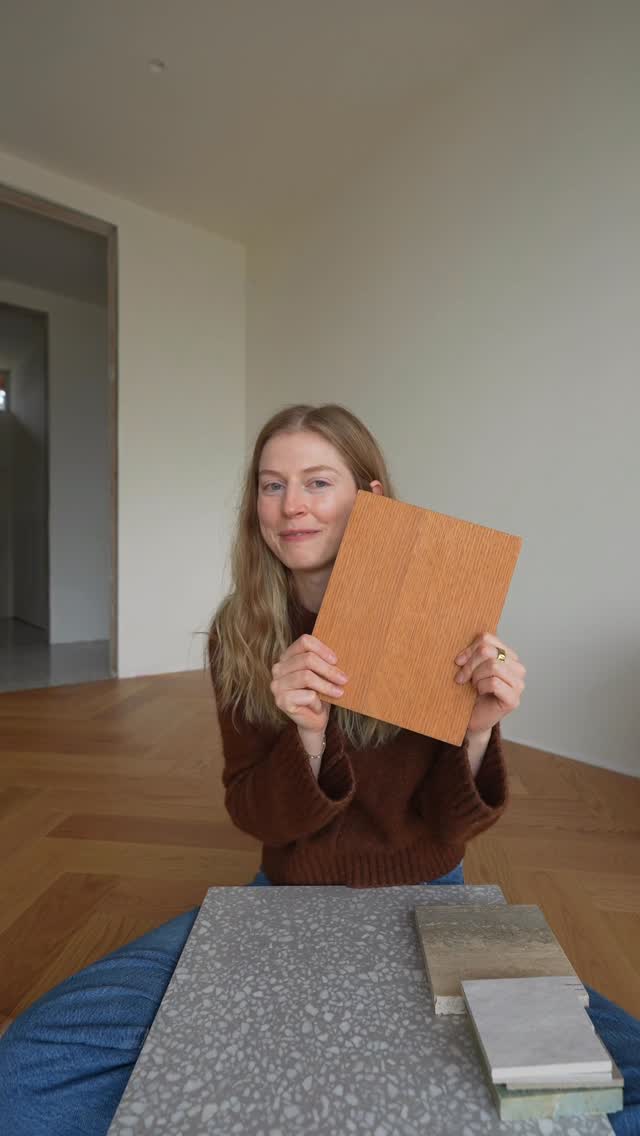
Rift sawn → the rarest cut. Clean, minimal, and precise. Its calm consistency is perfect for Scandi, Japandi, and Mid-Century spaces.
Same tree.
Three cuts. Three completely different moods. That’s the power of detail in design.
- Video Credit - @cabinetjoint
#InteriorDesign #KitchenDesign #CustomCabinetry #WoodGrain #WhiteOak #DesignDetails #JapandiStyle #ScandiDesign #MidCenturyModern #FarmhouseStyle #SpanishRevival #InteriorDesignInspo #ModernHomeDesign #designmatters
The creator, an interior designer, explains the aesthetic and psychological impact of three different wood cuts: plain sawn, quarter sawn, and rift sawn. Using white oak as a primary example, she breaks down the distinct grain pattern, cost, and emotional feel associated with each cut. She illustrates how plain sawn feels rustic, quarter sawn feels refined and architectural, and rift sawn feels minimal and modern, showing examples of interior styles where each is best suited before concluding with a call-to-action to follow for more design insights.
Ever wonder why some kitchens feel rustic and cozy while others feel sleek and modern even when they're built using the same wood?
Visual hook
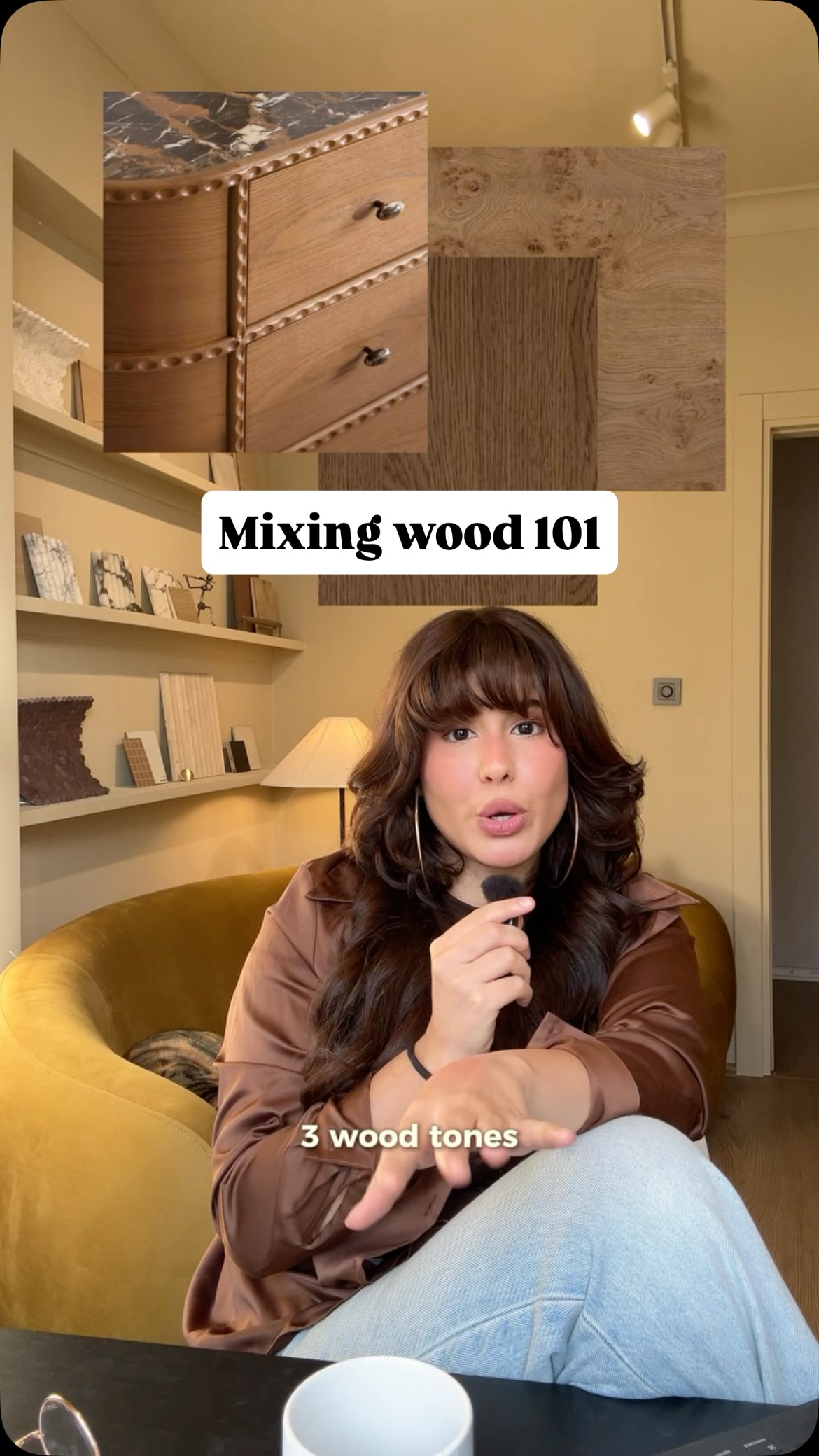
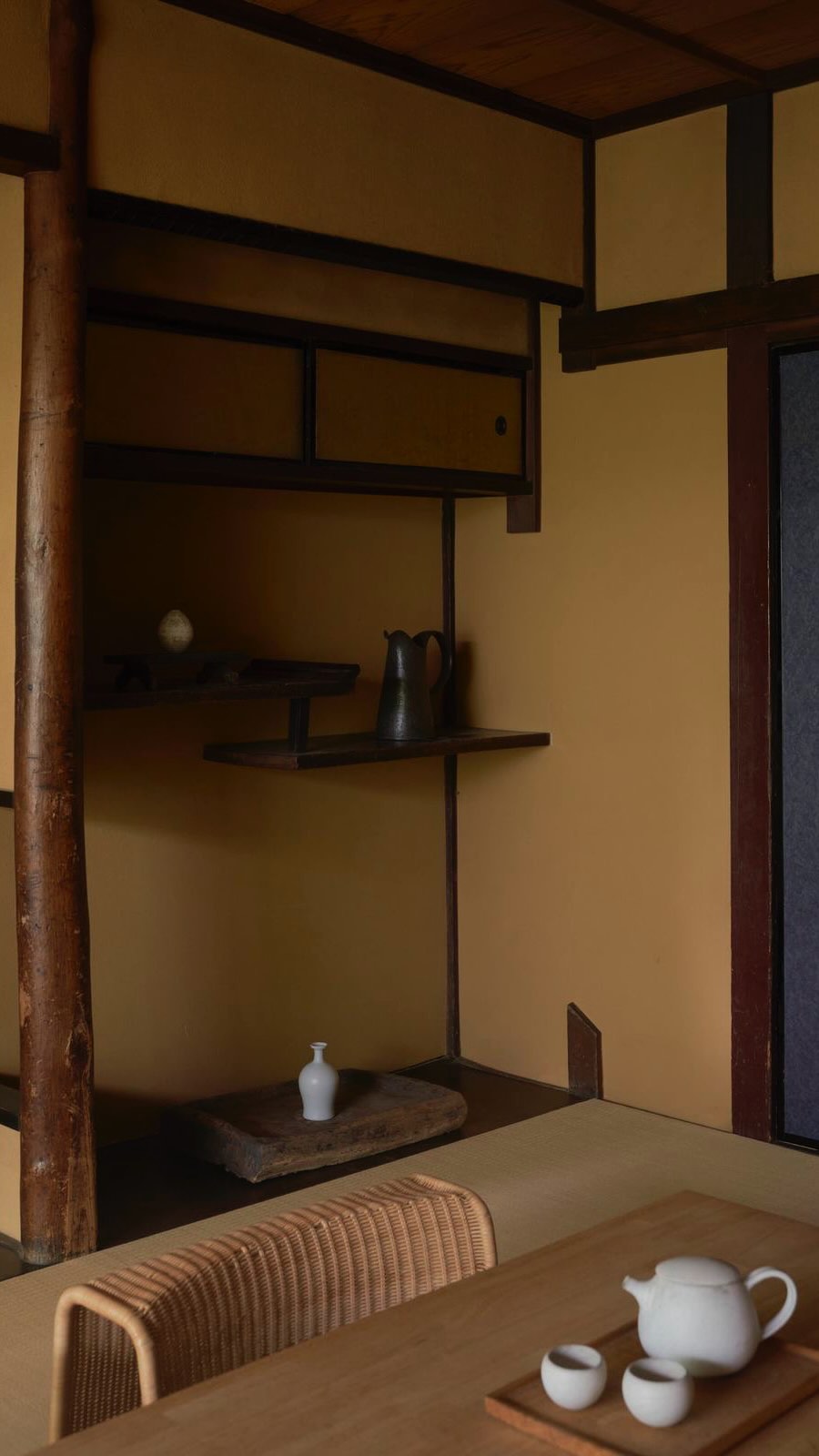
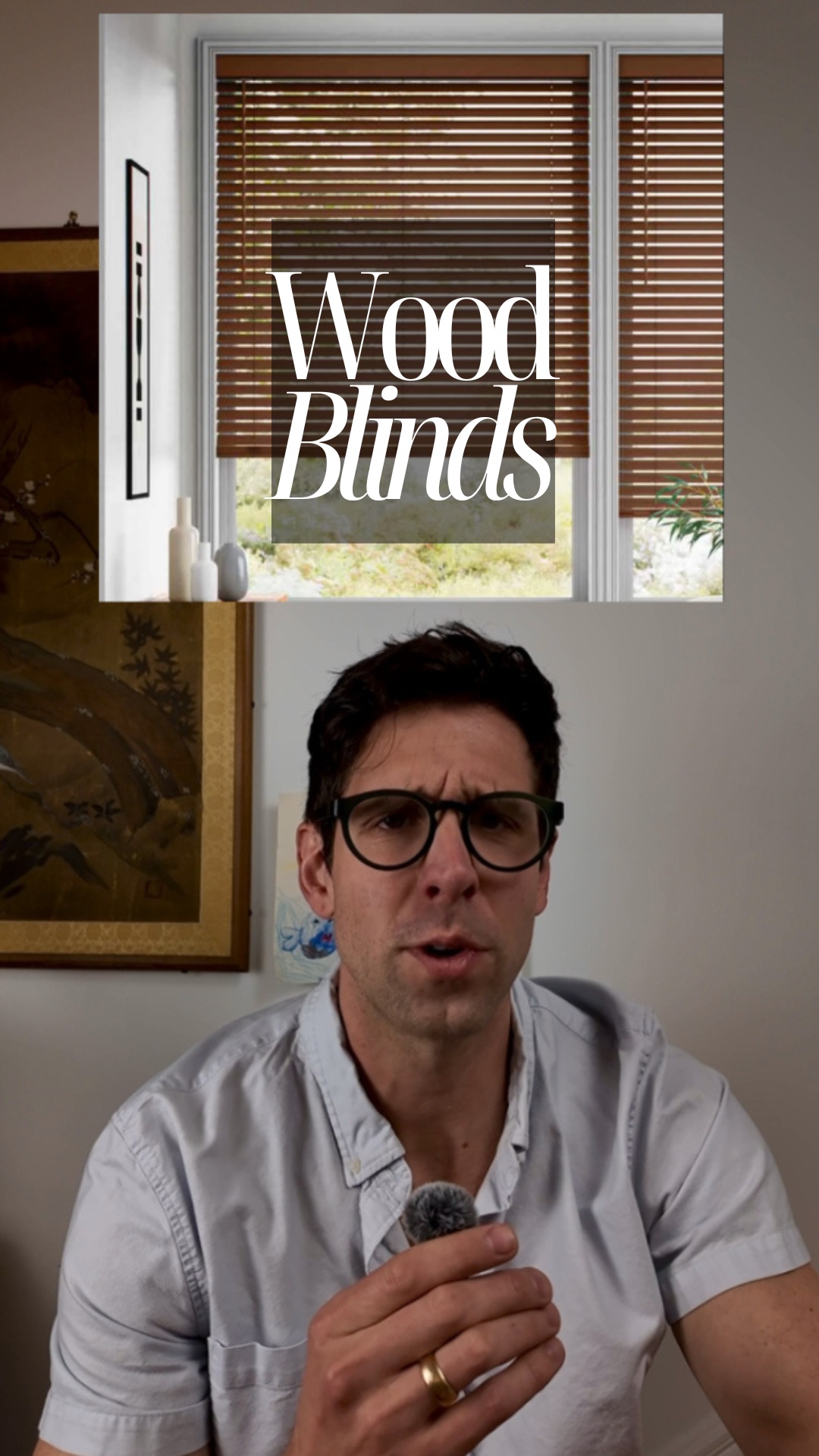
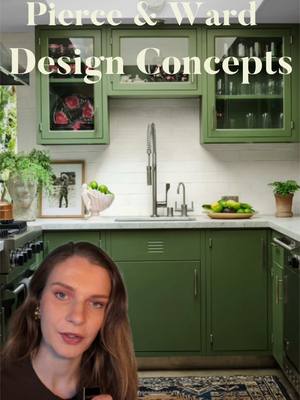
A split-screen composition with a bold text graphic on top and a speaker in a well-designed interior setting below, immediately establishing a professional and educational tone.
[07]
Hook and payoff
The promise the opener makes, and how the video pays it back
Hook
A relatable 'Have you ever wondered why...' question that highlights a common but unexplained difference between two similar things, creating a knowledge gap the viewer wants to fill.
Payoff
The viewer gains a new lens through which to see the world, feeling empowered with expert-level knowledge that explains a previously confusing observation.
[08]
Narrative framework
The structural pattern this video runs on
Framework
The Hidden Variable Framework
To reveal that a subtle, often overlooked variable is the true cause of significant differences in outcome between seemingly similar things. It educates the viewer by systematically breaking down the variable's categories and linking each to a specific, tangible result.
1
The Central Thesis Declaration
The narrator dismisses common assumptions (e.g., color, stain) and reveals the true, often surprising, variable (the 'cut') that will be the focus of the video.
2
The Taxonomy Introduction
The narrator explicitly states the number and names of the categories that will be analyzed, setting clear expectations for the list-style segment.
3
The Comparative Analysis
The main body of the video where each category is presented and analyzed one by one using a consistent micro-pattern. This section is structured to build from the most common/accessible to the most rare/exclusive.
4
The Grand Synthesis
A concluding statement that recaps the core lesson, reinforcing how the central variable is responsible for the different outcomes, thus closing the loop on the initial hook.
5
The Content Loop CTA
A final call to action that invites the viewer to follow for more similar 'insider knowledge' breakdowns.
Themes
Design details
Psychology of design
Craftsmanship
Aesthetics
Techniques
Direct-to-camera address
Visual examples
Comparative analysis
Post caption
Rustic, refined, or minimal—your cabinets tell the story through the wood cut.
When we’re designing kitchens or built-ins, one of the most important choices we make with clients isn’t stain or finish—it’s the grain pattern itself. And that all comes down to how the lumber is cut.
Take white oak, for example:
Plain sawn → bold cathedral grain with lots of movement. Rustic, approachable, and full of energy—perfect for farmhouse, rustic modern, or coastal homes.
Quarter sawn → straighter lines with shimmering flecks that show craftsmanship and depth. We love it in Spanish + Mission-style interiors, paired with plaster and stone.
Rift sawn → the rarest cut. Clean, minimal, and precise. Its calm consistency is perfect for Scandi, Japandi, and Mid-Century spaces.
Same tree.
Three cuts. Three completely different moods. That’s the power of detail in design.
- Video Credit - @cabinetjoint
#InteriorDesign #KitchenDesign #CustomCabinetry #WoodGrain #WhiteOak #DesignDetails #JapandiStyle #ScandiDesign #MidCenturyModern #FarmhouseStyle #SpanishRevival #InteriorDesignInspo #ModernHomeDesign #designmatters
Text overlays
title · beginning
PLAIN vs QUARTER vs RIFT
informational · beginning
$
informational · beginning
$ $
informational · beginning
$ $ $
branding · beginning
PSYCHOLOGY OF DESIGN
EP.39
branding · beginning
AGATHUS STUDIOS / SEPT.2025
informational · middle
PLAIN
SAWN
informational · middle
QUARTER
SAWN
informational · middle
RIFT
SAWN
Transcript
Better wonder why some kitchens feel rustic and cozy while others feel sleek and modern even when they're built using the same wood? This is Psychology of Design episode 39. When we're designing kitchens or built in cabinetry for our clients, one of the most important decisions we make is the grain pattern of the good. Not the color, not the stain, but the cut. Lumber is cut three ways, plain, better, and rift sawn. Different cuts create completely different moods. Let's take white oak for example. Plain sawn is the most common and shows a bold cathedral grain better. Because it has so much variation and movement, it feels energetic, rustic, and approachable. It's great for farmhouse, rustic modern, or classic coastal homes. Quarter sawn is straighter and more refined, but has a distinctive medullary fleck that shimmers on the surface. This cut communicates craftsmanship and architectural weight. We specify worse sawn for our Spanish and mission style interiors. The fleck contrasts beautifully with plastered walls and natural stone, adding depth without stealing attention. Rif sawn is the rarest cut. It's straight, clean and minimal. The consistent grain creates a feeling of calm, order and precision. Rif sawn oak is our go to for Scandi, Japandi and mid century inspired spaces. These are all about clarity, balance, and timelessness. So you can see that even though these are all white oak, the way they're cut creates completely different emotional tones. For more design breakdowns about how little details can shape the big feelings in your home, follow us.