@interiorsbymuna
Instagram · Graphic Yap
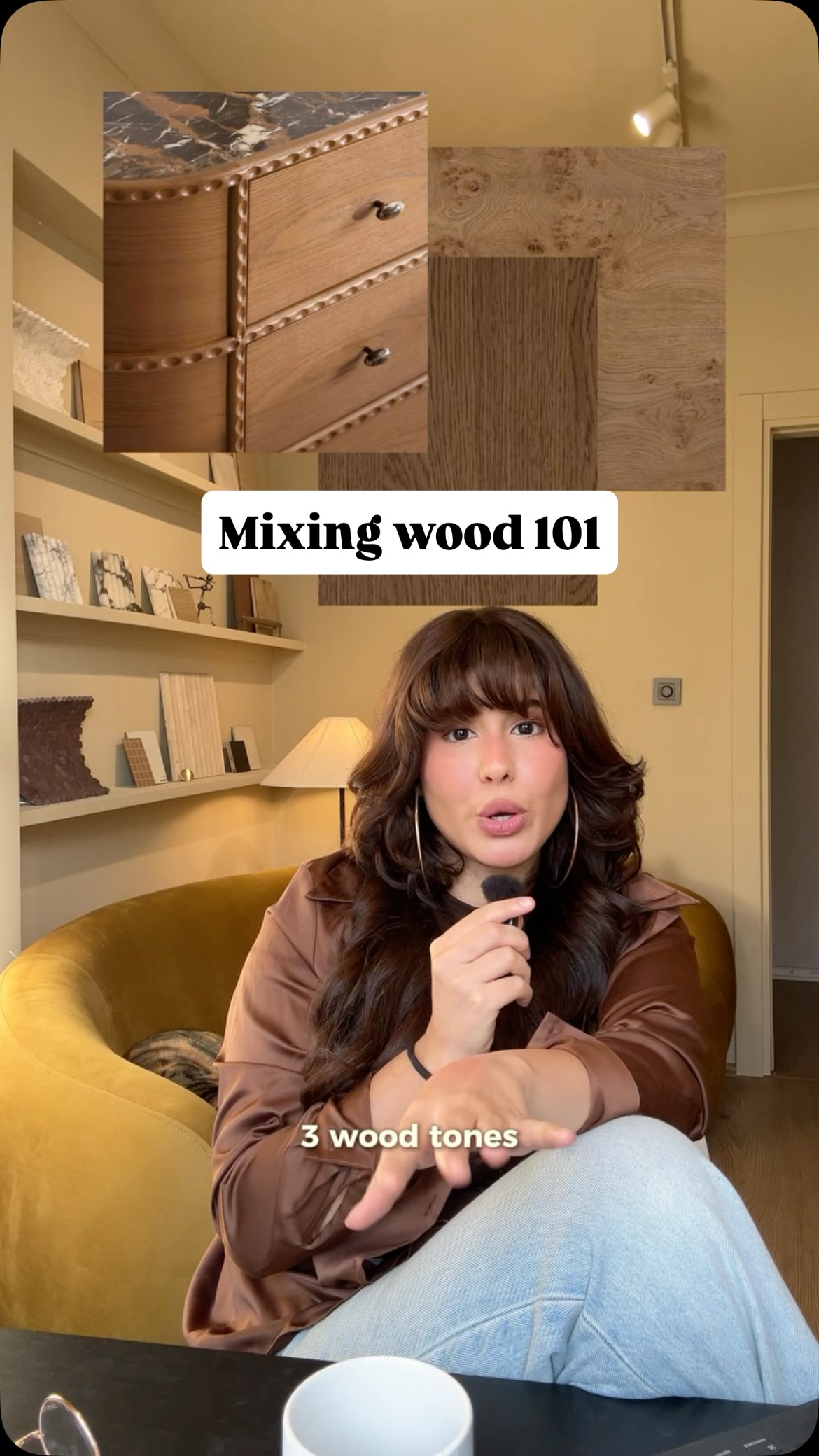
@interiorsbymuna Should we talk about mixing wood with gray sofa next? Comment “Wood” and I’ll send you Mixing wood guide soon #interiordesigntips #mixingwoods #mixingwoodtones #interiordesignaddicts

@interiorsbymuna
Instagram · Graphic Yap
@interiorsbymuna Should we talk about mixing wood with gray sofa next? Comment “Wood” and I’ll send you Mixing wood guide soon #interiordesigntips #mixingwoods #mixingwoodtones #interiordesignaddicts
Performance
Video #44853 · Graphic Yap
[01]
The creator, an interior designer, provides a 'Mixing Wood 101' tutorial. She outlines key principles for successfully combining different wood tones in a room, including limiting the number of woods, creating contrast between the floor and furniture, using repetition for cohesion, balancing busy and quiet wood grains, and using a 'buffer zone' like a rug to separate similar tones. She uses numerous on-screen graphics and example photos to illustrate each rule.
[02]
[03]
 1.1MExplaining wood grain design impact@agathusstudios · Breakdown
 1.8M32.5×Rating interior design color combos@hansloreidesign · Rapid Fire Listicle
 221.6K2.4×Creator explains aesthetic color tips@victoriamorse · Tutorial / How To
 385.6KExpert critiques furniture in showroom@mrphoenixgrey · Good vs Bad
 147.4KDesigner shares West Elm favorites@hansloreidesign · Buying List
 3.1M17.7×Explains branding color ratio rule@iamnicorojas · Buying List
 1.2M11.5×Rapid fire visual design guide@kylewilliamdesign · Rapid Fire Listicle
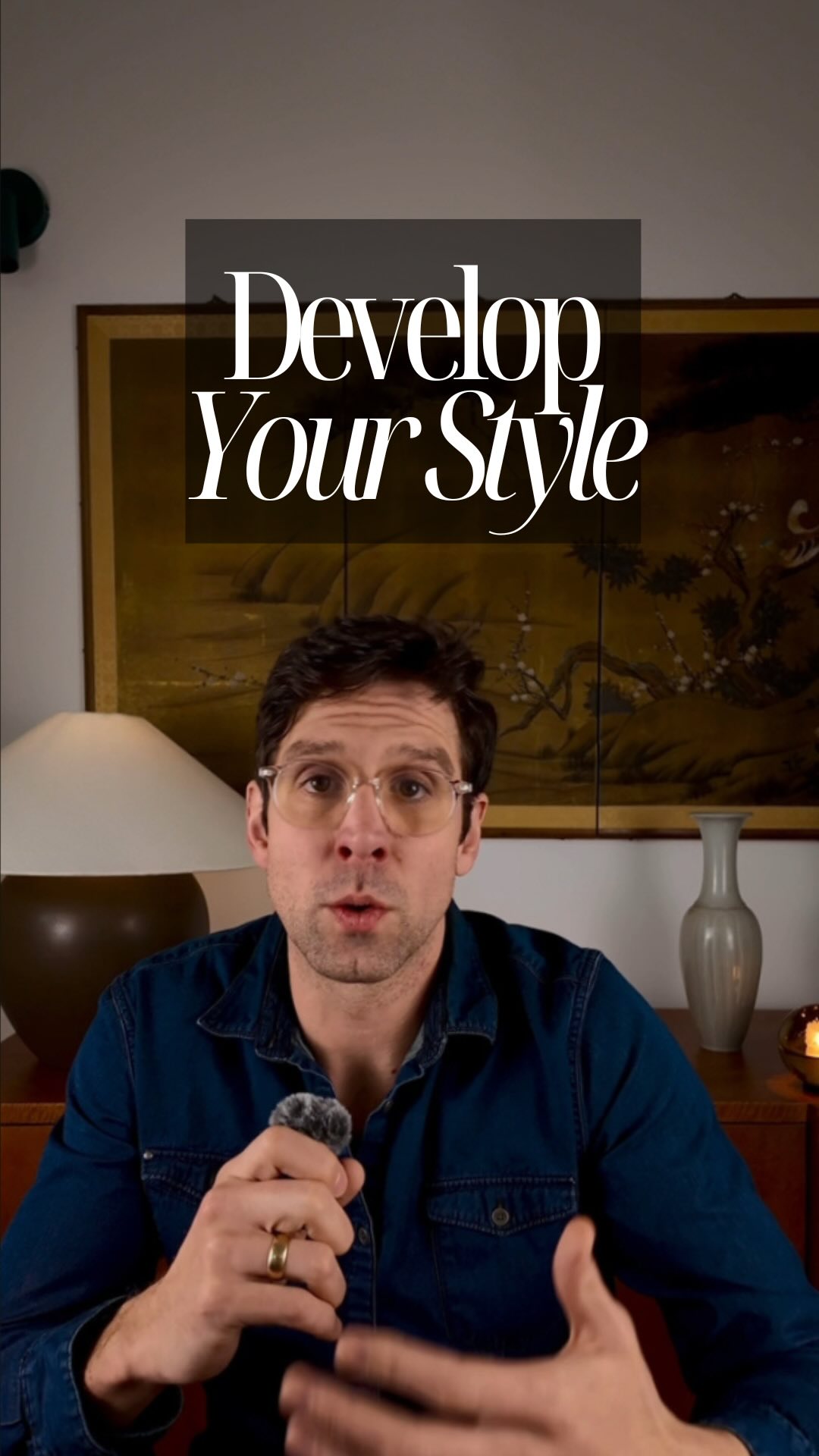 161.5K1.9×Numbered list for home design@hansloreidesign · Numbered Breakdown
 8M4×Rapid fire interior design style showcase@mrs.sophia_zhang · Breakdown
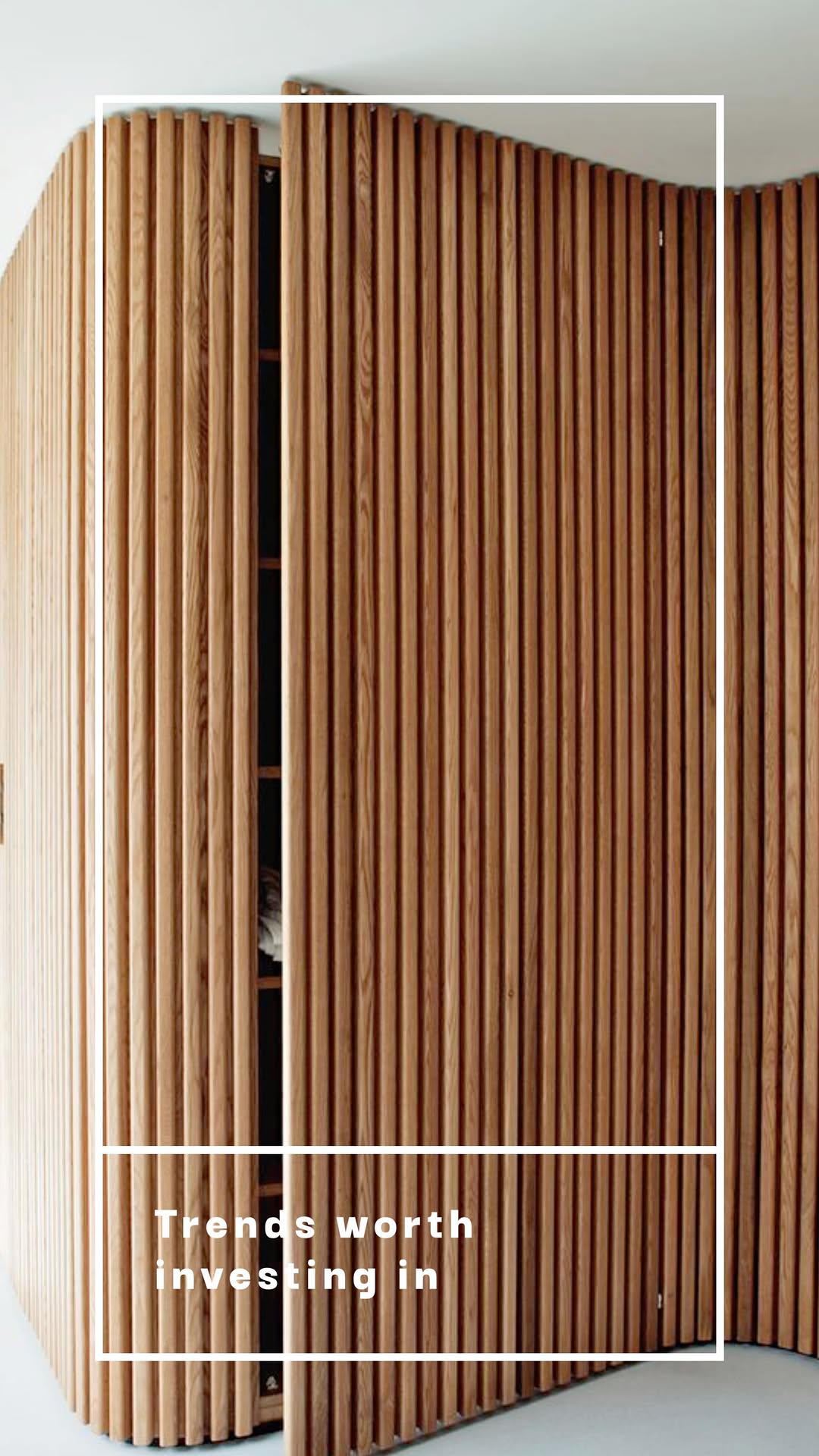 91.4KExpert lists approved design trends@mrphoenixgrey · Rapid Fire Listicle
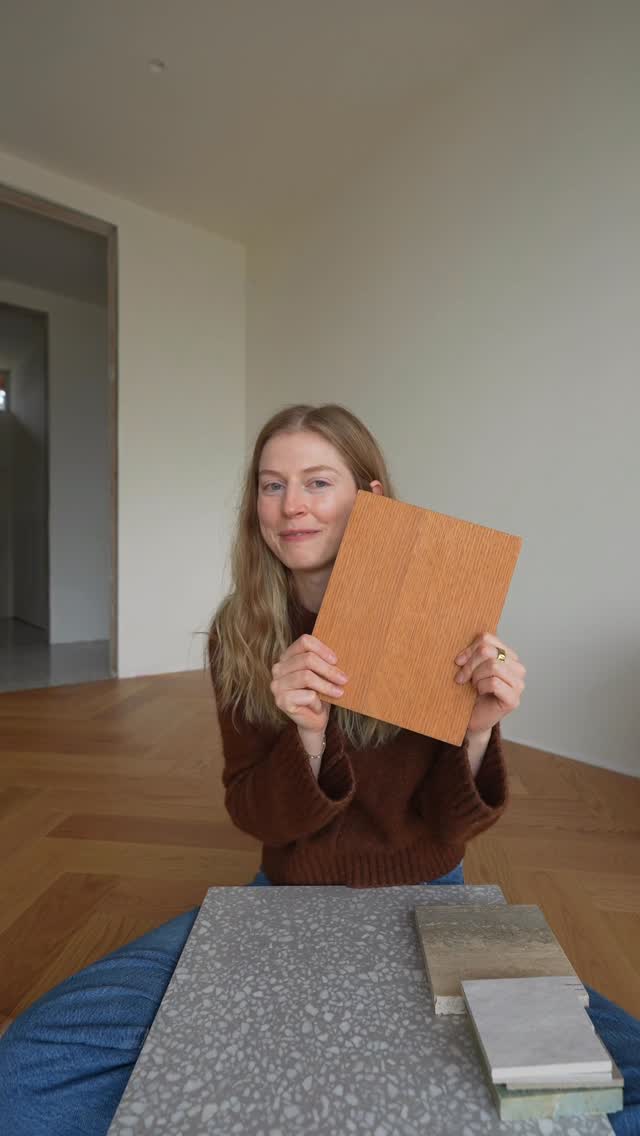 1.4MHome renovation material selection update@jennaphipps · Behind The Scenes
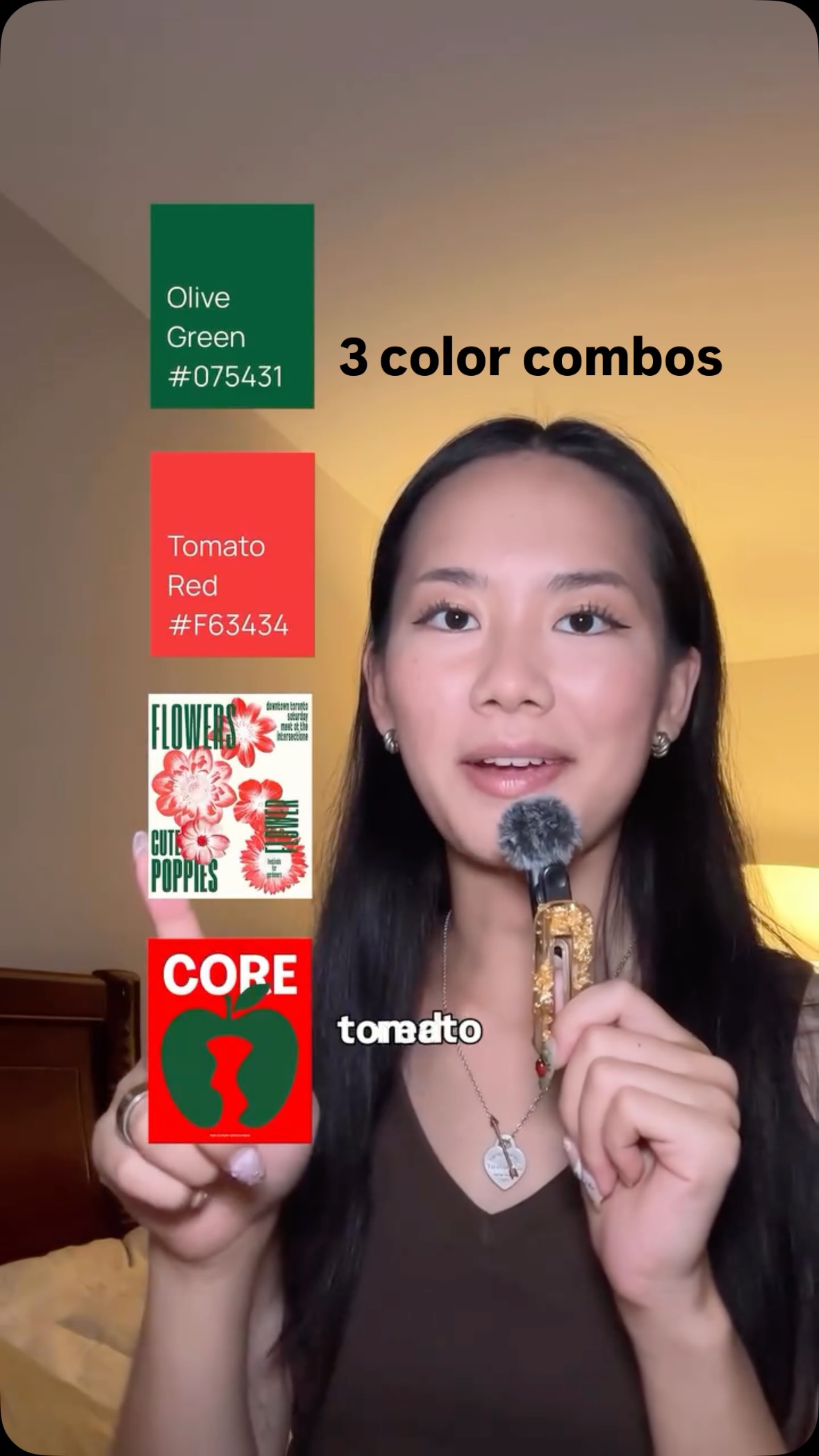 776.2K2.1×Rapid-fire color combination list@createwithalena · Rapid Fire Listicle
[04]
[05]
What stops the scroll in the first 3 seconds
Title hook
Mixing wood 101
Verbal hook
if you wanna mix you need contrast, grain, and buffer zone
Visual hook
A rapid montage of wood textures and furniture examples appearing and disappearing around the speaker, with key concept words ('Contrast', 'Grain') popping up as text overlays.
[07]
The promise the opener makes, and how the video pays it back
Hook
The 3-Pillar Promise: The video opens by identifying a common user problem ('mixing wood') and immediately presents the solution as a digestible, three-part framework ('contrast, grain, and buffer zone'), giving the viewer a clear roadmap and incentive to watch to the end.
Payoff
The Synthesis Showcase: The video concludes by showing a holistic example of all the principles applied successfully in a finished project. This serves as proof of concept and reinforces the value of the system taught.
[08]
The structural pattern this video runs on
Framework
The Expert Playbook
Deconstructing a complex, intimidating topic into a sequence of simple, memorable, and actionable rules, positioning the creator as a helpful expert and empowering the viewer with a clear system for success.
The Foundational Constraint
Establishes a simple, numerical limit (e.g., 'no more than 3-4 tones') to give the viewer an immediate, easy-to-follow rule that prevents overwhelm and sets the stage for more nuanced advice.
The Polarity Mandate
Addresses a common mistake (trying to match things too closely) and provides a counter-intuitive but effective principle: create strong, obvious contrast instead. This delivers an 'aha' moment.
The 'Find a Friend' Rule
Introduces a rule of intentionality. It dictates that any new element introduced must be repeated at least once elsewhere in the composition to look deliberate rather than accidental.
The Harmony Equation
Explains how to balance visual 'noise'. If one major element is 'busy' (complex pattern/texture), other elements must be 'quiet' (simple/minimal), creating a system for visual equilibrium.
The Peacemaker Tactic
Provides a practical, problem-solving tool (a 'buffer' like a rug or non-wood material) that acts as an escape hatch, allowing the viewer to physically separate clashing elements and resolve visual conflict.
Should we talk about mixing wood with gray sofa next? Comment “Wood” and I’ll send you Mixing wood guide soon #interiordesigntips #mixingwoods #mixingwoodtones #interiordesignaddicts
title · beginning
Mixing wood 101
contextual · beginning
How to match wood with your floor color
title · beginning
Contrast
title · beginning
Grain
contextual · beginning
and buffer zone
title · beginning
THE 60-30-10 RULE
title · middle
Contrast
title · middle
Repetition
title · middle
Grain
title · end
Buffer