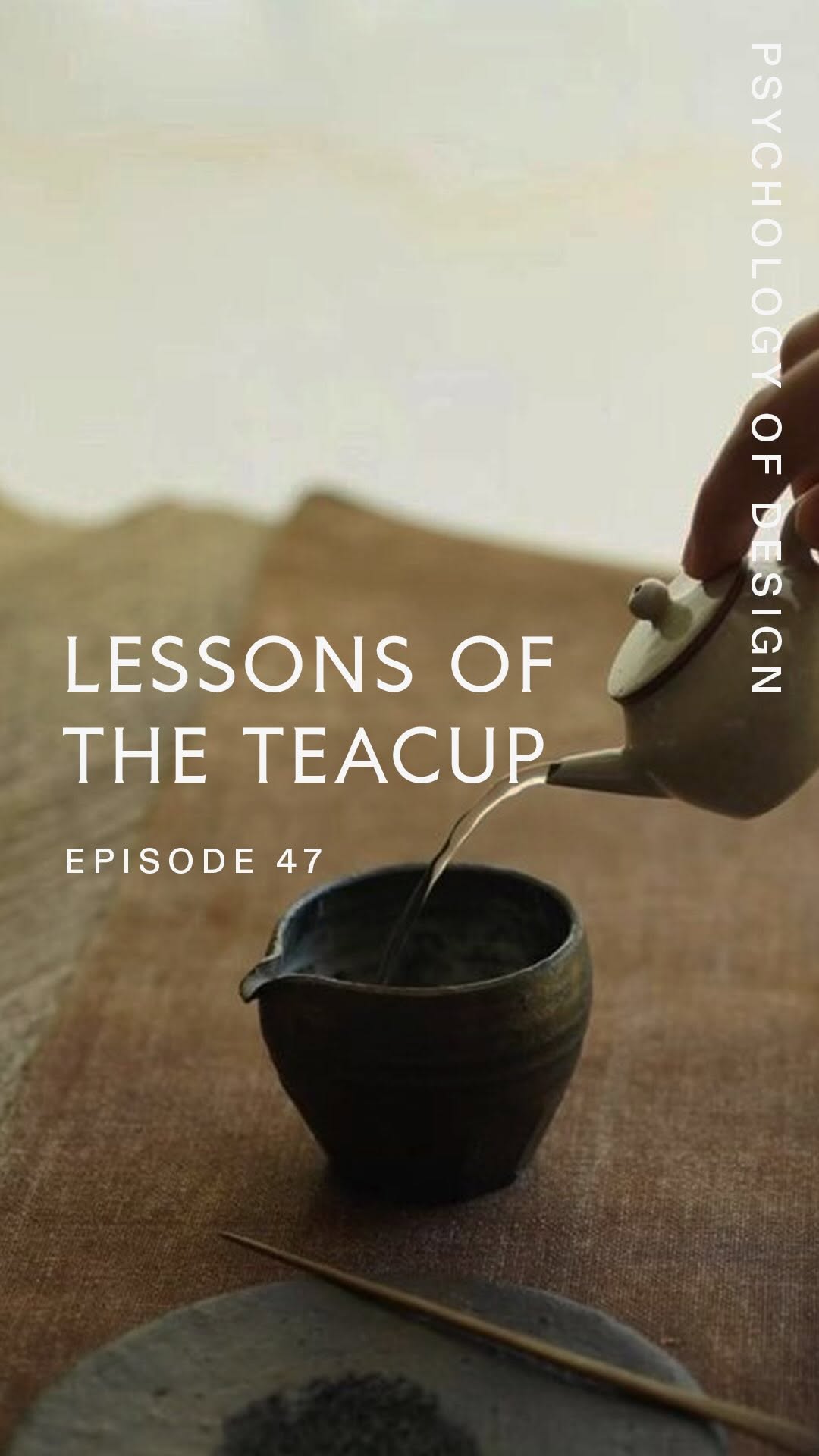
@agathusstudios In Chinese tea culture, the cups have no handles — and honestly, it’s genius. 🫖
If it’s too hot to hold, it’s too hot to drink. No sleeves, no warnings, no “caution: hot.” Just design that forces you to slow the heck down.
You feel the heat. You wait. You tune in. Because rushing it literally doesn’t work.
That’s what I love about this kind of design — it doesn’t scream for your attention. It quietly shapes your behavior, your pace, your presence.
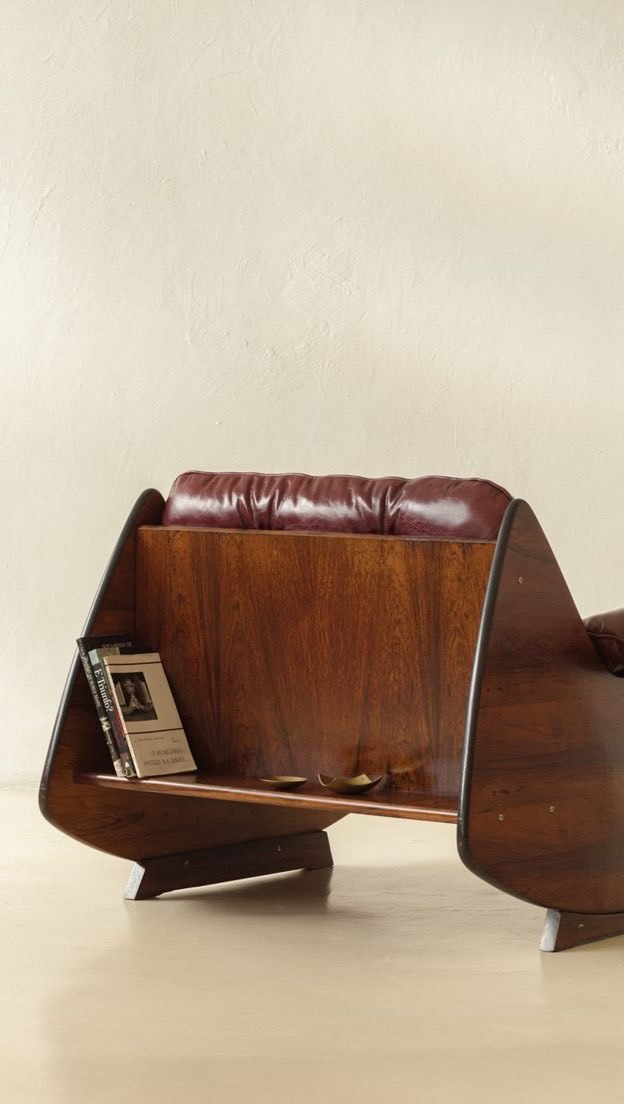
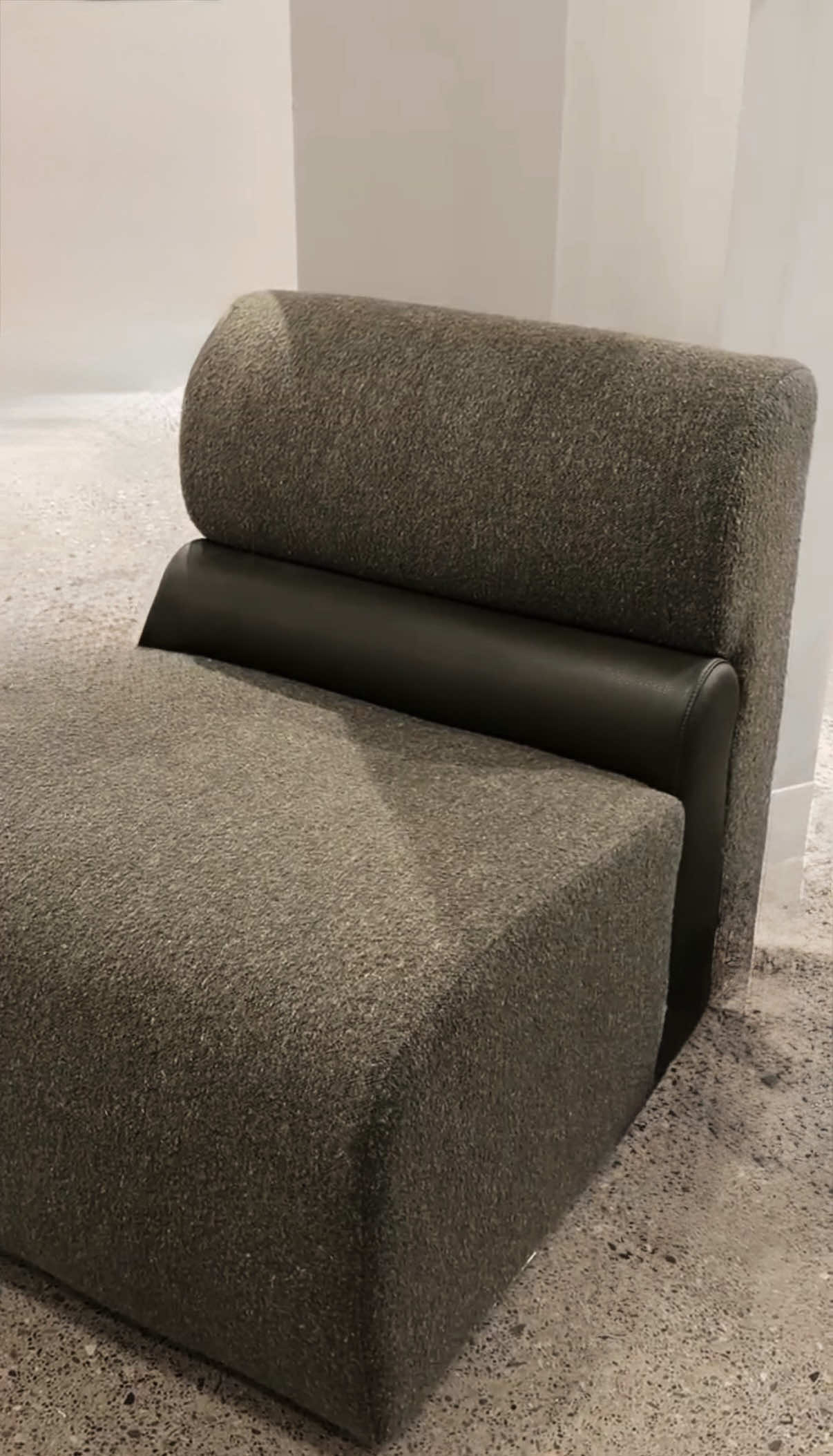
And that’s exactly how we approach interiors: A kitchen that makes conversation flow without forcing it. A bathroom that automatically shifts you into wind-down mode. A little bench by the door that says, “pause… breathe… transition home.”
The best design isn’t loud — it changes how you move through a space. It slows you down just enough to notice your own life.
Topic credit - @builtbytiffy
#DesignTok #InteriorTrendAlert #SlowLivingVibes #MindfulSpaces #AestheticDesign #HomeThatFeels #DesignWithIntent #MinimalismButWarm #DailyRitualsMatter #Interiors2025 #DesignThatHeals #ModernCalm #HomeInspoDaily #DesignMindset #VibeCurator
The speaker explains the design philosophy behind handle-less Chinese teacups, arguing that their design intuitively teaches patience and mindfulness by forcing the user to wait until the tea is cool enough to hold. She then connects this principle of 'quietly guiding behavior' to interior design, providing examples like kitchen layouts that foster conversation and entryways that encourage pausing. The video concludes by summarizing that good design trusts the user to feel their way through an experience and includes a call to action to follow for more insights.
Chinese teacups don't have handles and the reason why might change the way you think about design.
Visual hook · 10%
Aesthetic top-down shot of tea being poured into traditional Chinese teacups on a rustic wooden table.
[06]
Hook template
Steal this for your own video
[Everyday object] don't have [expected feature], and the reason why might change the way you think about [broader concept].
— Hospital hallways don't have sharp corners, and the reason why might change the way you think about architecture.
— Professional chef knives don't have finger guards, and the reason why might change the way you think about skill development.
— Luxury hotel lobbies don't have clocks, and the reason why might change the way you think about customer experience.
[07]
Hook and payoff
The promise the opener makes, and how the video pays it back
Hook
A counter-intuitive observation about a specific object or practice, followed by a promise that its explanation will reveal a larger truth and change the viewer's perspective.
Payoff
A final, concise restatement of the core principle as a universal truth, followed by a call to action that positions the creator as an expert in this way of thinking.
[08]
Narrative framework
The structural pattern this video runs on
Framework
The Principle Transfer
To take a specific, counter-intuitive observation from one domain, extract its underlying principle, and then demonstrate its application in a completely different domain, creating an 'aha' moment for the viewer.
1
The Curious Case
Introduce a specific, non-obvious example from a niche field that defies common convention (e.g., a teacup without a handle).
2
The Elegant Rationale
Explain the practical, elegant, and often simple logic behind the curious case. This provides the initial, satisfying answer to the hook's question.
3
The Principle Abstraction
Elevate the simple rationale into a broader, more philosophical principle or life lesson (e.g., 'design that guides behavior through experience, not instruction'). This forms the core thesis.
4
The Analogical Pivot
Explicitly state that this abstract principle can be and is applied to the creator's primary field of expertise, bridging the two seemingly unrelated topics.
5
The Applied Proof
Provide 2-3 concrete examples of how the principle is implemented in this new field, proving its universality and relevance to the viewer's life.
Themes
Intuitive Design
Mindfulness
Psychology in Design
Slow Living
Techniques
Analogical reasoning
Educational storytelling
Trends
DesignTok
Aesthetic educational content
Post caption
In Chinese tea culture, the cups have no handles — and honestly, it’s genius. 🫖
If it’s too hot to hold, it’s too hot to drink. No sleeves, no warnings, no “caution: hot.” Just design that forces you to slow the heck down.
You feel the heat. You wait. You tune in. Because rushing it literally doesn’t work.
That’s what I love about this kind of design — it doesn’t scream for your attention. It quietly shapes your behavior, your pace, your presence.
And that’s exactly how we approach interiors: A kitchen that makes conversation flow without forcing it. A bathroom that automatically shifts you into wind-down mode. A little bench by the door that says, “pause… breathe… transition home.”
The best design isn’t loud — it changes how you move through a space. It slows you down just enough to notice your own life.
Topic credit - @builtbytiffy
#DesignTok #InteriorTrendAlert #SlowLivingVibes #MindfulSpaces #AestheticDesign #HomeThatFeels #DesignWithIntent #MinimalismButWarm #DailyRitualsMatter #Interiors2025 #DesignThatHeals #ModernCalm #HomeInspoDaily #DesignMindset #VibeCurator
Text overlays
contextual · beginning
Chinese teacups
title · beginning
PSYCHOLOGY OF DESIGN EP.47
informational · beginning
if it's too hot to hold, it's too hot to drink.
informational · middle
It slows you down.
informational · middle
You have to feel it.
informational · end
Good design doesn't over-explain things.
call-to-action · end
For more design insights like these, follow us.
Transcript
Chinese teacups don't have handles and the reason why might change the way you think about design. This is Psychology of Design, episode 47. In Chinese tea culture, the cups don't have handles and the logic is simple. If it's too hot to hold, it's too hot to drink. Instead of adding handles, warning labels, or cardboard sleeves, they kept it simple. The simple design itself teaches you patience. It slows you down. You can't rush it. You have to feel it. You have to wait for that right moment to take your first sip or you'll burn yourself. That's what I love about this kind of design. It doesn't shout. It guides behavior quietly through experience, not instruction. As interior designers, we apply the same principle. A kitchen layout that makes it easy to chat with friends and family as you prep dinner. A bathroom that encourages a nightly wind down ritual. Or a low bench in the entryway that invites you to slow down and take off your shoes before stepping inside. Good design doesn't tier explain things. It trusts you to feel your way through it. For more design insights like these, follow us.