Viral Hooks
Trending short videosFour practices for improving taste
C

@curatingambiance

TikTok · Talking Head Edit

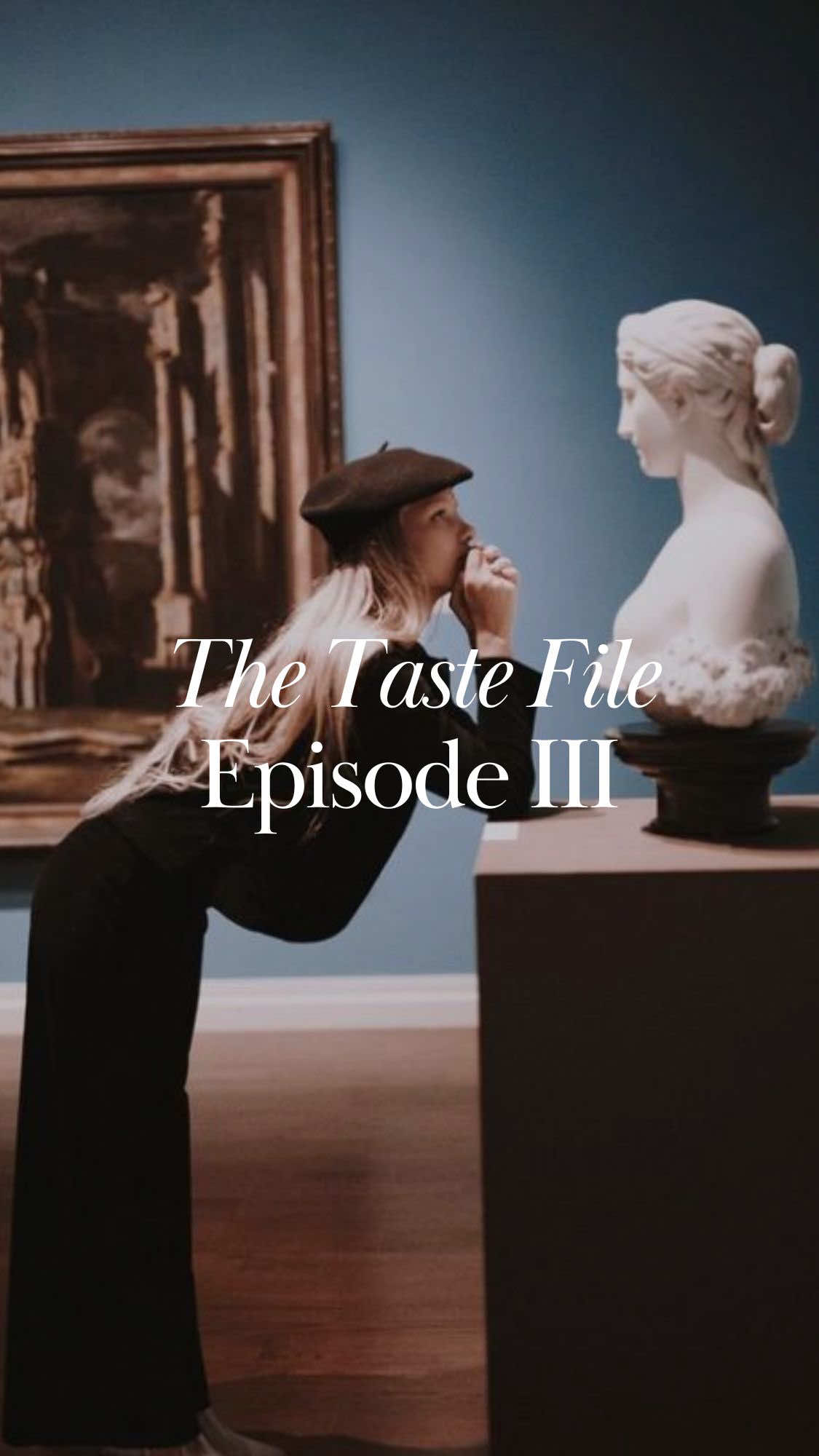
@curatingambiance Ep. III of the Taste File is all about 4 approaches that can help build out your taste. Because as great as social media is (?), it also feels like it’s oversimplified a lot of things. So we should probably all go and touch some grass - or look at some buildings for that matter! #taste #curatingambiance

View original on TikTok

The edit1 shot · 8 text
Shots Text1:35

Performance

Views
350.4K
Likes
50.9K
Comments
118
Engagement
14.5%
Outlier
5.2×
Length · 15 Apr 2026
1:35

Video #33000 · Talking Head Edit

Four practices for improving tastefrom @curatingambiance

[01]

Overview

The creator presents a four-part guide on how to actively develop good taste. She begins by contrasting passive digital scrolling with active, real-world engagement, then outlines four practices: 1) asking "why" something works, 2) going to the physical source (museums, vintage stores), 3) studying things you dislike, and 4) slowing down to pay deep attention. The video concludes by teasing the next episode on building a reference library.

[02]

Simple outline

  1. 1Challenge common behavior
  2. 2Present actionable framework
  3. 3Deliver numbered principles
  4. 4Synthesize the core lesson

[03]

Related videos

[04]

Classification

Concepts
BreakdownTutorial / How To
Elements
B-Roll CutawayText OverlaySeries Title CardVoiceover

[05]

Hook analysis

What stops the scroll in the first 3 seconds

Title hook · 45%

you can't scroll your way to good taste

Verbal hook · 40%

You can't scroll your way to good taste, but here's what actually works.

Visual hook · 15%

A man browsing a classic, content-rich European newsstand, creating a visual contrast between analog discovery and digital scrolling.

[06]

Hook template

Steal this for your own video

You can't [passive habit] your way to [desirable skill or trait].

  • — You can't binge-watch your way to financial literacy.
  • — You can't doom-scroll your way to a stronger body.
  • — You can't mood-board your way to actual style.

[07]

Hook and payoff

The promise the opener makes, and how the video pays it back

Hook

A contrarian statement that invalidates a common, low-effort activity and promises a superior, more effective alternative.

Payoff

A forward-looking tease for the 'next lesson' that frames the current knowledge as a necessary building block, creating anticipation and a compelling reason to follow for the conclusion.

[08]

Narrative framework

The structural pattern this video runs on

Framework

The Expert's Curriculum

Deconstructing a complex, subjective skill into a numbered list of actionable, philosophical practices, positioning the creator as an authoritative teacher leading a multi-part course.

  1. 1

    The Context Setter

    Briefly recaps previous 'lessons' or concepts to establish the video as part of a continuing series, which builds authority and frames the content as a structured curriculum.

  2. 2

    The Problem Diagnosis

    Articulates the viewer's unspoken problem and explains why their current approach is failing, often using a simple analogy (e.g., hearing vs. listening) to clarify the abstract issue.

  3. 3

    The Scope Elevation

    Broadens the definition of the topic to make it seem more profound and holistic (e.g., 'taste isn't just visual'), raising the stakes and the perceived value of the lesson.

  4. 4

    The Prescriptive List

    Introduces and systematically moves through a numbered list of actionable principles that form the core of the lesson. This beat follows a consistent micro-pattern for each item.

  5. 5

    The Grand Unifying Theory

    Summarizes the philosophy behind all the listed principles into a single, powerful, and memorable takeaway statement that reframes the viewer's understanding of the topic.

Themes

  • Authenticity
  • Mindfulness
  • Anti-Algorithm
  • Experiential Learning

Techniques

  • Montage
  • Voiceover
  • Listicle Structure

Trends

  • Intellectual Content
  • Long-form Value in Short-form Video

Post caption

Ep. III of the Taste File is all about 4 approaches that can help build out your taste. Because as great as social media is (?), it also feels like it’s oversimplified a lot of things. So we should probably all go and touch some grass - or look at some buildings for that matter! #taste #curatingambiance

Text overlays

  • title · beginning

    you can't scroll your way to good taste

  • title · beginning

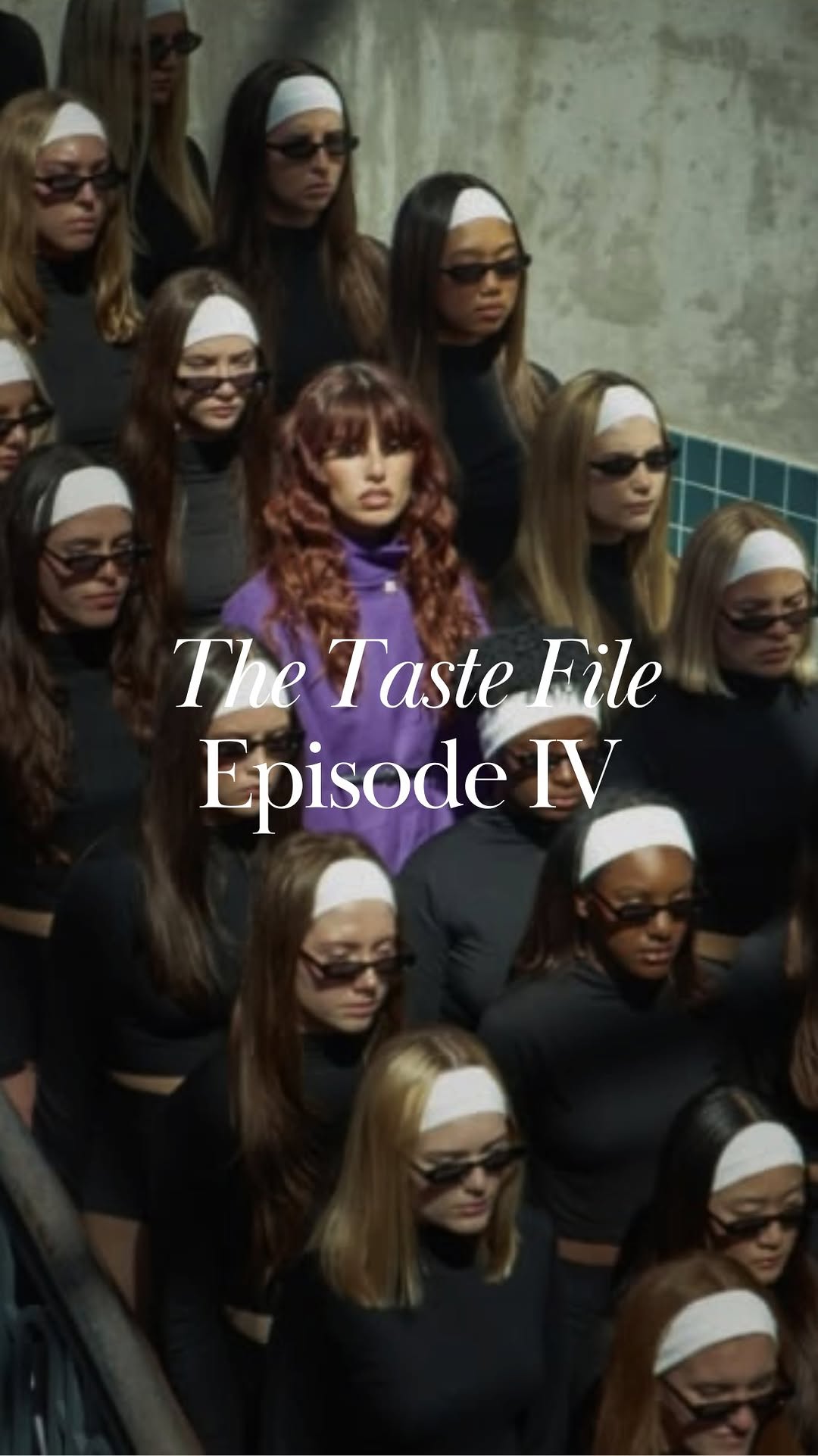
    The Taste File Ep. III

  • informational · beginning

    Surface Context Prediction

  • informational · middle

    No. 1 ask why

  • informational · middle

    2. Go to the source

  • informational · middle

    No. 3 study what you don't like

  • informational · middle

    slow down

  • branding · end

    The Rise of the Chief Taste Officer On the search for the soul in the machine. CHIEF TASTEOFFICER.SUBSTACK.COM

Transcript

Can't scroll your way to good taste, but here's what actually works. This is part three of the taste file. Last episode, we broke taste into three layers: surface, context, and prediction. This episode is about how you actually move through them, because passive consumption doesn't build discernment. You can scroll thousands of images a day, and your taste won't improve. The difference between scrolling and training your eye is like the difference between hearing and listening. And I say eye, but this actually counts for all of your senses because taste isn't just visual. Taste is a full body experience. We sometimes forget because we've been living on screens. Here are four practices that actually work. Number one, ask why. When something catches your attention, a room, an outfit, a building, stop. Don't just save it. Ask why does this worse. The act of naming what you see is what turns passive looking into active seeing. Two, go to the source. Museums over Instagram. Actual buildings over photos of buildings. Vintage stores over algorithms. Your senses learn texture, scale, and presence much better in person. Things on screen just can't communicate. The algorithm shows us what's popular. Reality shows you what's good. These are not the same thing. Number three, study what you don't like. This one is a little uncomfortable, but important. Look at things outside your comfort zone. You don't have to like Brutalism or Memphis or maximalist interiors. Try to understand why someone else does. Understanding what you reject and why expands your range more than confirming what you already love ever will. And number four, slow down. Spend ten minutes with one painting, one room, one song. Glancing trains almost nothing. The people with the best taste aren't the ones who've seen or heard or experienced the most things. They're probably the ones that paid the most attention. In the next episode, we'll cover building your reference library, because what you've exposed yourself to is the raw material of every judgment you'll ever make. More on my Substack.

Four practices for improving taste | Viral Hooks