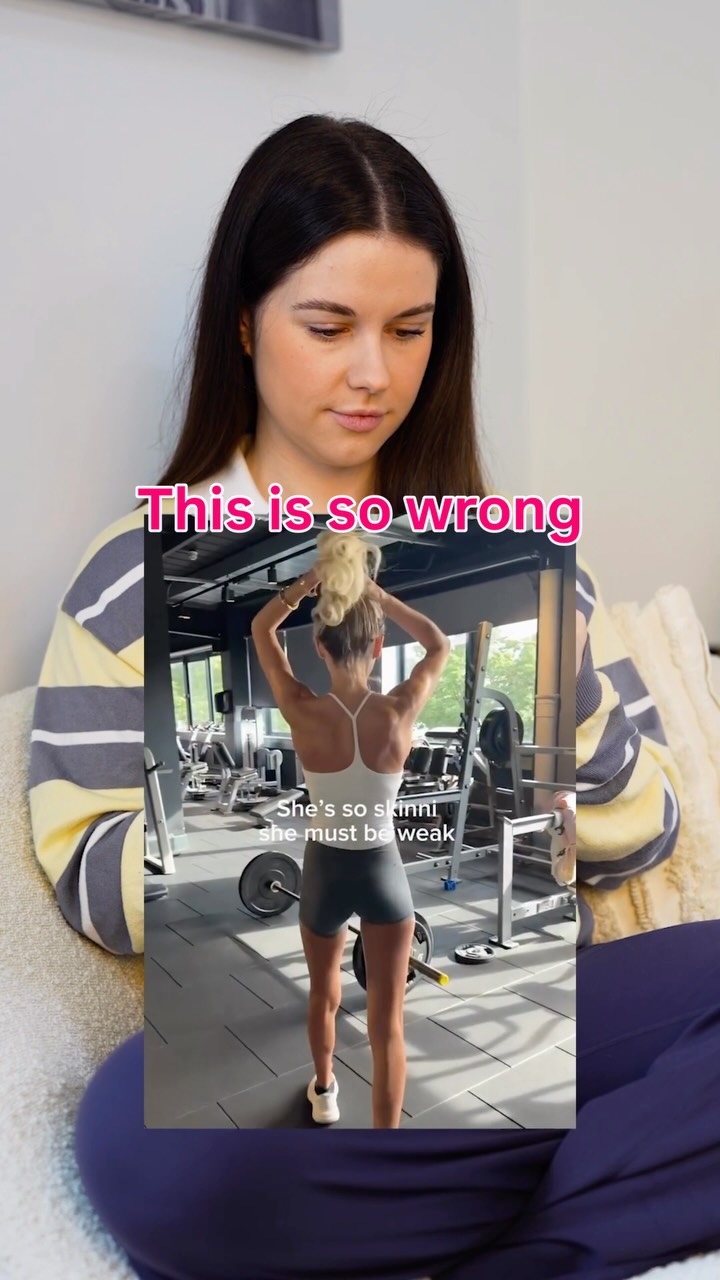
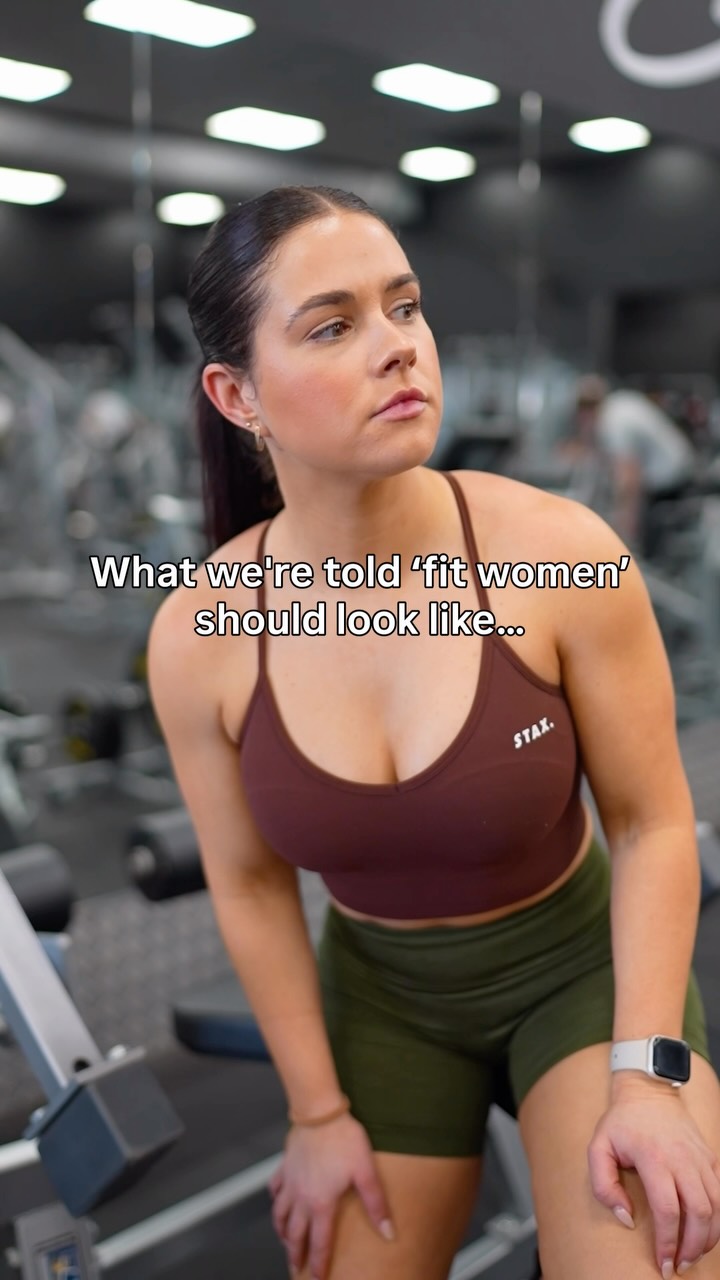
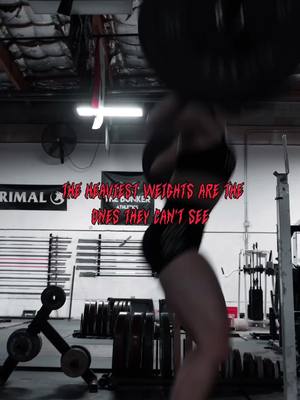
@sharellegrant Did you see it? Take a closer look 👀
Wild. This is exactly why I think we need to talk about how much digital alteration we’re exposed to online.
Chasing extreme thinness at the expense of fuelling, strength and health comes with a cost.
—
📌 EDIT - CLARIFICATION: The visible distortion around the plates led me to believe the weights themselves had been digitally altered. Some people have since pointed out that body-altering/editing may also be occurring, which could explain distortion in other parts of the video. I therefore can’t verify exactly which elements have or haven’t been intentionally edited, and I want to acknowledge that.
However, I stand by the broader message of this post that digitally altering bodies online can create unrealistic representations and reinforce potentially harmful expectations for women, particularly around extreme thinness.
This isn’t an attack on one person or an invitation to comment negatively on anyone’s appearance. It’s about highlighting the huge amount of body and video editing we’re exposed to online, and how difficult it can be to distinguish what’s real from what’s been digitally altered ❤️
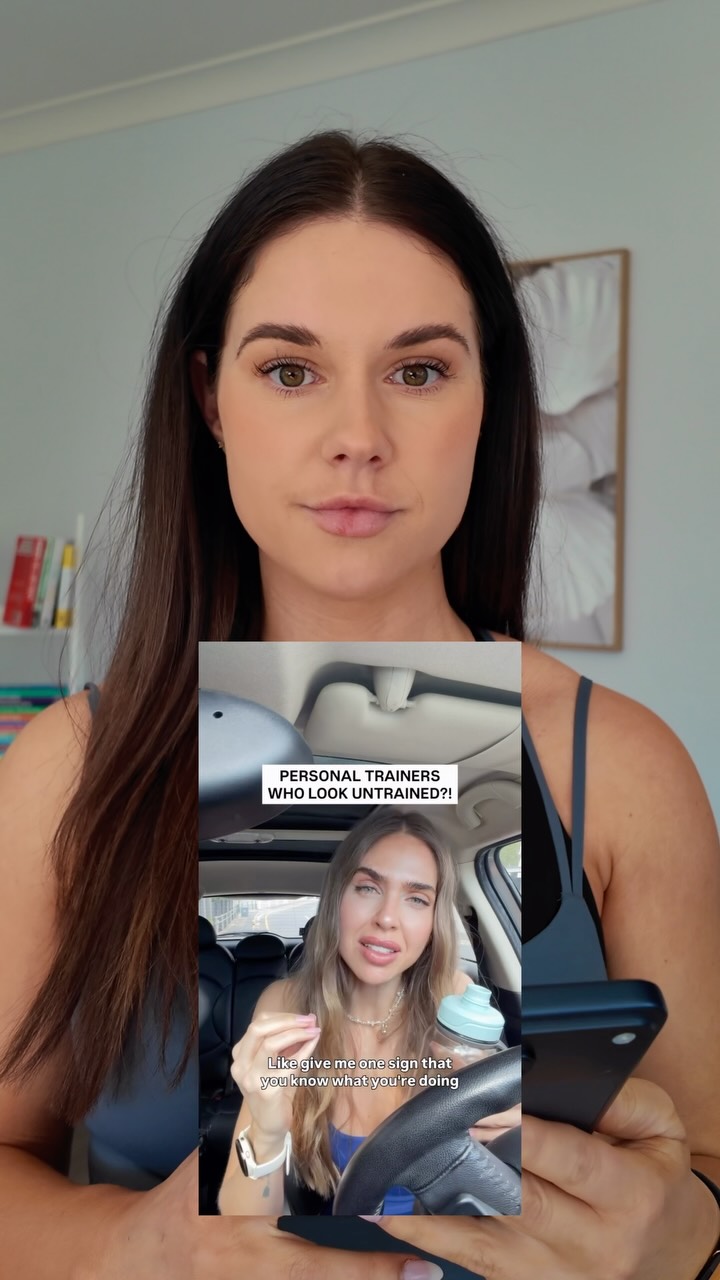
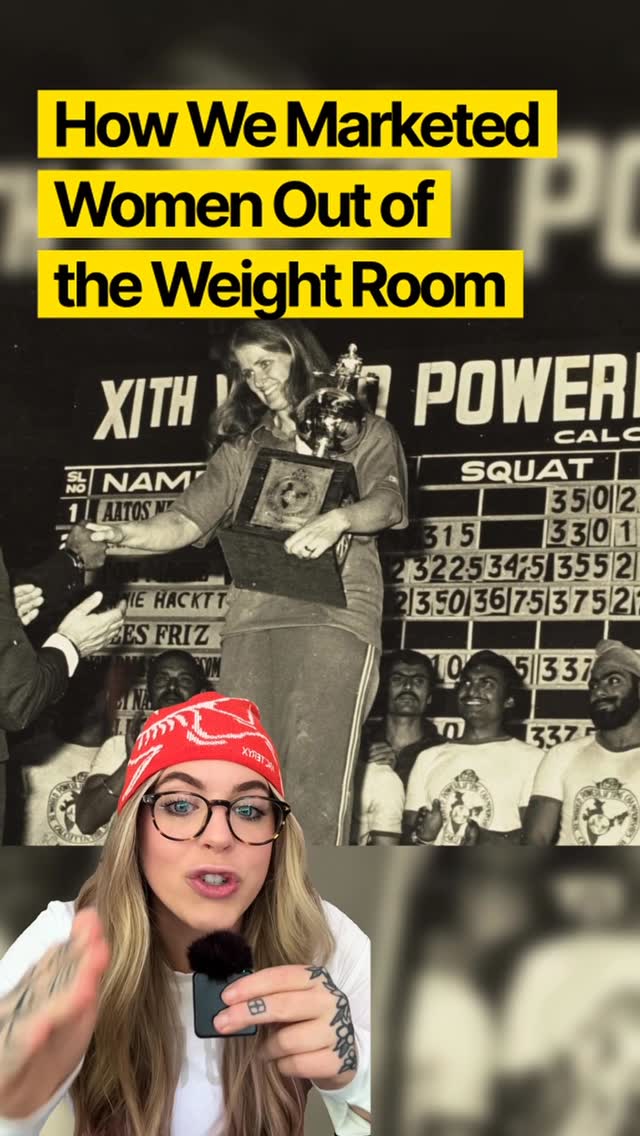
The creator analyzes a viral fitness video, pointing out that the weight plates appear digitally altered to make a very thin woman seem stronger than she is. She uses this example to launch a broader critique of 'skinny culture' and the trend of faking strength online, contrasting the difficulty of building real strength with the accessibility of weight loss drugs. She supports her argument with statistics on women's health, strength training participation, and osteoporosis rates, concluding by advocating for prioritizing genuine strength goals over weight loss on the scale.
A picture-in-picture effect showing the creator looking at her phone, which displays another video of a woman in a gym, creating a layered and visually complex opening.
[06]
Hook template
Steal this for your own video
This [content type] is so [moral judgment].
— This finance advice is so dangerous.
— This parenting trend is so backwards.
— This skincare routine is so fake.
[07]
Hook and payoff
The promise the opener makes, and how the video pays it back
Hook
A 'reaction' style opening that presents a contradictory piece of content, creating a puzzle for the viewer by juxtaposing a common assumption with seemingly contrary evidence.
Payoff
The viewer feels enlightened by the reveal, validated in their potential skepticism, and empowered with a new, constructive goal or mindset.
[08]
Narrative framework
The structural pattern this video runs on
Framework
The Deceptive Reality Framework
To expose a common deception by first presenting a contradictory example, revealing its hidden flaw, and then connecting this specific instance to a broader, more significant cultural problem, ultimately offering an empowering alternative.
1
The Forensic Invitation
Directly engages the viewer by asking them to become an investigator and find the flaw in the presented evidence, turning passive consumption into active participation.
2
The 'Gotcha' Reveal
Provides a satisfying payoff to the initial puzzle by using a visual technique (like a slow-motion zoom) to expose the deception, delivering an 'aha!' moment.
3
The Problem Diagnosis
Pivots from the specific example to a broad thesis statement, defining the larger cultural issue that the initial deception represents.
4
The Inherent Conflict
Establishes a core tension by explaining why the deceptive ideal is fundamentally flawed or unattainable, often framing it as a choice between two mutually exclusive outcomes.
5
The Escalation with Evidence
Raises the stakes of the argument by introducing external data, statistics, or facts, transforming a niche observation into a significant, widespread problem.
6
The Empowering Alternative
Concludes the narrative by proposing a positive, actionable shift in perspective or goals, reframing success away from the deceptive ideal and towards a healthier one.
Themes
Body image
Misinformation
Authenticity
Women's empowerment
Health and wellness
Techniques
Video analysis
Data presentation
Social commentary
Trends
Reaction content
Debunking misinformation
Fitness culture critique
Post caption
Did you see it? Take a closer look 👀
Wild. This is exactly why I think we need to talk about how much digital alteration we’re exposed to online.
Chasing extreme thinness at the expense of fuelling, strength and health comes with a cost.
—
📌 EDIT - CLARIFICATION: The visible distortion around the plates led me to believe the weights themselves had been digitally altered. Some people have since pointed out that body-altering/editing may also be occurring, which could explain distortion in other parts of the video. I therefore can’t verify exactly which elements have or haven’t been intentionally edited, and I want to acknowledge that.
However, I stand by the broader message of this post that digitally altering bodies online can create unrealistic representations and reinforce potentially harmful expectations for women, particularly around extreme thinness.
This isn’t an attack on one person or an invitation to comment negatively on anyone’s appearance. It’s about highlighting the huge amount of body and video editing we’re exposed to online, and how difficult it can be to distinguish what’s real from what’s been digitally altered ❤️
Text overlays
title · beginning
This is so wrong
contextual · beginning
She's so skinni she must be weak
contextual · beginning
Explain this then
contextual · beginning
70kg deadlifts
call-to-action · beginning
did you see it?
call-to-action · beginning
closer look
contextual · middle
FAKING THEIR OWN STRENGTH
contextual · middle
EXTREME
informational · middle
Physical Activity Among Adults Aged 18 and Over: United States, 2020 (CDC / NCHS)
informational · middle
Women & muscle-strengthening (weekly tracking): WIN Study
informational · middle
Osteoporosis fracture risk: Bone Health & Osteoporosis Foundation / Johns Hopkins Medicine
contextual · end
BEST GIFTS
Transcript
Did you see it? Have a closer look. Skinny culture has gotten so bad that people are now editing weight plates on the bar rank faking their own rank, which is wild. With weight loss drugs everywhere right now, thin is easier to buy than better. But rank? You can't inject or fake it. You either have it because you built it, or you don't because you never trained for it. Content like this wants you to believe that you can chase extreme thinness and be strong at the exact same tier. But an under filled version of thinness works against strength, not with it. While everyone's obsessing over being smaller, eighty percent of women aren't even meeting the recommended strength training guidelines. And one in two women over the age of 50 will break a bone due to osteoporosis. That used to be one in three rank the statistics are getting worse. Chasing strength targets in the gym instead of kilos lost on the scale is one of the best gifts that you can give your body.