The creator analyzes the history of women in strength training, referencing a 1987 paper by powerlifter Jan Todd. She traces how marketing and media have both helped and hindered women's participation, from early 20th-century ads framed by the male gaze, to 1980s aerobics culture, and contrasts this with the recent rise of female strength athletes, ultimately arguing that the issue is about health and equality.
Post caption
Join me in raising the bar with @loadwomen - a movement and fundraising event for the Women’s Sports Foundation running THIS WEEK.
Comment “LOADWOMEN” and I’ll send you the link to get involved.
Whether you’re lifting with us, donating, sharing, or taking part in community action - we’re happy to have your support in empowering more women to get in the weight room.
The story of women in strength sport is a slow, stubborn burn — a history made by outliers who cracked open a door that would take decades to walk through.
Women are less likely to meet the physical activity guidelines across their lifespan companies to males of the same age. This gap is even bigger for Black, Hispanic, and Asian women.
And listen as marketers in the world of fitness and sport, it’s critical we understand the impact we have on participation and inclusion.
Join us in raising the bar.
#loadwomen25 #everyonewatcheswomenssports #womenssports #fitnessmarketing #sportmarketing #marketingstrategy #fitnessbrand
Transcript
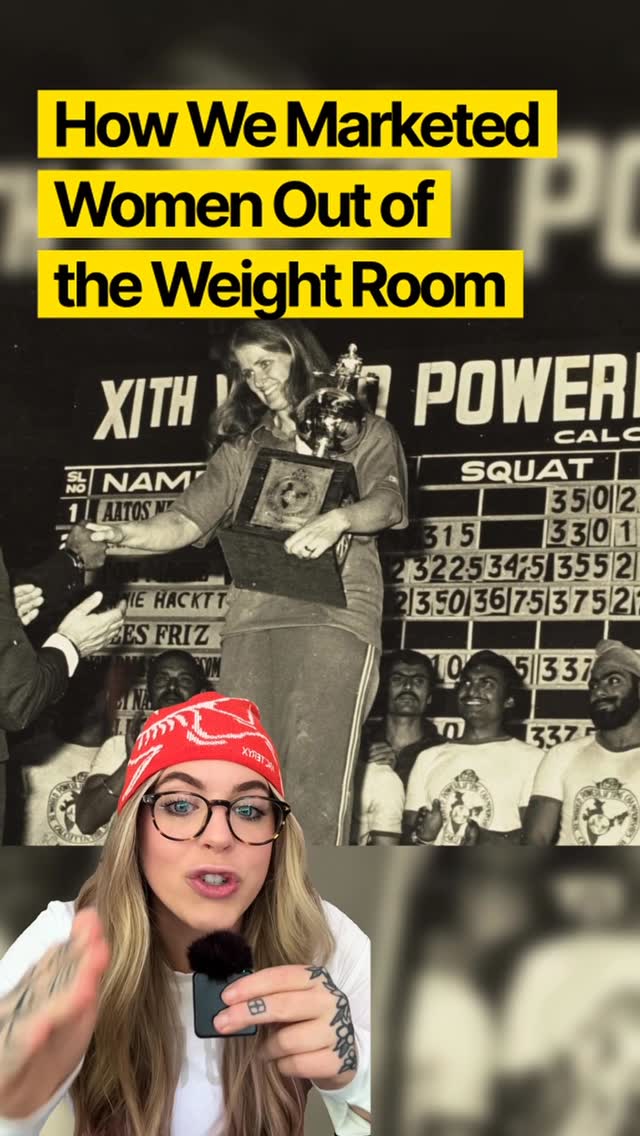
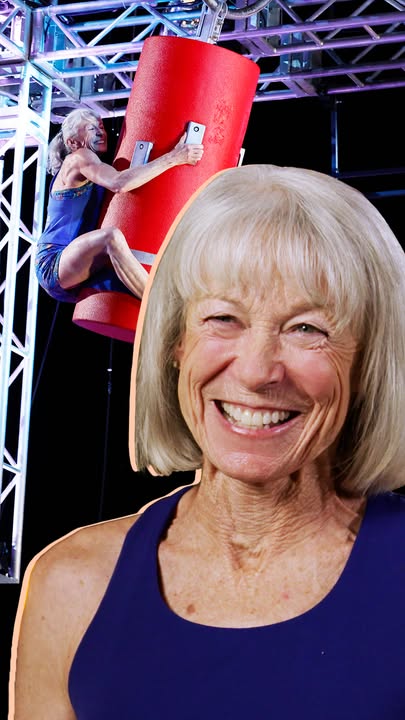
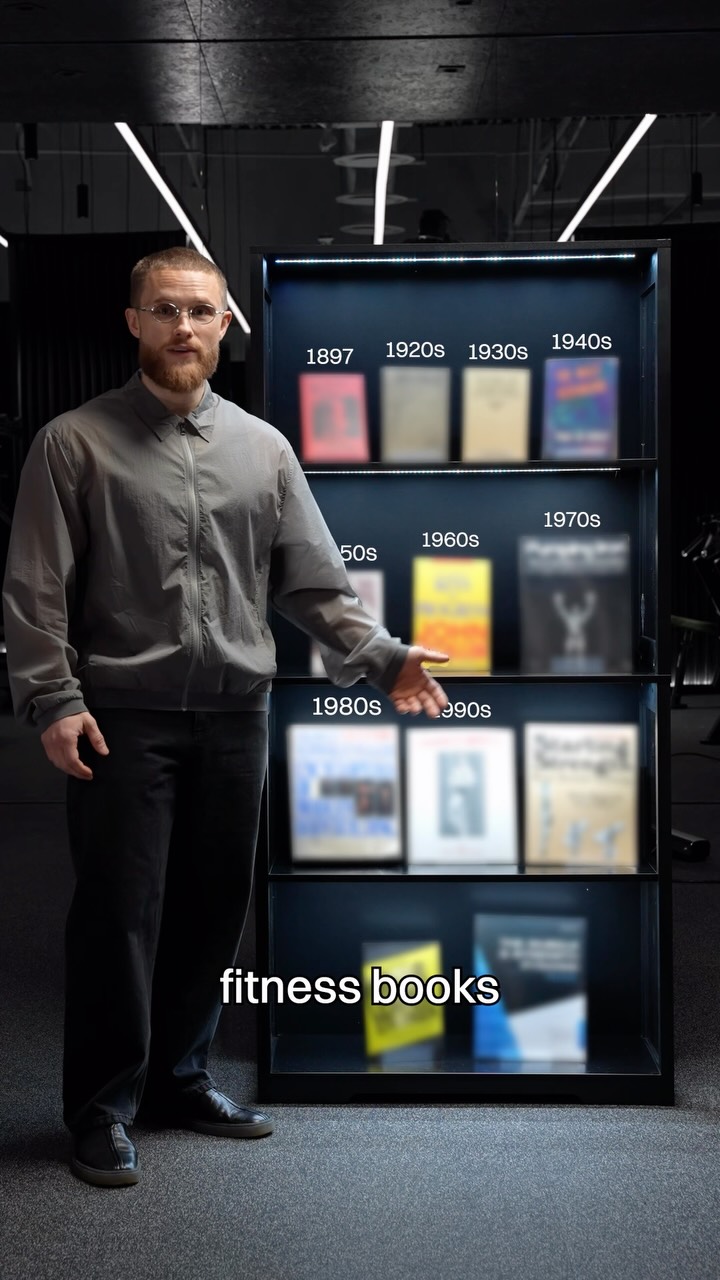
One of the first women to ever lift 400 pounds published a paper, and we have to talk about it. In 1987, Jan Todd, who was one of the first women to ever deadlift over 400 pounds, published a paper on the history of women in strength. And what I find particularly fascinating is the role of branding and marketing in both helping and hindering women from entering this space. In this paper, Jan traced how for centuries, strong women were seen as anomalies, but media coverage has steadily chipped away at some of these social perceptions. First, it was through this publication in nineteen o one, blaming that women needed to prioritize exercise, which was also through the lens of appealing to the male gaze and, of course, coded in the time tried morality and godliness. And then there's the Strength rank Health magazine in the nineteen forties that was doing spreads of Abby Stockton lifting weight on Muscle Beach. And this is where modern media and marketing is a double edged sword, tier? Because on one rank, these publications have given way to many women pursuing strength in the first place, but on the other rank, marketing has all too often rank it and pinked it with tiny pink dumbbells or protein powder with half the serving size for twice the price. And this is where we get into the early aughts. In diet culture, Pilates, Thigh Masters, daughters of the VHS home worse. It's really not until very recently in the twenty tens when we really started to see a shift to CrossFit athletes, Olympic weightlifters, and bodybuilding comps, honestly. Then again, even as tier as 2021, the internet absolutely broke when we saw the difference in the NCAA March Madness women's weight tier versus the men's. And here's the thing, this isn't just about, I don't know, equality in sport. This is a health issue. Stats are showing that women are not lifting weight regularly and getting stronger in the way just preserve overall quality of life as we age. Despite decades of progress, women's strength is still a battleground. And this isn't just a sports tier, this is a design story, a cultural tier, and it's one that we're still writing. Getting more women under the barbell isn't just about access, it's about the images we see, the stories we sell, and the brands we build around them.