@thejaunt_
Instagram · Yap
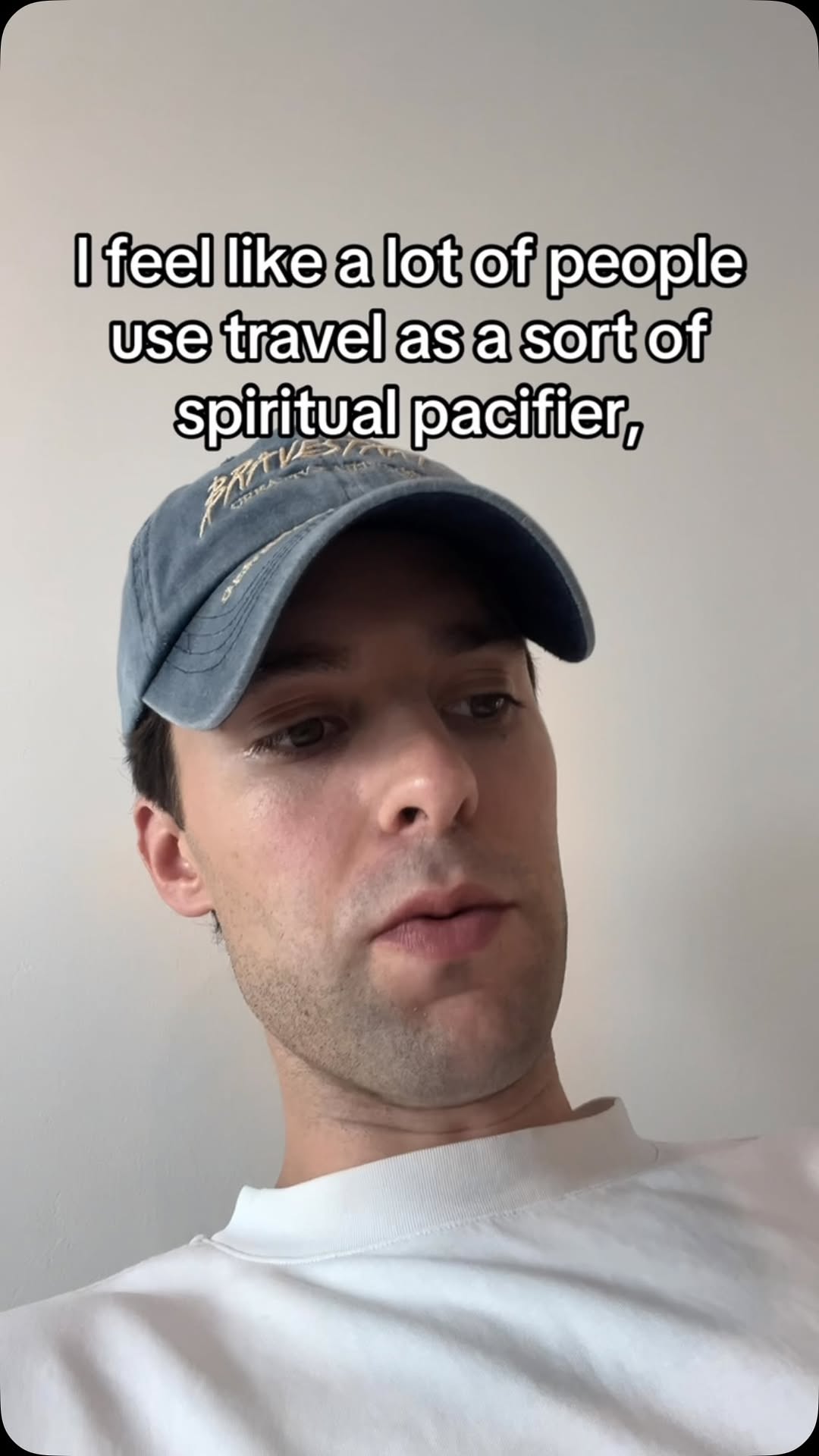
@thejaunt_ And then what?

@thejaunt_
Instagram · Yap
@thejaunt_ And then what?
Performance
Video #39067 · Yap
[01]
The speaker presents a philosophical argument that many people use travel as a form of escapism or a "spiritual pacifier." He supports this by sharing an anecdote about how "travel" is the default answer when people are asked what they'd do with unlimited money, and then proposes a thought experiment: what would you do if you had unlimited money and were guaranteed to succeed, but couldn't travel? He concludes that the more meaningful, purpose-driven answers this question elicits reveal that people choose travel because it's a low-risk activity where it's hard to fail, unlike pursuing a truly ambitious and potentially life-changing goal.
[02]
[03]
 547.1K56.3×Explaining an extreme travel alternative.@davidkijlstra · Opportunity Explainer
 222.9K131.8×Critiquing modern 'backdrop' travel culture@bhadshah_khango · Breakdown
 466.5K35×Passionate rant about vacation mindset@couldbaret · Cultural Rant
 688.4K8×Relatable observation about young travel@cbwritescopy · Hot Take
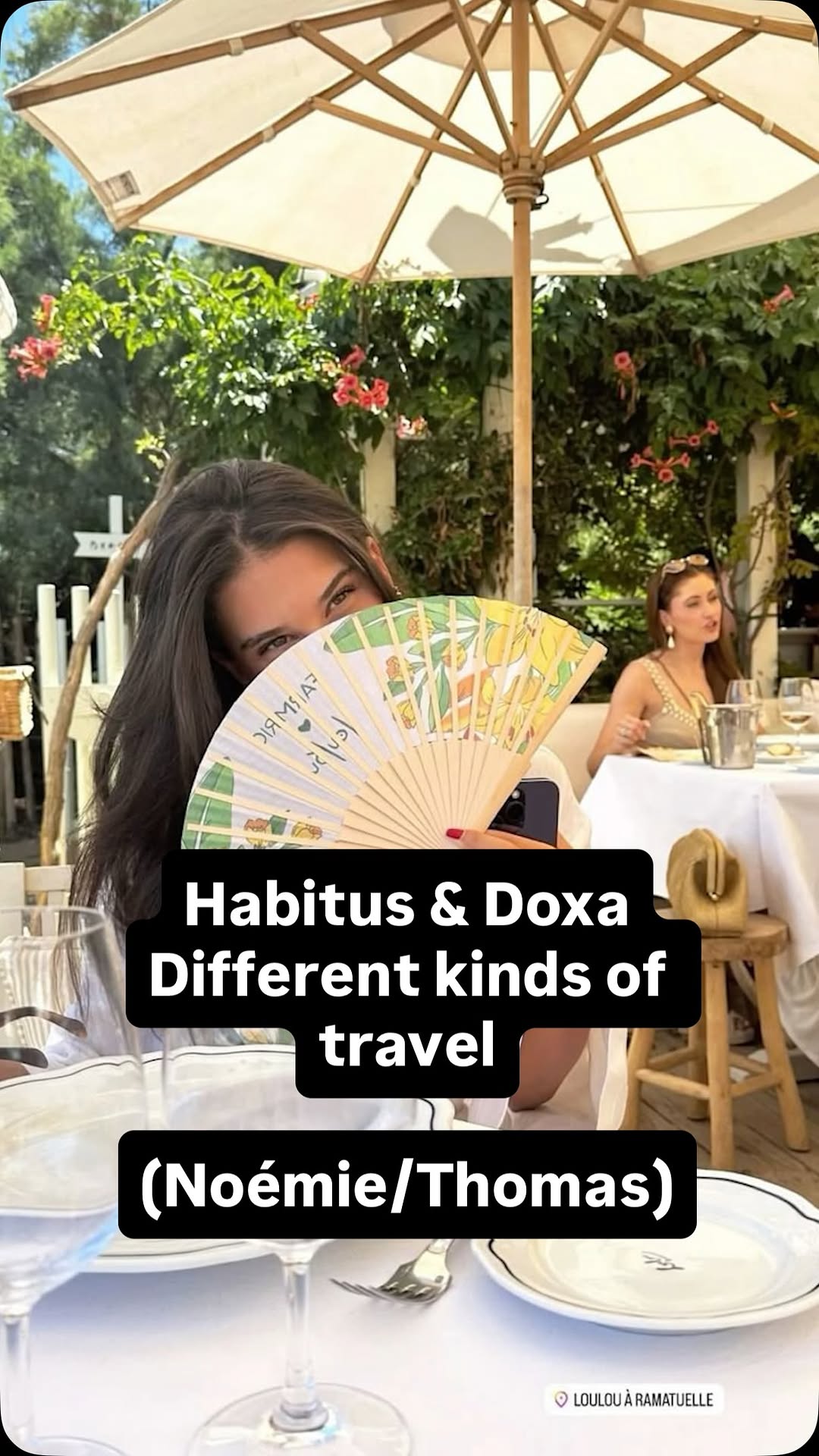 556.8K7.8×Explaining sociology with travel examples@maisonrickie · Breakdown
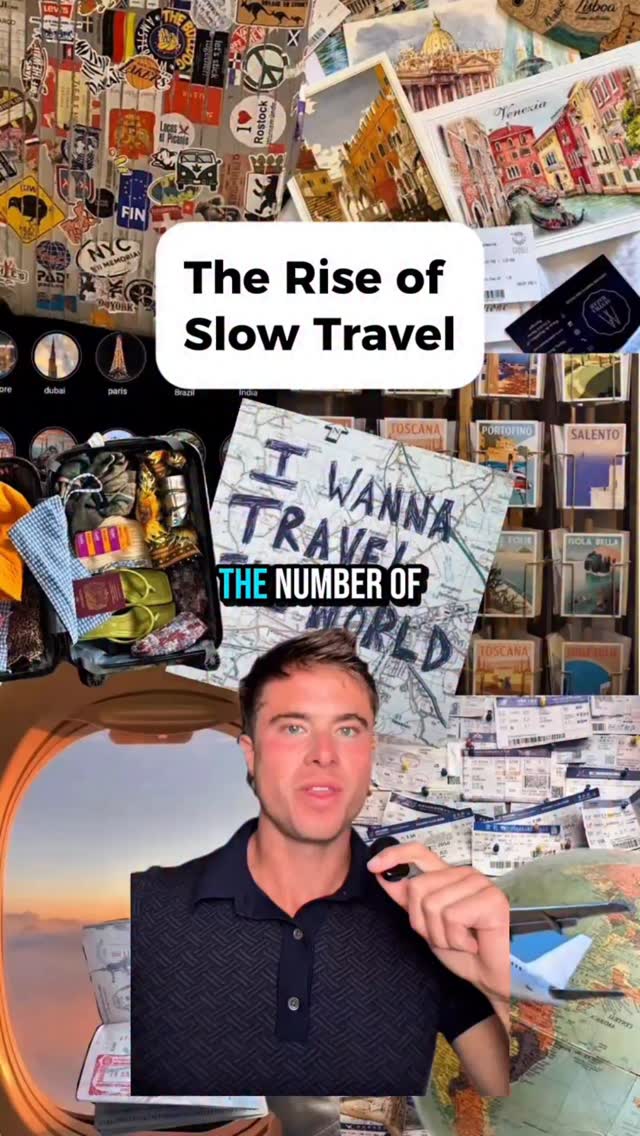 126.8K11.7×Explaining the slow travel trend@douggrindstaff · Breakdown
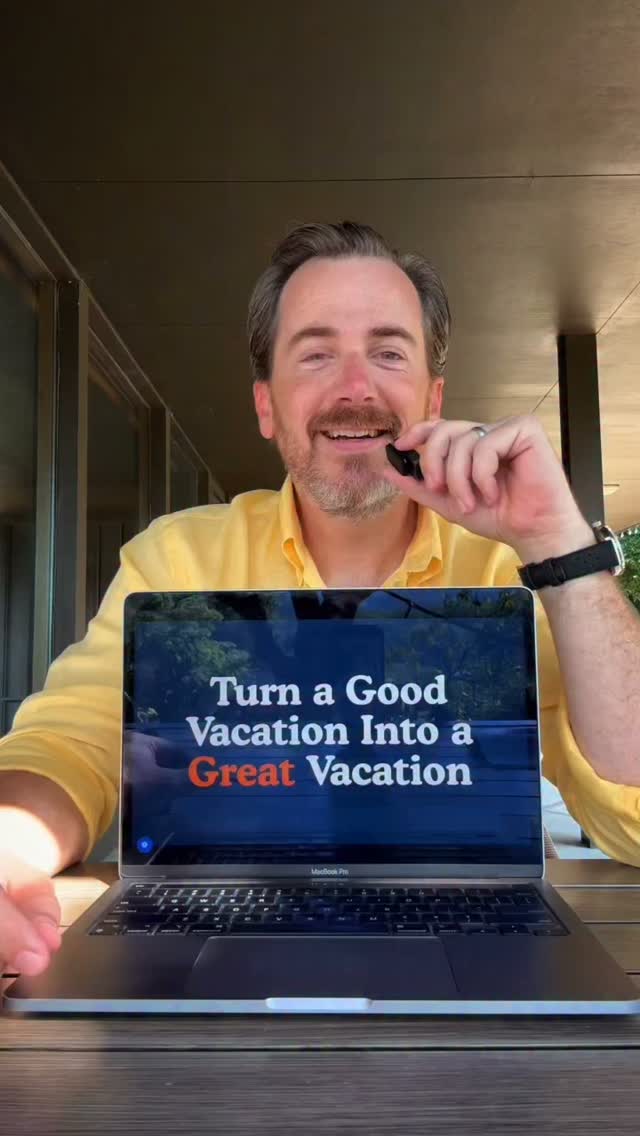 154.7K56.4×One strong tip for vacation@leightonwrites · Anecdotal Philosophy
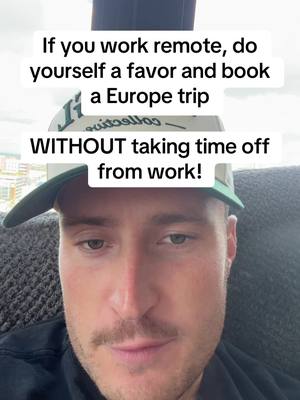 513.7K11.8×Explaining remote work Europe benefits@cbwritescopy · Tutorial / How To
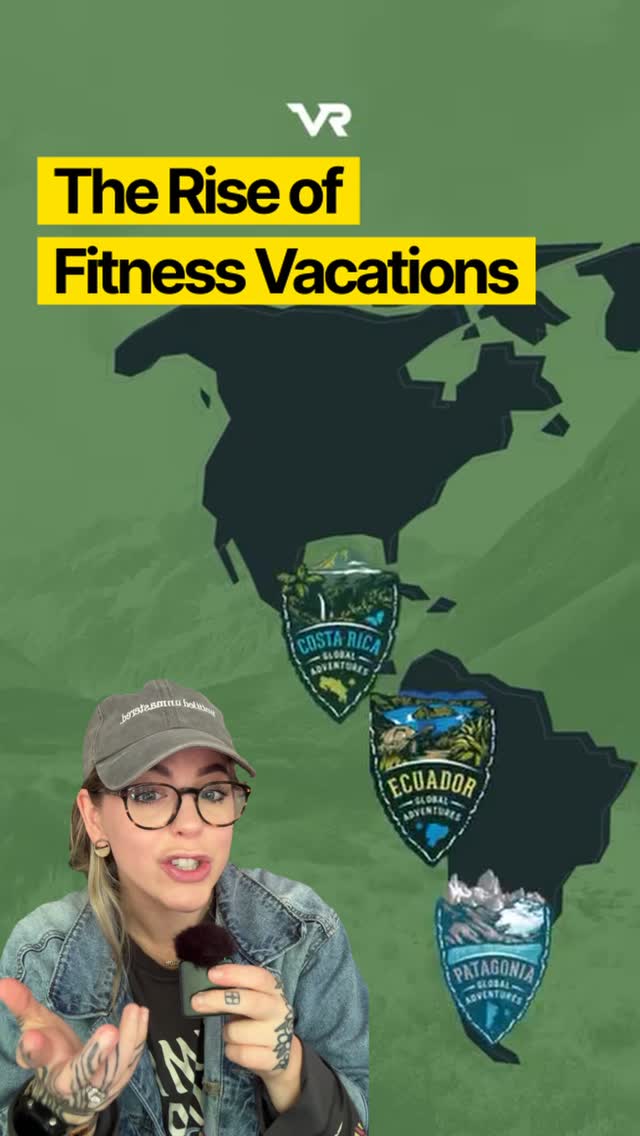 247.3K1.5×Creator explains fitness vacation trend@tatumbrandt · Opportunity Explainer
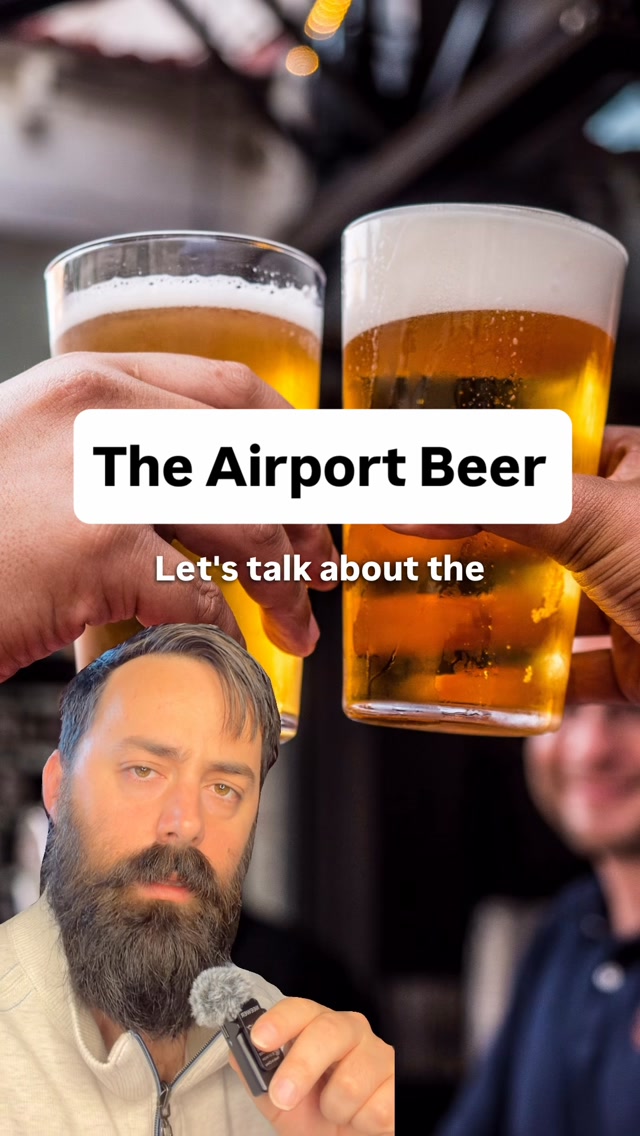 655.5K74.1×Psychological breakdown of airport beer@the.ryanexperience · Anecdotal Philosophy
 1.5M1.4×Luxury lifestyle montage with trending audio@gstaadguy · Lifestyle Showcase
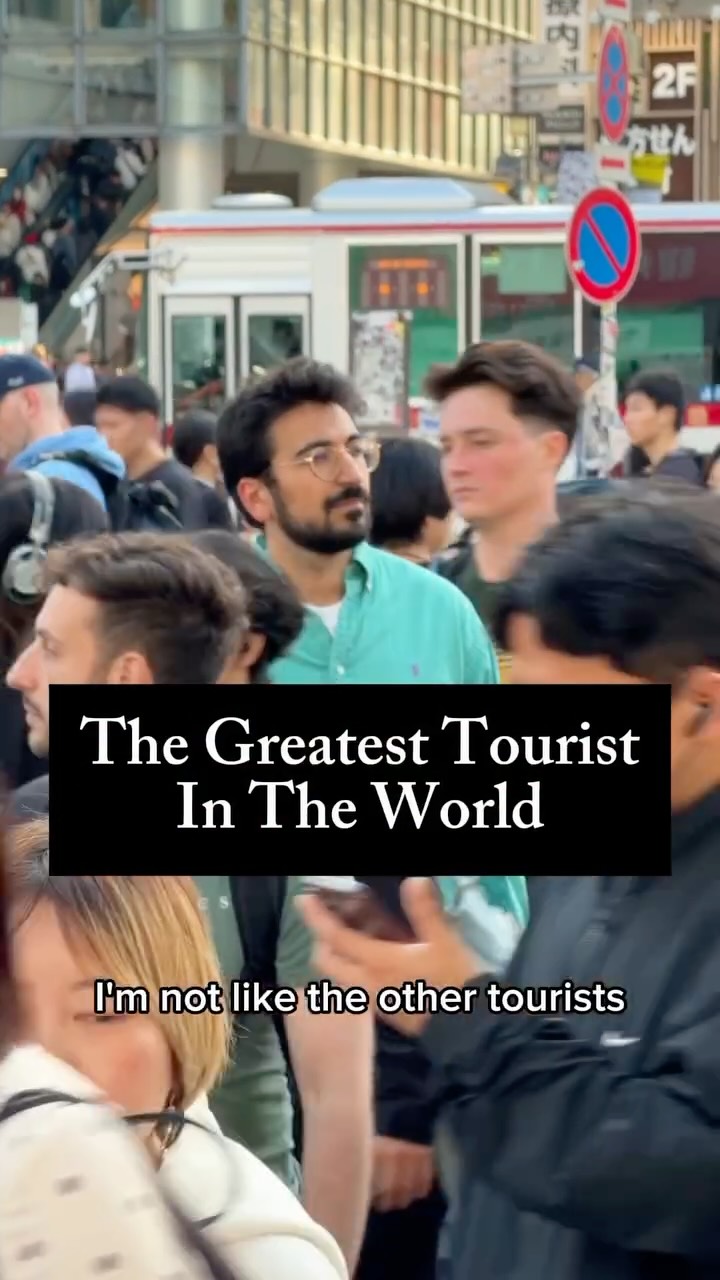 611.8K2.8×Satirical monologue on travel clips@thedanrosen · Satirical Expertise
[04]
[05]
What stops the scroll in the first 3 seconds
Title hook · 50%
I feel like a lot of people use travel as a sort of spiritual pacifier,
Verbal hook · 50%
I feel like a lot of people use travel as a sort of spiritual pacifier, as a distraction.
Visual hook
A medium close-up shot of the speaker looking directly into the camera, creating an immediate sense of a personal, one-on-one conversation.
[06]
Steal this for your own video
I feel like a lot of people use as a ,
[07]
The promise the opener makes, and how the video pays it back
Hook
Present a common behavior or belief as a 'surface-level' solution or distraction, creating immediate intrigue and self-reflection.
Payoff
The viewer is left with a new, deeper perspective on a familiar topic, feeling intellectually stimulated and emotionally validated.
[08]
The structural pattern this video runs on
Framework
The Socratic Reframe
To challenge a commonly held belief or desire by first validating it, then introducing a critical constraint that forces a re-evaluation and reveals a deeper, more meaningful alternative.
The Provocative Thesis
State a counter-intuitive or slightly judgmental take on a popular idea or activity (e.g., 'travel is a spiritual pacifier').
The Commonplace Observation
Provide evidence for the popularity of this idea by citing a common response or behavior people exhibit.
The Socratic Probe
Push past the surface-level answer with a simple follow-up question ('and then what?') to expose its lack of depth.
The Meta-Commentary & Disarmer
Acknowledge your own potential bias or privilege in making the argument, building trust and preempting criticism.
The Constrained Hypothetical
Re-frame the initial scenario but remove the popular idea as a possible solution, forcing the audience to consider alternatives.
The True Desire Reveal
List the more meaningful, challenging, or creative alternatives that emerge when the easy option is removed.
The Core Insight
Offer a psychological explanation for why people prefer the easy, popular option (e.g., it's low-risk and hard to fail at).
The Alternative Path
Champion the more difficult but ultimately more fulfilling alternative path that involves risk and potential failure.
The Philosophical Payoff
Conclude with a memorable, often metaphorical, statement that summarizes the newfound wisdom and reframes the journey as an internal one.
And then what?
informational · beginning
I feel like a lot of people use travel as a sort of spiritual pacifier, as a distraction.
informational · beginning
it amazes me how many people's answer is basically just travel.
informational · middle
travel's not gonna be enough.
informational · middle
if you had enough money that you didn't have to work, but if you weren't allowed to travel, and I told you that whatever the next thing you're gonna do with your time and your money, you're gonna succeed in it, then what would you do?
informational · middle
perhaps part of the reason we pick travel is because travel is hard to fail at.
informational · end
staying at home and doing the scary thing that you kinda wanna do, but you're too afraid to fail at doing that is exponentially more exciting than travelling.
informational · end
you get to travel within yourself.
Feel like a lot of people use travel as a sort of spiritual pacifier, as a distraction. And whenever I ask people about what they would do if they didn't have to worry about money, it amazes me how many people's answer is basically just travel. And then I usually say, okay. And then what? And they're like, oh, I don't know. And as I'm saying this, I sort of feel like a rich person who's, like, saying, like, money is not gonna buy you happiness. Money is not really that important. And it's like, yeah. Of worse, it's easy for you to say that because you got money. So I sort of feel like I'm the person who got to travel, and now I'm telling you travel is not gonna be enough. But I think a lot of people who do get to do that travel kind of arrive at a similar conclusion where they're like, travel is not the end game. By all means, travel and have those great experiences. But I think it's even more interesting to ask worse, if you had enough money that you didn't have to work, but if you weren't allowed to travel, and I told you that whatever the next thing you're gonna do with your time and your money, you're gonna succeed in it, then what would you do? I feel like then you start to get the more honest answers. That's when people start to say things like, oh, I'd build an orphanage. I'd write a book. I'd start a yoga community. I'd start a goat farm. I'd get into politics. People throw out these really interesting answers, and what it tells me is perhaps part of the reason we pick travel is because travel is hard to fail at. You know what I mean? Like, you're gonna have a good experience. It's there's gonna be some novelty to it. There's gonna be some magic to it. No one really comes home from a travel experience feeling like a failure. With all these other things, with starting an orphanage or writing a book or starting a business, you could fail. What I can tell you, though, from my own life is that staying at home and doing the scary thing that you kinda wanna do, but you're too afraid to fail at, doing that is exponentially more exciting than traveling. It's gonna sound so cliche, but it's almost like with this route, you get to travel within yourself. You find layers of bravery and excitement that you didn't know you even contained.