@jefferson_fisher
Instagram · Clip

@jefferson_fisher Removing these words will make you sound a lot more assertive. From my pod episode with @emmagrede

@jefferson_fisher
Instagram · Clip
@jefferson_fisher Removing these words will make you sound a lot more assertive. From my pod episode with @emmagrede
Performance
Video #39697 · Clip
[01]
The speaker provides three specific tips to sound more assertive in communication. He advises eliminating over-apologies, avoiding self-undercutting phrases, and removing filler adverbs like 'just' and 'so,' concluding with a direct comparison to illustrate the impact of these changes.
[02]
[03]
 660.5KPhilosophical monologue over aesthetic B-roll@gracebeverley · Vulnerable Monologue
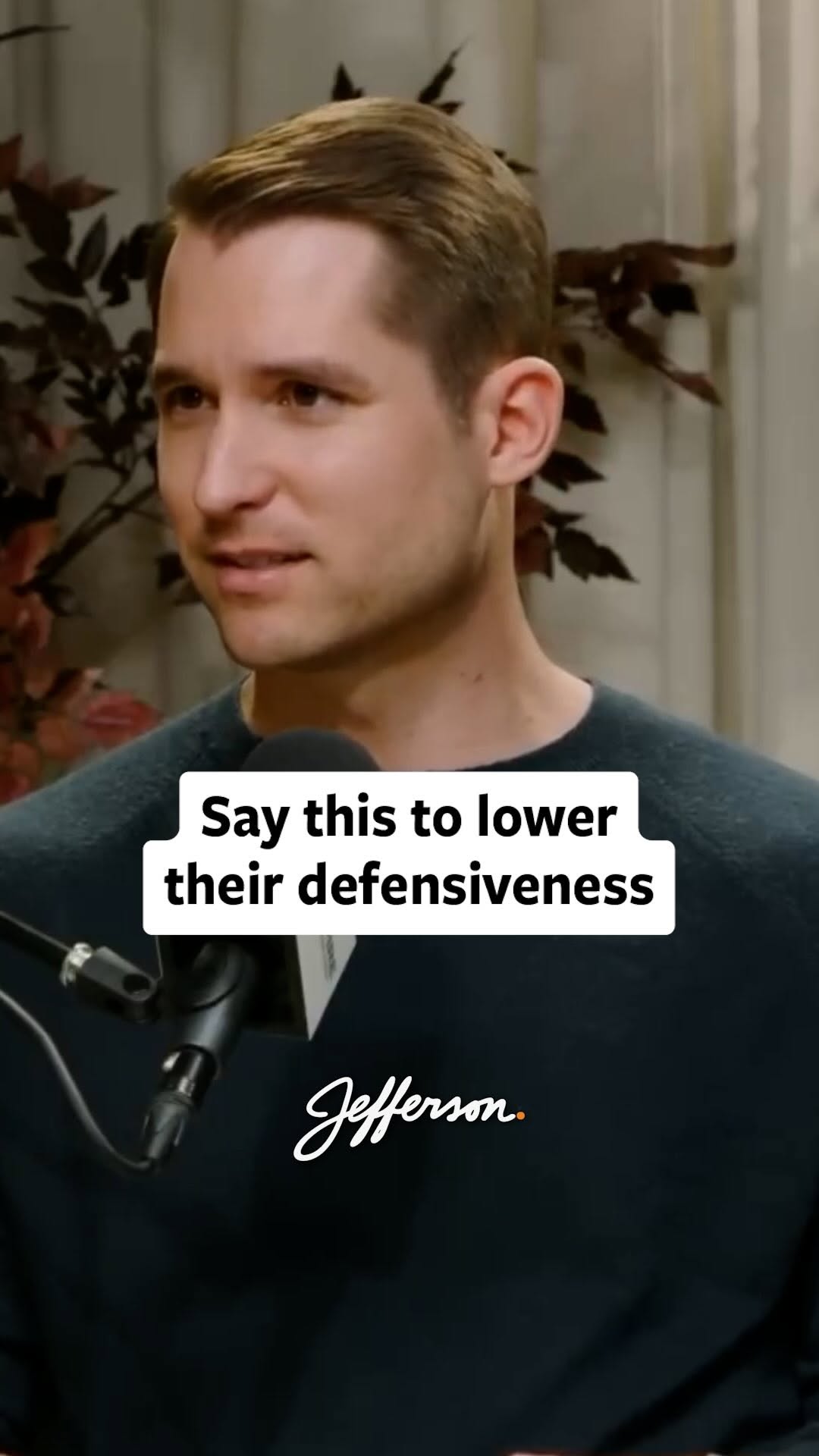 675.4K41.2×Communication tip using vulnerability.@jefferson_fisher · Breakdown
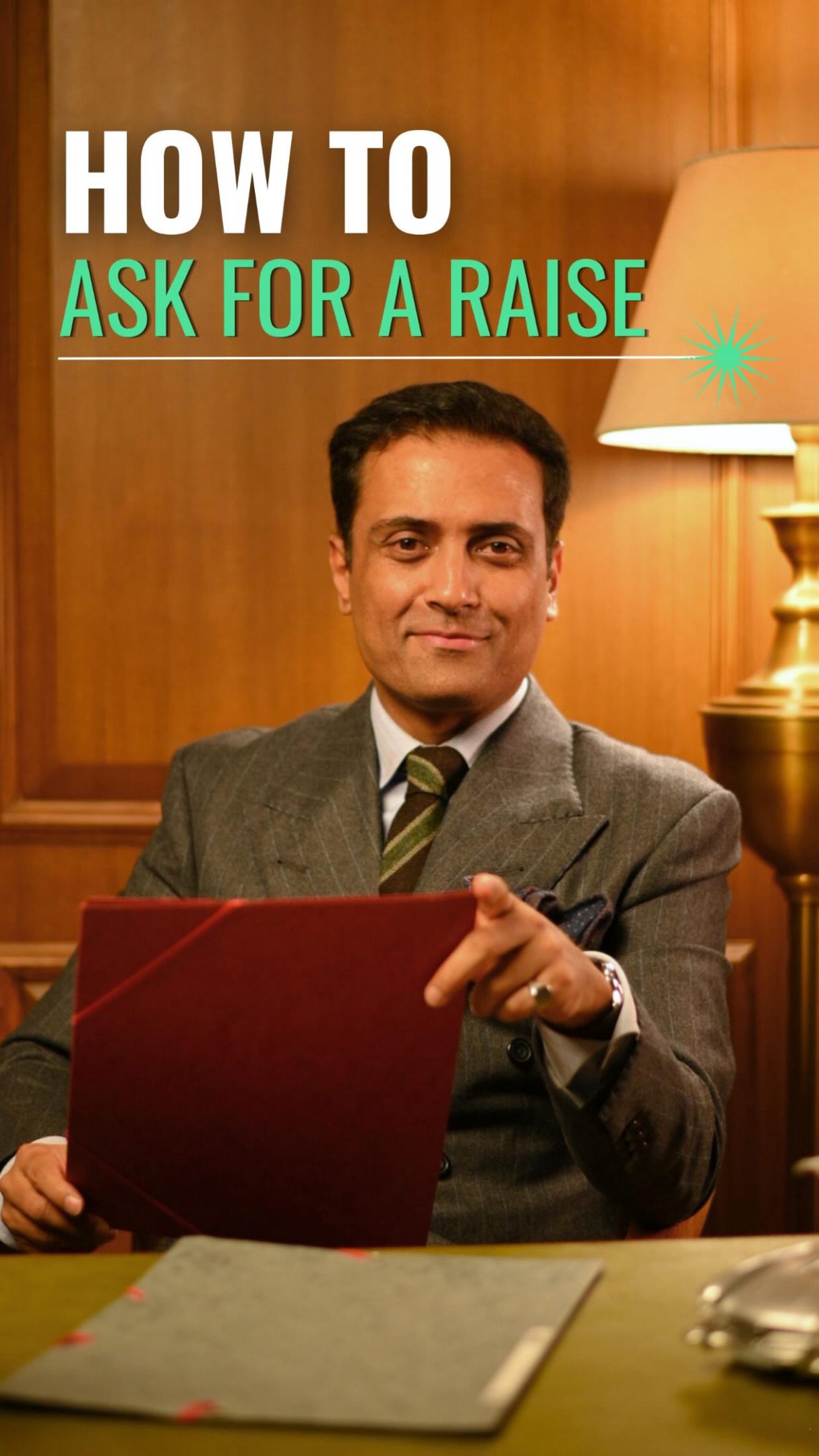 1.5M44.4×Expert guide on asking for a raise@professorpanache · Tutorial / How To
 1.5M5.3×Personal story teaches relationship framework@bradjcho · Vulnerable Monologue
 1.1MAdvice on trusting actions over words@gstaadguy · Motivational Mantra
 593.4K10.5×Monologue on people-pleasing consequences@charlie · Vulnerable Monologue
 1.3M17.9×Stitched video sparks relationship rant@devin.the.one · Cultural Rant
 1M12.5×Defining a genuine, non-bullshit apology@nycdivorcelawyer · Breakdown
 3M38.5×Decline drink like a gentleman@professorpanache
 445.7K2.8×Expert debunks bad relationship advice@nycdivorcelawyer · Reaction
 102.3KLead with empathy, not logic@eloisegagnon_strategist · Good vs Bad
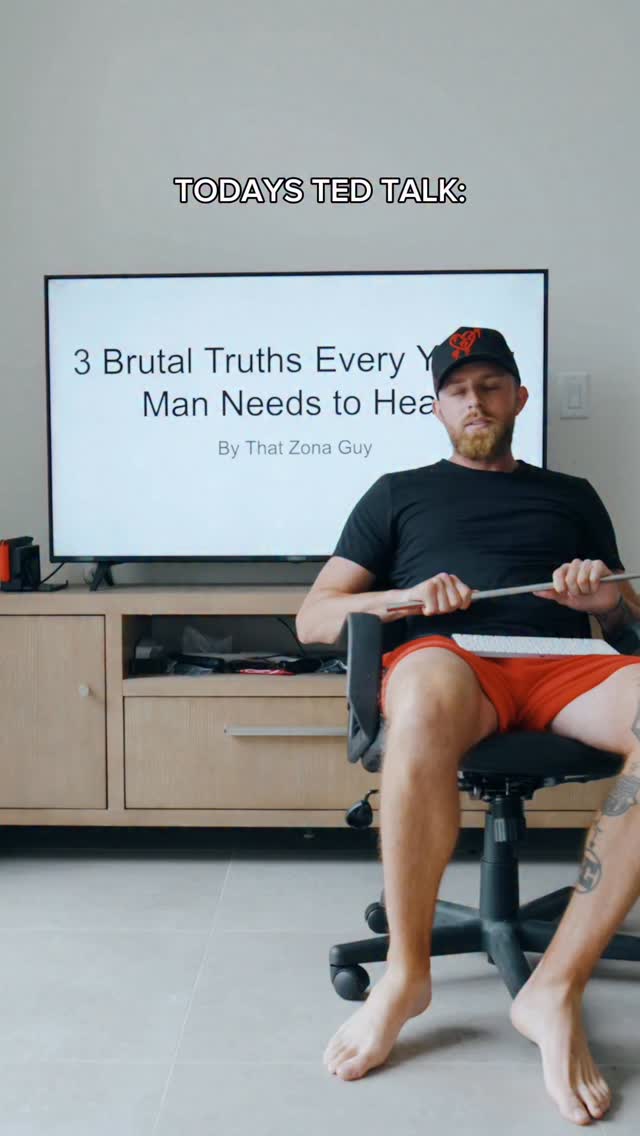 273.6K3.9×TED Talk style life advice@thatzonaguy · Breakdown
[04]
[05]
What stops the scroll in the first 3 seconds
Title hook · 65%
These words make your arguments weaker
Verbal hook · 30%
If you want to sound more assertive in any given situation, number one...
Visual hook · 5%
A medium close-up of a man in a professionally lit studio setting, speaking directly and engagingly to the camera.
[06]
Steal this for your own video
These words are making your weaker
[07]
The promise the opener makes, and how the video pays it back
Hook
A bold, negative-framed statement presented as on-screen text ('These words make your arguments weaker') that promises to solve a common but often unnoticed problem.
Payoff
The A/B Showdown: The video concludes with a direct, side-by-side comparison of a weak statement (using a filler word) versus a strong, assertive statement (without it), making the lesson tangible and immediately actionable for the viewer.
[08]
The structural pattern this video runs on
Framework
The Elimination List Framework
To achieve a desirable trait (assertiveness), the speaker identifies and deconstructs three categories of common linguistic habits that undermine it, culminating in a direct before-and-after comparison.
The First Offense: Over-Apologies
Identifies the most common and relatable category of error. The speaker defines the mistake, provides a specific example, and explains the negative psychological impact it has on one's self-worth.
The Second Offense: Self-Undercutting
Introduces a more nuanced category of error that diminishes authority. The speaker provides multiple examples of qualifying phrases that signal a lack of confidence.
The Final Offense: Filler Adverbs
Pinpoints a very specific grammatical error, identifying common filler words that dilute the directness of a statement.
The Contextual Qualifier
Adds credibility by specifying the context where this advice is most critical (e.g., a professional meeting) versus where it is less important (e.g., casual conversation), preempting potential objections.
Removing these words will make you sound a lot more assertive. From my pod episode with @emmagrede
title · beginning
These words make your arguments weaker
branding · throughout
Jefferson.
You wanna sound more assertive in any given situation, number one, we want to eliminate the over apologies. That's where you say I'm sorry and better other sentence. We say, hey. I I'm so sorry. Real quick. Whenever you eliminate the over apologies, it's that idea of your self worth is not tied to how little of an inconvenience you can be with someone. Second of all, if you wanna have more assertive voice is to stop undercutting your words as in, I hate to bother you, but or I could be wrong about this, or you probably know better than me. The last being the adverbs. We always say best, so, or literally. And then it's just me and you, no problem. Mhmm. If we're in just, casual conversation. But if you need to be assertive in a meeting, it's best not to lead with the actually so best. I mean, you can hear the difference of, hey. I I just wanted to check-in with you worse the I wanted to check-in with you.