Viral Hooks
Trending short videosBrand history and business lessons
R

@rony

Instagram · Talking Head Edit
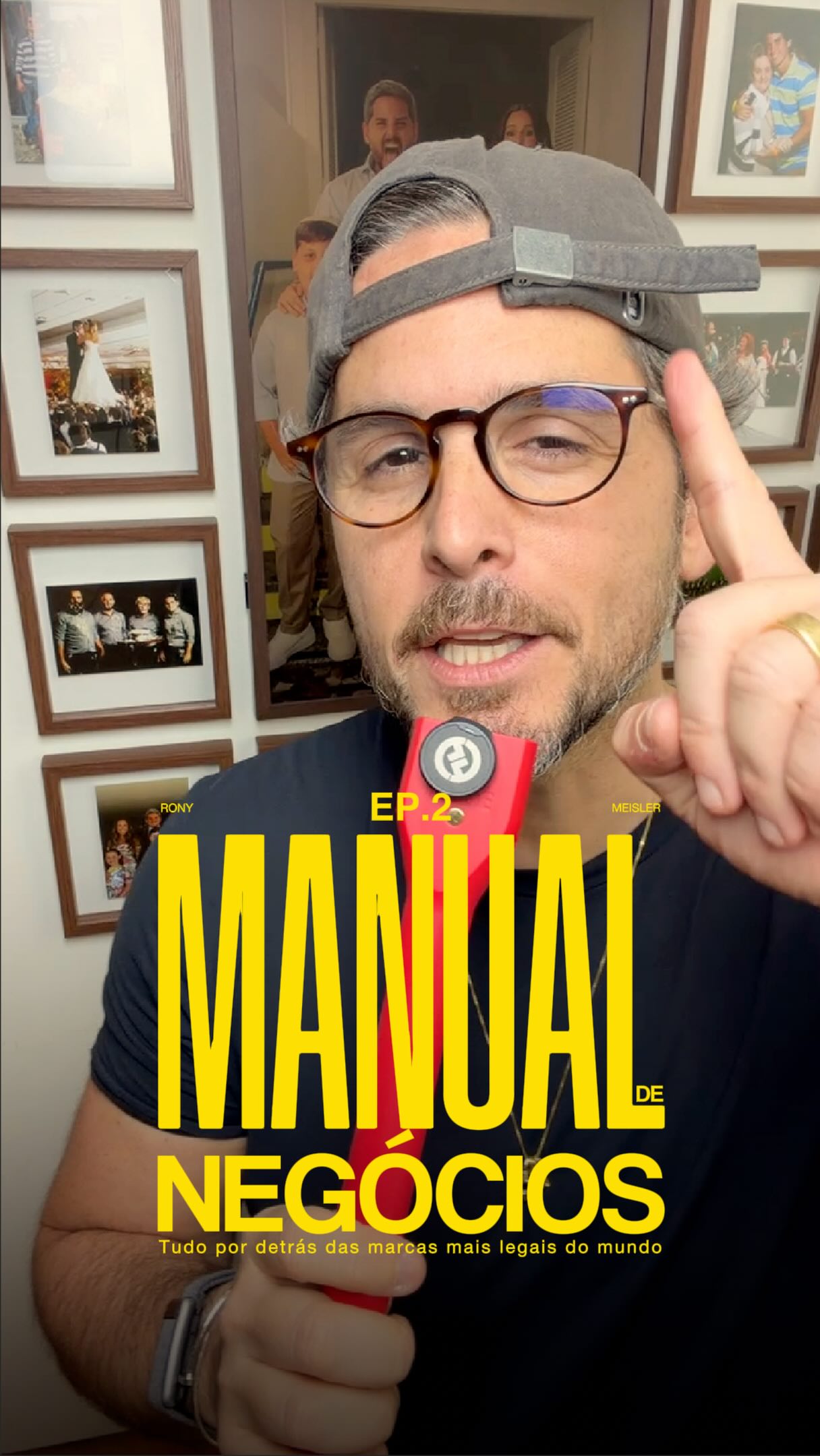
@rony Manual de negócios EP.2 - @onitsukatigerofficial Uma marca que nasceu para tirar crianças do crime acabou ensinando uma das maiores lições de negócios do mundo. A história da Onitsuka Tiger começa no Japão pós-guerra, quando Kihachiro Onitsuka percebeu que o esporte poderia mudar a vida de crianças que estavam entrando para o crime. Sem experiência na fabricação de sapatos, ele começou fazendo o simples — e acabou criando uma marca que influenciaria até a história da Nike. Neste episódio, destrinchamos 4 princípios por trás do negócio: 1. Resolva um problema real Onitsuka não começou tentando descobrir qual produto vender. Ele encontrou um problema: corredores sofriam com bolhas nos pés. A solução veio de uma ideia simples e brilhante: criar microfuros no tênis para melhorar a circulação de ar. 2. Comece pelo propósito A empresa nasceu de uma missão maior do que vender tênis: usar o esporte para transformar a vida de crianças no Japão pós-guerra. Quando existe um motivo claro para o produto existir, vender deixa de ser o único objetivo. 3. Venda o propósito, não o produto A Onitsuka praticamente não trabalha com descontos agressivos. A lógica é simples: quem vende produto precisa competir por preço. Quem vende o propósito pelo qual aquele produto existe, constrói valor de outra forma. 4. Não tenha medo de perder parceiros A história da Onitsuka com Phil Knight, futuro fundador da Nike, mostra que até grandes parcerias podem chegar ao fim. A Tiger decidiu não renovar o contrato por discordar das políticas comerciais de Knight — e ele acabou criando uma das maiores concorrentes da história. No fim, a história da Onitsuka Tiger mostra que grandes negócios não começam necessariamente com uma grande ideia. Às vezes, começam encontrando um problema real e tentando resolvê-lo melhor que todo mundo.

View original on Instagram

The edit1 shot · 7 text
Shots Text2:58

Performance

Views
840.5K
Likes
74K
Comments
10.5K
Engagement
10.1%
Outlier
8.8×
Length · 27 Aug 2026
2:58

Video #40385 · Talking Head Edit

Brand history and business lessonsfrom @rony

[01]

Overview

The creator tells the origin story of the Onitsuka Tiger shoe brand, explaining how its founder, Kihachiro Onitsuka, started the company in post-war Japan with the mission of using sports to save orphaned children from a life of crime. He details the founder's personal history, the inspiration behind the brand's philosophy ("Anima Sana In Corpore Sano"), and frames the story as the second episode of his "Manual de Negócios" series, designed to teach business lessons.

[02]

Simple outline

  1. 1State shocking product/origin contrast
  2. 2Reveal founder's personal motivation
  3. 3Define the societal problem solved
  4. 4Share the 'aha' moment of inspiration
  5. 5Link inspiration to business launch

[03]

Related videos

[04]

Classification

Concepts
Origin StoryCase Study Breakdown
Elements
Archival FootageB-Roll CutawayText OverlaySplit Screen

[05]

Hook analysis

What stops the scroll in the first 3 seconds

Verbal hook · 55%

Ó, esse tênis aqui, ó, no pé das pessoas mais estilosas do mundo, nasceu pra tirar crianças do crime no Japão pós-guerra.

Visual hook · 45%

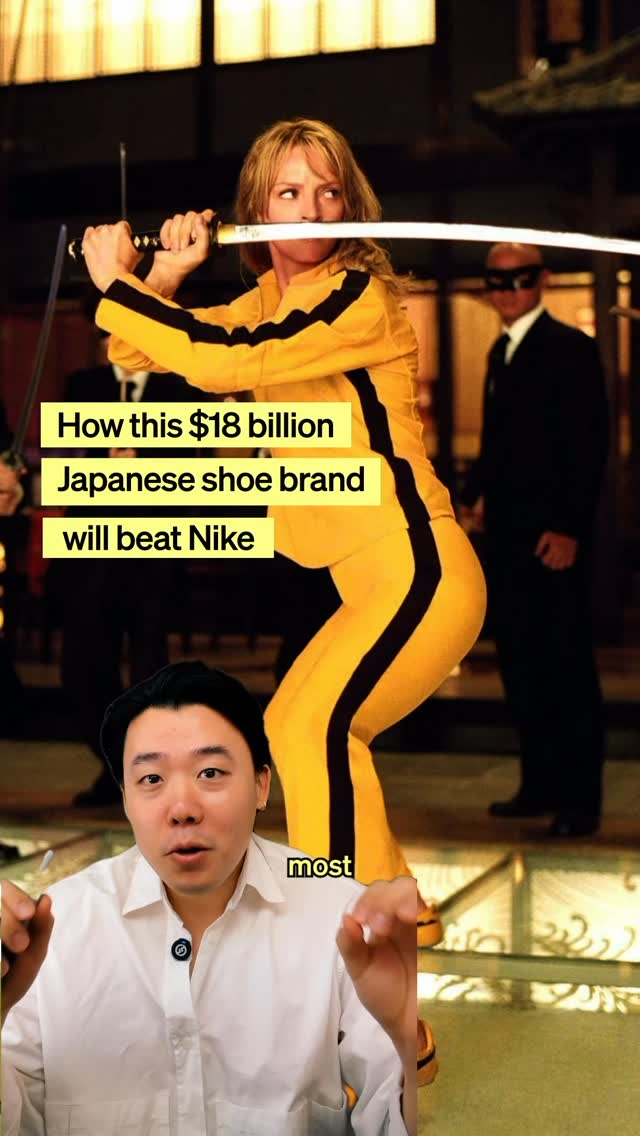
Split screen format showing a speaker on the bottom and a rapid montage of people wearing bright yellow sneakers on top, creating immediate visual contrast and movement.

[06]

Hook template

Steal this for your own video

The [iconic product] worn by the world's most [aspirational identity] was actually created to [unexpected original mission].

  • — The sneaker worn by the world's most stylish people was actually created to keep orphaned kids off the streets in post-war Japan.
  • — The energy drink consumed by the world's most elite athletes was actually created to help jet-lagged truck drivers stay awake on highways.
  • — The handbag carried by the world's most powerful women was actually created as cheap luggage for traveling salesmen in rural France.

[07]

Hook and payoff

The promise the opener makes, and how the video pays it back

Hook

The Counter-Intuitive Hook: Juxtaposes the familiar, modern product with a shocking and unexpected origin story and a powerful business metric, creating an immediate knowledge gap that compels the viewer to continue watching to find the connection.

Payoff

The Genesis Connection: The narrative culminates by directly linking the founder's inspiration (the catalyst) to the creation of the business, providing a clear and satisfying resolution to the story's central question: 'How did this begin?'

[08]

Narrative framework

The structural pattern this video runs on

Framework

The Purpose-Driven Origin Story

To tell the compelling, often unknown, origin story of a brand or product, framing it as a lesson in success. The narrative connects a modern, successful entity to a deeply personal and purpose-driven founding moment, creating emotional investment and brand affinity.

  1. 1

    The Identity Mystery

    Introduces a surprising, little-known fact about the founder or brand's identity, adding a layer of intrigue beyond the initial hook.

  2. 2

    The Viewer's Stake

    Explicitly frames the story as a 'manual' or a set of lessons, giving the viewer a direct, self-interested reason to pay attention to the narrative that follows.

  3. 3

    The Emotional Anchor

    Reveals the deeply personal, honor-bound motivation behind the founder's journey, often rooted in a promise, a loss, or a core value. This builds character and empathy.

  4. 4

    The Noble Cause

    Broadens the focus from the personal to a larger societal problem that the founder felt compelled to solve. This establishes the 'why' and elevates the business beyond mere commerce.

  5. 5

    The Catalyst Moment

    Depicts the key moment of inspiration or the piece of wisdom that provided the founder with the specific path forward to solve the problem.

Themes

  • Purpose-driven business
  • Brand Storytelling
  • History
  • Social Impact

Techniques

  • Split Screen
  • Archival Footage
  • Storytelling

Trends

  • Business Storytelling

Post caption

Manual de negócios EP.2 - @onitsukatigerofficial Uma marca que nasceu para tirar crianças do crime acabou ensinando uma das maiores lições de negócios do mundo. A história da Onitsuka Tiger começa no Japão pós-guerra, quando Kihachiro Onitsuka percebeu que o esporte poderia mudar a vida de crianças que estavam entrando para o crime. Sem experiência na fabricação de sapatos, ele começou fazendo o simples — e acabou criando uma marca que influenciaria até a história da Nike. Neste episódio, destrinchamos 4 princípios por trás do negócio: 1. Resolva um problema real Onitsuka não começou tentando descobrir qual produto vender. Ele encontrou um problema: corredores sofriam com bolhas nos pés. A solução veio de uma ideia simples e brilhante: criar microfuros no tênis para melhorar a circulação de ar. 2. Comece pelo propósito A empresa nasceu de uma missão maior do que vender tênis: usar o esporte para transformar a vida de crianças no Japão pós-guerra. Quando existe um motivo claro para o produto existir, vender deixa de ser o único objetivo. 3. Venda o propósito, não o produto A Onitsuka praticamente não trabalha com descontos agressivos. A lógica é simples: quem vende produto precisa competir por preço. Quem vende o propósito pelo qual aquele produto existe, constrói valor de outra forma. 4. Não tenha medo de perder parceiros A história da Onitsuka com Phil Knight, futuro fundador da Nike, mostra que até grandes parcerias podem chegar ao fim. A Tiger decidiu não renovar o contrato por discordar das políticas comerciais de Knight — e ele acabou criando uma das maiores concorrentes da história. No fim, a história da Onitsuka Tiger mostra que grandes negócios não começam necessariamente com uma grande ideia. Às vezes, começam encontrando um problema real e tentando resolvê-lo melhor que todo mundo.

Text overlays

  • contextual · beginning

    Nasceu do crime

  • informational · beginning

    5 vezes mais margem de lucro do que a Nike.

  • branding · beginning

    DA ONITSUKA TIGER

  • title · beginning

    MANUAL DE NEGÓCIOS EP. 2 Tudo por detrás das marcas mais legais do m.

  • contextual · middle

    ONITSUKA

  • informational · middle

    ANIMA SANA IN CORPORE SANO

  • informational · middle

    EM CORPO SÃO

Brand history and business lessons | Viral Hooks