@_glassmuseum
Instagram · Talking Head Edit

@_glassmuseum I’m rewatching bojack horseman and I have many thoughts… #bojackhorseman #analysis #media #hollywood #marxism

@_glassmuseum
Instagram · Talking Head Edit
@_glassmuseum I’m rewatching bojack horseman and I have many thoughts… #bojackhorseman #analysis #media #hollywood #marxism
Performance
Video #42755 · Talking Head Edit
[01]
The creator analyzes why many famous people are perceived as evil, arguing that the system of fame itself rewards negative traits. She uses the show 'Bojack Horseman' as a case study, applying a materialist critique to demonstrate how the show's 'Hollywoo' setting is a microcosm of a capitalist system that creates and incentivizes selfish individuals like the protagonist.
[02]
[03]
 200.4K4.3×Bojack Horseman media analysis@glass__museum · Breakdown
 160.1K4.4×Creator rants about tech culture@morganhoong · Cultural Rant
 8.1M481.1×Critiquing optimization culture with evidence@shwinnabegobrand · Cultural Rant
 208.8K12×Rant on media literacy irony@womp_tomp · Cultural Rant
 295.8K81.5×Analyzing social media performance archetypes@theoparisi__ · Breakdown
 84K1.4×Philosophical argument against pursuing happiness@glass__museum · Breakdown
 1.6M8.7×Raw monologue on internet culture@paigelorenze · Vulnerable Monologue
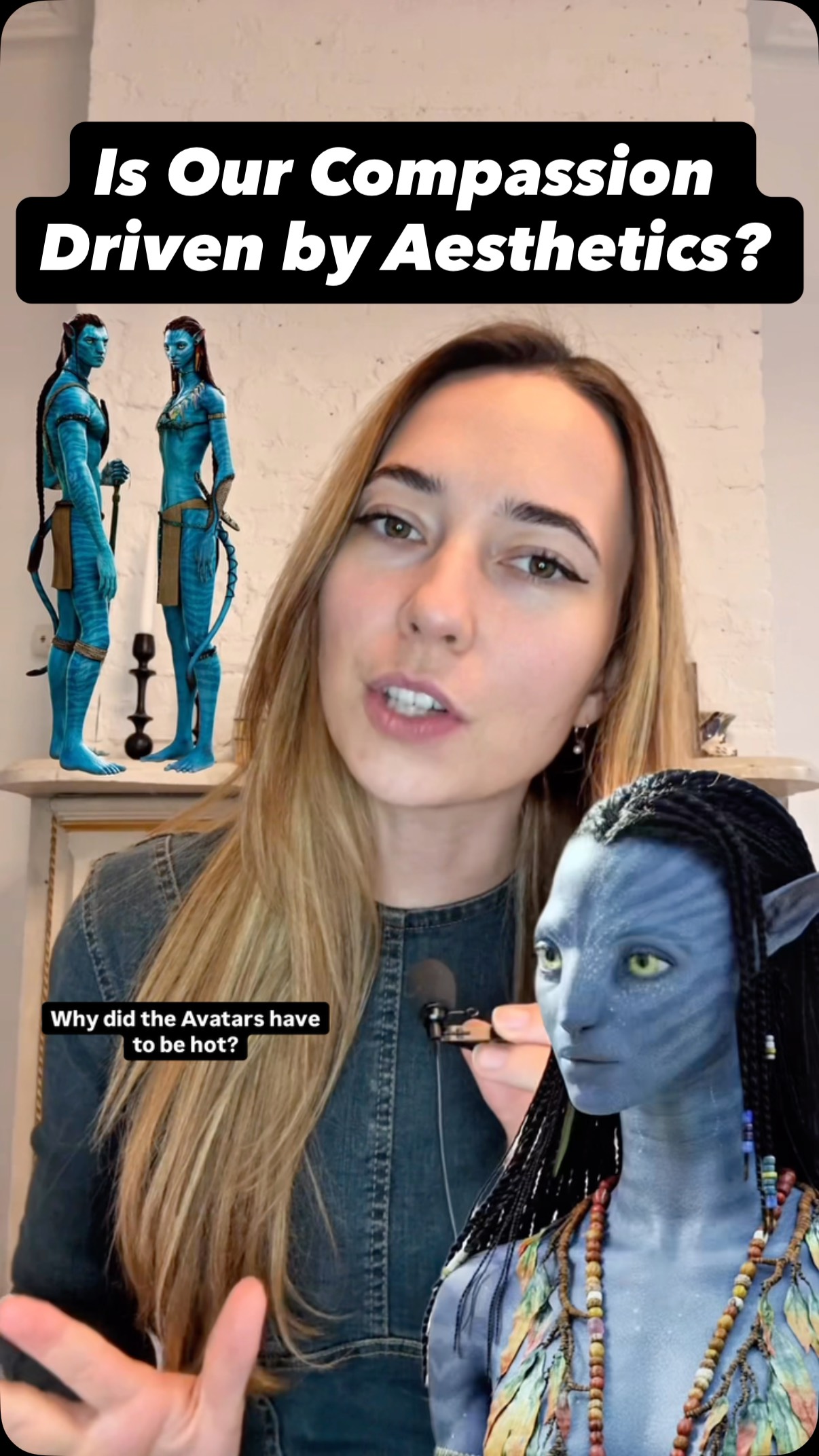 3.4M24.1×Analyzing how aesthetics drive compassion@internet.anthropology · Breakdown
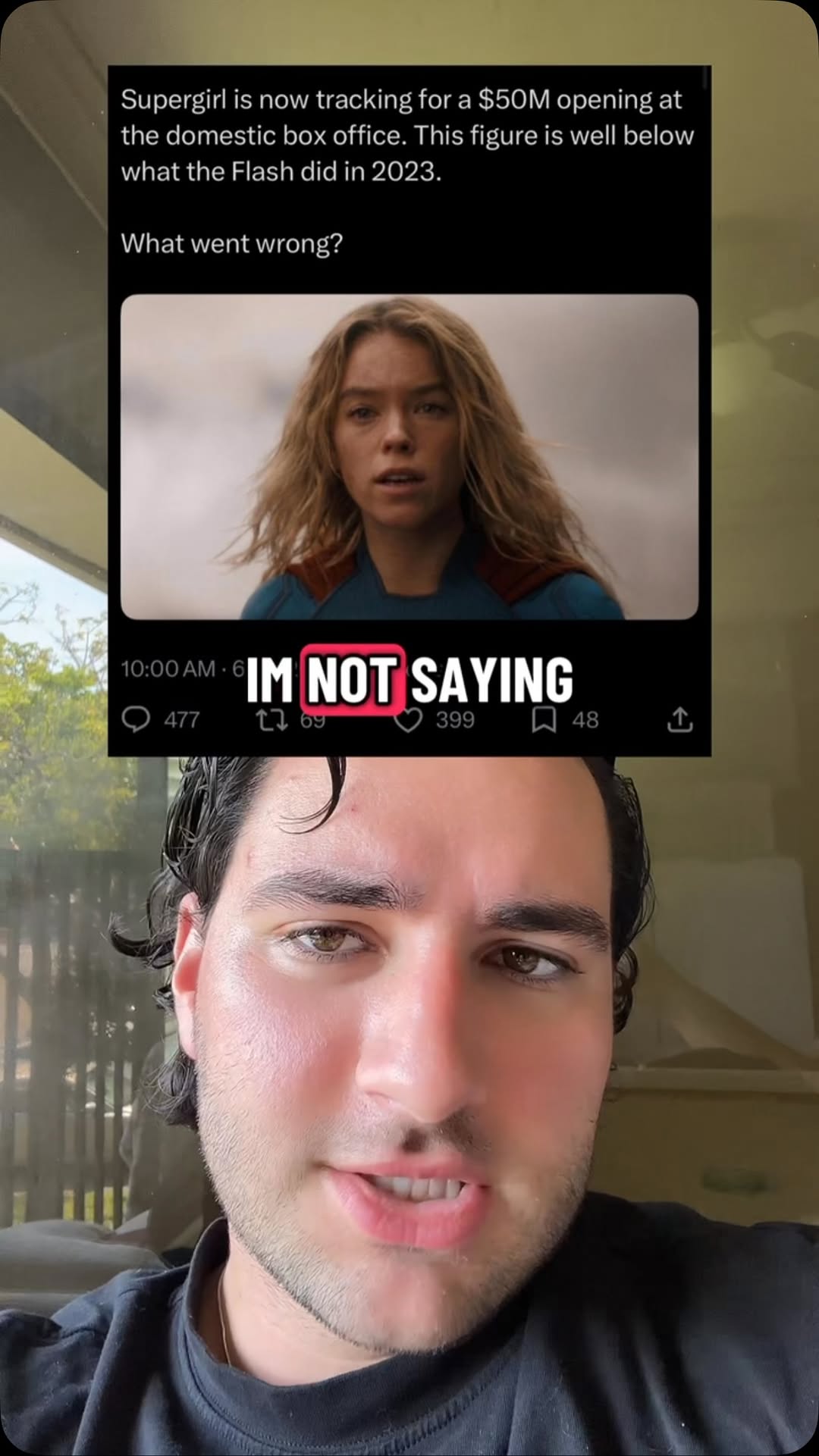 615.4K19.2×Creator rants about modern Hollywood@womp_tomp · Cultural Rant
 354.9K6.3×Explaining a controversial societal theory@womp_tomp · Hot Take
 217.6K5×Political commentary on viral clip@womp_tomp · Hot Take
 222.6K2.7×Creator exposes another's online hypocrisy.@womp_tomp · Cultural Rant
[04]
[05]
What stops the scroll in the first 3 seconds
Title hook · 55%
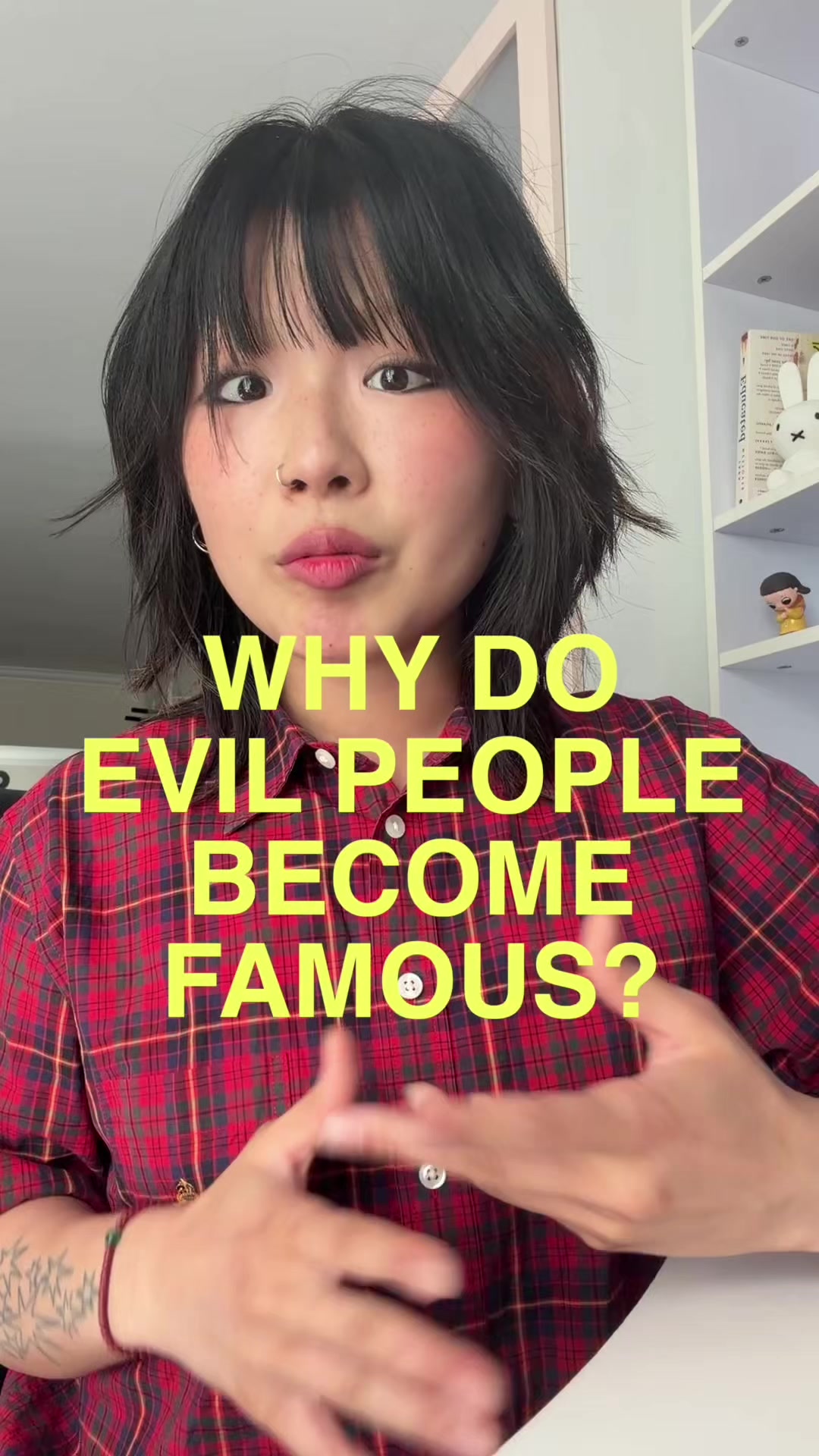
WHY DO EVIL PEOPLE BECOME FAMOUS?
Verbal hook · 40%
Why does it seem like everybody famous is evil?
Visual hook · 5%
A medium shot of the creator speaking directly to the camera, using expressive hand gestures to emphasize her points.
[06]
Steal this for your own video
WHY DO REWARD ?
[07]
The promise the opener makes, and how the video pays it back
Hook
A broad, provocative question that taps into a widely held but unexamined belief or frustration.
Payoff
The viewer gains a new, more sophisticated understanding of a familiar problem, feeling intellectually satisfied by the well-supported argument that shows how the individual is a product of their environment.
[08]
The structural pattern this video runs on
Framework
The Systemic Reframe
To deconstruct a common social observation by revealing its underlying systemic cause, using a piece of popular media as a case study to prove the argument.
The Universal Question
Poses a relatable question about a common societal phenomenon, often supported by quick-cut visual examples.
The Common Wisdom Rebuttal
Acknowledges and then dismisses the simplistic, popular explanation for the phenomenon.
The Systemic Thesis
Presents the video's core argument, reframing the problem as a result of a system or structure, not just individual failings.
The Pop Culture Case Study
Introduces a specific piece of media (a show, movie, book) that will serve as the primary evidence for the thesis.
The Analytical Lens
Narrows the focus of the analysis to a specific element of the case study (e.g., setting, character arc) and may name the intellectual framework being used to build authority.
The Microcosm Connection
Explicitly states how the chosen element of the case study functions as a perfect example or microcosm of the broader systemic issue.
The Granular Proof
Drills down to a specific moment, scene, or episode within the case study to provide concrete, undeniable evidence for the thesis.
I’m rewatching bojack horseman and I have many thoughts… #bojackhorseman #analysis #media #hollywood #marxism
title · beginning
WHY DO EVIL PEOPLE BECOME FAMOUS?
informational · middle
"Hollywoo" acts as a microcosm of the broader capitalist system that rewards selfishness
It seem like everybody famous is evil? Whenever there's new drama about some celebrity or another that gets exposed for being a criminal or an abuser or worse, people will always make witty jokes about how we make the worst people famous. But I feel like what this joke gets wrong isn't just that bad people happen to get famous, but rather that fame and success almost always require values to be compromised. I'm rewatching Bojack Horseman right now and even though the show's been out for over ten years, I'm still gonna talk about it because IDGAF is one of the best shows ever made. And something I noticed this time around that I didn't notice the first time I watched it is the significance of the role that setting plays. I I feel like setting is often an overlooked part of a story with things like character and plot overshadowing it. But in Bojack, setting might be one of the most integral factors of its story. Yes, I'm about to do a materialist analysis of Bojack Horseman. The setting isn't just an afterthought. It is central to the plot and it is what creates Bojack Horseman as we know him. And more broadly speaking, it's the structure that systematically creates assholes like Bojack. We see this most obviously in season one episode eight. So far throughout the show, we know that Bojack is a horrible, selfish, maladaptive individual. But in this episode for the first time, we see how this horrible individual, it doesn't exist in a vacuum, but rather how he is created by a system that incentivizes selfishness and callousness. Bodrich often uses his childhood trauma