The creator breaks down three specific design flaws of the traditional waiter's wine key: the two-step lever system, the small thumb contact point, and the ineffective foil cutter. For each flaw, he demonstrates the problem and then showcases how his redesigned wine key provides a superior, more ergonomic solution. He concludes by telling a personal, embarrassing story about fumbling with a wine key during a high-stakes family dinner, revealing this moment as the emotional origin and motivation for creating a better product.
Post caption
@huntercraighill looked at his wife and said:
The tools we use every day shouldn't leave us feeling frustrated, confused, or unsatisfied. We reconsidered every angle of the waiter's wine key to create an object that is more secure, ergonomic, and rewarding.
Our continued fondness for the design and our customer's love of the product have made it a staple in the Craighill collection. It's the object we're most proud of on many levels and so it feels right to finally release it in our classic orange 🟠
We hope you enjoy the Best Wine Key.
Transcript
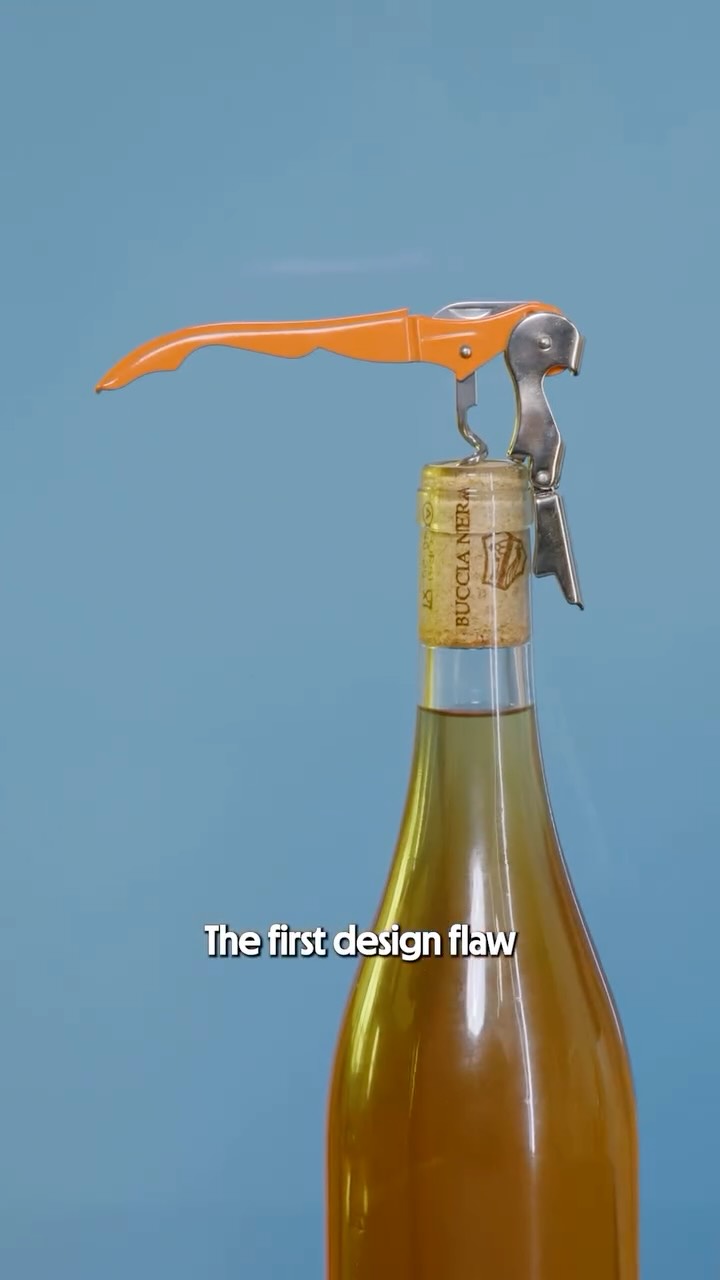
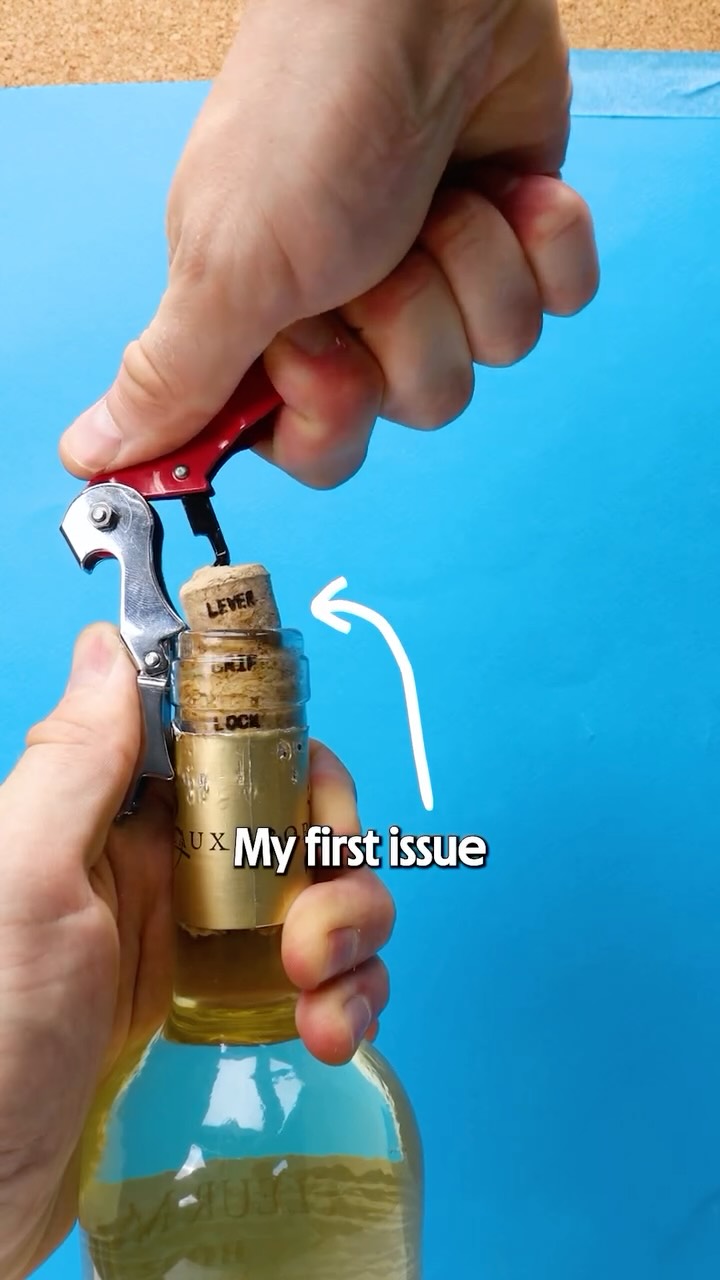
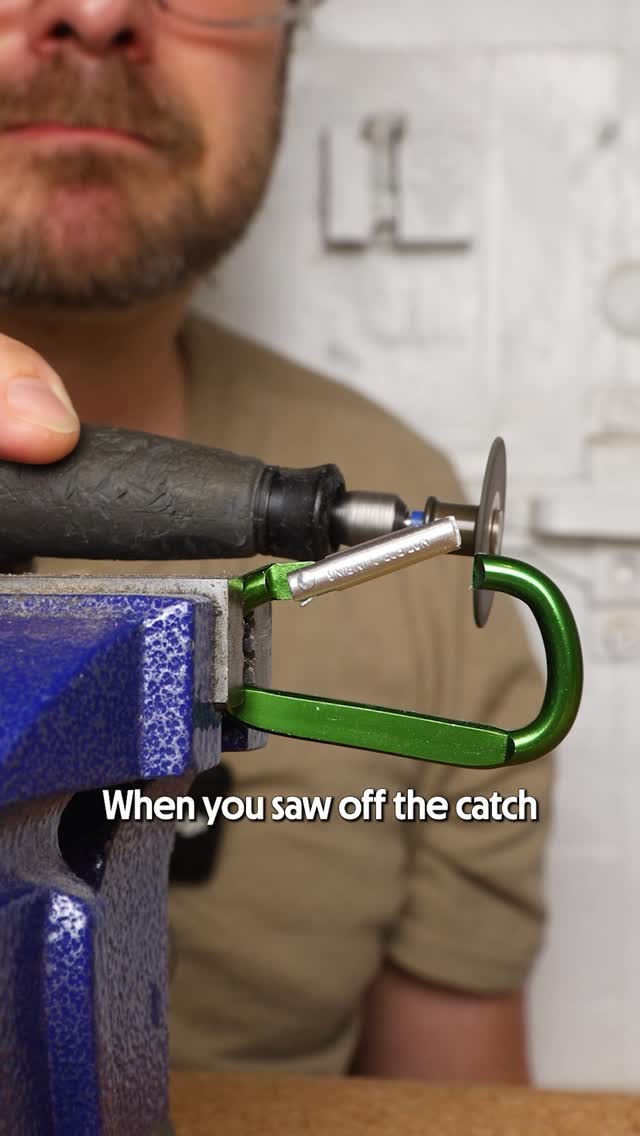
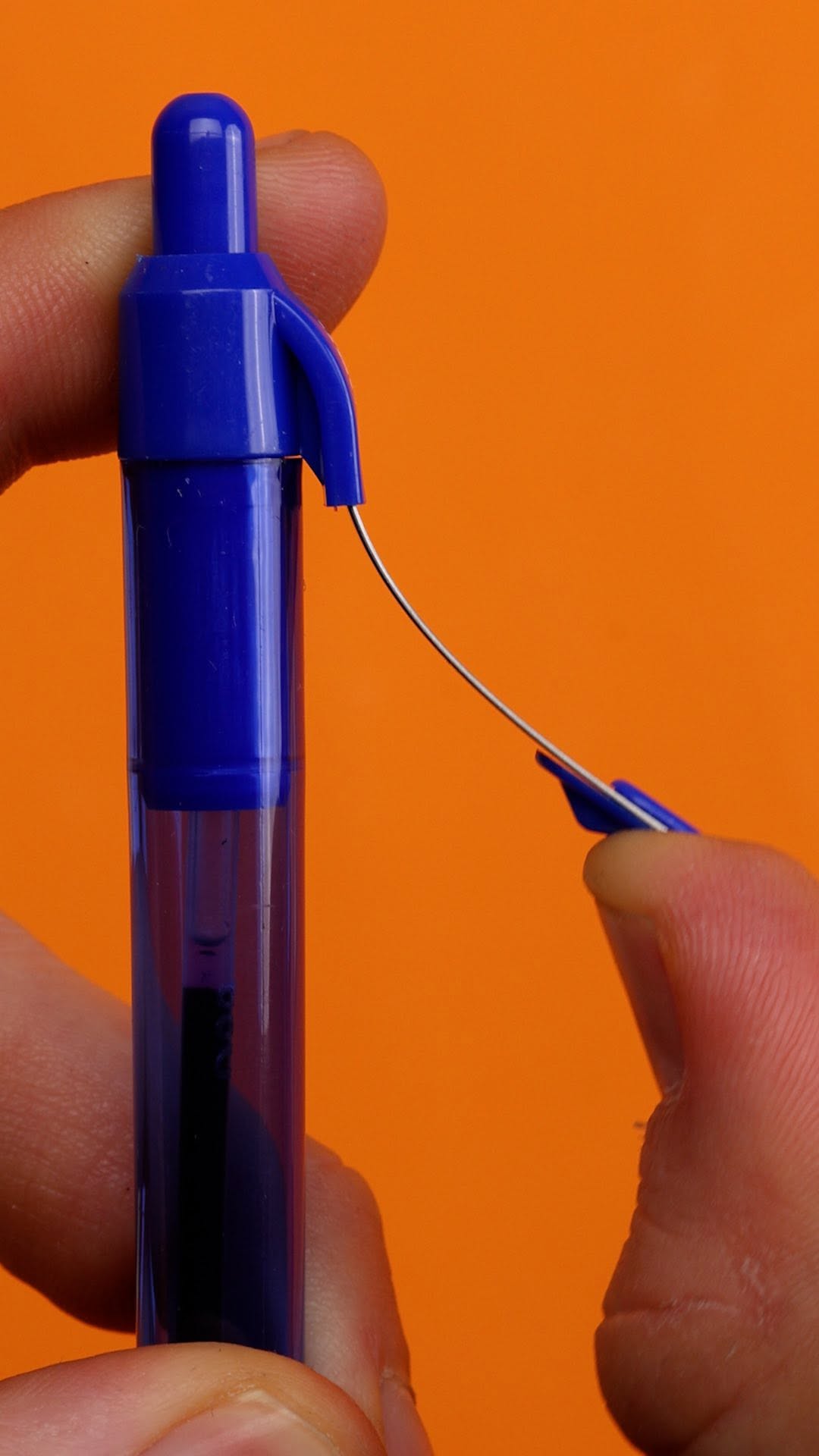
The first design flaw with traditional wader wine key is that mid uncorking, you have to break your grip to lift the lever up to that second notch to get enough angle to fully extract the cork. In an ideal world, you wanna have one solid grip for the duration of the cork extraction process. That's what I want. We worse able to achieve that with our wine key redesign by relocating the ratcheting system from the neck of the bottle up to the pivot point between the lever and the body of the wine key itself. No, you can raise the pivot point, which lets you fully extract the cork without having to adjust or release your grip at all. That solution allowed us to address what I think is the next design problem, which is when you're on that second notch of the lever, there's only this little sliver of contact point for your thumb to hold on to. Because of this rearranged ratchet system that we built, we have that fixed connection against the neck of the bottle itself, so we can extend it as long as we want. The word that comes to mind is it feels better. The third design flaw with the Better blind key is the foil cutter. It's got one job to make a precise circular slice and it's a tiny best straight opening blade that most people don't wanna use because it's an awkward experience. We added this bend to the end of the handle and we relocated the foil cutter to the end of that bend. When you combine that bend with the curved blade that opens to this precise angle, it creates this pocket that cradles the neck of a bottle and makes it so much easier to slice through the foil. When we design an object with this obsessive consideration from every single angle, we often get asked asked why. Why go through the months and months of design worse, the often years of manufacturing troubleshooting? Why did we choose the waiter's wine key to put all of this effort into? Why? It's 2017. My parents are meeting my now wife's parents for the very first tier, and towards the end of dinner, I thought that it would be a nice gesture to give a toast. I clink my glass, and the table grows quiet and before I give the toast I realize that my wife's glass is empty. And no I reach for the nearest bottle of wine and my now mother-in-law hands me a waiter's wine key and I try to hurriedly open this wine. So I'm fumbling around with all these steps while the table is silently watching me. And I managed to get the cork out, and I hurriedly try to pour my wife a glass of wine. I immediately knocked the glass over, spilling red wine all over her dress while my parents and my now wife's parents watch in mild horror. And I looked at my wife and I said,