@blackstone
Instagram · Clip
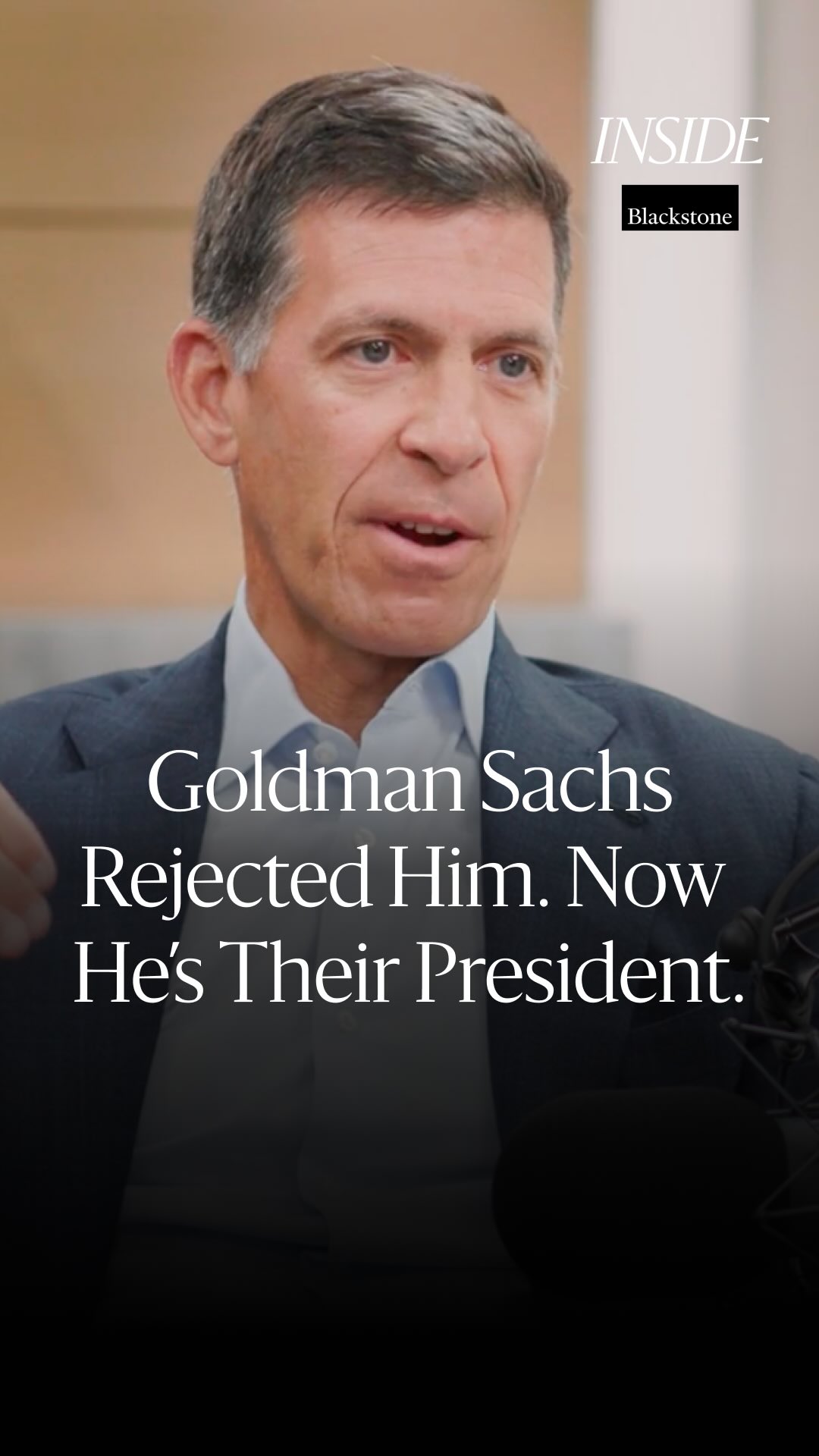
@blackstone @goldmansachs rejected him, now he’s their President. John Waldron shares the unexpected start to his career on our latest episode of Inside Blackstone. Watch the full episode at our link in bio.

@blackstone
Instagram · Clip
@blackstone @goldmansachs rejected him, now he’s their President. John Waldron shares the unexpected start to his career on our latest episode of Inside Blackstone. Watch the full episode at our link in bio.
Performance
Video #43183 · Clip
[01]
In an interview, John Waldron, the President of Goldman Sachs, is asked why he was initially rejected by the company. He explains that his liberal arts background meant he wasn't sufficiently skilled in mathematics and accounting, and he failed the financial modeling test. He concludes by sharing that he learned these essential skills on the job at Bear Stearns with the help of a mentor.
[02]
[03]
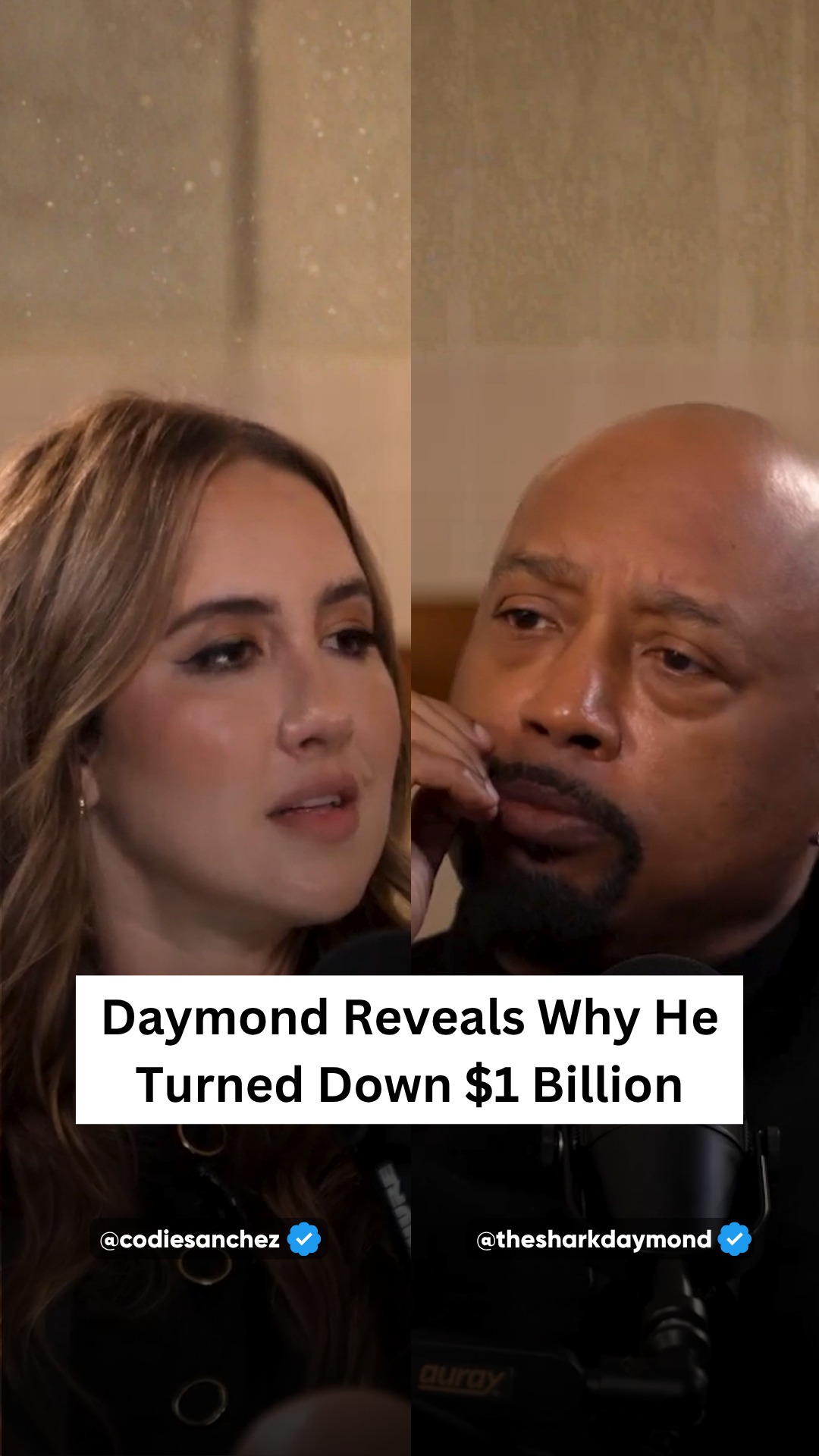 4M57.8×Mogul explains why he's not a billionaire.@codiesanchez · Anecdotal Philosophy
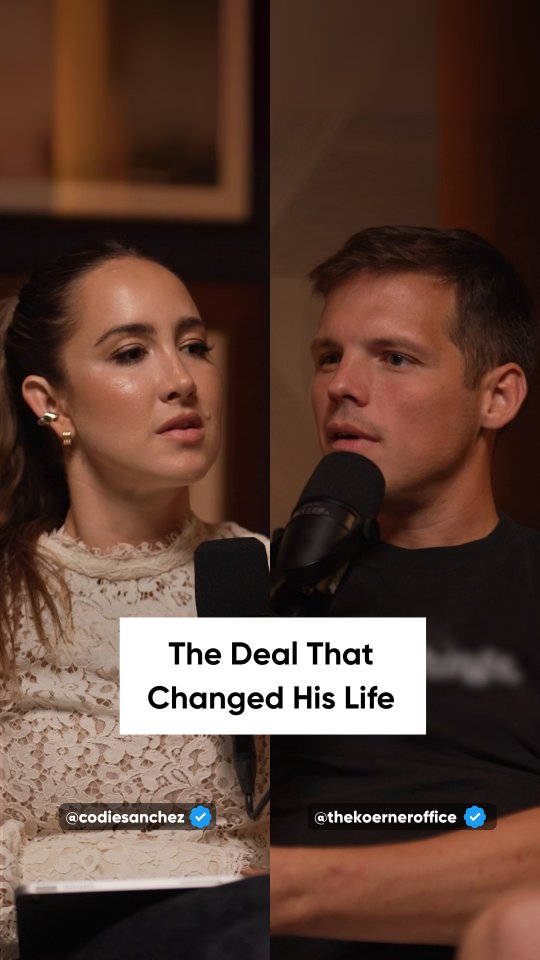 271.9K2.4×Entrepreneur tells business betrayal story.@codiesanchez · Anecdotal Philosophy
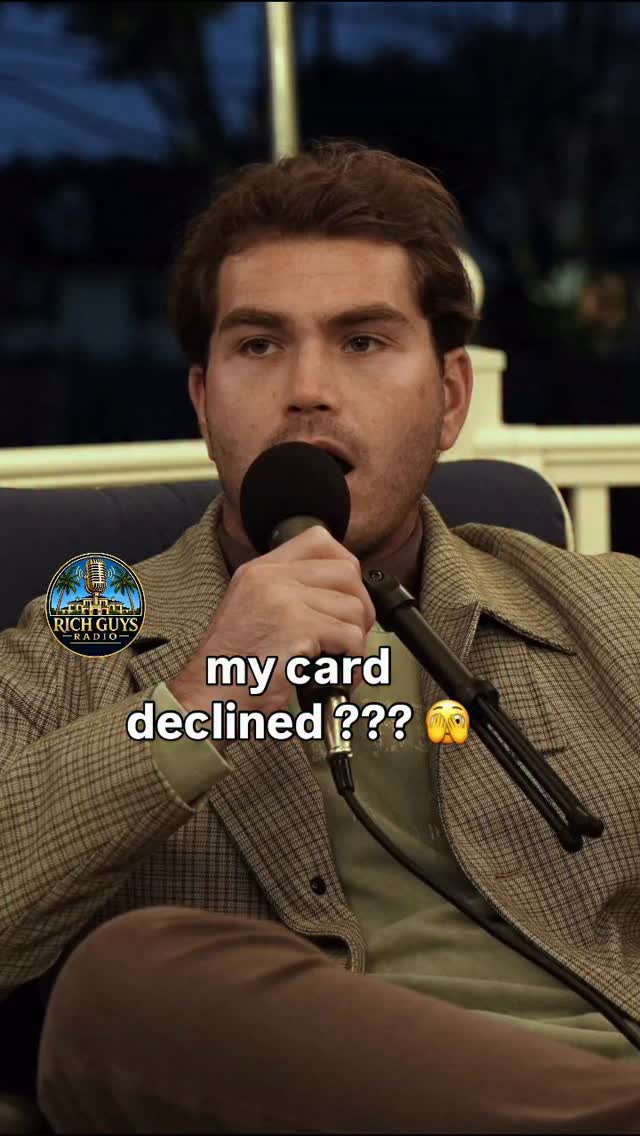 199.3K14.5×Satirical rich guy podcast clip@richguysradio · Stereotype Satire
 267.4KWalking interview explains his job@hardmoneyman_isperov · Opportunity Explainer
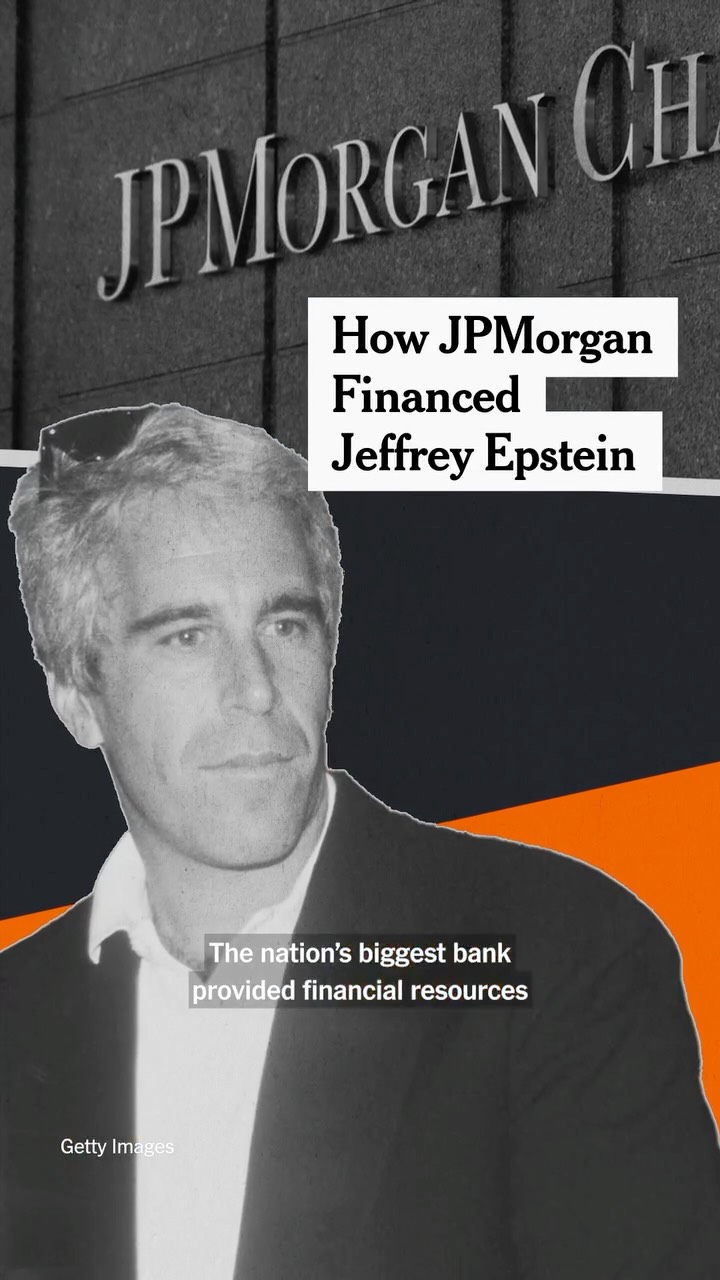 375.4KTimeline investigation of financial scandal@nytmag · Breakdown
 460.9K2.8×Satirical interview on generational wealth@pio_vincenzo_ · Skit
 212K5.4×Hard money man debunks stereotypes@hardmoneyman_isperov · Misconception Rebuttal
 188.3K22.3×Comedic skit about house flipping@thatksenia · Breakdown
 177.9K2.7×Humorous Q&A on loan usage@hardmoneyman_isperov · Q&A Response
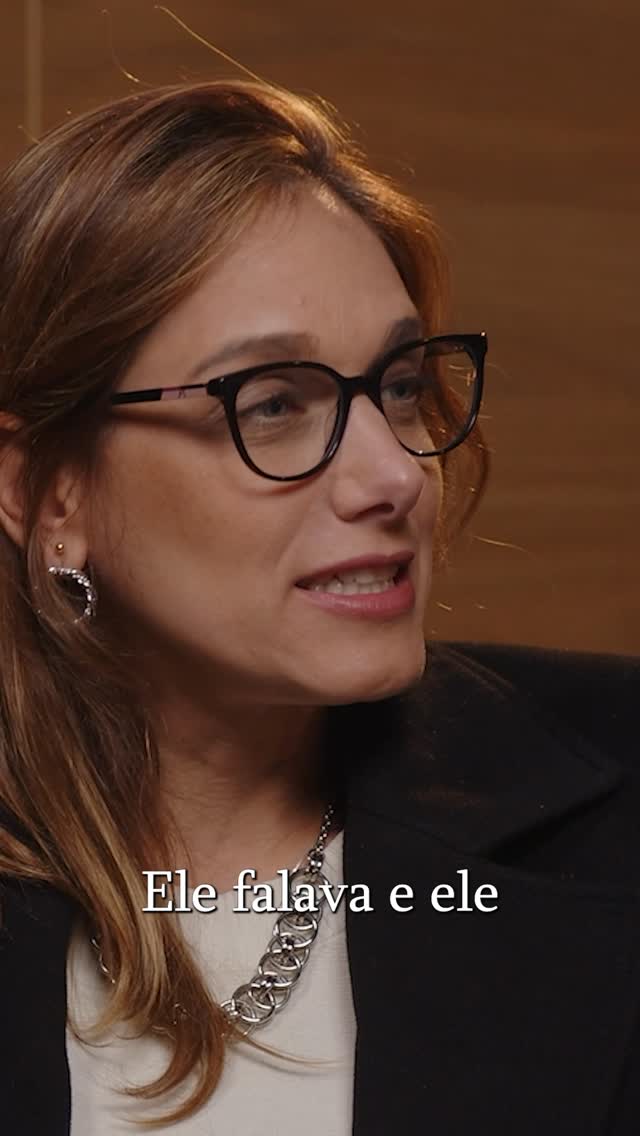 1.2M903.3×Explaining a powerful man's mistake@lucasabreuu · Case Study Breakdown
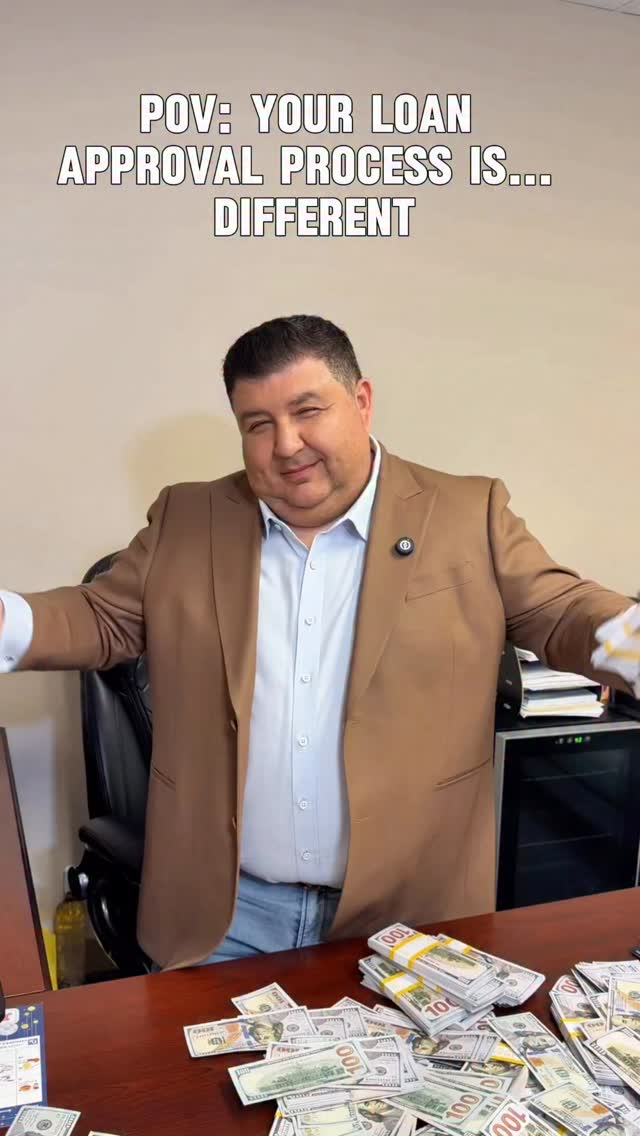 5.2M231.3×Funny loan approval process skit@hardmoneyman_isperov · Skit
 805.5KRole-playing an annoying angel investor@the.angel.investor · Relatable Skit
[04]
[05]
What stops the scroll in the first 3 seconds
Title hook · 65%
Goldman Sachs Rejected Him. Now He's Their President.
Verbal hook · 35%
Why did you not get hired at Goldman Sachs initially?
Visual hook
A professional split-screen interview setup, with the interviewee in the top frame and the interviewer in the bottom frame, immediately signaling a high-value conversation.
[06]
Steal this for your own video
Rejected . Now Is Their .
[07]
The promise the opener makes, and how the video pays it back
Hook
An on-screen text overlay presents a high-status individual's current success as a direct contradiction to a past failure, immediately creating an information gap and a 'how did that happen?' question.
Payoff
The viewer's curiosity is fully satisfied with a clear, relatable, and inspiring story of overcoming a specific weakness, which humanizes the subject and makes their success feel earned.
[08]
The structural pattern this video runs on
Framework
The Paradox to Prowess
To create intrigue with a surprising contradiction about a successful figure, then satisfy that curiosity with a humble story of their initial failure and the specific journey of overcoming it.
The Direct Inquiry
An interviewer explicitly asks the central question raised by the hook, focusing the narrative on solving the mystery for the viewer.
The Humble Admission of Weakness
The subject provides a high-level, self-aware admission of a specific skill or knowledge gap that led to the initial failure, establishing vulnerability and relatability.
The Identity Contrast
The subject defines their past self with a label or archetype (e.g., 'liberal arts kid') that contrasts with the expected persona for their field, enhancing the underdog narrative.
The Concrete Failure Point
The subject pinpoints a specific, tangible event (like a test or a project) where their flaw was exposed, making the abstract weakness concrete and the story more believable.
The Redemption Arc
The subject reveals the alternative path they took after the initial failure, highlighting a key moment of learning or mentorship where they acquired the missing skill.
The 'Before' State Confirmation
The subject concludes by re-emphasizing their initial state of ignorance or inability, framing the entire journey and providing a satisfying resolution to the initial paradox.
@goldmansachs rejected him, now he’s their President. John Waldron shares the unexpected start to his career on our latest episode of Inside Blackstone. Watch the full episode at our link in bio.
branding · throughout
INSIDE Blackstone
title · beginning
Goldman Sachs Rejected Him. Now He's Their President.
Why did you not get hired at Goldman Sachs initially? I don't know if I know this. I don't think I was sufficiently mathematical, with enough accounting. You may have more luck today. And an I may have more luck today. Yeah. I think, Yeah. I was, I was a real liberal arts English kid. I didn't do well in the financial modeling test. Mhmm. When I first I I went to Bear Stearns. And when I first got to Bear Stearns, my big bad, who was my second year analyst mentor, essentially taught me how to do a financial model. That's great. Because I had no idea when I got there. I mean, I had ideas about a lot of other things, but not about how to balance a balance sheet.