The narrator explains the origins of UK Grime music, detailing how the high cost of professional studios in the early 2000s forced young London artists to use accessible consumer technology. The video shows how producers used the PlayStation 1 game 'Music 2000', the Super Nintendo's 'Mario Paint', and even Nokia phone ringtone composers to create their first beats. It highlights specific examples from artists like So Solid Crew, Skepta, and JME, and traces the evolution of the sound to home computers, which led to iconic tracks like the instrumental for Stormzy's "Shut Up".
Post caption
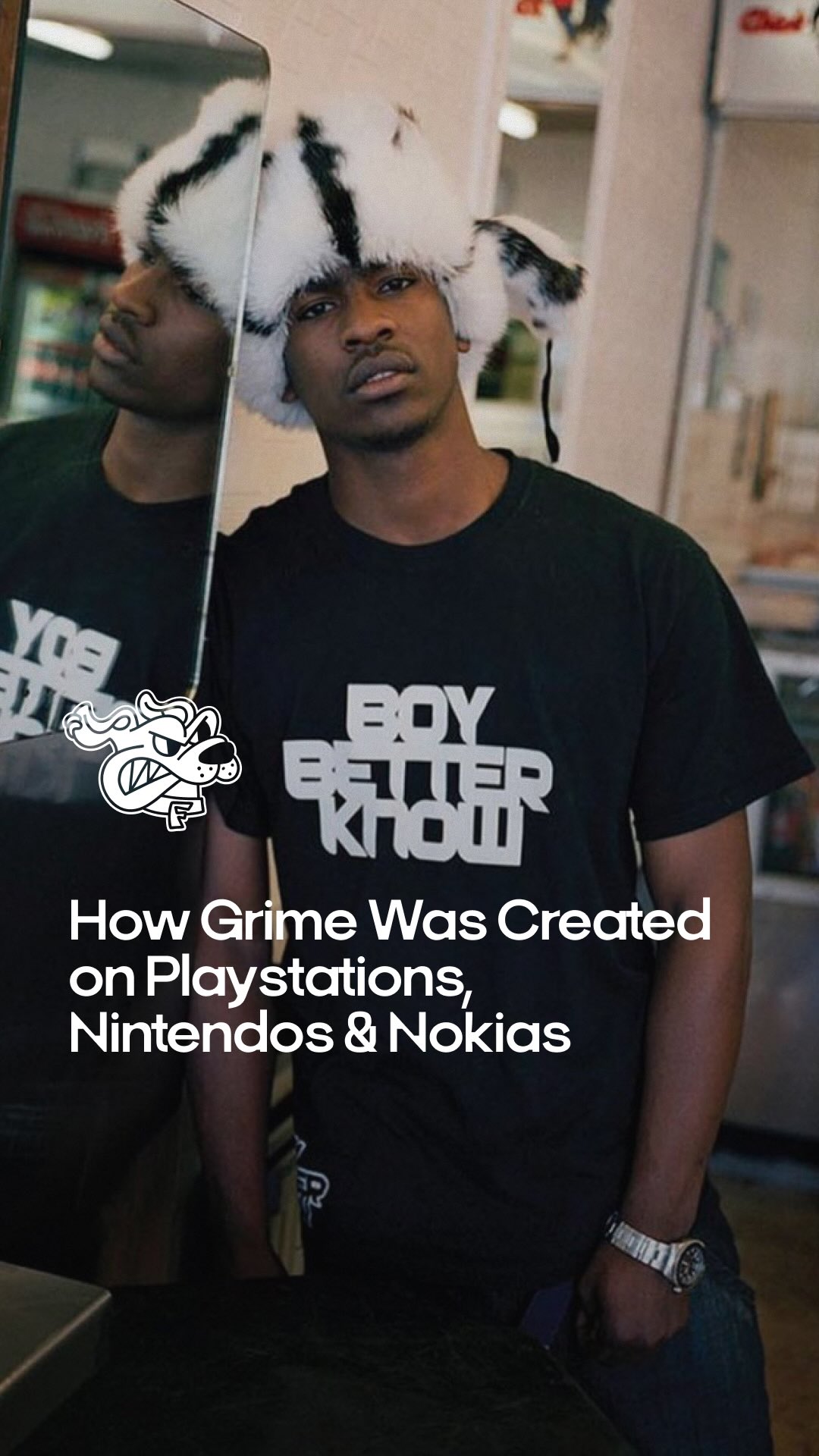
How Grime Was Created on Playstations, Nintendos & Nokias
Grime was born out of necessity in early 2000s London, where professional studios were too expensive for most young artists. Instead, producers made beats using whatever they had at home, from PlayStations and Super Nintendos to Nokia phones, creating a distinctive DIY sound that defined the genre.
Artists like Skepta, JME, and So Solid Crew made some of their earliest music on gaming consoles before moving to home computers. Working with limited resources encouraged experimentation and self-reliance, turning technical constraints into the innovative sound that became grime’s signature.
#grime #ukrap #skepta #jme #fraimworld
Transcript
You know that The UK's grime sound was created using PlayStations, Nintendos, and Nokias? This is how it all happened. In the early two thousands, a home studio cost thousands of pounds. For most teenagers in London, that was out of reach, so they made music on whatever equipment they already had at home. One of the main tools was music 2,000 for the PS one. It was a music sequencer and editor that let you create full electronic tracks without any special training. So Solid Crew made a large part of their debut album, They Don't No, on music 2,000. I got twenty one seconds to go. I got twenty one seconds to go. Skepta recorded his first release, Pulse Eskimo, on the same software. JME and Smasher made their first beats on PlayStation two, early instrumentals that later ended up on pirate radio stations like Meridian Crew. Those tracks were recorded onto mini disc, then cut straight to dub plates and played in sets. PlayStation wasn't the only tool they used. Even before they had their own studios, Skepta and JME experimented with Mario Paint on the Super Nintendo. JME later said he could write a beat on almost anything. When home computers became more common, more producers switched to Fruity Loops. That's where XTC wrote the instrumental functions on the low in about half an hour. Eleven years later, that same beat reached the world in Stormzy's Shut Up. Come back with me a backup down on some stage and I'll bring some backup down song. If that makes me a backup down song, I demand in your beats. Back up down song. Even regular mobile phones became music tools. D'explicit, who later produced pow for Lethal Bizzle, used to program ringtones on a Nokia three three one zero while still at school. School. All of this shaped a DIY culture where music became a way to express yourself and survive with limited resources. Producers built their own infrastructure, sharing samples, learning from each other, recording tracks at home, and testing them immediately on local radio stations or in clubs. That's why early grime sounds raw. Its style was shaped by limitations, and the musicians learned to turn those limitations into an advantage.