@gsnwilliams
Instagram · Greenscreen Talking Head
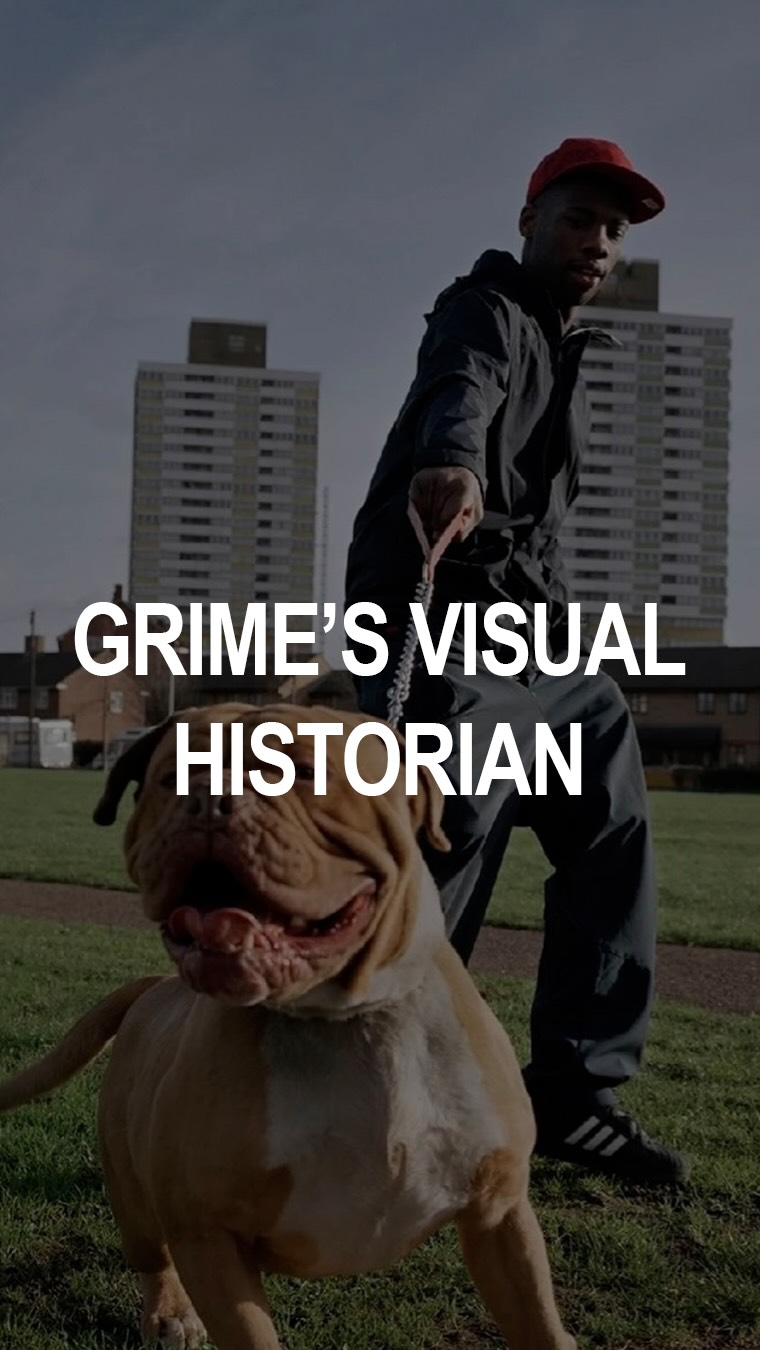
@gsnwilliams Simon Wheatley photographed grime before it had a name #simonwheatley #grime #photography

@gsnwilliams
Instagram · Greenscreen Talking Head
@gsnwilliams Simon Wheatley photographed grime before it had a name #simonwheatley #grime #photography
Performance
Video #49809 · Greenscreen Talking Head
[01]
The creator profiles photographer Simon Wheatley, explaining his role in documenting the UK grime scene before it became mainstream. He details Wheatley's process of shooting in East London, his breakthrough via RWD Magazine, and his access to seminal artists like Dizzee Rascal and Wiley. The video highlights how Wheatley's work culminated in the book 'Don't Call Me Urban' and discusses its lasting cultural influence on projects like the TV show 'Top Boy' and the brand 'Corteiz'.
[02]
[03]
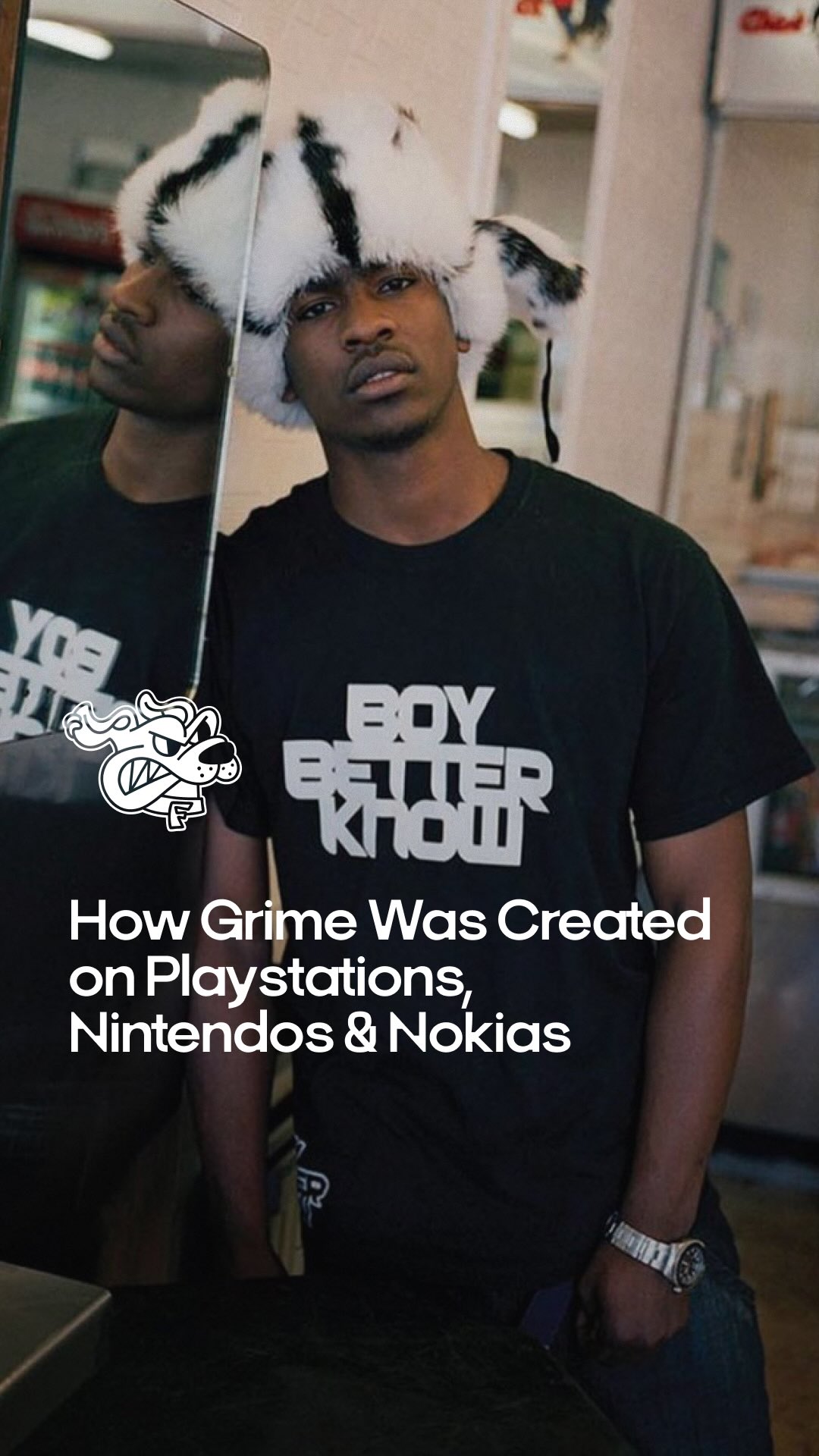 517.6KGrime music's surprising tech origins@fraim.world · Origin Story
 200.6KDocumentary-style profile of rap photographer@gsnwilliams · Character Profile
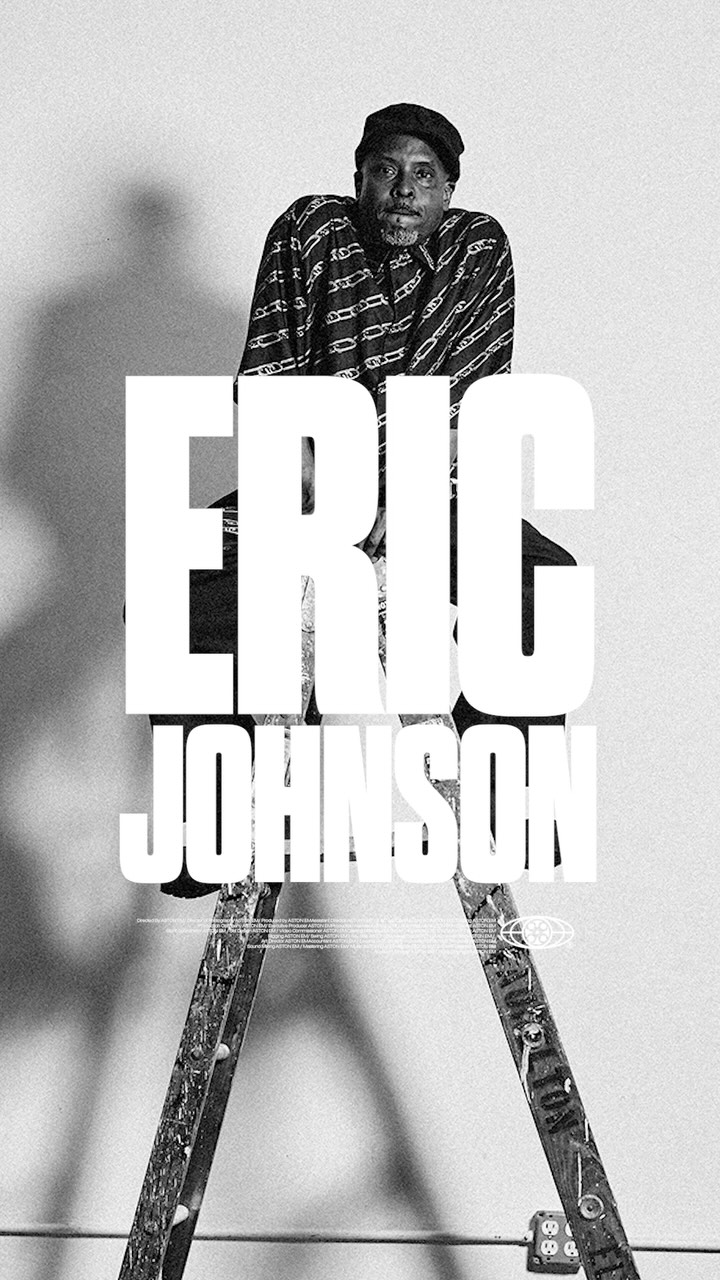 152.9KBiographical profile of iconic photographer@astonemmm · Character Profile
 253K33.4×Creator teases essay on music history@harnidhk · Breakdown
 81.8K19.6×Comedic review of nostalgic throwback photos@alfonsofrfr · Culture Profile
 194.5K2.4×Creator reacts to Australian rap video@freedrugsxo · Reaction
 183.3K3.2×Analyzing an artist's brand strategy@amandasabreah · Case Study Breakdown
 203.3K10×Biographical story told with mixed media@fraim.world · Origin Story
 284.5K77.7×Analyzing Drake and 40's partnership@djangodegree · Origin Story
 498.8K47.9×Split screen movie scene reaction@freedrugsxo · Reaction
 287.4KStreet interview with a rapper@brayden.zaroff · Street Interview
 309.5K24.1×Creator reacts to classic rap@freedrugsxo · Reaction
[04]
[05]
What stops the scroll in the first 3 seconds
Title hook · 40%
Before grime became
Verbal hook · 45%
Before grime became one of the biggest sounds out of the UK, Simon Wheatley was already there documenting it.
Visual hook · 15%
A striking, vintage-style photograph of a young man in a baseball cap holding a large, reflective sword directly towards the camera, creating immediate intrigue and a sense of edge.
[06]
Steal this for your own video
Before became , was already there .
[07]
The promise the opener makes, and how the video pays it back
Hook
A 'Before X was famous, Y was there' statement that establishes the subject as a foundational, yet potentially unknown, figure in a well-known cultural movement, creating immediate intrigue.
Payoff
The Modern Relevance Bridge: Connects the subject's historical work to highly relevant, contemporary cultural touchstones (e.g., a popular TV show, a trendy brand), proving their enduring influence and creating a satisfying 'aha!' moment for the viewer.
[08]
The structural pattern this video runs on
Framework
The Unseen Architect
To reveal the story of a lesser-known but highly influential figure who was present at the beginning of a major cultural movement, proving their lasting impact by connecting their work to contemporary trends.
The Foundational Work
Establishes the subject's early, authentic dedication to their craft and environment before a major turning point, building a baseline of credibility.
The Catalyst Event
Identifies the specific breakthrough moment or opportunity (e.g., getting published) that granted the subject wider access and recognition.
The Credibility Proof
Validates the subject's importance by showcasing their direct connection to the most famous and recognizable names within the movement, using name-dropping as evidence.
The World-Building Beat
Broadens the narrative's scope from famous individuals to the entire cultural ecosystem (e.g., locations, communities), demonstrating the subject's comprehensive documentation.
The 'Fly on the Wall' Justification
Provides insight into the subject's unique methodology or personal philosophy (e.g., being an 'observer') that explains why they were able to capture such authentic moments.
The Tangible Legacy
Cements the subject's work into a concrete, lasting artifact (e.g., a book, an album, a film) that serves as a definitive archive of the era.
Simon Wheatley photographed grime before it had a name #simonwheatley #grime #photography
title · beginning
Before grime became
informational · beginning
this is Image Makers
contextual · middle
Wiley
contextual · middle
Dizzy Rascal
contextual · middle
Roll Deep
contextual · middle
and Crazy Titch
contextual · end
Don't Call Me Urban
branding · end
gsnwilliams
call-to-action · end
behind fashion and culture
Before grime became one of the biggest sounds out of The UK, Simon Wheatley was already there documenting it. This is Image Makers, a series about the artists who shaped the industry behind the camera. You see, Simon spent over a decade documenting East London, starting before grime had even broken into the mainstream. His work was focused on London and the people living there. After getting his work into RWD Magazine, it started opening doors. Artists wanted to be in the pages, which meant Simon suddenly had access to some of the biggest names coming out of the scene. We're talking Wily, Dizzy Rascal, Roll Deep, and Crazy Titch. All while this scene was still growing around him. Alongside RWD Magazine, he was documenting youth clubs, pirate radio stations, and the estates that actually made up the world around grime. And even though he took all of these shots, Simon never really saw himself as part of that world. He's always described himself as an observer, and I think that's one of the main reasons people allow him to get so close. And because of that, he's ended up with this incredible archive of grime before anyone really knew how important tier scene would become. And a lot of his work over the years eventually became his good, Don't Call Me Urban. And I think the best way to describe it is as a time capsule of teenage life in London during that period. Not to mention the influence of these photos go way beyond grime. His photography became a visual reference for Toppoint. While Clint four one nine loved the book so much, he eventually worked with Simon through Cortese, which is why if you didn't know Simon Wheatley's name, there's a good chance you've already seen his influence. Follow for more stories behind fashion and culture.