@astonemmm
Instagram · Split screen
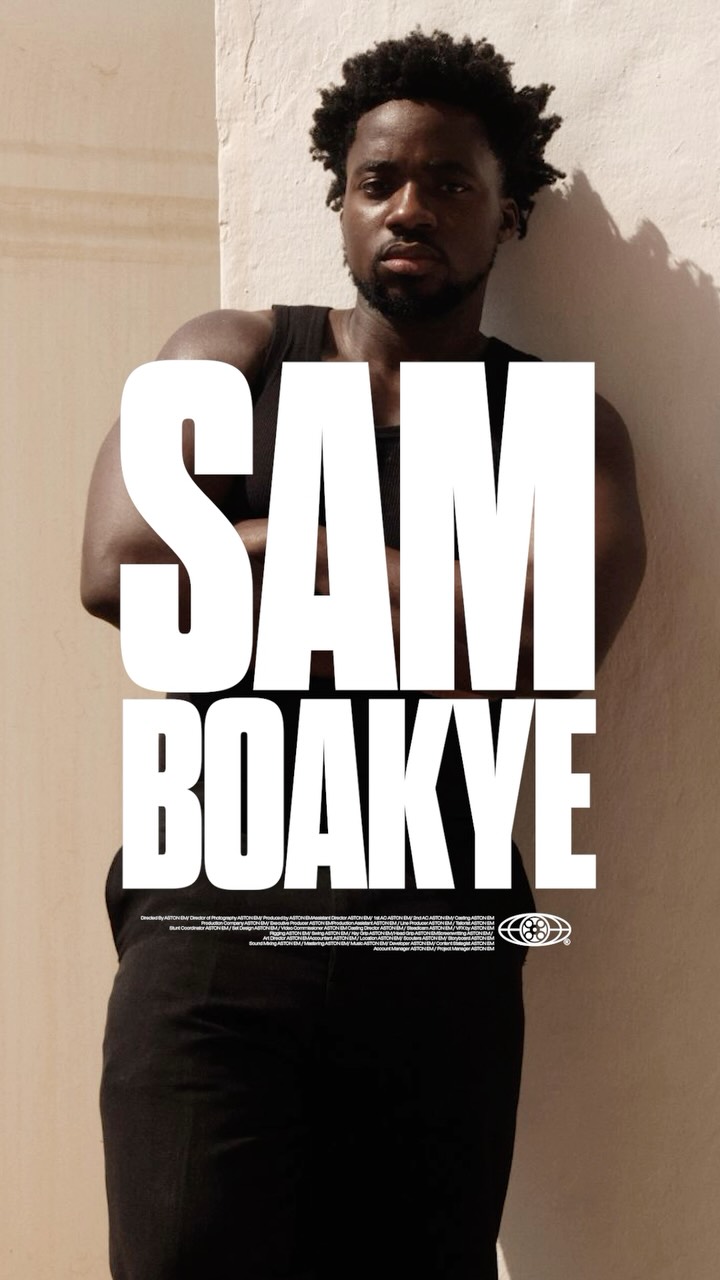
@astonemmm Imagine getting Lauryn Hill in your clothes… 😩 @iamsamboakye @kwasipaulofficial

@astonemmm
Instagram · Split screen
@astonemmm Imagine getting Lauryn Hill in your clothes… 😩 @iamsamboakye @kwasipaulofficial
Performance
Video #43387 · Split screen
[01]
The narrator, appearing in a persistent picture-in-picture overlay, tells the origin story of fashion designer Sam Boakye and his brand, Kwasi Paul. He frames Boakye's identity as a metaphorical 'middle child' between his Ghanaian heritage and his American upbringing in New York. The narrator details Boakye's family influences, his journey into sewing and design, and the unique craftsmanship of his brand, which uses traditional, hand-woven Ghanaian fabrics, before showcasing the brand's success with celebrities and in the Met museum.
[02]
[03]
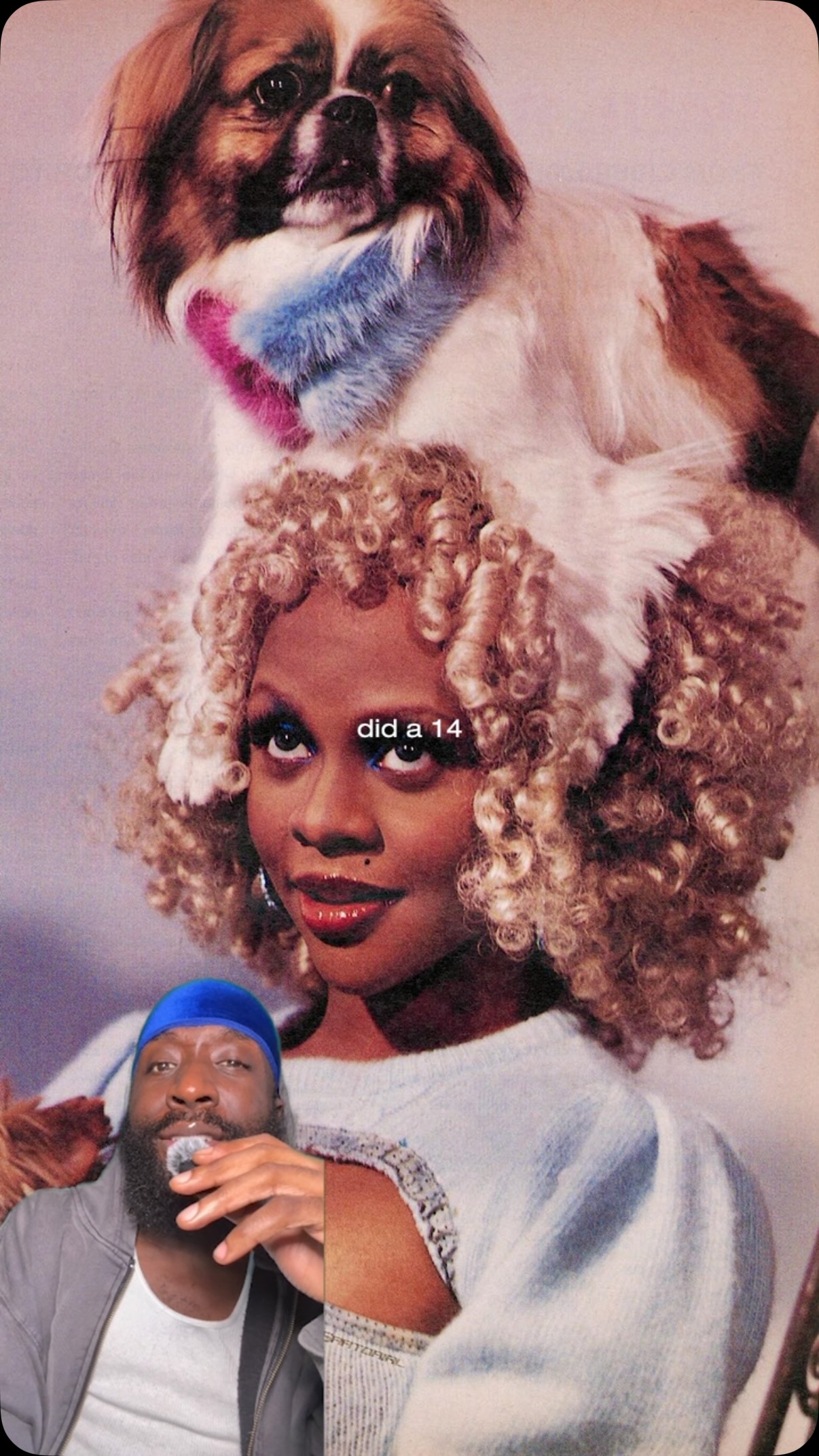 227.9KDocumentary on a cultural archivist@astonemmm · Origin Story
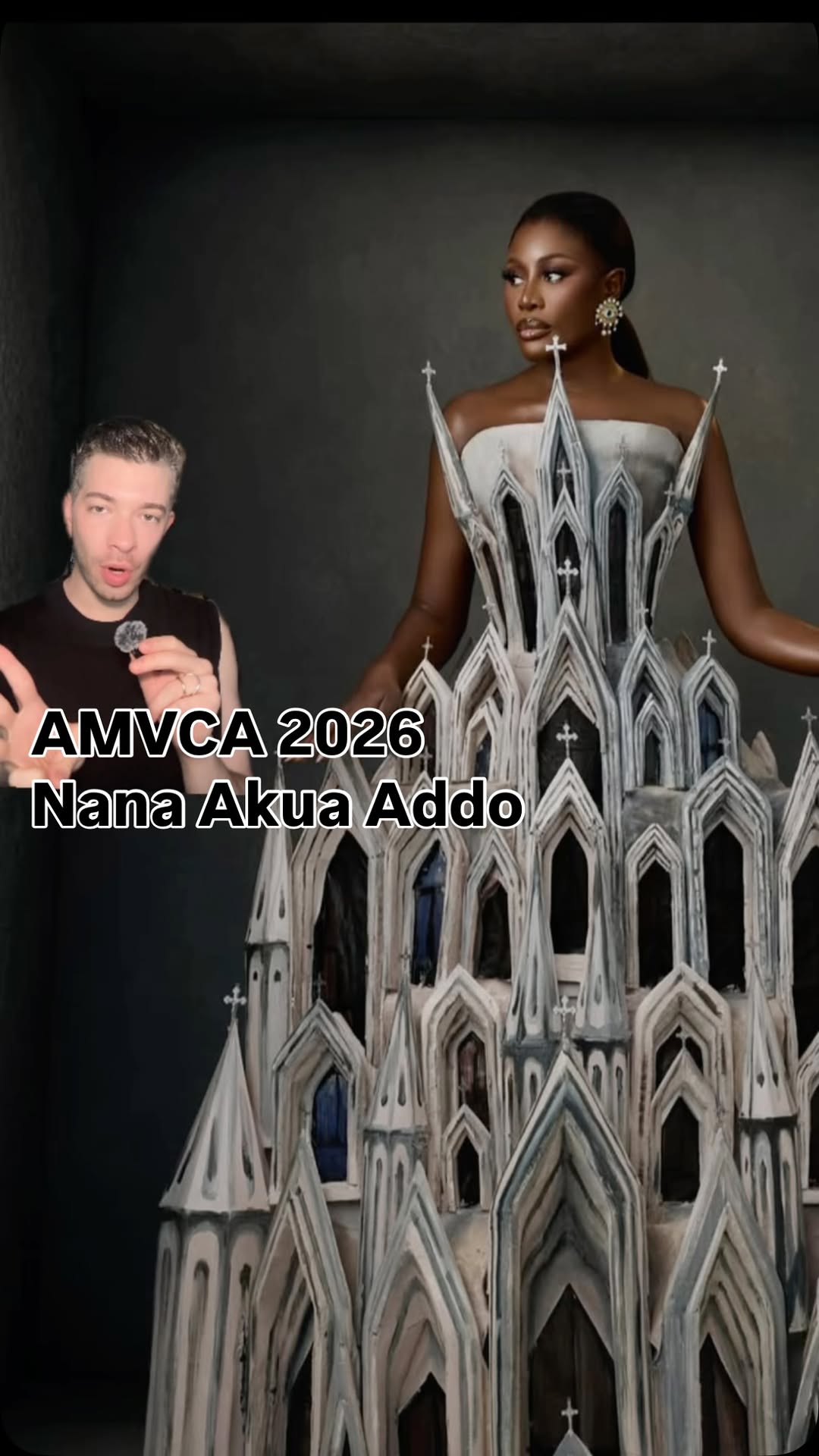 363.9K9.6×Commentator reviews avant-garde fashion looks@johnmvilla2 · Breakdown
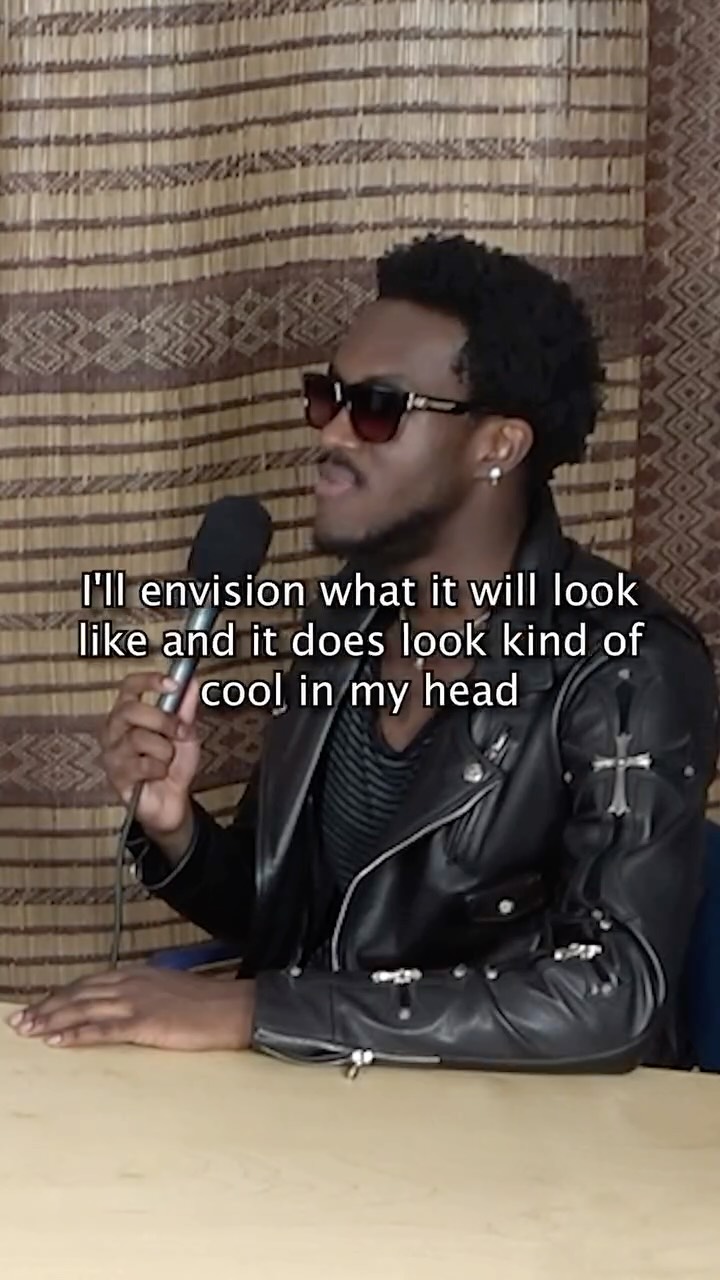 331.6K4.1×Creator explains his clothing brand vision@throwingfits · Q&A Response
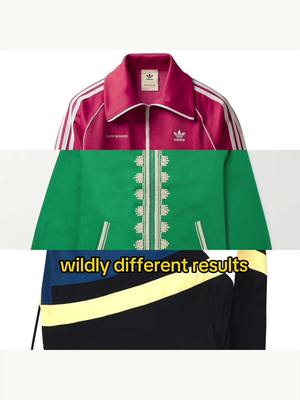 770.1K1.7×Comparing three designers' jacket interpretations@frontoffice.co · Case Study Breakdown
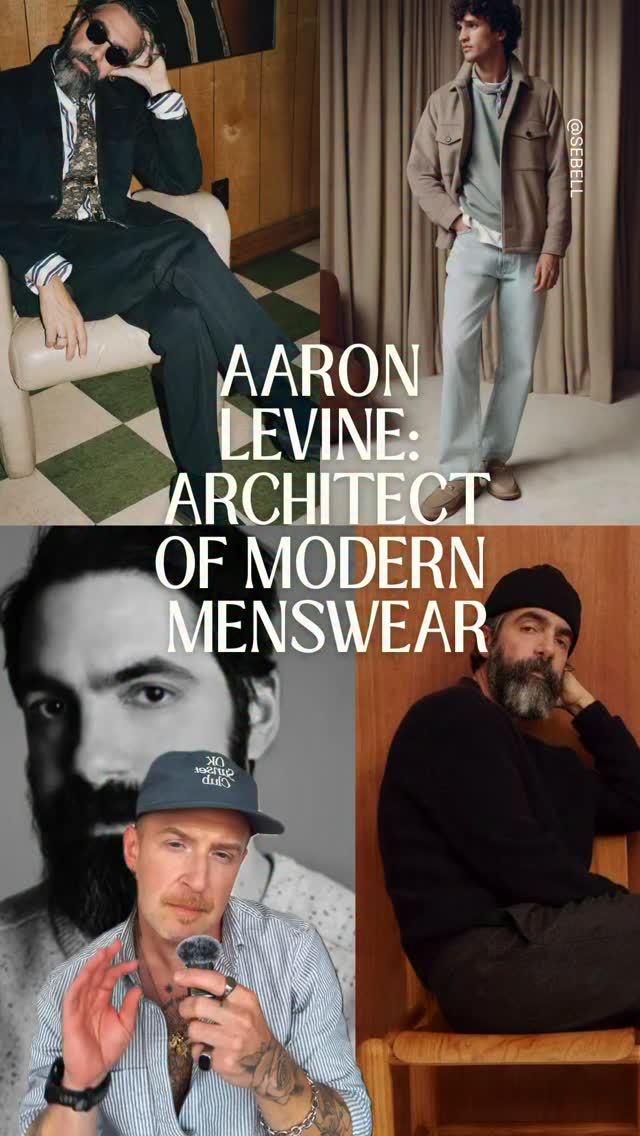 82.6K2.8×Designer's career origin story explained@sebell · Origin Story
 262.5K6.5×Vlogging a fashion show journey@jrp.co · Journey Documentation
 626.9K3.4×Childhood fashion story with twist@oldfashonedhussle · Origin Story
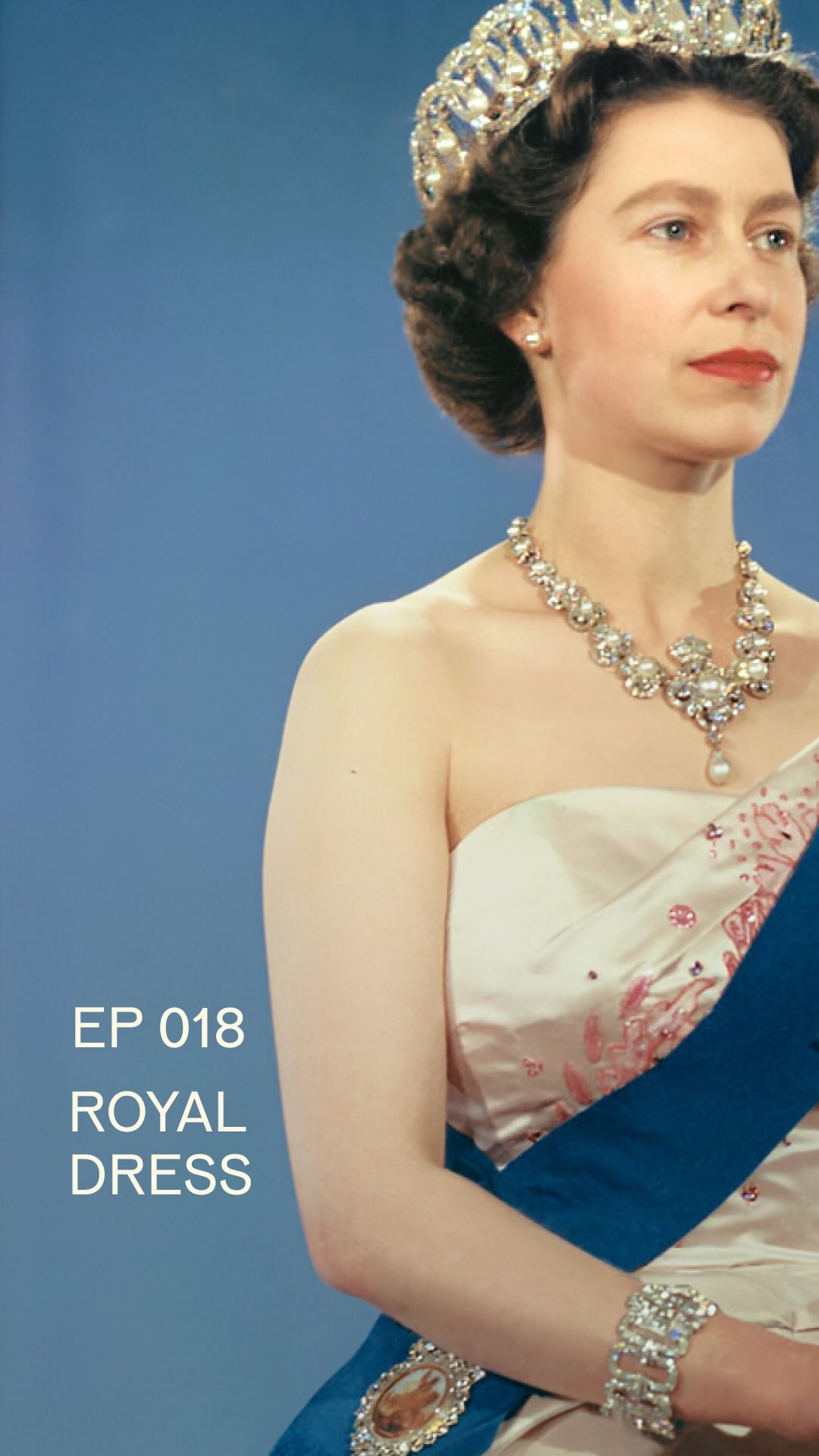 1.3M3.5×Royal clothing reveals cultural values@sakata.ken · Explainer
 909.7K1.9×Comparing three takes on one jacket@frontoffice.co · Case Study Breakdown
 443.8K15.3×Critique using creator's own clips@frostgangexpert · Reaction
 499.1K145.7×Historical breakdown of streetwear origins@henrythekid · Culture Profile
 147.8K85.5×Creator explains a brand's origin@itstomboyd · Origin Story
[04]
[05]
What stops the scroll in the first 3 seconds
Title hook · 48%
Being the middle child isn't easy;
Verbal hook · 47%
Being the middle child isn't easy.
Visual hook · 5%
A dynamic shot of actor Caleb McLaughlin dancing in a distinctive, patterned jacket in a festive setting, with the narrator visible in a picture-in-picture overlay, creating an immediately unique and engaging visual composition.
[06]
Steal this for your own video
Being the isn't easy.
[07]
The promise the opener makes, and how the video pays it back
Hook
A relatable, metaphorical problem is presented (e.g., 'Being the middle child') to create an immediate emotional connection before defining the specific identity conflict of the subject.
Payoff
The narrative comes full circle by revisiting the initial metaphorical problem. It is reframed as a source of unique strength, delivering a satisfying emotional resolution and leaving the audience with a powerful concluding thought.
[08]
The structural pattern this video runs on
Framework
The Identity Synthesis
To profile a creator or brand by framing their work as the unique and successful resolution of a core identity conflict (e.g., caught between two cultures, two eras, or two disciplines). The narrative systematically builds a case for how this 'in-between' status is a source of unique strength and creativity.
The Core Conflict
The subject's specific identity dichotomy is defined (e.g., first-generation, split heritage), and a central question is posed about how to resolve this tension, setting the narrative's primary objective.
The Thesis & Foundation
A thesis statement is declared, proposing that the solution is to create something new that 'bridges the gap.' This thesis is then grounded in the subject's personal origin story (e.g., parents, upbringing) to establish authenticity.
The Duality Deep-Dive
The two conflicting identities are explored with specific cultural and historical details, enriching the narrative and emphasizing the complexity of the subject's background.
The Deliberate Journey
The subject's progression from amateur to expert is chronicled, highlighting key moments of learning, practice, and formal training to demonstrate commitment and mastery of their craft.
The Signature Method
The unique process, technique, or material that physically embodies the synthesis of the two identities is revealed. This serves as tangible proof of the narrative's thesis.
The Validation Montage
A rapid-fire sequence of external proof is presented, showcasing both institutional acclaim (e.g., museum features, awards) and social proof (e.g., celebrity endorsements) to confirm the subject's success and cultural relevance.
Imagine getting Lauryn Hill in your clothes… 😩 @iamsamboakye @kwasipaulofficial
title · beginning
Being the middle child isn't easy;
contextual · beginning
you're not quite this...you're
contextual · beginning
not quite that...by
contextual · beginning
the way, I'm using the term *middle child* very loosely here.
branding · beginning
SAM BOAKYE
branding · middle
KWASI PAUL
informational · middle
His roots are Ashanti, ancest
informational · middle
from the Asona and Agona
informational · end
His pieces are made of 80% hand-woven
informational · end
cotton and silk...Kente/Fugu cloth.
informational · end
Not Made in Italy/France/Paris.
informational · end
Made in Ghana.
informational · end
Colman Domingo, Caleb McLaughlin, Common, Davido, Destin Conrad, and well, me.
contextual · end
being the middle child isn't so bad, is it?
Being the middle child isn't easy. You're not quite this. You're not quite that. By the way, I'm using the term middle child very loosely here. He's first generation Ghanaian born in The Rank, raised in Queens. Two identities dropped him right in the middle. What do you do when you have two worlds smashed together? You create a fashion legacy that bridges the gap. Samboachie. Kwesi Paul is that legacy in said bridge. When you have a dad, Worse, from the Denkira empire in Ghana and a mom, Paulina, who said he'd design at FIT, you become a melange of history worth paying homage to. His roots are Ashanti. Ancestors from the Asona and Ngona tribes spoke tween in the worse, but he grew up doing very black American things, playing ball on the court, listening to hip hop and r and b, the juxtaposition of his past, present, and future. In 2014, he took up what his mom did in college, sewing. He started out making wedding and prom suits. Then he took his Ghanaian American self to the Best Coast, studying menswear deeper at the Los Angeles Trade Technical College. Whatever he likes to do, he likes to do well and do. His pieces are made of 80% handwoven cotton, sometimes cotton and silk, Better and Fugu cloth. And those pieces are made in Ghana, which sit on the washtags sewn upon them, not made in Italy, Rank, or Paris, made in Ghana. The merging of his worse reflect in the tailoring, which mimic how his Ghanaian ancestors would dress in the American seventies and eighties. And expressing himself to Worse Paul this way landed his work in the Better during the Superfine exhibit. His expressions can be seen on Colman Domingo, Caleb McLaughlin, Common, DeVito, Best Conrad and well, me. So if you look at it through this lens, being the middle child isn't so bad, is it?