@frontoffice.co
TikTok · Talking Head Edit
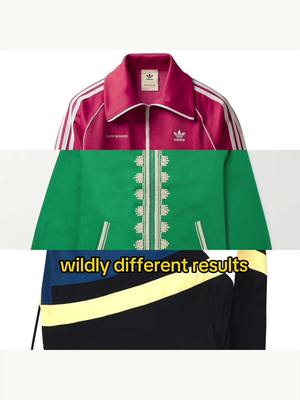
@frontoffice.co Track jackets and personal history #fashiontiktok #walesbonner #martinerose #bode #tracksuit #trackjacket #fashion

@frontoffice.co
TikTok · Talking Head Edit
@frontoffice.co Track jackets and personal history #fashiontiktok #walesbonner #martinerose #bode #tracksuit #trackjacket #fashion
Performance
Video #6711 · Talking Head Edit
[01]
The creator analyzes how three distinct fashion designers—Wales Bonner, Bode, and Martine Rose—interpret the classic track jacket. He breaks down each designer's approach, linking their unique designs to their personal histories and cultural influences, such as 70s Jamaican culture, American nostalgia, and 90s UK rave subculture. The video concludes by arguing that great design is not about making the "best" version of an item, but about communicating bigger ideas and telling compelling stories through craft.
[02]
[03]
 909.7K1.9×Comparing three takes on one jacket@frontoffice.co · Case Study Breakdown
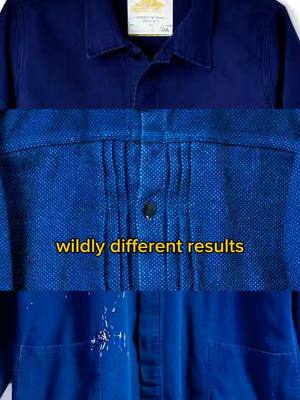 791.9K1.9×Three designers reinterpret one jacket@frontoffice.co · Case Study Breakdown
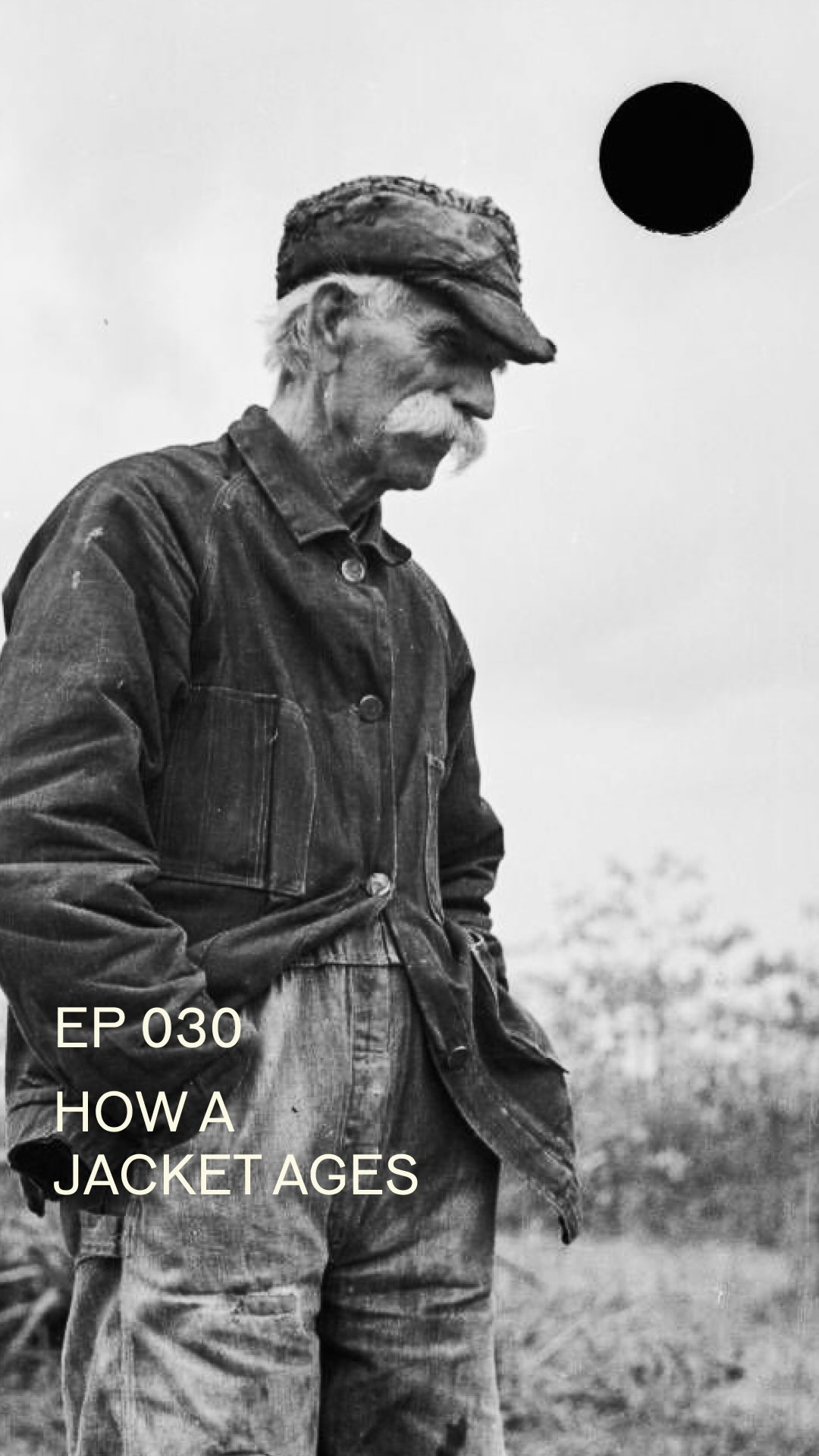 426K1.5×Explaining why we buy durable jackets@sakata.ken · Breakdown
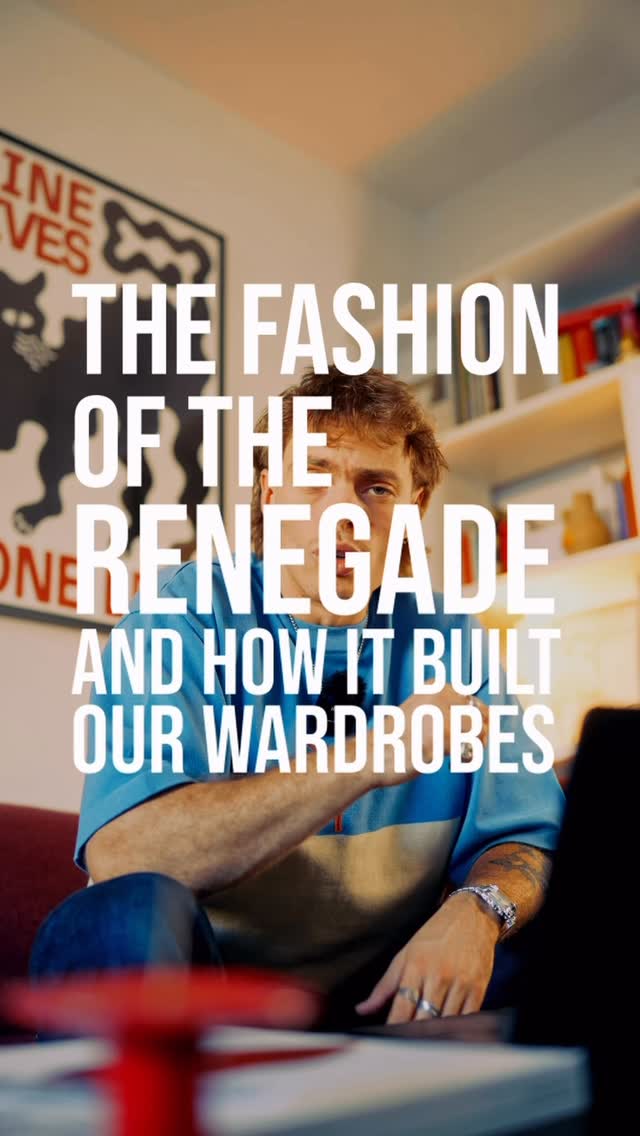 459.8K87.6×History of rebel fashion explainer@henrythekidd_ · Breakdown
 499.1K145.7×Historical breakdown of streetwear origins@henrythekid · Culture Profile
 119.9K61.7×Creator explains why fashion stopped@alexgreifeld · Breakdown
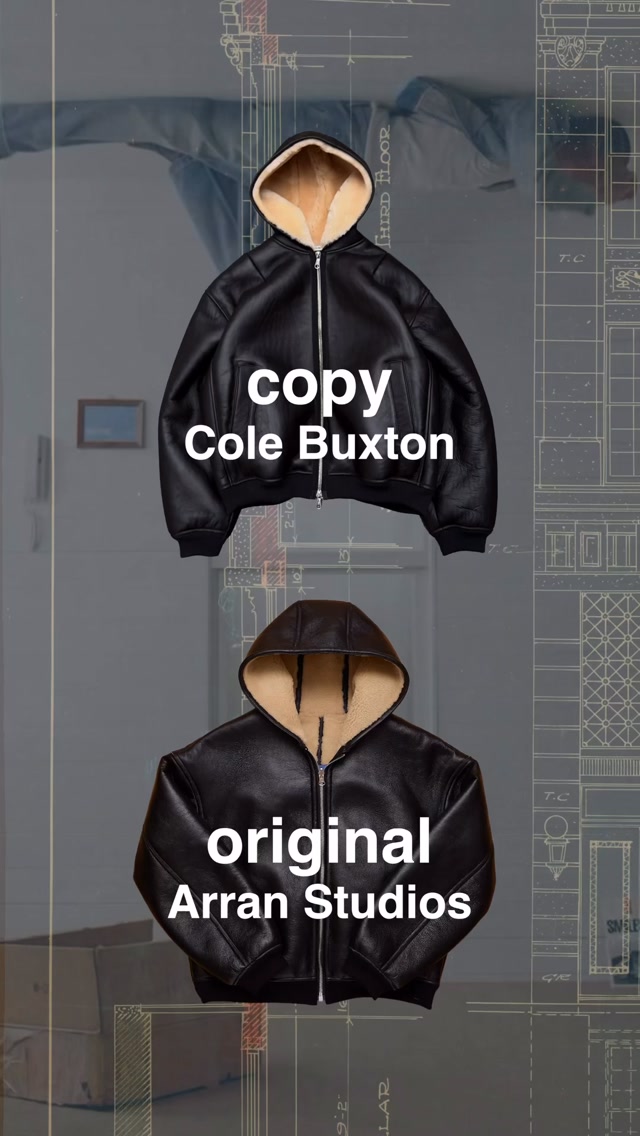 100.2K4.2×Brand copycat accusation with evidence@collspringer · Breakdown
 596.2K1.9×Cultural fashion exchange explained@frontoffice.co · Breakdown
 60.1K2×Showcasing creators of heritage style@ethan.lorin · Culture Profile
 150.1K1.3×Explaining military origins of fashion@henrythekidd_ · Origin Story
 17M3×Rapid-fire men's fashion style guide@wisdm · Rapid Fire Listicle
 164.3KExplaining a sold-out jacket's success@thisisantwon · Case Study Breakdown
[04]
[05]
What stops the scroll in the first 3 seconds
Title hook · 50%
three designers / the same jacket / wildly different results
Verbal hook · 20%
Alright. I'll tell you a story.
Visual hook · 30%
A rapid montage of three distinctly different track jackets (magenta, green, and blue/black) is shown in quick succession, creating a strong visual contrast and information gap.
[06]
Steal this for your own video
/ the same / wildly different
[07]
The promise the opener makes, and how the video pays it back
Hook
A direct promise to compare multiple interpretations of a single, familiar subject, promising 'wildly different results' to create immediate curiosity.
Payoff
The Synthesis. The narrative concludes by reframing the initial comparison away from 'which is best' and towards 'what ideas are most interesting.' It delivers a final thesis that the true value lies in using craft to communicate bigger, abstract ideas.
[08]
The structural pattern this video runs on
Framework
The Interpretive Gauntlet
To demonstrate how a single, common object or concept can be interpreted in vastly different ways by different creators, with each interpretation revealing a deeper, unique story based on the creator's philosophy and background.
The Common Ground
Define the baseline subject. Establish its common, universally understood characteristics to create a foundation for comparison and manage viewer expectations.
Case Study 1: The Heritage Interpretation
Present the first interpretation, linking a creator's personal history and cultural background to specific design choices that elevate the common object into a story of heritage and status.
Case Study 2: The Nostalgic Interpretation
Present the second interpretation, focusing on a creator's philosophy of memory and preservation. This beat analyzes how material choices and historical references transform the object into a personal heirloom.
Case Study 3: The Subversive Interpretation
Present the final and most complex interpretation. It begins by framing the object as conventional, then uses a 'look closer' reveal to expose a hidden structural complexity, telling a story about technical skill and the blending of high/low culture.
Track jackets and personal history #fashiontiktok #walesbonner #martinerose #bode #tracksuit #trackjacket #fashion
title · beginning
three designers
title · beginning
the same jacket
title · beginning
wildly different results
contextual · beginning
Wales Bonner
informational · middle
Caribbean influence
informational · middle
70s Jamaica
contextual · middle
also about nostalgia, Bode
contextual · middle
Martine Rose
informational · end
complex pattern-making
informational · end
'who makes the best tracksuit'
Alright. I'll tell you a story. Three designers take on the same jacket and come up with wildly different results. So the jacket in question is a track jacket, the top half of a tracksuit. They're usually nylon, polyester, piping over the seams, color blocking. Like, we know what a track jacket looks like. Designer one is Wales Bonner. So Grace Wales Bonner, her father's Jamaican, her mother's white English. So her work brings a lot of an Afro Caribbean influence into European luxury. She's telling the story of her family. It's really unfair to present just one because she's so prolific. So this is my favorite. There's this red pink tracksuit, large exaggerated collar, and the silhouette is a slim sculpted look. With those design elements, she's giving us an idea of the seventies. So these rank are apparently are based on what her father used to wear. But this isn't a one to one recreation. She elevates the piece with these handmade crochet trims, thick ribbing luxury fabric. And by elevating what we take for granted, she's telling the story of seventies Jamaica, showing us the cultural status of the tracksuit. It's not just sportswear but it's high status on par with luxury tailoring. So company number two is also about nostalgia. It's Bad. Her personal philosophy is to think of clothing as personal heirlooms. They're things that can be passed down. So take a look at her track jacket. So her piece isn't really about sports performance, but this shape, this block is actually based on a vintage children's jacket. Instead of nylon, she uses cotton. And you can see from the hand stitched embroidery details that this is something that's quite personal. And when she first started her brand in tier, almost everything that she good was made from vintage fabric. Like this doesn't feel commercial. You feel like when you're handed this, you feel like this is your grandparents' clothes or something that you find in a vintage shop. So her big idea is about preserving American tradition. History, memory, craftsmanship. Finally, company number three, Martine Rose. And this design is wild. Martine Rose draws from ninety's rave culture and peripheral subcultures in The UK. And if you're not paying attention, her jacket from afar looks quite conventional. You've got the crispy nylon texture. You've got the color blocking, the oversized silhouettes. And when you look at it, you go like, yeah, I get it. Nineties UK rank. And then you look closely, and you notice something's not quite right about this shoulder. And you trace the fabric down, and then you see something that's closer to a shawl or like a toga. And as soon as you see it, the illusion of a retro tracksuit breaks. And then you realize that this is not a regular tracksuit. This is actually a this is dressmaking. So what are the ideas here? Is she showing complex pattern making ending up in a tier tracksuit? Ultimately telling a story about worse, about high low culture. How she's a very refined technical designer inspired by 90s sportswear low culture shapes. So what's the washer? So I think it's really interesting to compare common garments with a wide interpretation. You know, and once you step out of who makes the best tracksuit, you open yourself up to a more interesting question. Like, which ideas resonate most with me? Which stories are the most interesting? Is it the tracksuit and its place in seventies Jamaican culture? Is it the preservation of fifties Americana? Or is it the mixing of high low culture? Each brand shows that if you've got command over your craft, if you have a design language, design vocabulary, what you're not showing people is not just fabric and stitching. What you are trying to communicate are bigger ideas.