@sakata.ken
Instagram · Talking Head Edit
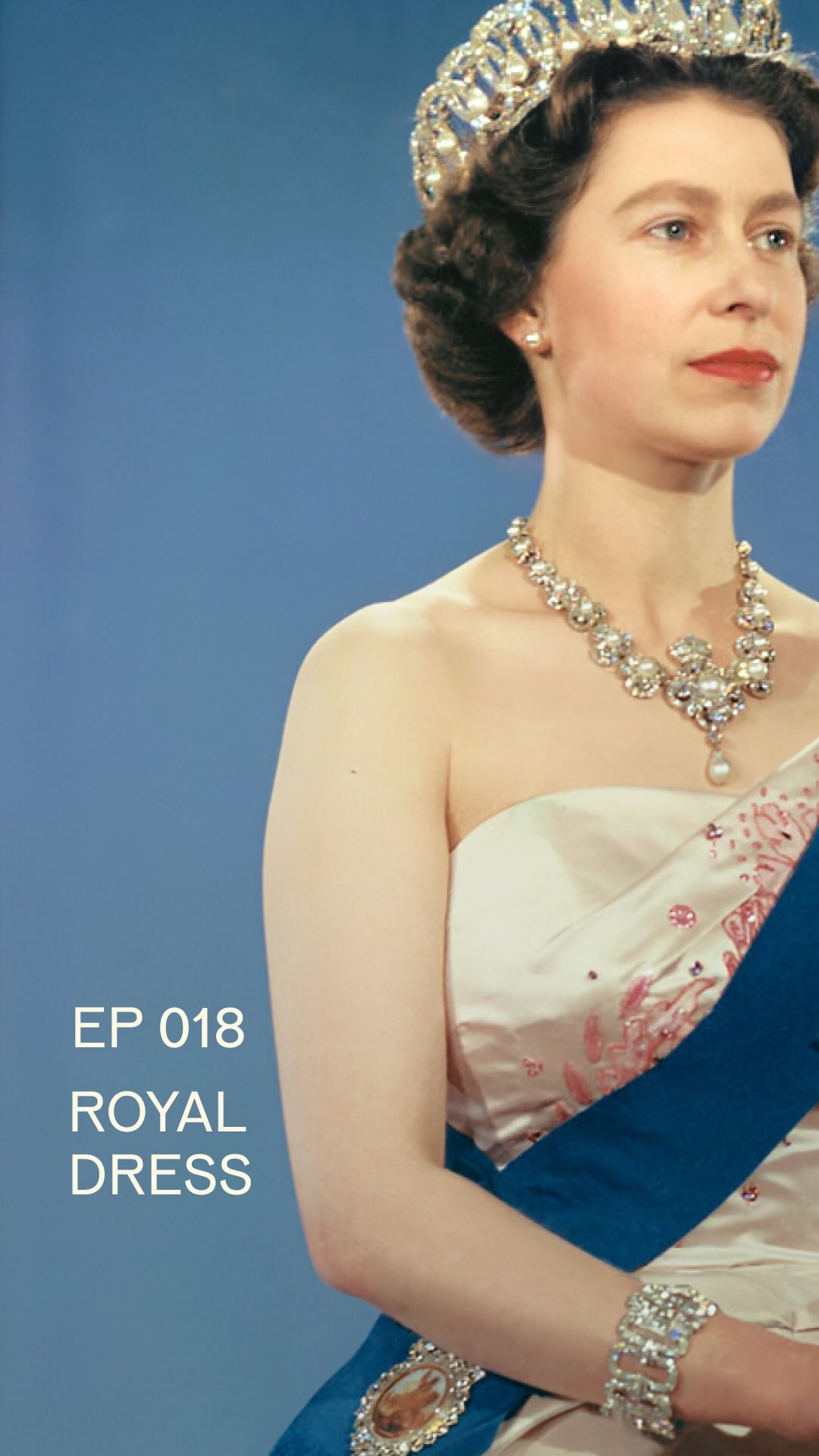
@sakata.ken Royal dress codes and what they reveal about the local culture and values

@sakata.ken
Instagram · Talking Head Edit
@sakata.ken Royal dress codes and what they reveal about the local culture and values
Performance
Video #15445 · Talking Head Edit
[01]
The creator analyzes and compares the ceremonial dress codes of three different royal families: the British, the Japanese, and the Asante Kingdom of Ghana. He breaks down the specific garments, materials, and colors used by each, explaining how these choices reflect the culture's values, resources, and history. The analysis contrasts the British use of imported luxury goods to signify a global empire, the Japanese focus on domestic craftsmanship and social hierarchy through "forbidden colors," and the Asante's display of abundant natural resources like gold and handwoven Kente cloth.
[02]
[03]
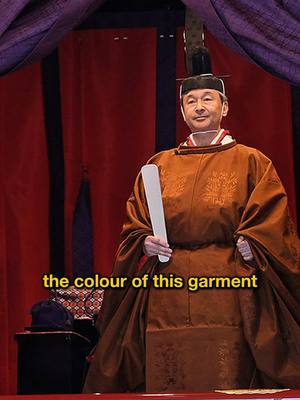 788.3K1.9×Comparing royal dress codes' cultural meanings@frontoffice.co · Breakdown
 966.1K25.9×Fashion commentator analyzes team's outfits@johnmvilla2 · Breakdown
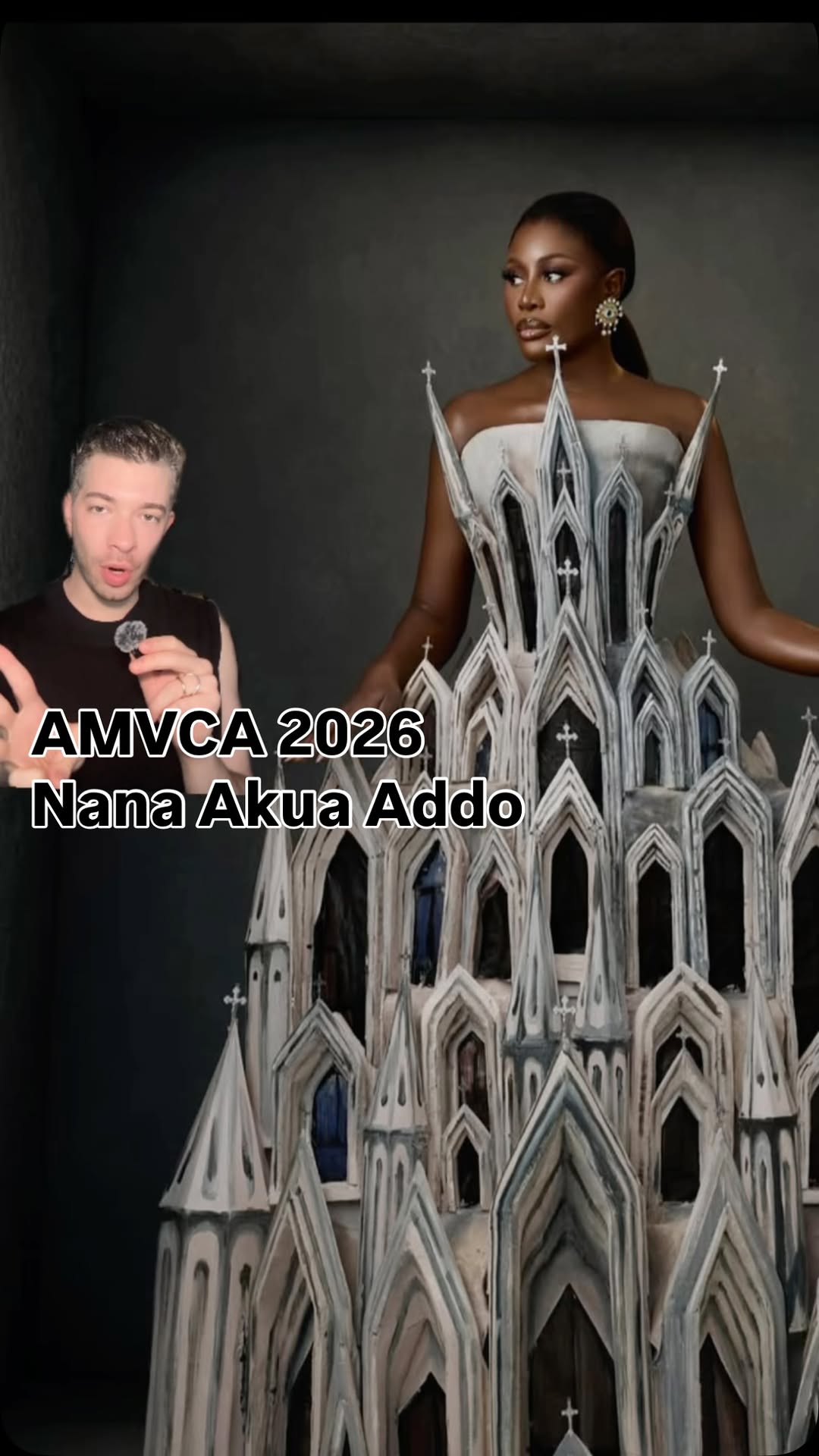 363.9K9.6×Commentator reviews avant-garde fashion looks@johnmvilla2 · Breakdown
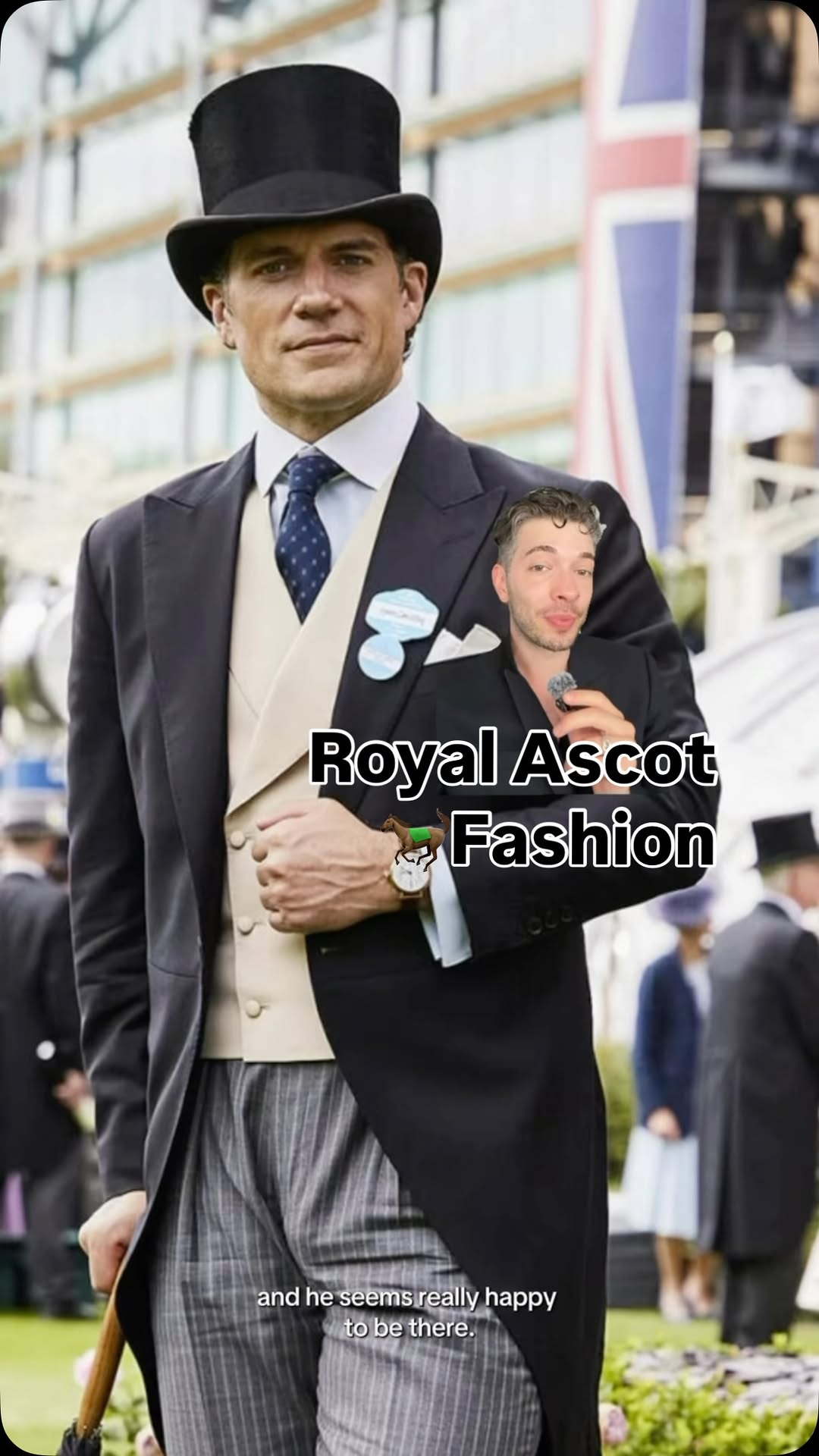 156.9K4.3×Fashion commentator reviews celebrity outfits@johnmvilla2 · Rapid Fire Listicle
 552.7K20.6×Explaining an obscure aesthetic's origin@fakeplasticbrands · Breakdown
 226.7K21.5×Analyzing celebrity wedding fashion looks@johnmvilla2 · Breakdown
 316.7K1.9×Four core themes of Japanese design@frontoffice.co · Breakdown
 272.1K8×Celebrity fashion art history breakdown@johnmvilla2 · Breakdown
 770.1K1.7×Comparing three designers' jacket interpretations@frontoffice.co · Case Study Breakdown
 366.4K17.6×Creator commentary on fashion show@johnmvilla2 · Breakdown
 596.2K1.9×Cultural fashion exchange explained@frontoffice.co · Breakdown
 82.4KDesigner profile with picture-in-picture narration@astonemmm · Origin Story
[04]
[05]
What stops the scroll in the first 3 seconds
Verbal hook · 35%
Right, so these are three different royal families with three wildly different dress codes...
Visual hook · 65%
A quick cut from the speaker to a full-body shot of a man in elaborate, traditional Japanese royal attire, featuring a unique tall black hat and voluminous brown robes. The striking and culturally specific outfit immediately grabs attention.
[06]
Steal this for your own video
Quick-cut from the speaker to a full-body reveal of a person wearing , emphasizing to introduce a comparison of traditions.
[07]
The promise the opener makes, and how the video pays it back
Hook
A declarative thesis that introduces a category of items and promises to reveal a hidden layer of meaning by comparing their differences.
Payoff
The Universal Bridge. Connects the specific analyses back to a universal human concept and challenges the viewer to apply the same analytical framework to their own life or choices.
[08]
The structural pattern this video runs on
Framework
The Comparative Deconstruction
To analyze a set of distinct examples (typically three) through a consistent analytical framework, revealing how their surface-level differences signify deeper, contrasting core values or principles.
Case Study 1: The External Value System
Analyzes the first subject, demonstrating how its value is derived from external sources, control over a wide area, or imported rarity.
Case Study 2: The Internal Value System
Analyzes the second subject, providing a direct contrast by demonstrating how its value is derived from internal factors like specialized skill, social rules, or manufactured scarcity.
Case Study 3: The Inherent Value System
Analyzes the third subject, offering a final perspective by demonstrating how its value is derived from inherent, local qualities like abundant resources, cultural history, or storytelling.
Royal dress codes and what they reveal about the local culture and values
contextual · beginning
royal families
contextual · beginning
different dress codes
contextual · beginning
beautiful and important
informational · beginning
colobium sindonus
informational · beginning
called the supertunica
informational · beginning
the robe royal
informational · middle
with the imperial state crown
informational · middle
a sokutai
informational · middle
of 'forbidden colours'
contextual · end
the Asante Kingdom
informational · end
the Asantehene
informational · end
strip sewn kente cloth
Right, so these are three different royal families with three wildly different dress codes and those differences reveal what they consider to be rare, beautiful and important. So first up we've got the British. The king or queen is coronated in a specific outfit. The first layer is called a colobium sindonis and that's just plain linen. Best, they wear a gold flowing robe called a super tunica and it's decorated with the national symbols of the home nations. And on top of the super tunica is the robe royal, which is a flowing long gold robe. And then the king or queen is crowned of the imperial state crown. So what is the point of this? What are the messages that they're trying to get across? No Britain, out of its own natural resources, have very little supply. But by demonstrating these layers of luxurious clothes, very precious gemstones, these diamonds are from South Africa, these rubies are from Burma and the fur is from Canada. They are painting a picture that they are the head of a global empire with inbound roads of wealth. The visual vocabulary speaks to one of reach. The second culture are the Japanese. When the emperor is enthroned, they have to wear something called a sokutai. That's made out of a raw silk gauze. But I think what's really interesting in this example is that none of these things are rare in Japan. A domestic silk supply is available and so are domestic natural dyes that create this color. So what makes this valuable? What makes this scarce? The fabric is handwoven and to get these subtle patterns you need a very high level of skill. But most importantly is the colour of this garment. It is sumac dye and the scarcity is a creation of a social construct of forbidden colours. Certain colours are reserved for certain social hierarchies, like deep scarlet is reserved for high ranking officials, the colour blue is linked to commoners or common people and sumac dye, this colour was used only for the outerwear of the emperor of Japan. And the messaging of this particular outfit is that this is a nation of craftspeople and this is a nation that still has a lot of value in social hierarchy and within that there is tremendous value in the obedience and compliance. Thirdly we have the Asante kingdom from Central Ghana. This is a kingdom of rich natural resources, gold, diamonds and natural timber. The king of the Asante Kingdom, the Asante Heni drapes a single strip sewn better cloth over one shoulder. The entire body, the ankles, wrists, elbows carry these massive cast gold jewelry. This is a display of this particular region's natural resources. True authentic better cloth is handwoven. Each color has a specific meaning. Gold means royalty, wealth or spiritual purity. Blue means peace, harmony and love. White is purity and healing. And by weaving this cloth, this is like putting phrases together in a sentence. You are constructing a narrative of this person. And the ideas transmitted from the close is that this is a nation that is blessed with resources. The thing that is prized is cultural narrative and the history of its people. And I suppose the cultural weight of royalty has waned over tier, all over the worse. But the outward expression of what we find important about ourselves is still a very contemporary concept. What are our clothes saying about it? Are they doing a good job of condensing your positions about the world?