@bitterbuilds
Instagram · Yap

@bitterbuilds
Instagram · Yap
Performance
Video #43537 · Yap
[01]
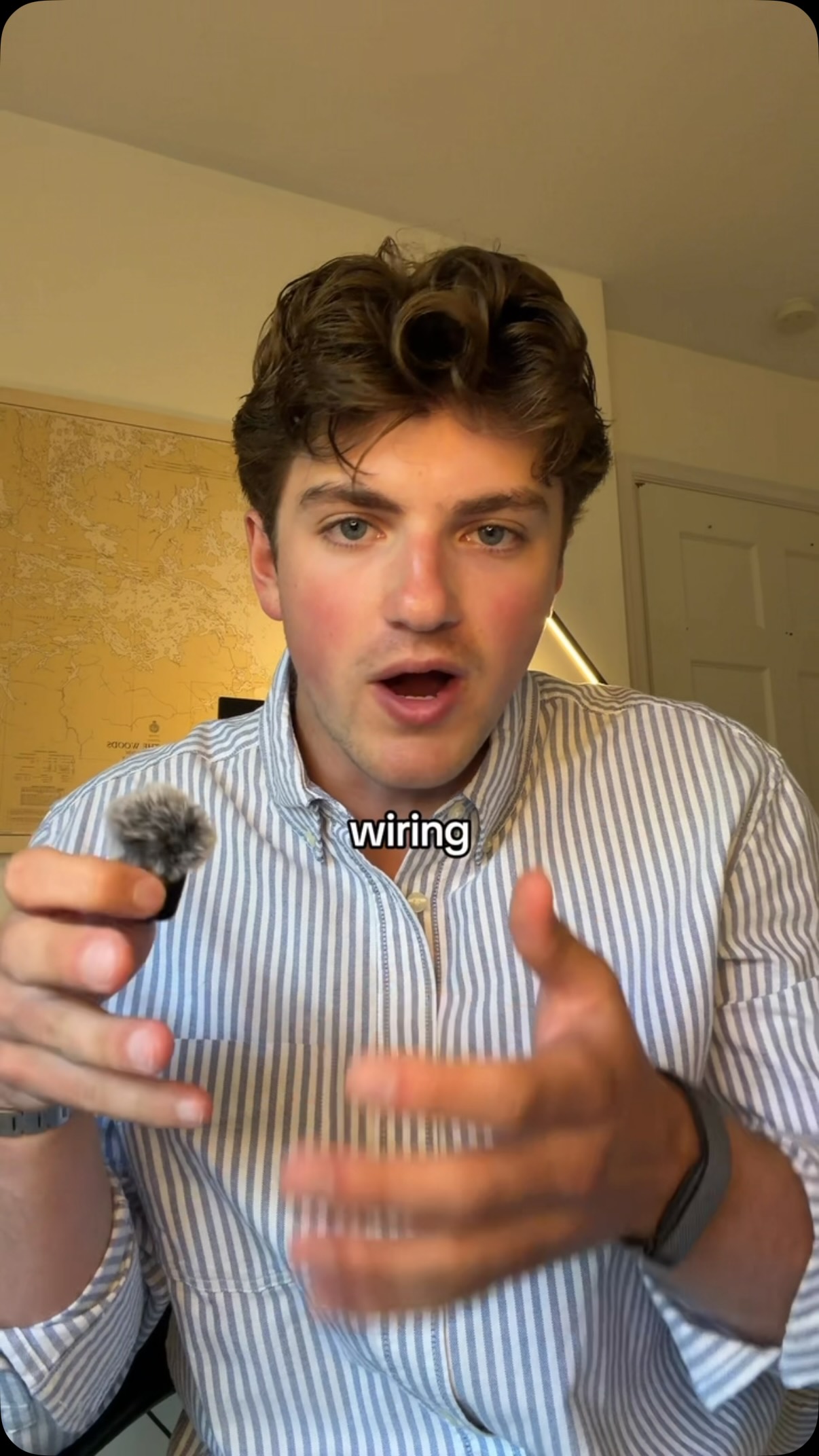
The speaker tells a story about an Olympian's quote on neuroplasticity, showing a clip of her speaking on his phone. He then explains the scientific concept that the brain can be rewired through repeated actions, not just intentions, and uses the example of exercise to illustrate that consistent behavior is what changes the brain.
[02]
[03]
 270.8K9.6×Use writing to change mindset@davidsenra · Anecdotal Philosophy
 1M35.4×Expert shares advice on productivity@a16z · Anecdotal Philosophy
 182.1KWhy you should do hard things@higherupwellness · Motivational Mantra
 871.4K3.8×Split screen neuroscience mindset breakdown@rony · Breakdown
 226.5K24×Simple framework for changing life@viralclubhouse_ · Motivational Mantra
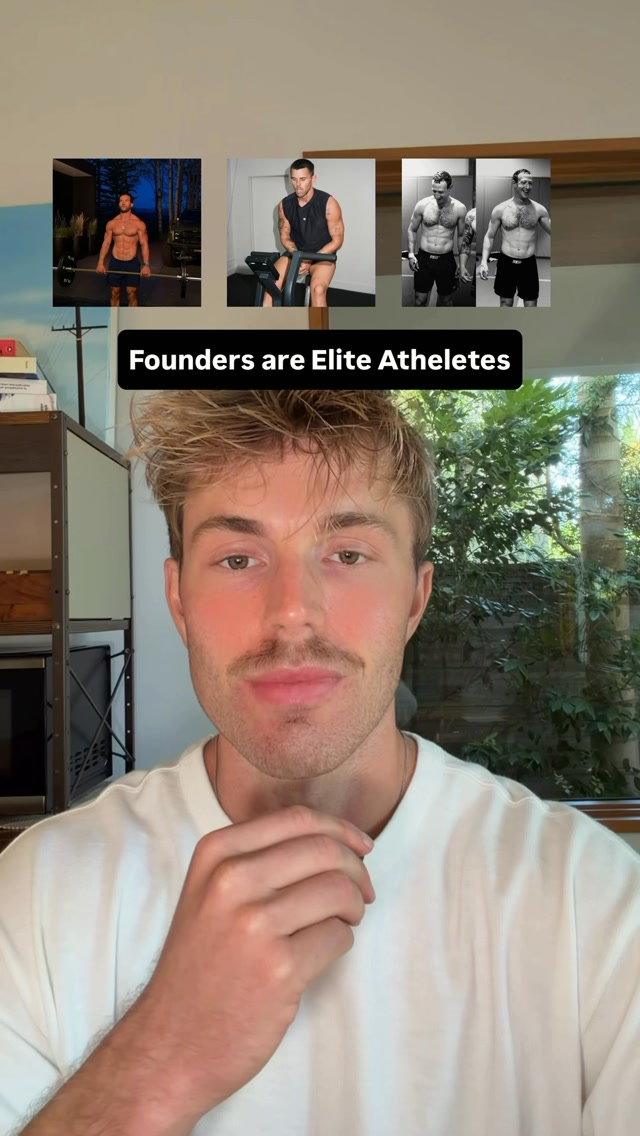 186.1K1.4×Founder argues fitness equals success@cormacbuilds · Brand Manifesto
 351.5K36.4×Mythology lesson on self-knowledge@kolbykirschner · Anecdotal Philosophy
 3M224×AI analogy explains why we dream@itsemilyhiggins · Opportunity Explainer
 374.6KExplains mindset hack using LARP@jaylinleee · Opportunity Explainer
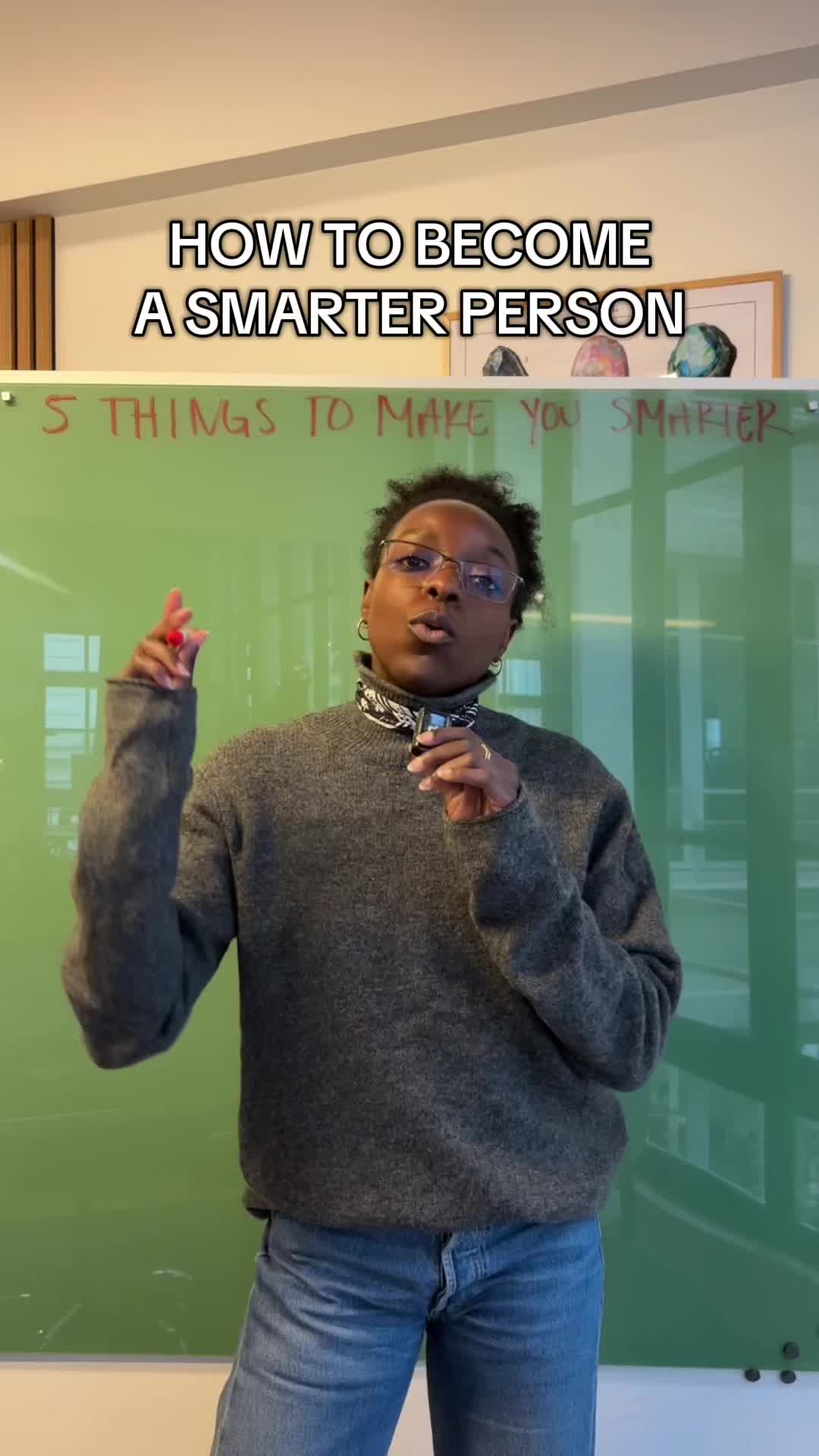 7.2MCreator gives five tips on whiteboard@olivia.unplugged · Tutorial / How To
 215.5K4.5×Motivational advice delivered while lying down@massivemouse · Motivational Mantra
 6.2M153.2×Turning life's losses into wins@youchoosepodcast · Anecdotal Philosophy
[04]
[05]
What stops the scroll in the first 3 seconds
Verbal hook · 95%
A few months ago, a 22 year old Olympian said...
Visual hook · 5%
Medium close-up of a speaker talking directly to the camera, who then quickly raises a phone into the frame to display a video clip.
[06]
Steal this for your own video
A said something about that changed how I think about .
[07]
The promise the opener makes, and how the video pays it back
Hook
An intriguing, aspirational statement from a credible or relatable source that introduces the video's central promise.
Payoff
A simple, concrete, everyday example that illustrates the core maxim in action, making the advice easy to understand and apply.
[08]
The structural pattern this video runs on
Framework
The Scientific Reframe
To take a common aspirational goal, debunk the popular but ineffective approach to achieving it, and replace it with a scientifically-backed, counter-intuitive, but simple action.
The Authoritative Anecdote
Opens with a compelling quote or short story from a figure of authority or high achievement, establishing the video's aspirational theme.
The Empowering Premise
Broadens the initial anecdote into a universal statement of potential, telling the viewer they have control over the outcome.
The Scientific Principle
Names the core scientific or psychological concept that underpins the premise, lending credibility and weight to the argument.
The Immediate Personalization
Directly connects the abstract principle to the viewer's current experience, making the concept feel tangible and urgent.
The Myth Debunk
Explicitly states what doesn't work, challenging a common belief or approach (e.g., 'wanting is not enough').
The Actionable Directive
Provides the correct, alternative action the viewer should take, directly contrasting with the debunked myth.
The Core Maxim
Distills the entire argument into a simple, memorable, and tweetable binary phrase (e.g., 'A, not B').
A few months ago, a 22 year old Olympian said, with neuroplasticity on my side, I can literally become exactly who I wanna be. Because once you realize your brain can radically change whenever you want, you start to become its architect. According to neuroscience, neuroplasticity dominates your life. You are rewriting your personality with each new day. Like, as you watch this video, your brain is wiring itself around what you focus on and building new habits based off that. So the bottom line is wanting an outcome means nothing to your brain. Instead, repeat the behavior attached to the outcome you worst, because neuroplasticity rewards repetition, not intention. In other words, your brain does not care that you wanted to worse, it only knows that you've exercised the past fifty days.