@itsemilyhiggins
Instagram · Talking Head Edit
@itsemilyhiggins Why do we dream? In 2021, a neuroscientist at Tufts (Erik Hoel) found the answer hiding inside a machine learning problem.

@itsemilyhiggins
Instagram · Talking Head Edit
@itsemilyhiggins Why do we dream? In 2021, a neuroscientist at Tufts (Erik Hoel) found the answer hiding inside a machine learning problem.
Performance
Video #29922 · Talking Head Edit
[01]
The creator explains a modern neuroscientific theory about why humans dream by drawing a direct analogy to the machine learning problem of 'overfitting.' She illustrates how dreams serve as novel 'training data' for the brain to prevent it from becoming too specialized for our repetitive daily lives, concluding with the idea that we sleep in order to dream.
[02]
[03]
 213.1K6.3×Explains brain hack for creativity@fakeplasticbrands · Tutorial / How To
 144.4K8.4×Comedic monologue about weird dreams@rexxliferaj · Vulnerable Monologue
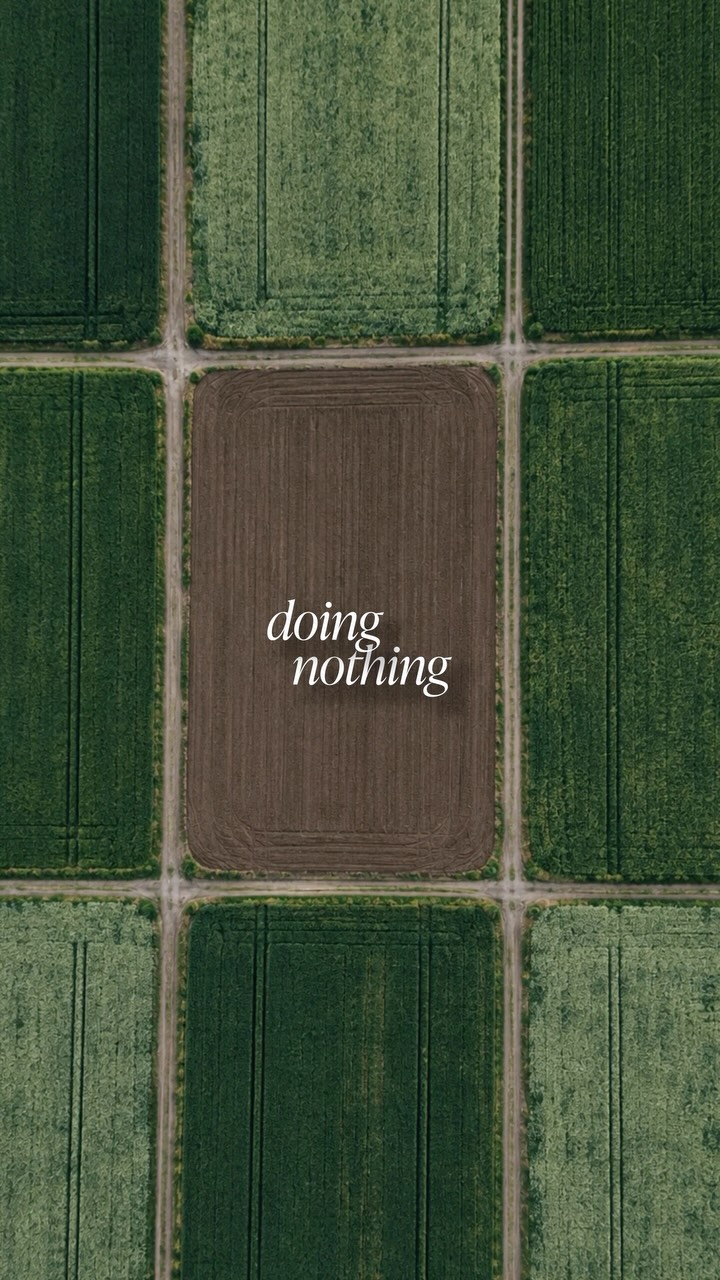 247.9K14.6×Farming metaphor for mental rest@itsemilyhiggins · Opportunity Explainer
 464.4K5.8×Explains time perception with lifestyle montage@happywithmeg · Breakdown
 2.9M29.2×Olympian quote explains brain science@bitterbuilds · Case Study Reminder
 502.9K94.6×Explains Tesla's creative thinking method@kolbykirschner · Case Study Breakdown
 76K1.8×Isaac Newton's deep work method@kolbykirschner · Case Study Breakdown
 1.1M1.3×Creator explains nocturnal emissions phenomenon@mysecretcase · Breakdown
 2M51.5×Direct-to-camera motivational quotes explained@austingeorgas · Motivational Mantra
 957.4K22.7×Explaining Tesla's genius learning method@kolbykirschner · Case Study Breakdown
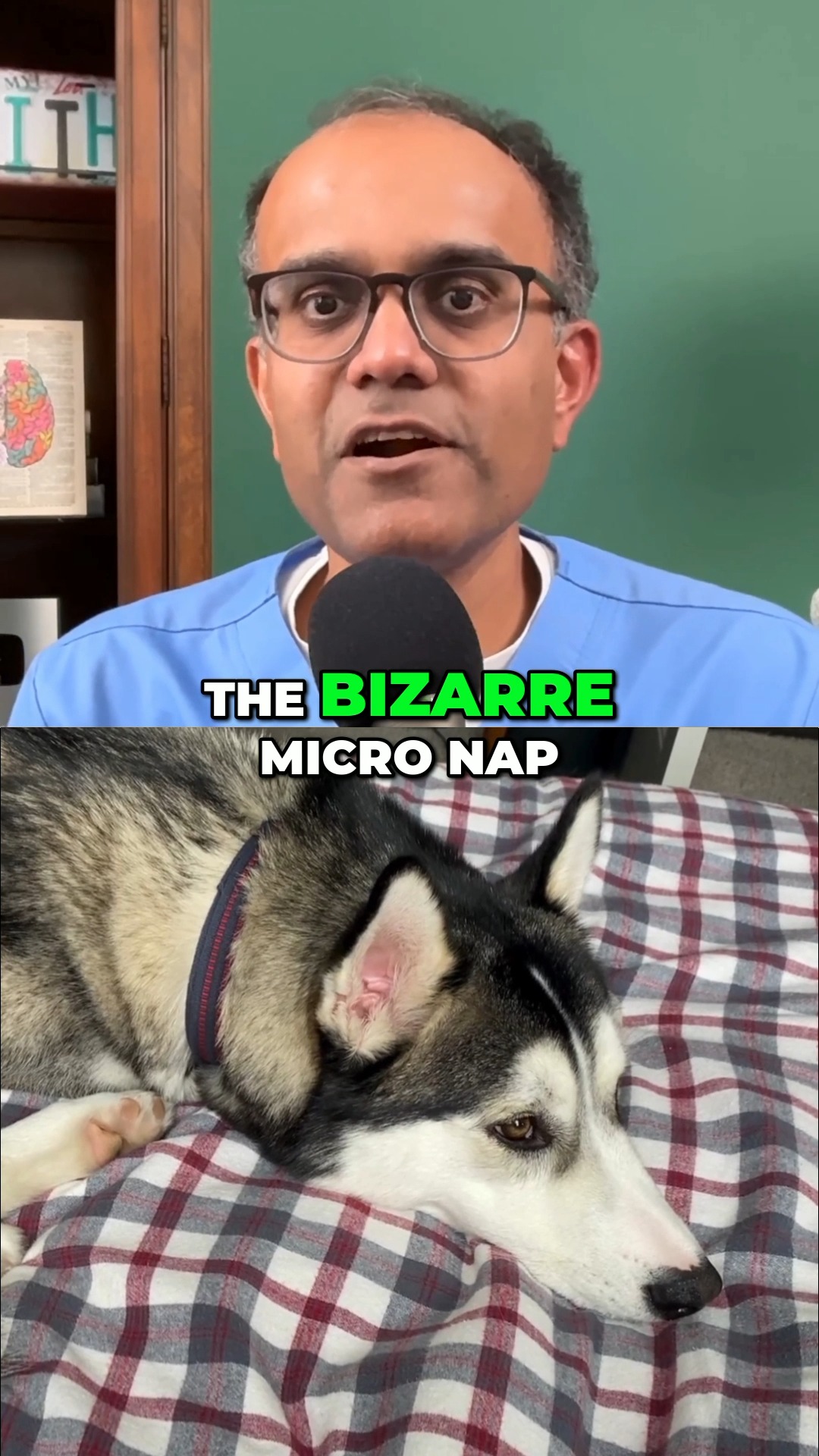 447.4K28.1×Expert explains science of napping@nealkshah · Breakdown
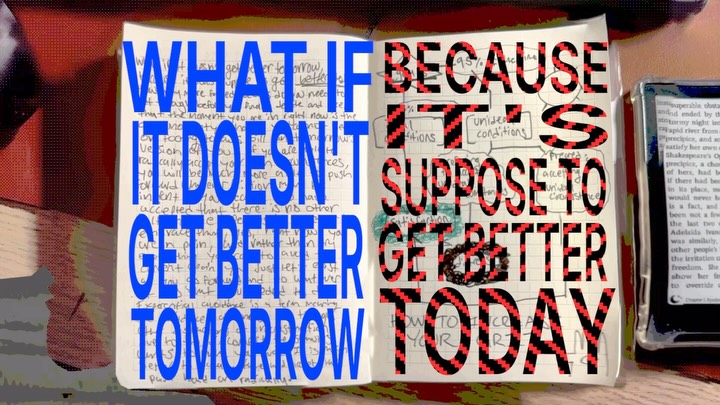 361.6KUsing a diagram to explain mindset@danny_fiftyfifty · Breakdown
[04]
[05]
What stops the scroll in the first 3 seconds
Title hook · 25%
why we dream
Verbal hook · 65%
For a hundred years, we've been trying to figure out why we dream, and the answer might have just come from machine learning.
Visual hook · 10%
The video opens with a close-up of the speaker with an engaged, questioning expression, then immediately cuts to a visually intriguing shot of black ink swirling and dispersing in a bowl of water.
[06]
Steal this for your own video
For , we've been trying to figure out , and the answer might have just come from .
[07]
The promise the opener makes, and how the video pays it back
Hook
Open with a long-standing, relatable mystery and immediately tease that the answer comes from a completely unexpected and modern source, creating a strong intellectual curiosity gap.
Payoff
Conclude by flipping a universally held assumption on its head, using the new understanding to propose a radical re-ordering of cause and effect, leaving the viewer with a profound new perspective to ponder.
[08]
The structural pattern this video runs on
Framework
The Analogical Reframe
This framework explains a complex or mysterious topic by introducing a simple, compelling analogy from an unrelated field, and then using that analogy to reframe the original topic in a surprising, paradigm-shifting way.
The Ancient Question
State a broad, philosophical, or scientific question that has puzzled humanity for a long time, establishing a shared sense of curiosity.
The Unlikely Source
Introduce a concept from a seemingly unrelated, often technical or modern, field as the key to the answer.
The Analogous Concept Explained
Break down the foreign concept into simple, understandable terms, using metaphors and clear language to define a specific problem and give it a name (e.g., 'overfitting').
The Bridge
Explicitly state the core thesis: the original subject (e.g., the brain) suffers from the exact same problem as the analogous subject (e.g., an AI).
The Relatable Parallel
Ground the abstract problem in the viewer's everyday experience, showing how it manifests in their own life to make it feel personal and intuitive.
The Functional Reveal
Present the mysterious phenomenon (e.g., dreaming) as the subject's elegant and strange solution to the now-understood problem.
The Purpose Re-stated
Re-articulate the solution in the language of the analogy, solidifying the connection and providing a clear, functional purpose (e.g., 'generates training data').
Why do we dream? In 2021, a neuroscientist at Tufts (Erik Hoel) found the answer hiding inside a machine learning problem.
title · beginning
why we dream
informational · middle
overfitting
informational · middle
distorted memories
informational · middle
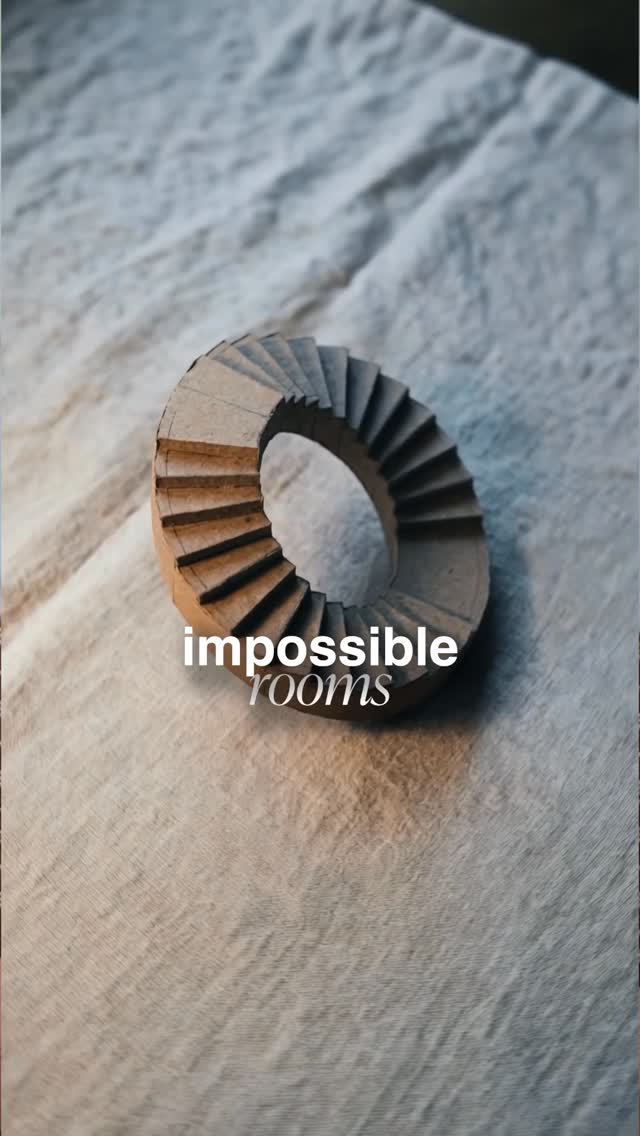
impossible rooms
informational · end
training data
informational · end
we sleep because we need to dream
A hundred years, we've been trying to figure out why we dream, and the answer might have just come from machine learning. When you train an AI model in the same data over and over, it starts to break. It stops learning the pattern and starts memorizing the examples you gave it. And eventually, it gets so familiar with the memorized patterns that it becomes incapable of learning anything new. It's called overfitting. In 2021, a neuroscientist proposed that your brain has the exact same problem. Better day, you live the same narrow slice of life, the same commute, the same faces. And if your brain just consolidated that on loop, you'd be hyper specialized for yes, but always bad at tomorrow. So at night, it does something strange. It generates experiences that didn't happen, distorted memories, impossible rooms, people you've never met. Every night, your brain generates training data for a life that you haven't lived yes, so you can continue to process new things. We've always thought that we dream because we sleep, but maybe we sleep because we need to dream.