Post caption
I am trying to design and build a fully permitted house for under $100k in California. This is going to be hard because that budget is well below the average and there are a lot of interconnected tasks. I already own the land so I will have a budget of for 100k permitting and construction. I am going to do the design with some hired help from architects, drafters, and engineers. I will do some of the building with hired help from carpenters, plumbers, and electricians. I am going to hire smart people with valuable experience while doing as much of the work myself as I can. I will track the cost of the people I hire as well as my hours of labor.
That leaves a lot of project management, cost analysis, bid comparisons, scheduling of subcontractors, research, and permitting work. This work is not fun for me, and I am going to use @ChatGPT for these tasks.
I don’t want AI to design for me. It can’t physically build so I am going to use it to do the admin work that is essential to this project that find annoying and yucky.
I am starting with research, then design, engineering, and permitting. With a budget this extreme these are not one-time tasks. With each step we will have to evaluate the cost impacts and make changes or in some cases start over. You may think you have the perfect floorplan and structural engineering package only to find out you aren’t meeting California’s strict energy code and that the extra insulation requirement will blow up your budget.
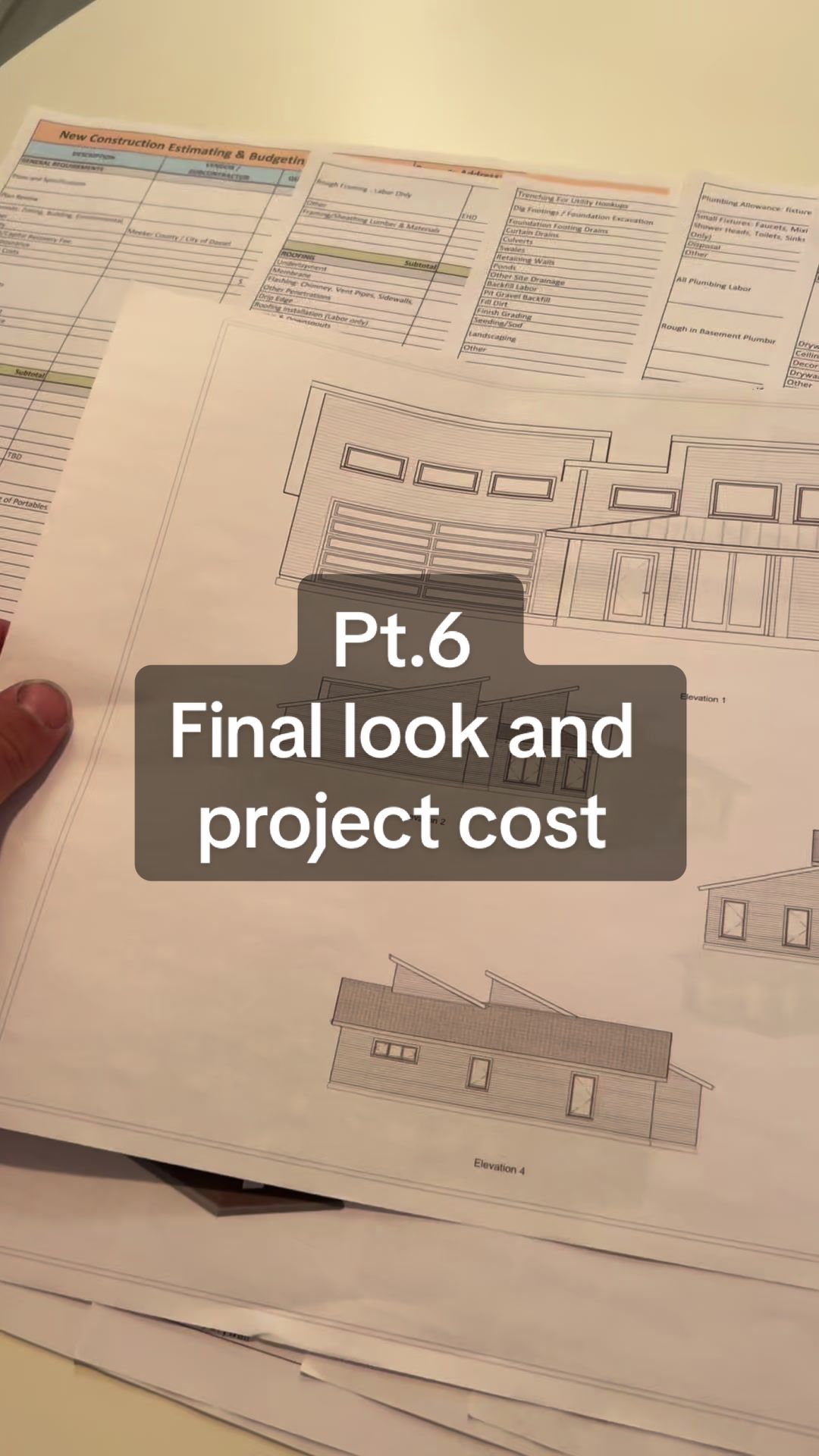
Even for a small house there is a massive amount of technical information that needs to be considered to get a cost-effective design. I created a project folder in @ChatGPT that allows me to store all the design drawings, product specifications, building code, engineering reports and the budget tracker so that its analysis is based on the specifics of my project.
Right now, I am using @ChatGPT to see how 3 different sized floorplans would impact permitting fees and how reducing solar heat gain will result in a less expensive HVAC system. #chatgpt_partner
Transcript
I'm trying to design and build a house in California for under a $100,000. This is gonna be hard because that budget is well below the average, and there's a lot of interconnected tasks when it comes to building a new home. But here's how I'm gonna do it. Tier already own the rank, so I'll have a budget of a $100,000 for permitting and construction. I'm going to do the design with some hired help from architects, drafters, and engineers, and I will do some of the building with hired help from carpenters, plumbers, and electricians. I'm gonna hire smart people with valuable experience while doing as much of the work as I can myself. I'm gonna track the cost of the people I hire as well as my own hours of labor. That leaves a lot of project management, cost analysis, bid comparisons, scheduling of subcontractors, research, and permitting work. This work is not fun for me, and I'm gonna use ChatGPT for these tasks. I don't want AI to design for me. It can't physically build for me. So I'm gonna use it to do the admin work that's essential to creating a new home that I find, well, annoying and yucky. I'm starting with research, then design, engineering, and permitting. With a budget this extreme, these are not one time rank. With each step, we'll have to evaluate the cost impact and make changes, or in some cases, start over. You may think you have the perfect floor plan and structural engineering package only to find out that you aren't meeting California's strict energy code and that extra insulation requirement is about to blow up your budget. Even for a small house, there's a massive amount of technical information that needs to be considered and coordinated in order to get a cost effective design. I created a project folder in ChatTBT that allows me to store all the design drawings, product specifications, building code, engineering reports, and the budget tracker so that its analysis is based on the specifics of my project. Right now I'm using ChatGPT to see how three different sized floor plans would impact permitting fees and how reducing solar heat gain will result in less expensive air conditioning systems. I'm starting to design the research process with this target budget. Soft costs are things like surveys, design, engineering, title 24, and permitting. Basically all the costs that are not about physically building. Hard costs are the material and labor costs for physical construction, such as excavation, foundations, framing, roofing, MEP, utility connections, insulation, cladding windows, interiors, and landscaping. This is gonna be hard, and we're already facing our first big decision, which is how big of a house can we build in California for under a $100,000? To follow along and find out.