@usga
Instagram · Speaker address
@usga Anyone can top a drive. But can you do it on command?!

@usga
Instagram · Speaker address
@usga Anyone can top a drive. But can you do it on command?!
Performance
Video #4566 · Speaker address
[01]
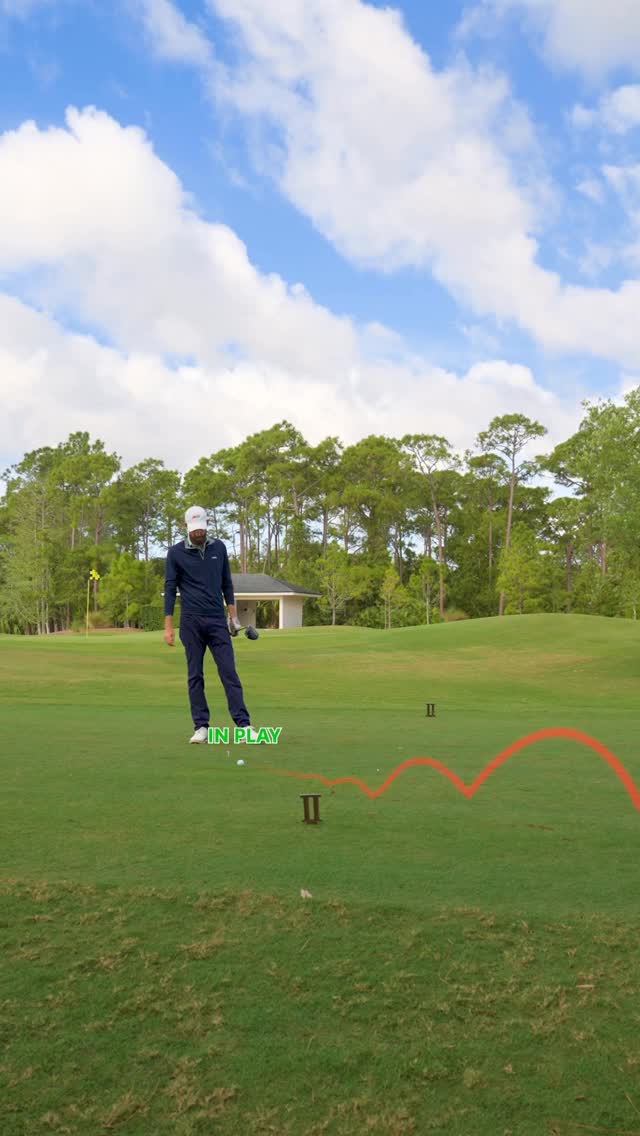
A narrator explains the official golf ruling for when a player swings and misses the ball on the tee. The video first establishes that the swing counts as a stroke if the player intended to hit the ball, then uses on-screen graphics and text from the rulebook (Rule 6.2) to show that the player is allowed to re-tee the ball anywhere within the teeing area without penalty for their second shot. The creator then demonstrates this by picking up the ball, re-teeing it, and hitting a successful drive.
[02]
[03]
 2M17.9×Golf rule explained with example@usga · Breakdown
 3M126.3×Golf rule explained with scenario@usga · Tutorial / How To
 629.4K2.9×Golf rules explained for when you can't tell your ball from your provisional@usga · Explainer
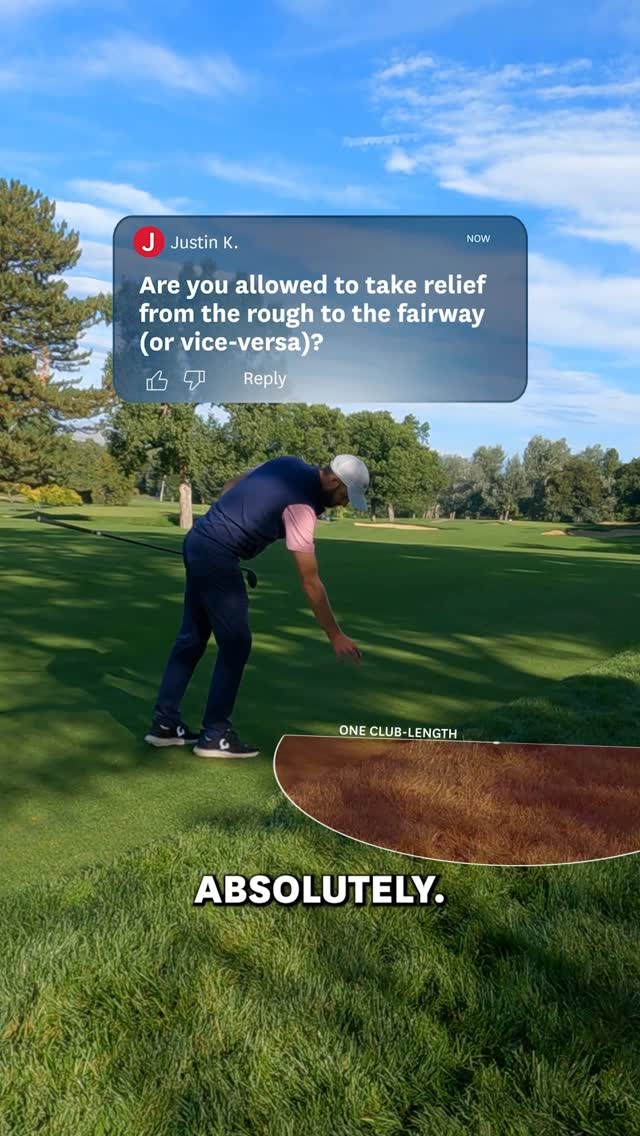 3.1M34.8×Golf rule relief scenario explained@usga · Breakdown
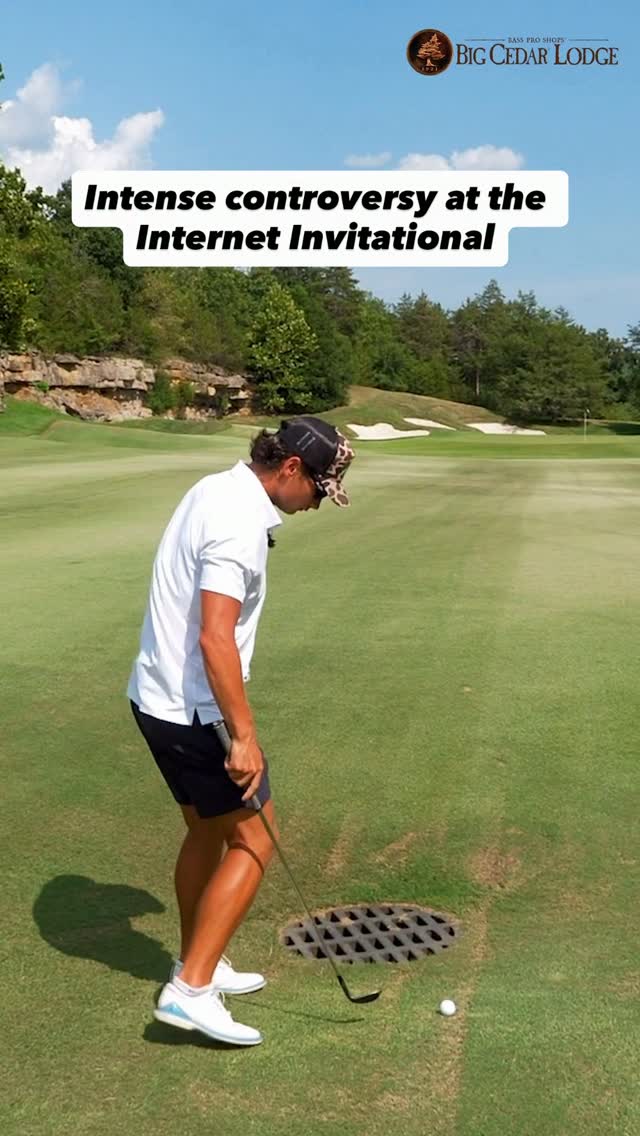 2.6M7.1×Golf rules controversy unfolds on-course@barstoolsports · Candid Conflict
 2M14.1×Hot take on golf rules@officiallysonny · Hot Take
 463.2K54.2×Explaining a fake golf rule@officiallysonny · Satirical Expertise
 382.3K10.2×Podcast clip reacting to golf etiquette@vanityindexpodcast · Reaction
 1.1M12×Explain specific golf rule scenario@usga · Breakdown
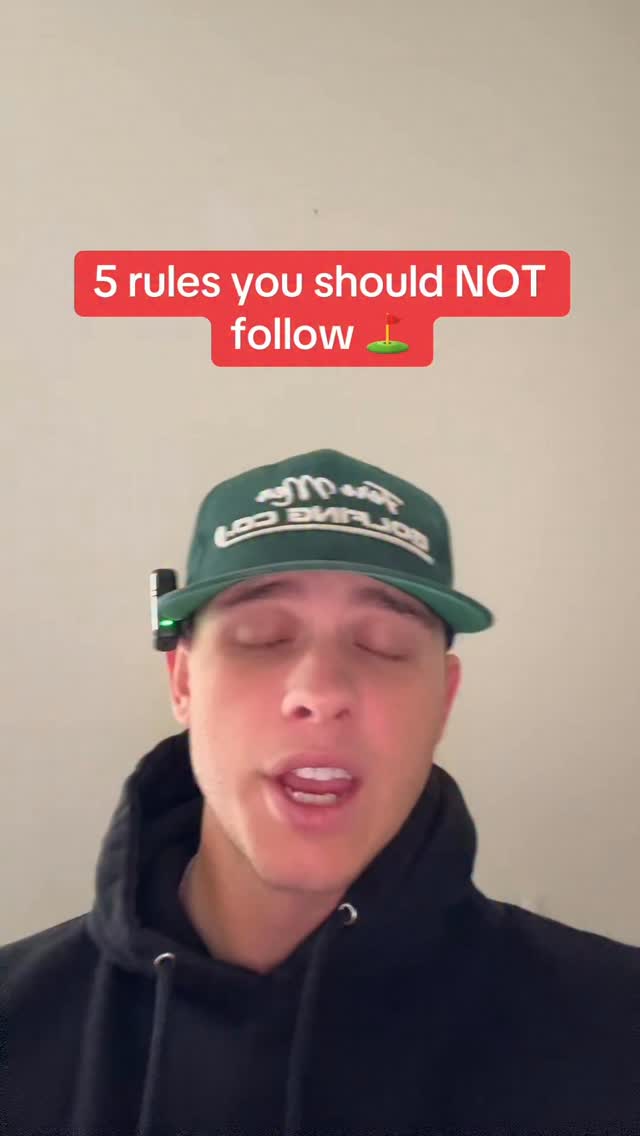 591.6K4×Numbered list of golf rules to break@shaneohgolfs · Anti-Recommendation List
 409.7K33.1×Expert golfer explains and demonstrates@manorsgolf · Tutorial / How To
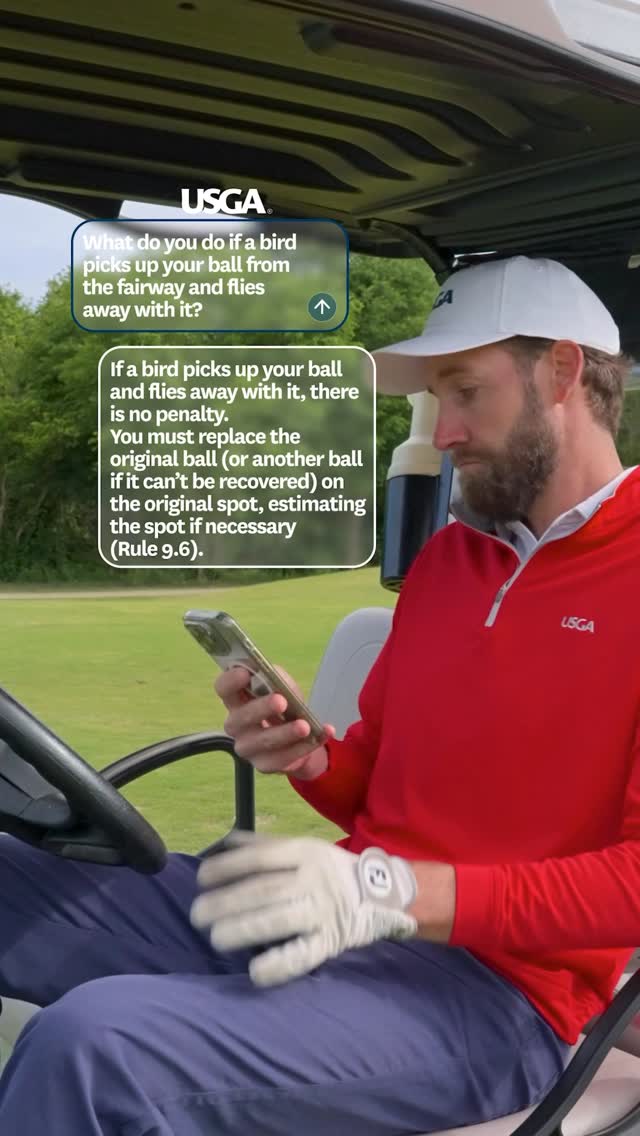 995.5K6.4×Golf ruling solved with app@usga · Skit
[04]
[05]
What stops the scroll in the first 3 seconds
Title hook · 30%
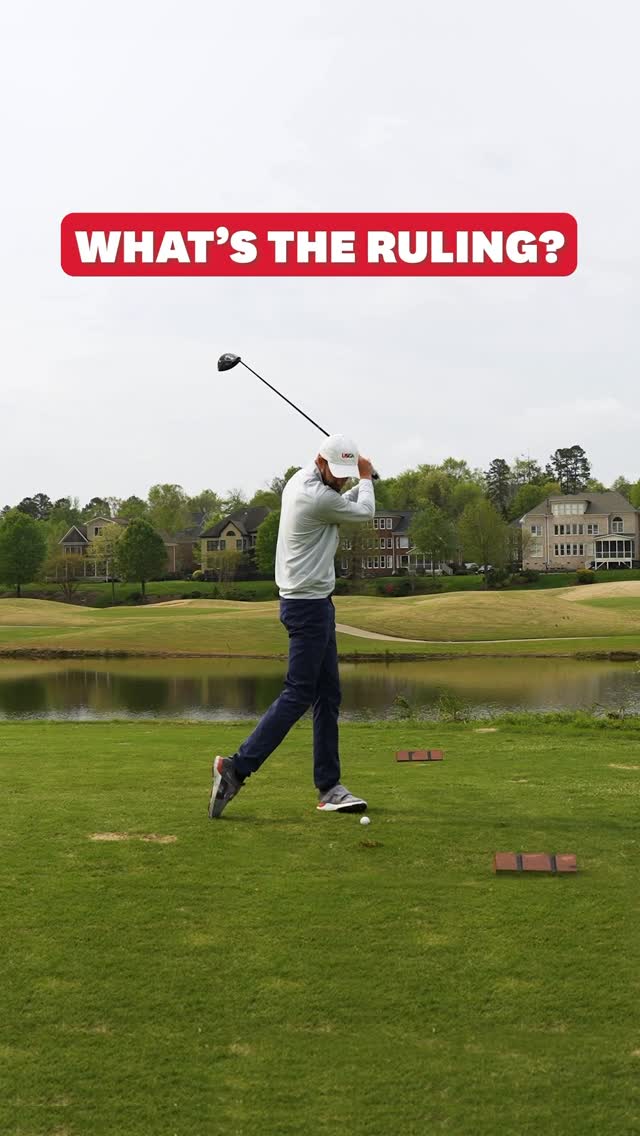
WHAT'S THE RULING?
Verbal hook · 35%
If something like this ever happens to you, here's what you need to do.
Visual hook · 35%
A golfer in full swing, immediately followed by the action of swinging and completely missing the golf ball on the tee, creating a surprising and relatable moment for golfers.
[07]
The promise the opener makes, and how the video pays it back
Hook
A visually relatable and common mistake is shown, immediately followed by a direct, on-screen question that frames the content as a definitive answer, creating an immediate knowledge gap.
Payoff
The correct application of the new knowledge is visually demonstrated, leading to a successful and satisfying outcome that provides clear, practical value and narrative closure.
[08]
The structural pattern this video runs on
Framework
The Unexpected Loophole Framework
To educate an audience on a common problem by first confirming their negative assumptions, then revealing a surprising, beneficial exception to the rule, and finally demonstrating the correct application.
The Consequence Confirmation
The narrator states the initial, negative outcome that the audience likely fears or assumes is true. This establishes the stakes and a baseline of understanding.
The Hope Pivot
A transitional phrase ('But here's the best part...') is used to signal a narrative shift from negative to positive, creating intrigue and promising a hidden benefit.
The Authoritative Explanation
The underlying rule or principle is explained, often citing an official source. On-screen text and visual aids (like highlighting an area) are used to add credibility and simplify the core concept.
The Beneficial Exception
The surprising positive outcome or 'loophole' that the audience can leverage is clearly stated. This is the core 'aha!' moment and value delivery of the video.
Anyone can top a drive. But can you do it on command?!
title · beginning
WHAT'S THE RULING?
informational · middle
Rules of Golf Stroke The forward movement of the club made to strike the ball.
informational · middle
Rule 6.2 (6) When Ball in Play Lies in Teeing Area. If the player's ball in play is in the teeing area after a stroke (such as a teed ball after a stroke that missed the ball) or after taking relief, the player may: - Lift or move the ball without penalty (see Rule 9.4b, Exception 1), and - Play that ball or another ball from anywhere in the teeing area from a tee or the ground under (2), including playing the ball as it lies.
branding · end
USGA FOR THE GOOD OF THE GAME
If something like this ever happens to you, here's what you need to do. Start by figuring out if the swing counts. If you tried to hit the ball like I did here, then you made a stroke by definition. This means the swing counts, you put the ball in play, and you'll be hitting your second shot. But here's the best part. When the ball's in play and it lies in the teeing area, which is this specific highlighted area that measures two club lengths deep, you're allowed to lift and move the ball anywhere you want within the teeing area, including putting it back on the tee without penalty. So there is no need to play it as it tier. You can re tee it for your second shot.