@itsbobbyfinn
Instagram · Skit
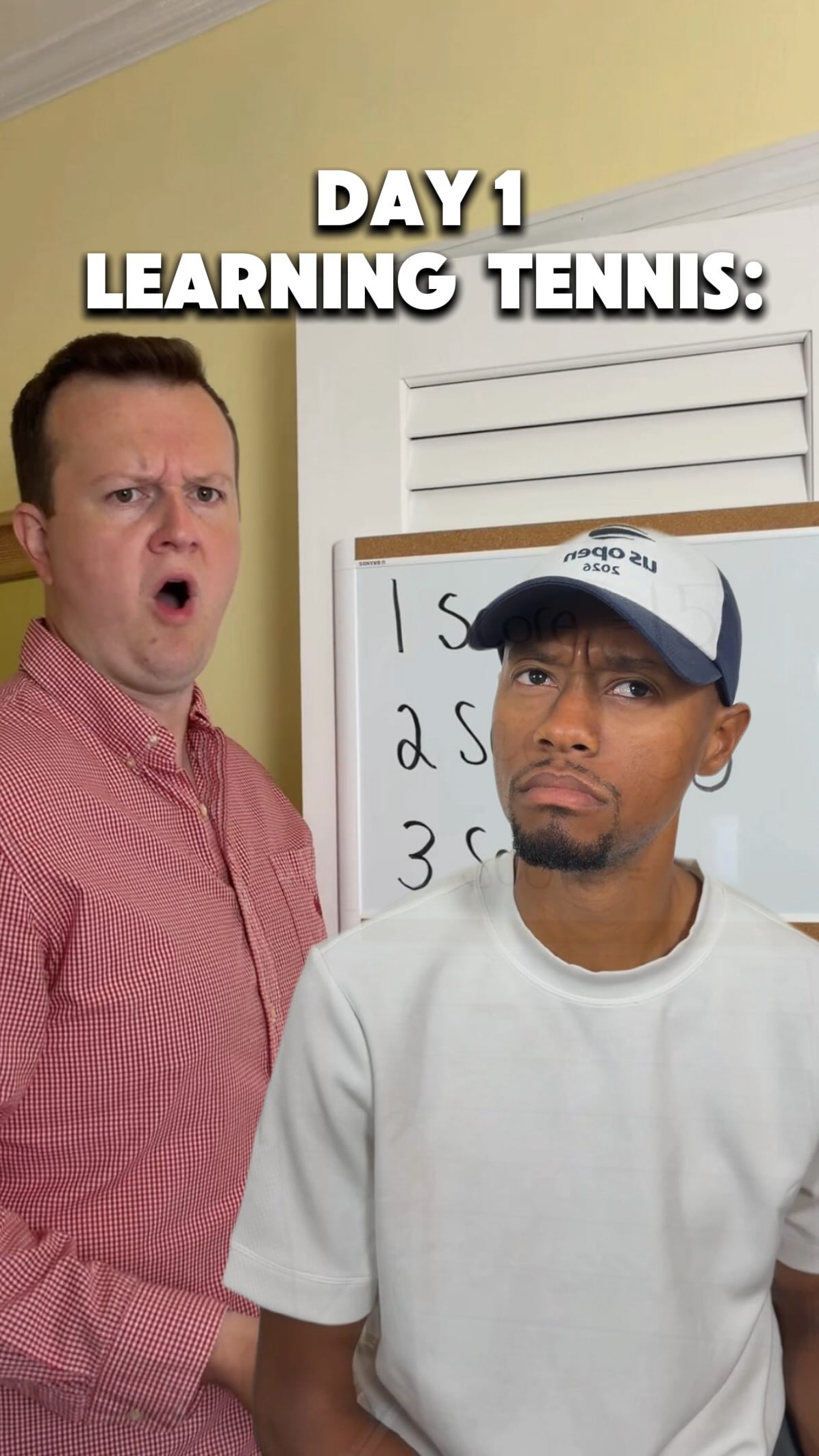
@itsbobbyfinn Tennis scoring explained #usopen #tennis

@itsbobbyfinn
Instagram · Skit
@itsbobbyfinn Tennis scoring explained #usopen #tennis
Performance
Video #46372 · Skit
[01]
A creator, acting as a teacher, attempts to explain the illogical scoring system of tennis to another person acting as a student. He uses a whiteboard to illustrate the points (15, 30, 40), then introduces confusing terminology like 'love' and 'deuce,' repeatedly frustrating the student who makes logical but incorrect assumptions.
[02]
[03]
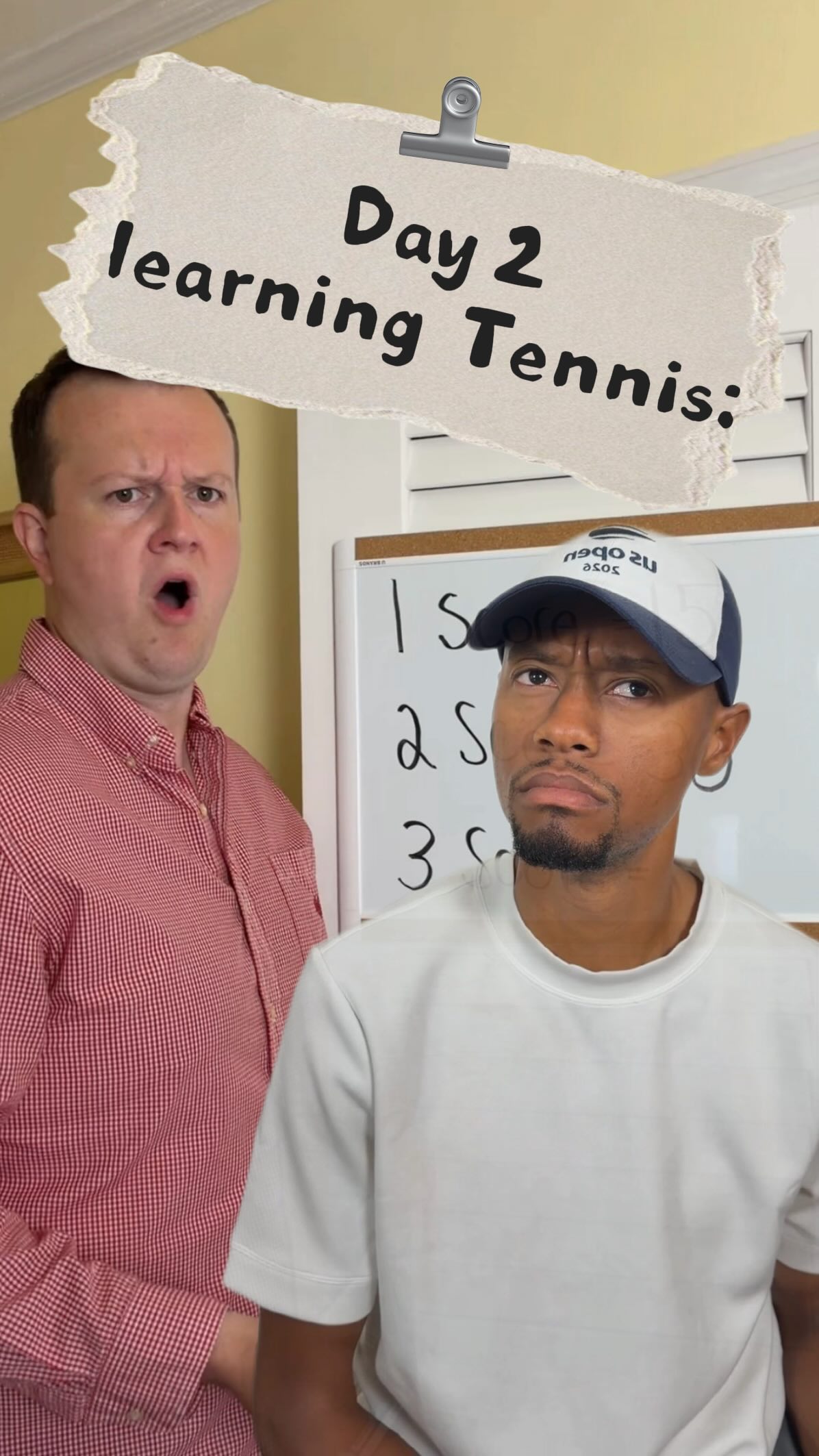 3.4M1.5×Explaining absurdly complex sports rules@itsbobbyfinn · Skit
 1.3M339.6×Greenscreen sports business economy breakdown@maxxrosenblum · Breakdown
 74.4K3.3×Asking audience for business feedback@yohnmav · Audience-Sourced Decisions
 629.4K2.9×Golf rules explained for when you can't tell your ball from your provisional@usga · Explainer
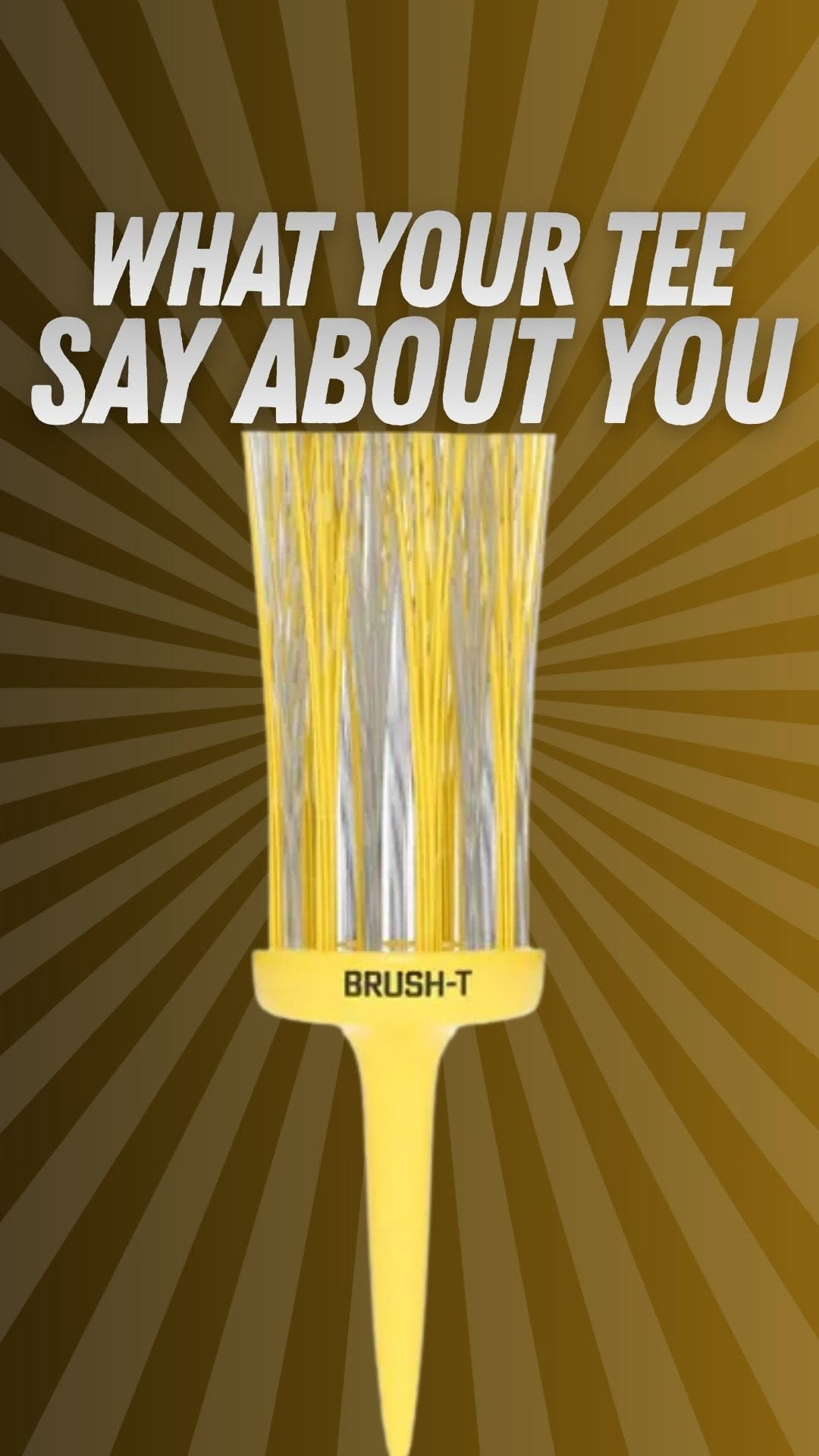 642.5K21.4×Judging golfers by their tees@shaneohgolfs · What Your X Says About You
 366.2K7.4×Relatable golf tournament pairing skit@bevboysgolf · Relatable Skit
 2.1M72.9×Tennis star's controversial rule change@nick.knows.ball · Hot Take
 1M39×Explaining rules for a golf game@manorsgolf · Tutorial / How To
 227.3K1.6×Rapid fire golf accessory ratings@shaneohgolfs · Rapid Fire Listicle
 2M14.1×Hot take on golf rules@officiallysonny · Hot Take
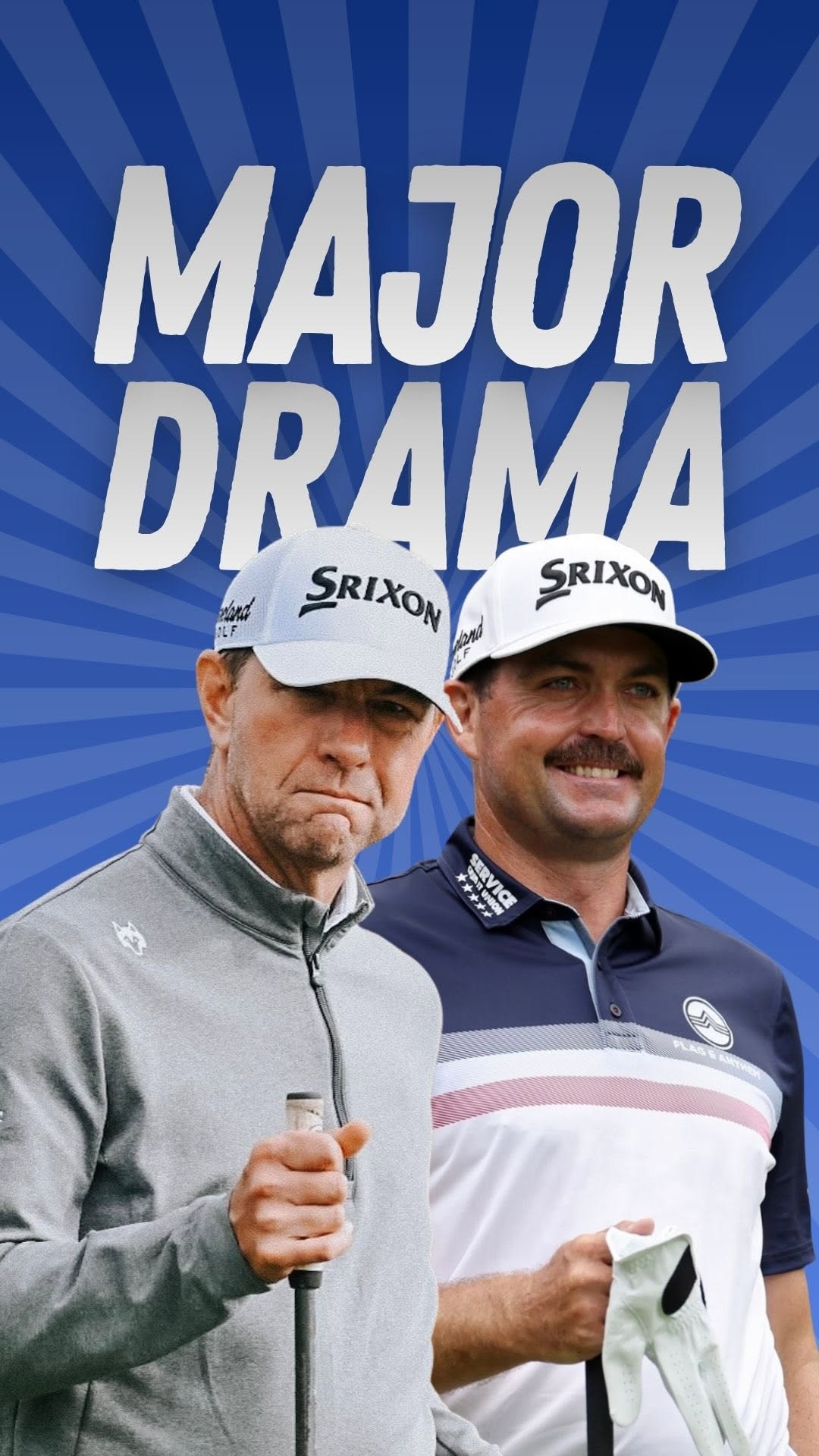 393.2K14.6×Explaining a niche golf controversy@shaneohgolfs · Breakdown
 1.6M72.5×Playing different sports with bowling ball@pitviper · Rapid Fire Listicle
[04]
[05]
What stops the scroll in the first 3 seconds
Title hook
Day 1 learning Tennis:
Verbal hook
So if you score once, you'll have 15 points
Visual hook
A man stands in front of a whiteboard with handwritten notes, establishing a classroom or lesson-like setting which creates immediate context for the video's premise.
[07]
The promise the opener makes, and how the video pays it back
Hook
A simple, relatable premise is stated as a mathematical or logical fact, setting up a clear expectation for how the system works.
Payoff
The novice asks a final, perfectly reasonable 'why' question, which the expert dismisses with the ultimate circular argument, confirming the entire system's absurdity and providing a final comedic release.
[08]
The structural pattern this video runs on
Framework
The Illogical Expert
An 'expert' explains a topic to a 'novice' by establishing a logical pattern, only to repeatedly break it with increasingly absurd exceptions and terminology, justifying each break with frustratingly circular logic.
The Logical Foundation
The expert demonstrates the initial rule with a simple example, and the novice correctly extrapolates the next logical step, reinforcing the viewer's initial assumption.
The First Absurdity
The novice applies the established pattern to the next step, but is abruptly corrected by the expert who reveals an illogical exception. The justification for the exception is a non-answer.
The Semantic Twist
A new scenario is introduced where a standard number or concept is replaced by a piece of unique, non-intuitive jargon. The novice's logical guess is again proven wrong.
The False-Hope Pattern
The expert establishes a new, seemingly consistent rule for a recurring situation (e.g., tied scores), leading the novice and viewer to believe they've found a predictable part of the system.
The Climactic Contradiction
The novice applies the 'False-Hope Pattern' to its logical conclusion, only to be corrected with the most bizarre and significant exception yet, which serves as the comedic climax.
Tennis scoring explained #usopen #tennis
title · beginning
Day 1 learning Tennis:
No if you score once, you'll have 15 points, which means if you score twice, you'd have 30. Which means if you'd score three times, you'd have 45? No. You would have 40 points. You all see how? It's because it's not 45. That's why. Which means if you've scored once and I have not scored, the score would best? Fifteen zero. No. What do you think? You would say 15 love. You know, see how it's because love means zero in tennis because that's why. But if we both scored once, you would say the score is? 15 all. Which means if we both scored worse, the score would be? 30 all? Which means if we both scored three times the score would be? 40 all? No. You would say deuce. You no how... It's because deuce means two, and the next player to win by two scores wins the game. Better why not just call it 40 no? It's because that's why.