@the_life_professor
Instagram · Greenscreen Talking Head
@the_life_professor Deep Fried Photos…

@the_life_professor
Instagram · Greenscreen Talking Head
@the_life_professor Deep Fried Photos…
Performance
Video #46414 · Greenscreen Talking Head
[01]
The creator explains the history of the 'deep fried photo' trend from the early 2010s. He details its origins in poor camera quality and the novelty of photo filters, shows examples of its widespread use by everyone from regular teens to major celebrities like Justin Bieber and Chief Keef, discusses its decline as technology improved, and notes its modern, ironic use in meme culture, before asking viewers if the trend should return.
[02]
[03]
 1.3M47.3×Ranting about hard launching relationships@couldbaret · Hot Take
 115.1K1.8×Ski mask guy rants about thirst traps@robert808924 · Cultural Rant
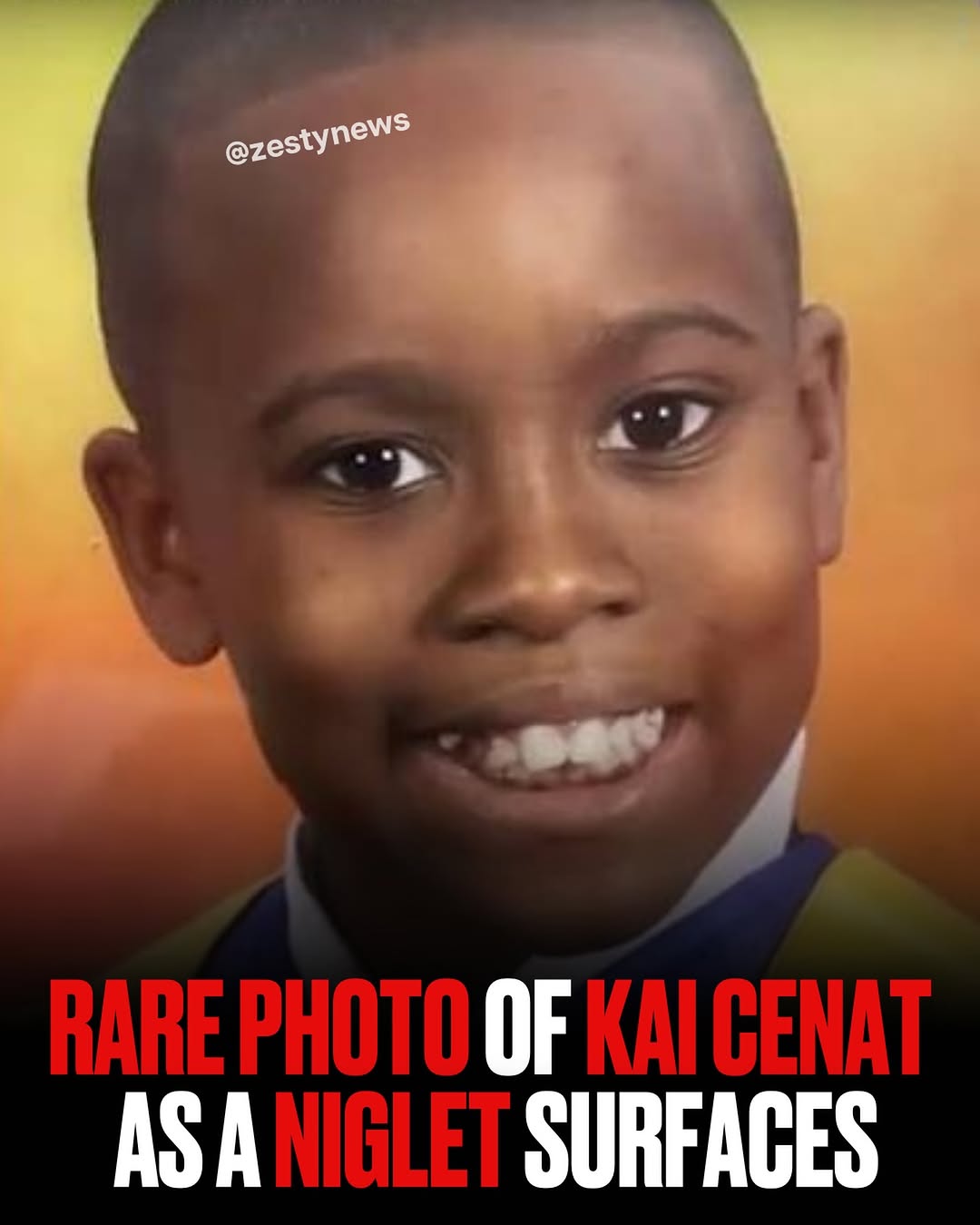 1.9MKai Cenat childhood photo meme@zestynews · Headlines
 422.7K2.3×Red carpet rapid fire question@teenvogue · Question Montage
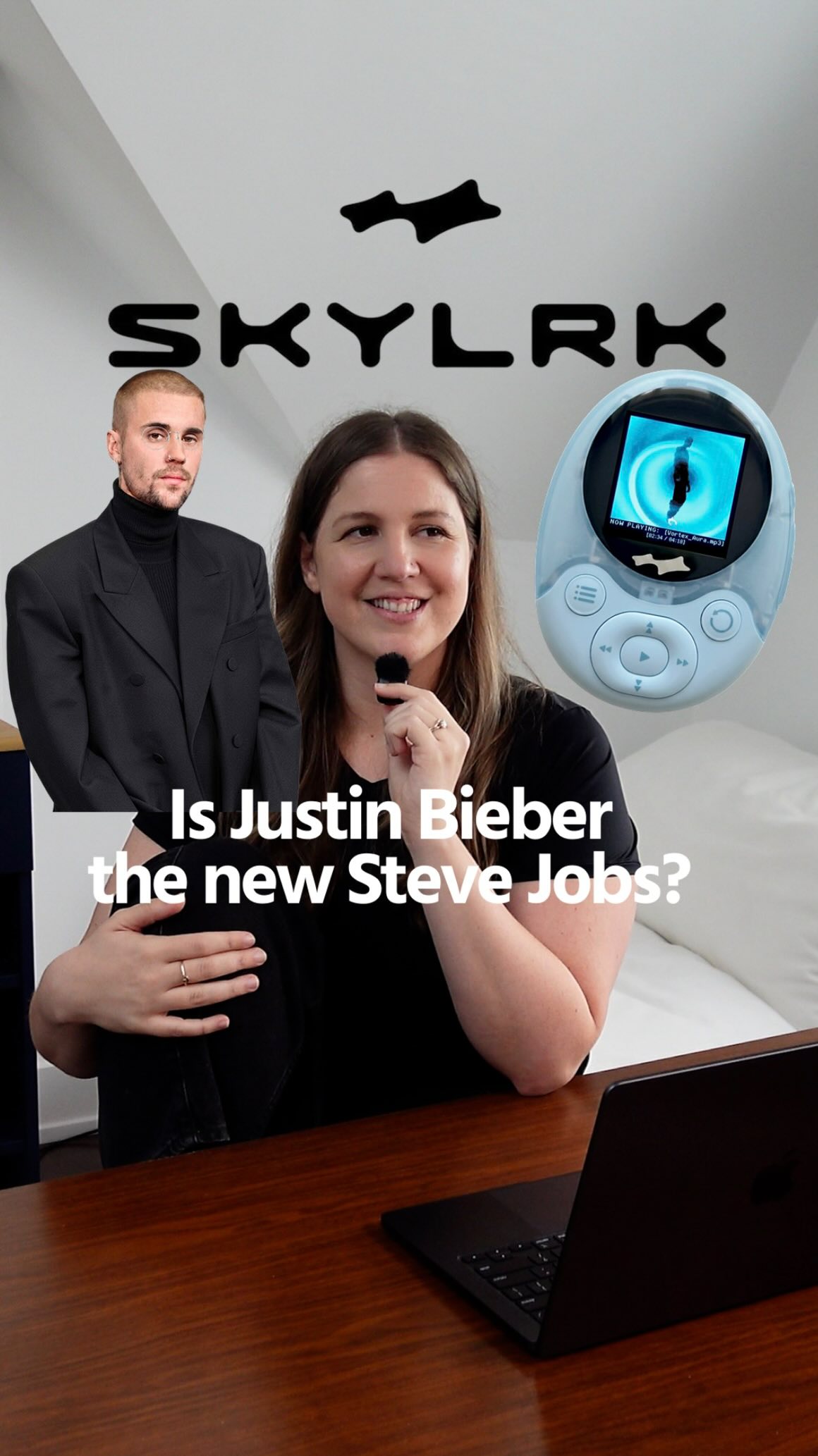 101.2K5.3×Analyzing celebrity brand's tech potential@annakatehart · Case Study Breakdown
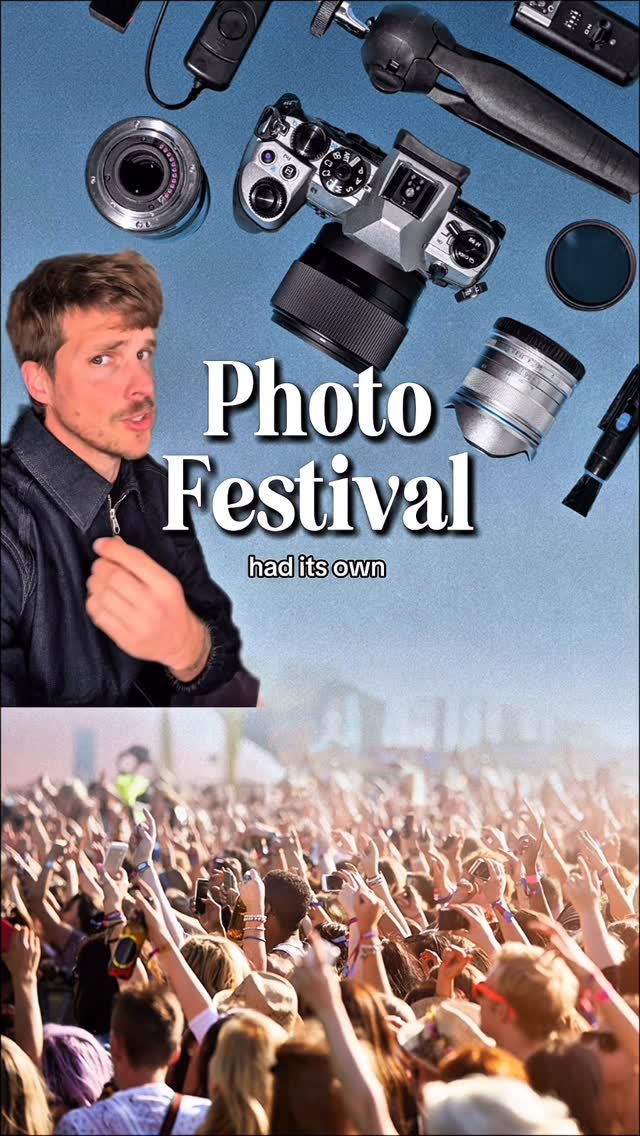 150.7KExplains industry gap, announces festival@orenmeetsworld · Event Showcase
 173K22.3×Greenscreen marketing case study breakdown@sailawaymedia · Case Study Breakdown
 589.1KCultural theory explains modern trends@eugbrandstrat · Hot Take
 383.5KExplaining the rise of messy aesthetic@deathtostock
 220.2K3×Social media feature update explainer@claireliz_ · Breakdown
 573.1K1.9×Creator thanks celebrity for transparency@alishamarie · Headlines
 202.7K54×Critiquing influencer social media lies@theoparisi__ · Hot Take
[04]
[05]
What stops the scroll in the first 3 seconds
Title hook · 30%
Deep Fried Photos...
Verbal hook · 60%
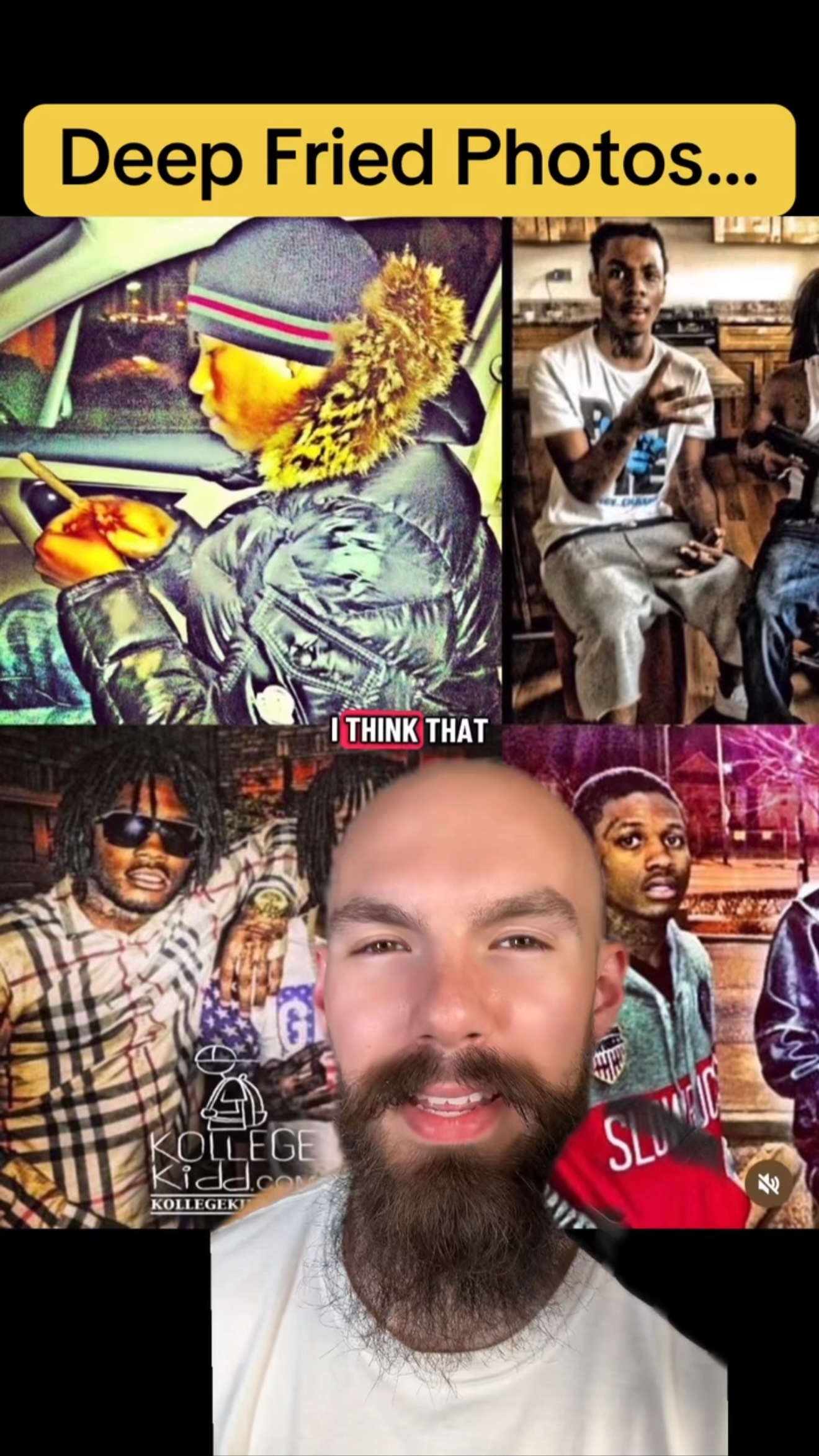
I think that one of the hardest things to explain to kids these days is that 15 years ago, half of all of the photos on Instagram looked like this.
Visual hook · 10%
The video opens with the creator positioned in front of a four-panel collage of heavily saturated, high-contrast, and grainy photos, immediately establishing the distinct and unusual 'deep fried' visual aesthetic.
[06]
Steal this for your own video
I think one of the hardest things to explain to today is that years ago, of all looked like this.
[07]
The promise the opener makes, and how the video pays it back
Hook
Posits that a once-commonplace phenomenon is now incomprehensible to a younger generation, creating a nostalgia hook for older viewers and a curiosity gap for younger ones.
Payoff
A direct, open-ended question to the audience about the trend's potential revival, designed to drive comments and engagement, followed by a standard call to follow.
[08]
The structural pattern this video runs on
Framework
The Cultural Autopsy
Explaining the rise and fall of a past cultural trend by deconstructing its initial logic, its escalation to absurdity, and its eventual extinction, often concluding with its modern-day legacy.
The Phenomenon Identification
Clearly names and visually defines the specific cultural trend or artifact being examined.
The Root Problem
Establishes the initial context or technical limitation that created the 'need' for the trend to exist, providing a logical foundation.
The Accessible Solution
Introduces the tool, technology, or idea that emerged to solve the root problem, explaining how the trend began.
The Cultural Escalation Logic
Explains the flawed or extreme mindset ('more is better') that caused the trend to spiral from a practical solution into an absurdity.
The Status Proof
Validates the trend's mainstream significance by showing its adoption by high-status individuals or celebrities, proving it wasn't just a niche phenomenon.
The Comedic Apex
Presents the most extreme and illogical examples of the trend, where its original purpose is completely lost, serving as the narrative's comedic high point.
The Extinction Event
Details the technological and/or social shifts that rendered the trend obsolete and led to its decline.
The Modern Afterlife
Provides narrative closure by explaining how the trend has been ironically revived or repurposed in contemporary culture (e.g., as a meme).
Deep Fried Photos…
title · beginning
Deep Fried Photos...
Think that one of the hardest things to explain no kids these days is that fifteen years ago, half of all of the photos on Instagram looked like this. I'm of course talking about the infamous deep fried photo effect that was literally everywhere on the internet for years. The reason why this style really came into being is back in the day, smartphone cameras were not that good and whenever you would take a photo, it would be very grainy. But Instagram had your back because this was also the first time in history that the majority of people had access to easy to use photo filters which you could slap on any old photo and it would make it look better or vintage or whatever your effect that you were going for. And rank, I mean, if one was good, all of them was better. At least someone went to thinking at the time. And do not think for one minute that this style was just exclusively for, like, you know, hyped up 12 year olds whose parents didn't know that they were on the Internet. No. I mean, the biggest stars on the planet were throwing up these masterpieces on on the regular. Again, in Mad Tier, if you had a full media team, had $40,000,000 in the bank, tier driving like an expensive sports car, it was gonna be in it was gonna be in this. It was gonna be deep fried, bro. Once again, no occasion was too sacred to not break this bad boy out. My favorite was whenever there would be literally so many filters on it and so many overlays. You literally couldn't even tell what the original photo was or even rank what it's supposed to be now. But eventually, camera phones got better and people bullied those who yes this into extinction and this style essentially went the way of the dodo. Well, that is outside of its kind of post ironic use in meme culture. Better, yeah, let me no. Should we bring this back and, follow for more?