@annakahoelkstudio
Instagram · Greenscreen Talking Head
@annakahoelkstudio The wizardry of colouring hot molten sand

@annakahoelkstudio
Instagram · Greenscreen Talking Head
@annakahoelkstudio The wizardry of colouring hot molten sand
Performance
Video #47663 · Greenscreen Talking Head
[01]
The creator explains the science and history of coloring glass, starting with a general overview of using metal oxides. She then provides specific, counter-intuitive examples like using gold to create ruby red glass and iron oxide for green and brown glass, connecting these processes to the cost of materials and their use in everyday items like wine bottles.
[02]
[03]
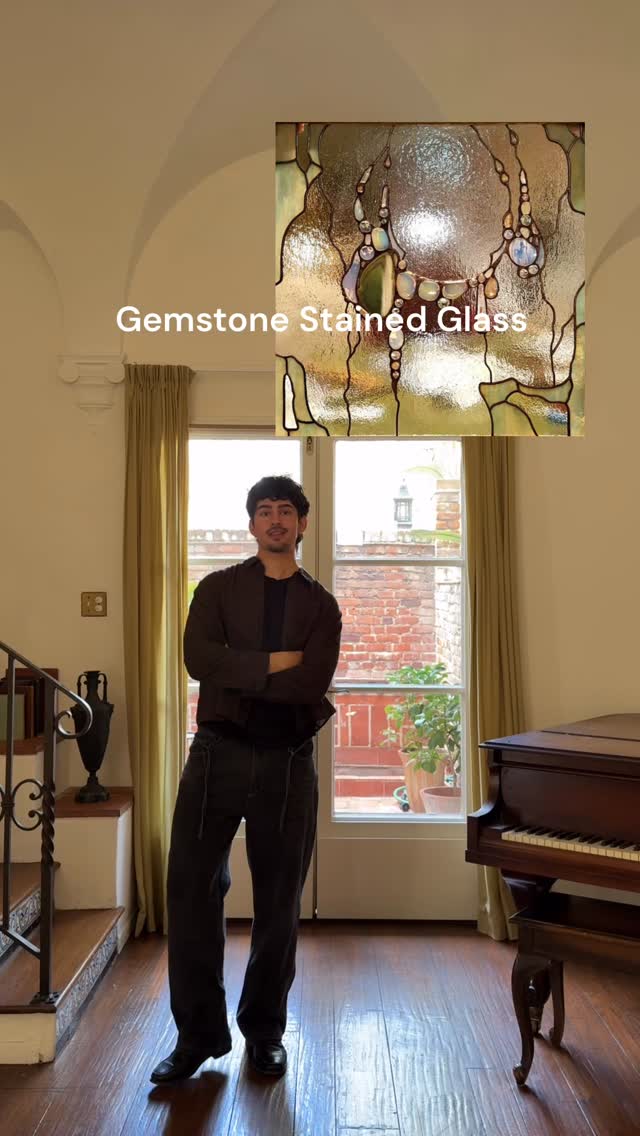 2.4M3.6×DIY gemstone stained glass door process@want.zamora · Process
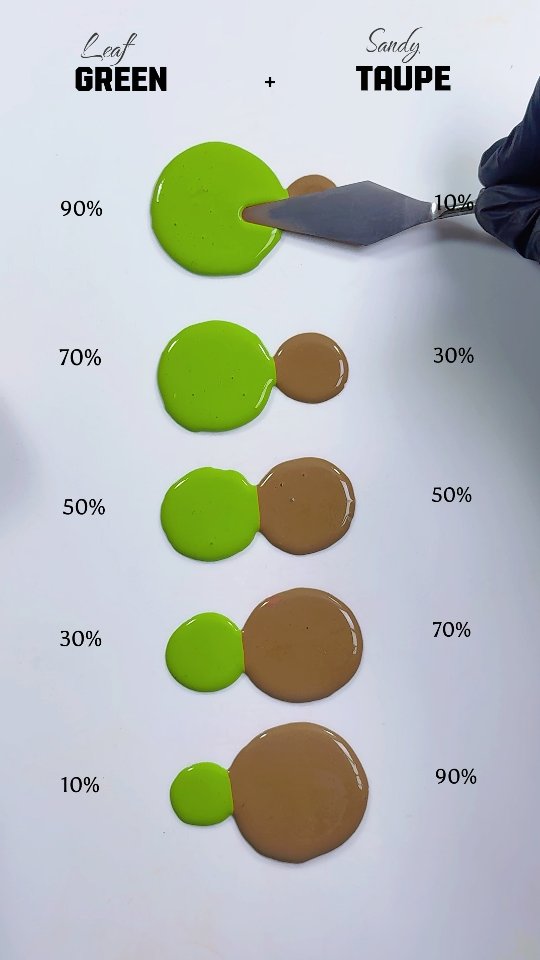 1.8M23.3×Satisfying paint mixing demonstration video@colorsmixinglab · Satisfying Process
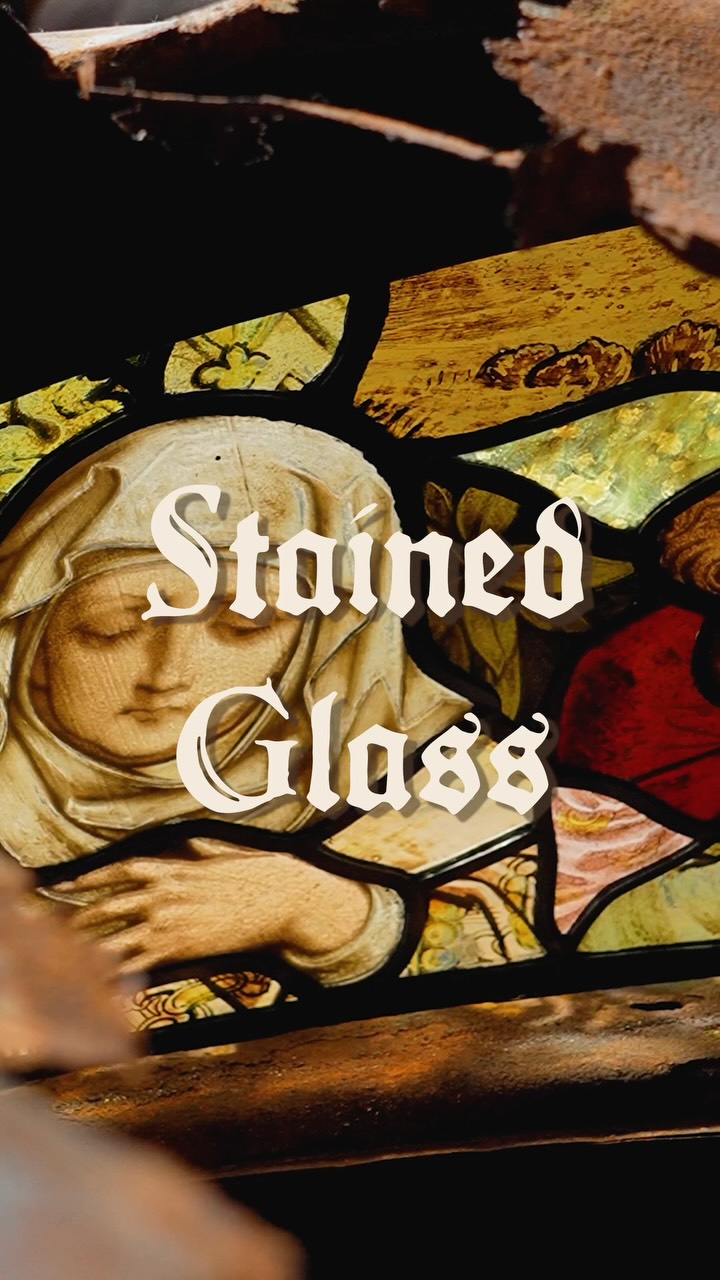 449.4K13.3×Showing an ancient craft process@kylewilliamdesign · Process
 152.6K9.9×Explaining different metal manufacturing processes@annakahoelkstudio · Explainer
 5.3M75.3×Satisfying paint mixing demonstration@colorsmixinglab · Satisfying Process
 2.3MMug design and glazing process@turn.studio · Process
 3.1M73.9×Ancient craft tutorial for mindfulness@kylewilliamdesign · Tutorial / How To
 1.6M3.1×Japanese indigo dye process vlog@frontoffice.co · Origin Story
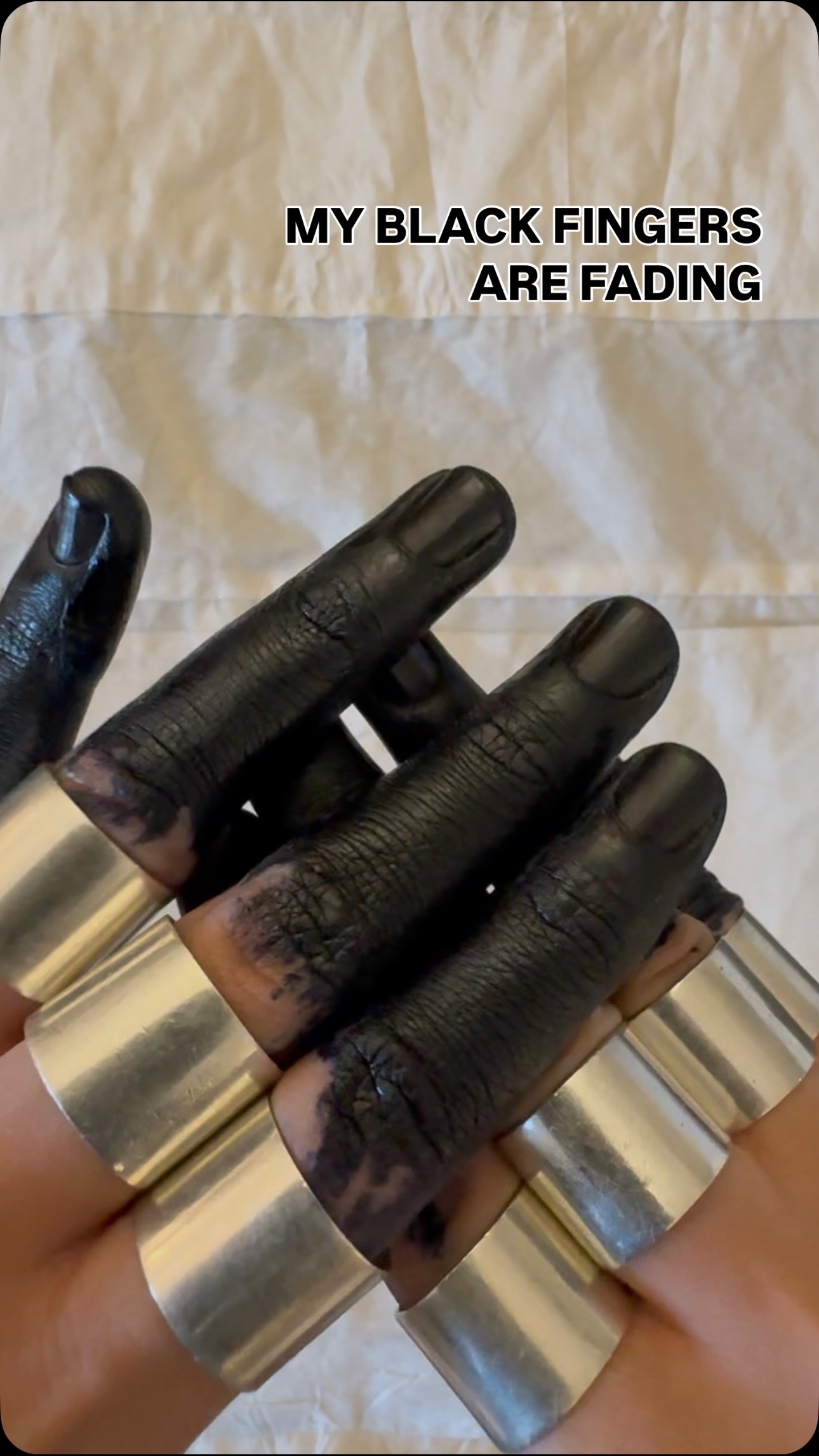 5.9M73.3×Daily progress of fading dye@amira.khairat · Evolution Showcase
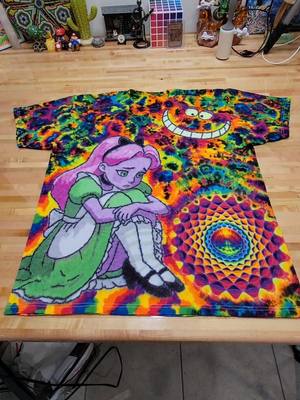 3.2M2.8×Creator shows tie-dye shirt process@dyesngoodvibes · Process
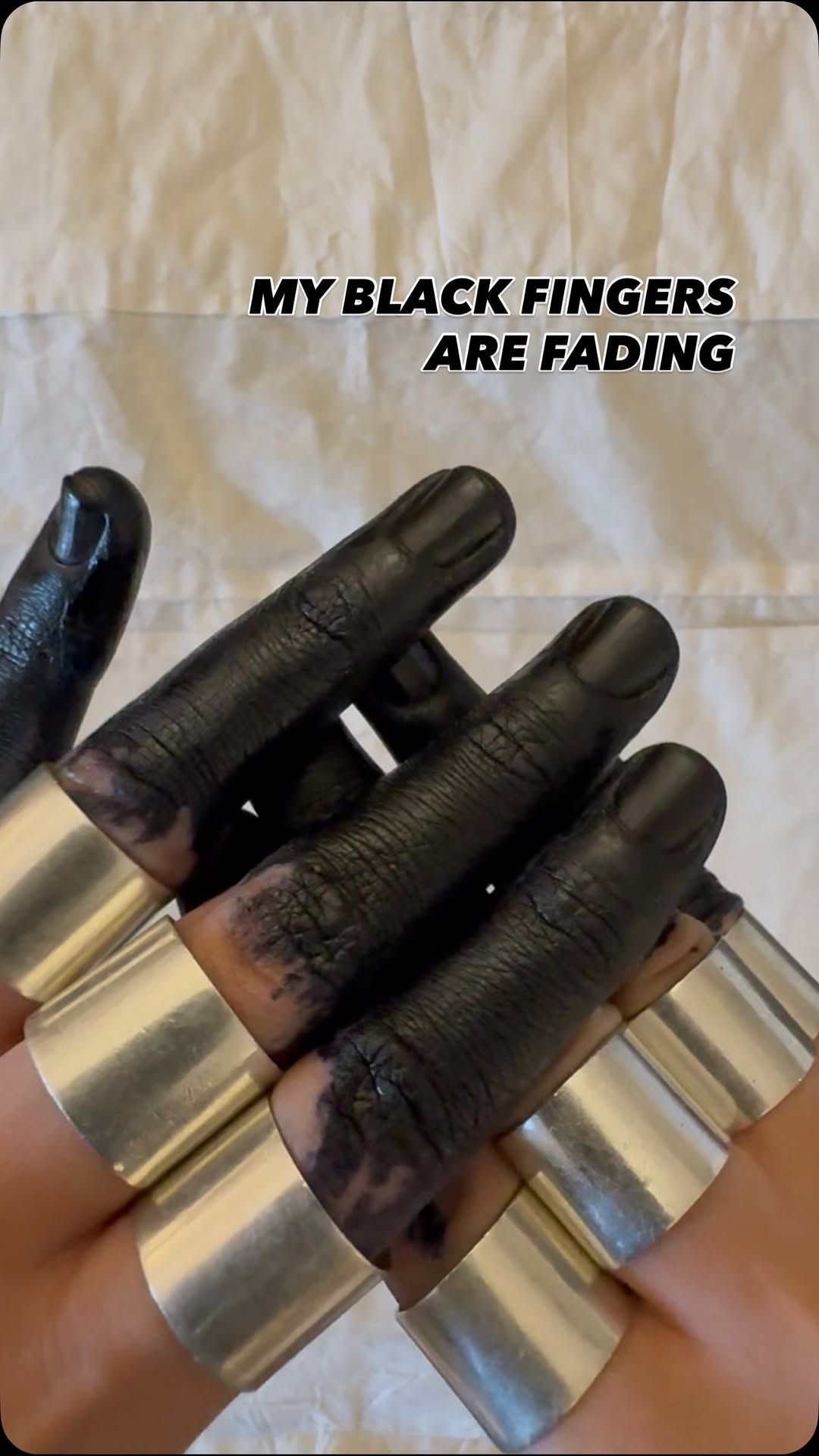 12.1M149.7×Documenting skin dye fading process@amira.khairat · Journey Documentation
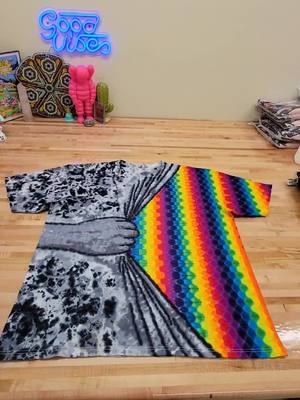 5.8M7.4×Tie-dye process start to finish@dyesngoodvibes · Process
[04]
[05]
What stops the scroll in the first 3 seconds
Title hook · 20%
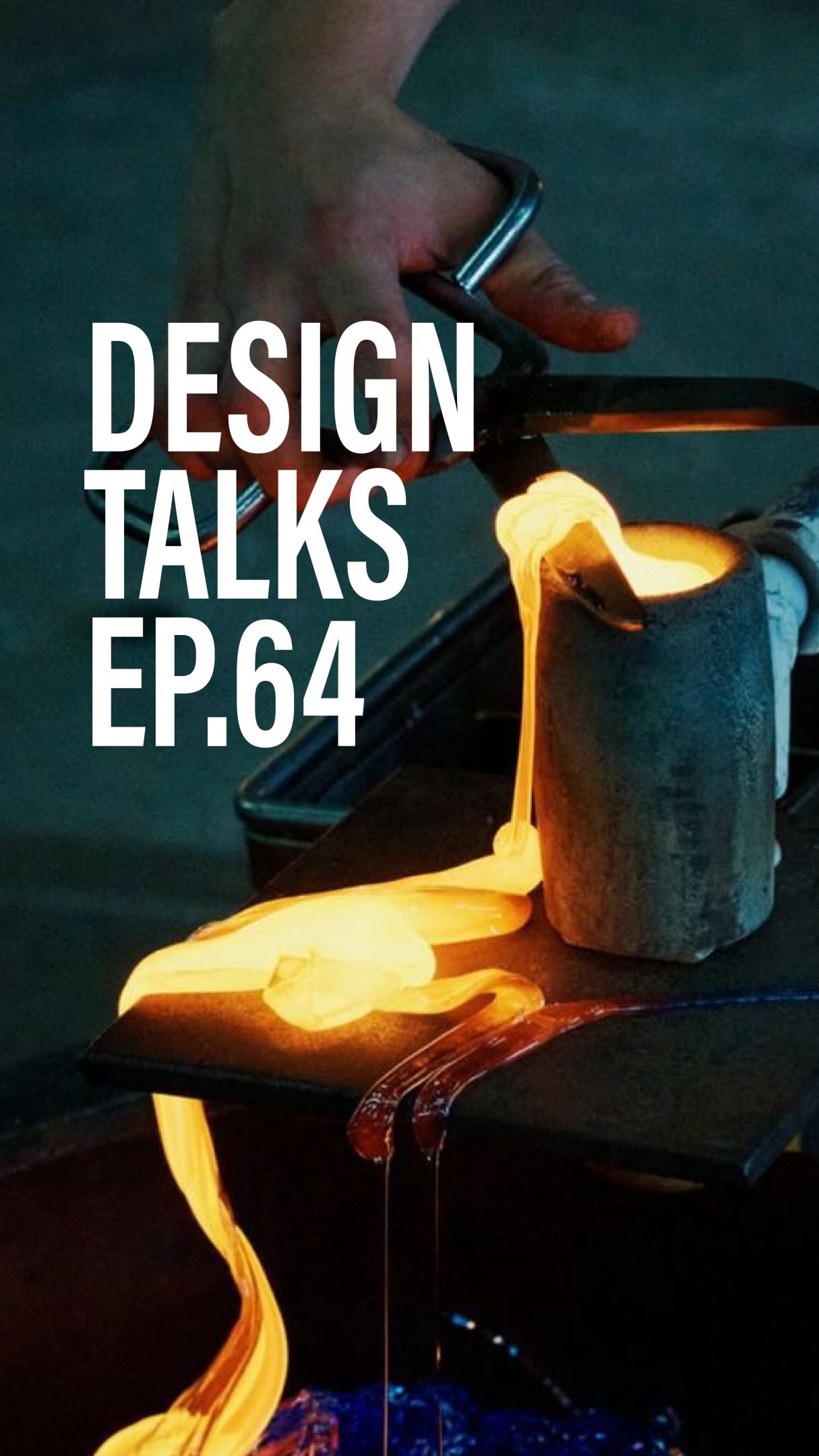
Design Talks Ep. 64
Verbal hook · 60%
Have you ever thought about how glass is colored?
Visual hook · 20%
A close-up, dynamic shot of glowing, molten yellow glass being poured and manipulated with metal tools in a dark workshop.
[06]
Steal this for your own video
Have you ever thought about how ?
[07]
The promise the opener makes, and how the video pays it back
Hook
Pose a direct, curiosity-driven question about an everyday object or process, promising a 'magical' or surprising explanation, then use a brief statement of humility to build trust.
Payoff
Deliver a 'Grand Unifying Theory' that summarizes how the different processes, costs, and alchemies of the materials are the reason for the diversity and frequency of the variations we see in the world, leaving the viewer with a satisfying and complete new perspective.
[08]
The structural pattern this video runs on
Framework
The Hidden Alchemy Framework
Deconstruct a common, overlooked phenomenon by revealing the surprising and often counter-intuitive scientific or historical processes behind it, connecting each step to real-world value and perception.
The General Principle
Establish the basic, overarching scientific rule or method that governs the topic. Provide 2-3 simple, expected examples to ground the audience's understanding and set a baseline.
The Premium Anomaly
Introduce the most fascinating, counter-intuitive, and high-value case. Detail the 'magical' process, explaining why an unexpected input creates a prized output, and explicitly link the process's complexity and material cost to its high status or price.
The Commonplace Inversion
Pivot to the 'complete opposite' case. Introduce a common, low-value example where the inputs and outputs are inverted or unexpected. Explain how this process's simplicity and the material's abundance lead to its ubiquity in everyday life.
The 'Hidden in Plain Sight' Revelation
Reveal how a trace element or byproduct of the 'Commonplace' process is responsible for a subtle, often unnoticed characteristic of the 'default' version of the object. Then, briefly explain the solution or workaround for this issue, adding another layer of expert knowledge.
The wizardry of colouring hot molten sand
branding · beginning
Design Talks Ep. 64
Have you ever thought about how glass is colored because it's pretty magical? I'm not an expert by any means, but as I've been exploring making glassware, I've learned a bit more rank it's just such a cool topic. Much like ceramic glazes, which are technically also glass, glass is colored using a range of metal oxides like cobalt for blue, chromium for green, or manganese for purple. But historically, there are some really cool ones, like how gold creates a rich ruby red. The magic is that gold obviously isn't red. It actually comes out in expected yellowish clear color at first and only becomes red after being reheated to a very precise temperature in a secondary firing. All this from the raw ingredient being literal gold to the labor of having to reheat it has historically made red glass the most expensive and sought after color, and it's still relatively more expensive today. In tier complete opposite vein, a traditionally red pigment, iron oxide, makes glass that classic bottle green or brown when combined with sulfur and carbon. And because iron oxide is comparatively abundant and cheap, these are the colors we're used to seeing when we need something dark and UV resistant to protect perishables like olive oil and beer and wine. And it goes even deeper because small impurities of that same iron oxide are why clear glass is known to have that slightly greenish hue. And when you want something really untinted, you have to get low iron glass or sometimes they cancel out that green color with a slight amount of pink pigment complimentary colors. I just think it's cool that each color seems to have its own alchemy and the different processes and prices of these minerals is why we see some colors way more than others.