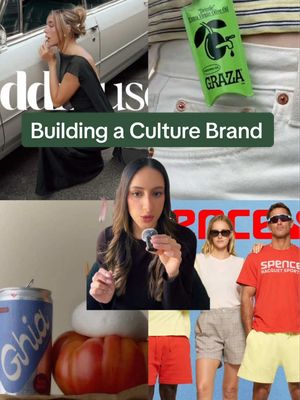
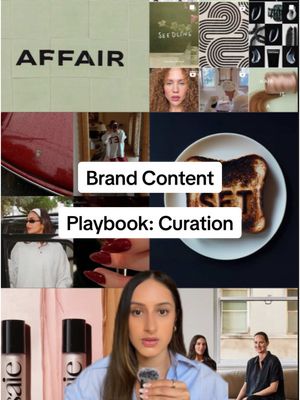
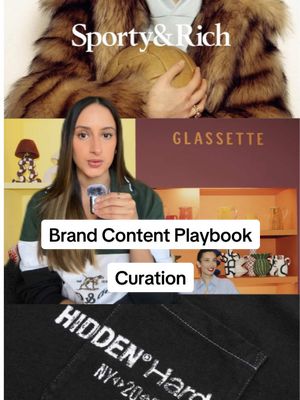
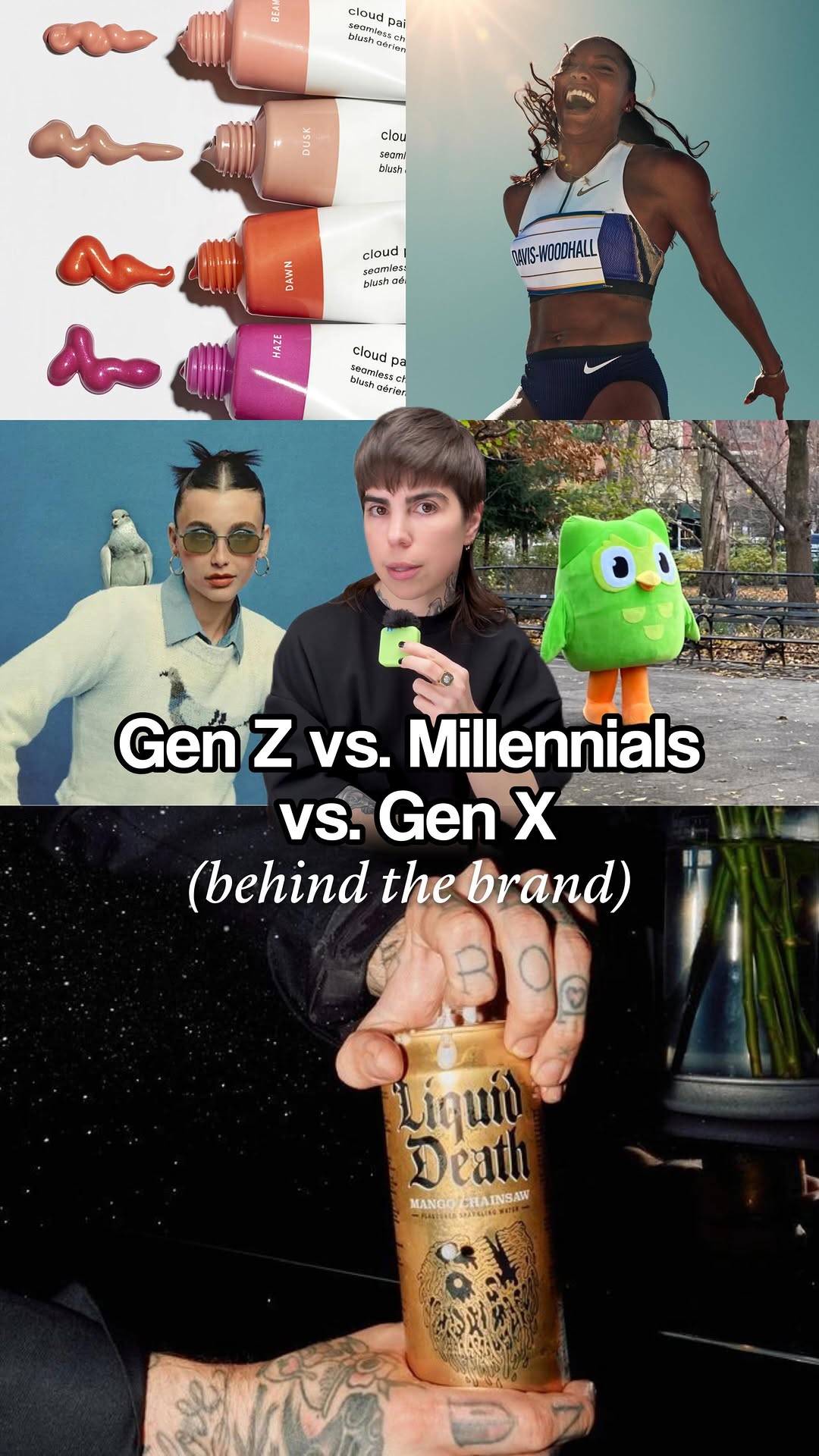
The creator explains the concept of a 'culture brand' and provides a three-step guide to building one. She defines what a culture brand is, then details the steps: 1) find the conflict in your category, 2) disrupt with intention (giving examples of aesthetic, packaging, narrative, and experience disruption), and 3) build a movement by turning the audience into co-creators. Throughout the explanation, she uses real-world brands like Graza, Spence, Odd Muse, and Ghia as case studies to illustrate each point, concluding with a call-to-action to comment for a free playbook.
Transcript
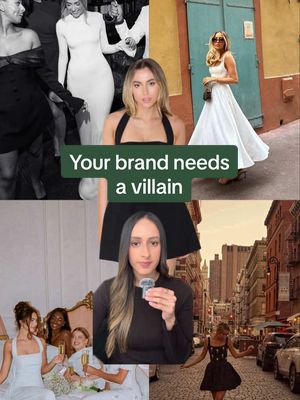
Unpopular opinion, but the brands that break through aren't just working harder, they're becoming culture brands. So here's your guide to building a culture brand. A culture brand wins by changing the rules of the category they're competing in, and it's the only way to build loyalty that survives trends and short attention span. Firstly, spot where your category is stuck. What's broken and who are the villains holding it back? Here's what most brands miss. Great stories need conflict. Without something to push against, your mission is cute best forgettable. Secondly, disrupt with intention. Look for specific ways to break category norms, like aesthetic disruption. Culture brands create identities that people wanna belong to. For example, Spencer's core myth is about fighting against the country club image of tennis, and they achieve this through unexpected colors and lifestyle content that makes the category feel fresh. Packaging disruption? Graza's squeezable olive oil isn't just functional. It's a statement. Using Graza signals that you're cultured, playful, and taste conscious. Narrative disruption, which is about owning the conversation so competitors play by your rules. For example, Good Muse, the investment fashion brand treats sustainability as a baseline and positions its clothes as an antidote to fast fashion's disposable culture. Or experience disruption, don't just sell a product, reimagine interaction around it. It. Ghia transforms drinking into a sensory shareable ritual. They're tactile bottles and social campaigns that make the moment feel premium. And thirdly, build a movement, not just a brand. Turn your audience into cocreators by making participation meaningful. Using social events and UGCs where people aren't just buying your rank, they're living it. Because here's the secret, culture brands survive trends because they create a sense of belonging that competitors can't replicate. Comment culture if you'd like my free playbook on building a culture brand.