@fmsmith319
Instagram · Yap
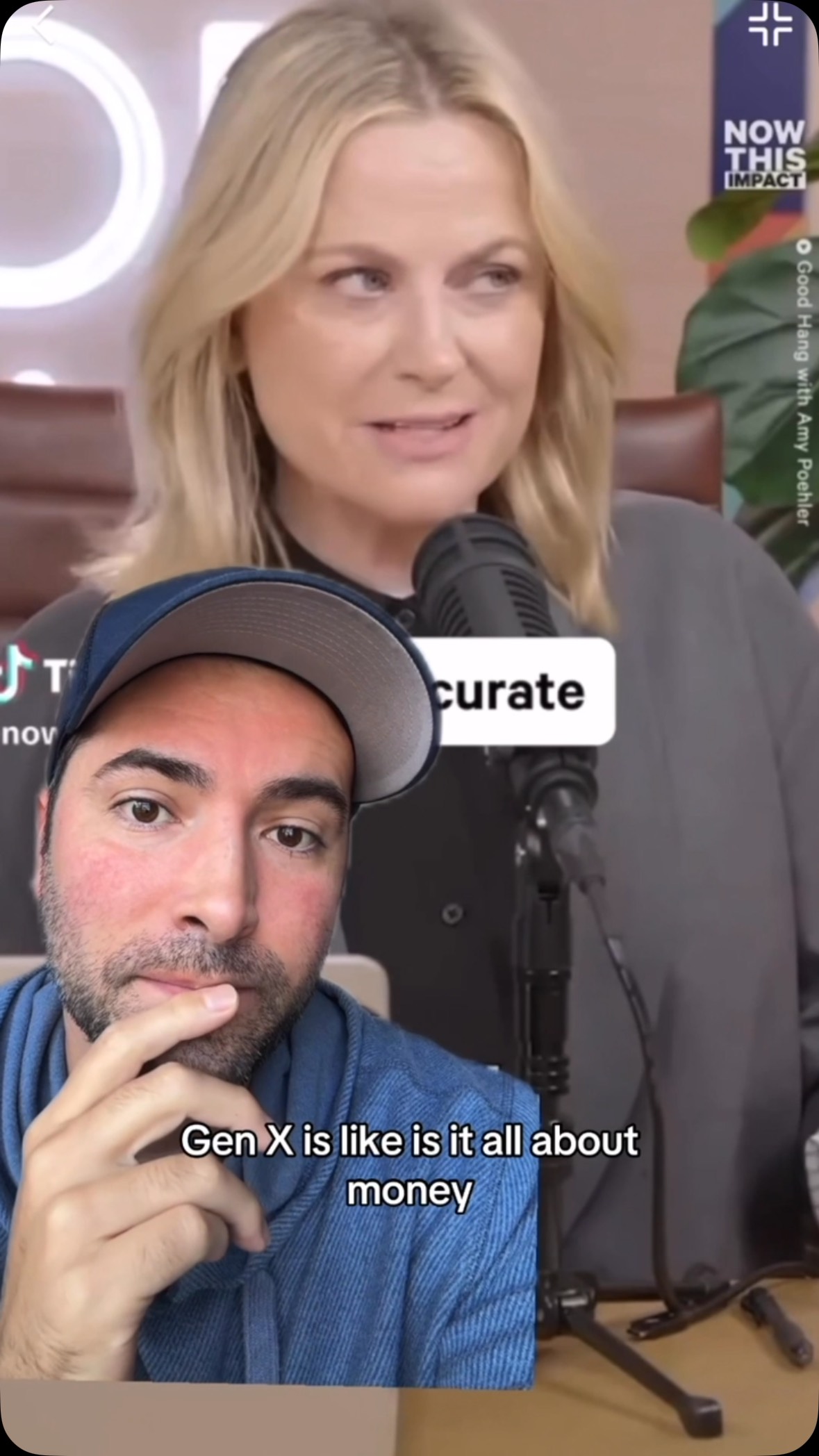
@fmsmith319 Where is the money?

@fmsmith319
Instagram · Yap
@fmsmith319 Where is the money?
Performance
Video #49116 · Yap
[01]
The creator reacts to a viral clip of Amy Poehler summarizing generational attitudes towards money. He validates her points by providing an economic breakdown for each generation, using a graph on the dollar's declining value and a pie chart on wealth distribution to explain why Boomers accumulated wealth easily, why Millennials feel cheated out of it, and why Gen Z experiences money as an abstract concept that immediately pays bills.
[02]
[03]
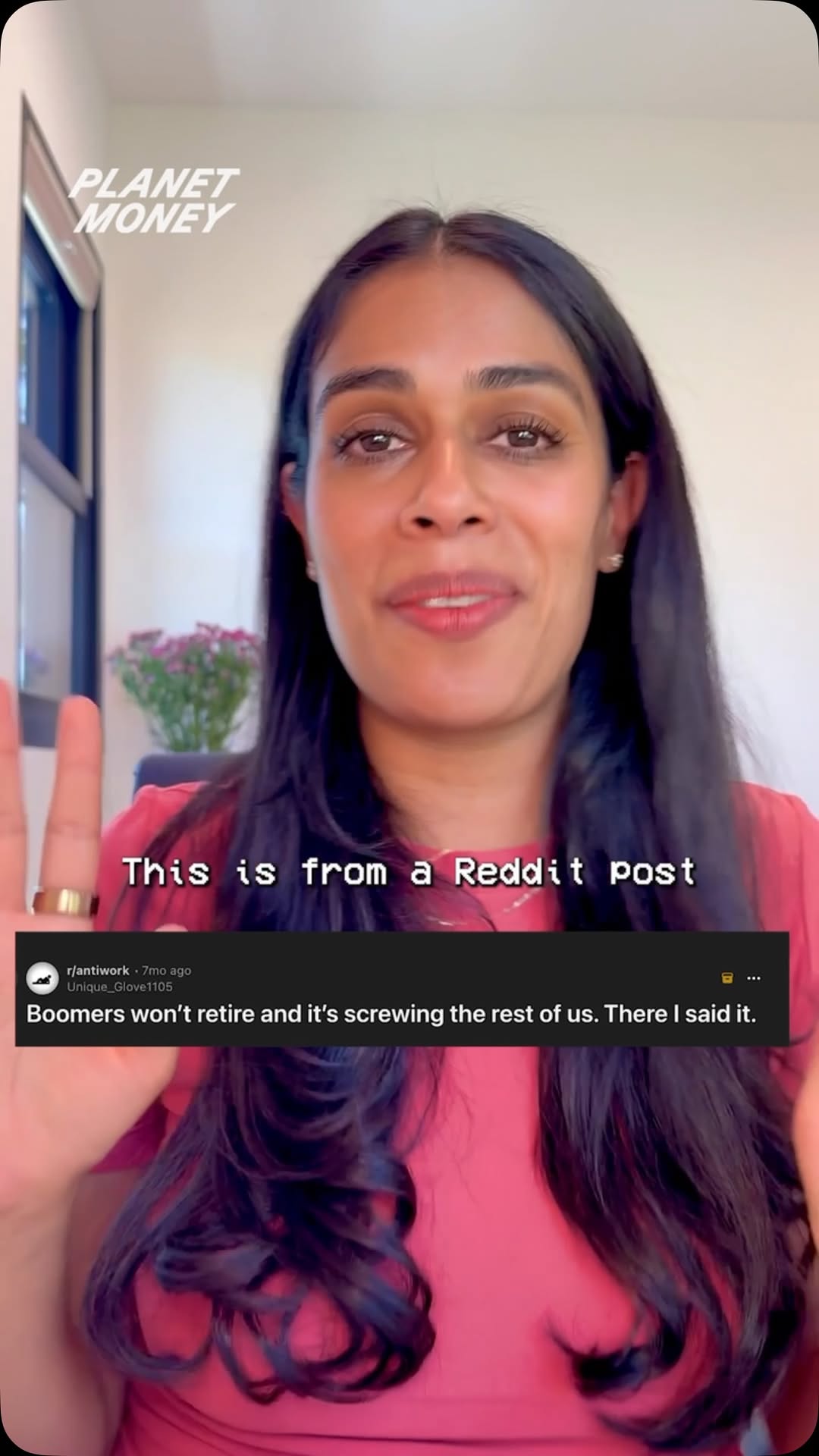 783.4K41.4×Explaining a trend with social proof@planetmoney · Headlines
 916.2K1.6×Answering questions about being rich@chloeabeth4545 · Q&A Response
 3M11.7×Rant about working class struggles@oldfashonedhussle · Vulnerable Monologue
 1.6MAsking strangers their age and savings@thezown · Question Montage
 761.3K1.1×Financial advice during makeup routine@chloeabeth4545 · Pope In The Pool Multitask
 879.9K31.6×Wealthy creator shares frugal habits@aspirewithemmagrede · Anecdotal Philosophy
 179.8KExplaining an AI economic report@stephthefounder · Opportunity Explainer
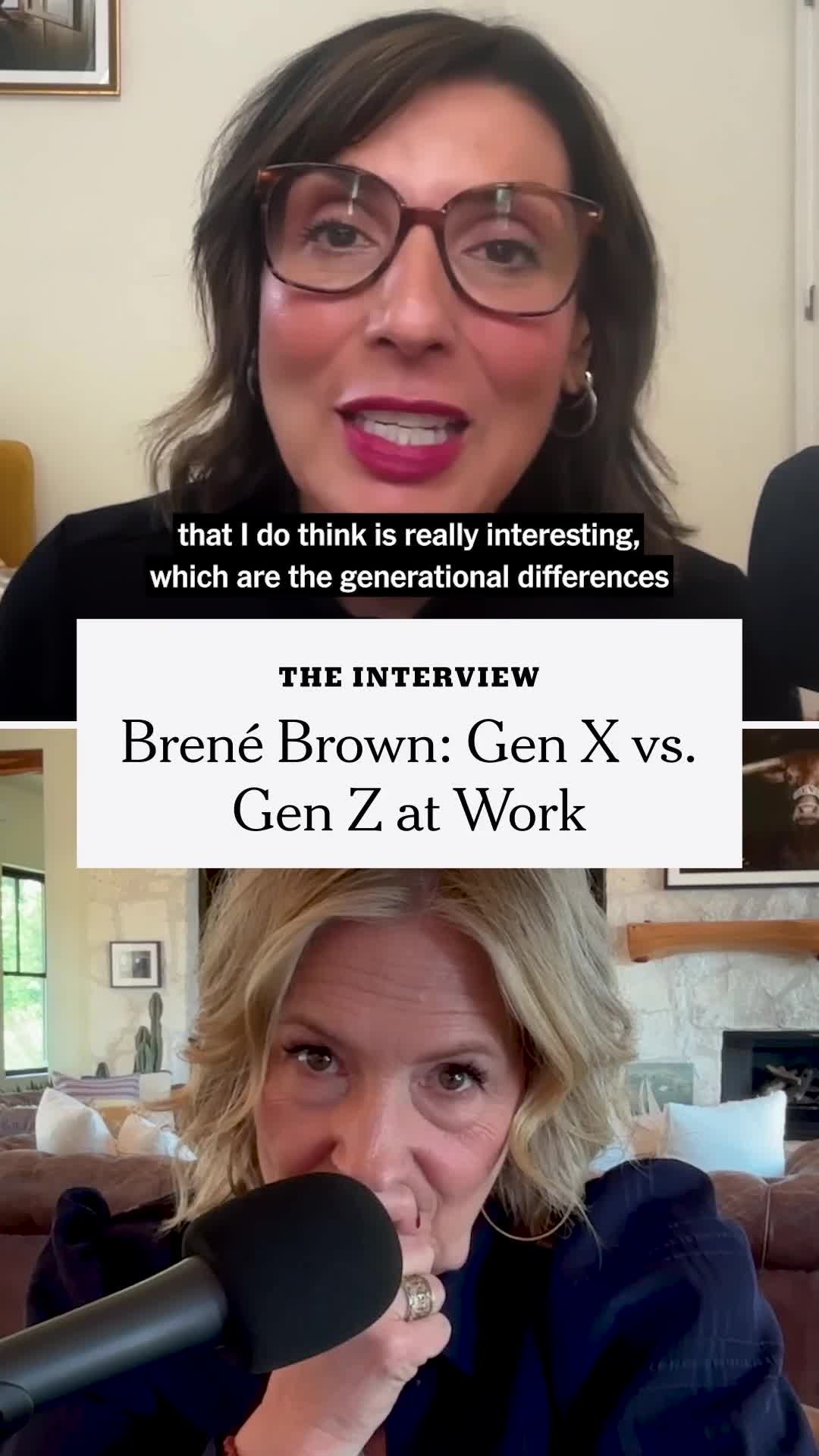 1.6M2.1×Expert explains generational work dynamics@nytmag · Interview Soundbite
 524.7K6.8×Vulnerable monologue on financial success@jessijeanhome · Vulnerable Monologue
 4M2.7×Explaining the venture capital gender gap@gracebeverley · Breakdown
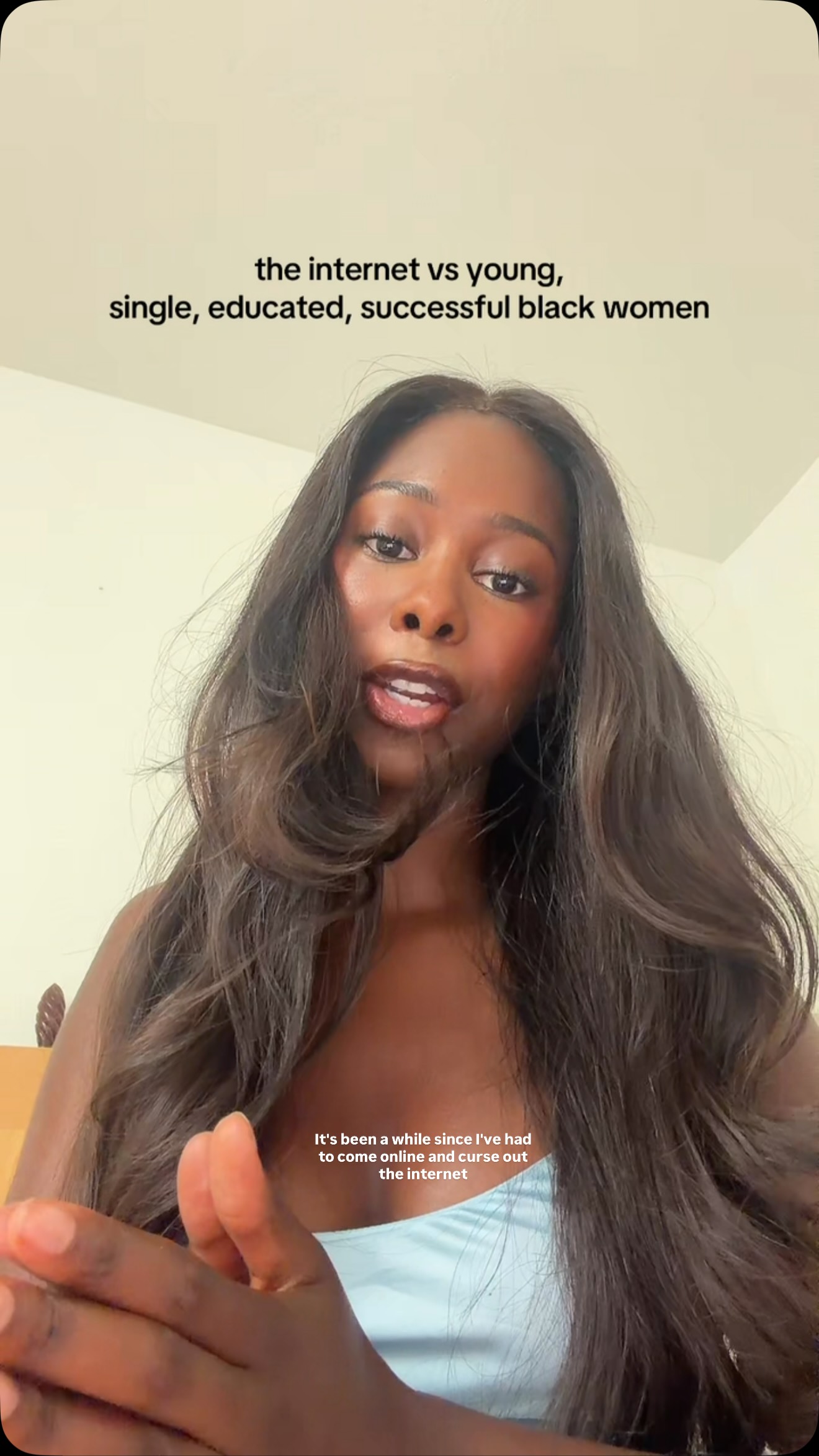 292.4K9×Creator refutes negative online comments@justinescameraroll_ · Cultural Rant
 90.4K4.7×Creator reacts, shares relationship take@avni · Reaction
[04]
[05]
What stops the scroll in the first 3 seconds
Verbal hook
Amy Poehler absolutely nailed this.
Visual hook
A picture-in-picture view showing a creator in the foreground reacting thoughtfully (hand to chin) to a clip of celebrity Amy Poehler speaking in the background.
[07]
The promise the opener makes, and how the video pays it back
Hook
The Found Content Hook: The video opens with a short, engaging, and often humorous clip from a recognizable source. This leverages pre-existing familiarity and presents a simple, memorable thesis that piques curiosity.
Payoff
The 'Aha!' Moment Payoff: The video concludes by having fully explained the initial, simple premise. The viewer is left with a feeling of intellectual satisfaction, having gained a deeper, multi-faceted understanding of a familiar cultural observation, transforming entertainment into insight.
[08]
The structural pattern this video runs on
Framework
The Viral Clip Deconstruction
Use a popular, relatable piece of found content (a clip, tweet, meme) as a hook, validate its premise, and then break down each component of the original content with a mix of data, emotional analogy, and observational analysis to provide a deeper, satisfying explanation.
The Expert Endorsement
The creator appears on screen and explicitly validates the premise of the found content. This frames the creator as an authority who will now explain the 'why' behind the clip's accuracy, creating a knowledge gap the viewer is motivated to fill.
The Macro Thesis & Data Proof
The creator states their overarching theory that explains the phenomenon from the clip and immediately presents a piece of hard, visual data (like a chart or graph). This establishes credibility and grounds the subsequent argument in fact.
The First Point Deconstruction (Data-Backed)
The creator systematically addresses the first point from the original clip and explains it using another piece of supporting visual data. This reinforces the creator's authority and provides a logical, factual explanation for the first part of the premise.
The Second Point Deconstruction (Emotional Analogy)
The creator addresses the next point from the clip by shifting from data to a powerful, relatable analogy or story. This targets the viewer's emotions and connects with their lived experience, making the argument more personal and memorable.
The Final Point Deconstruction (Observational Hypothetical)
The creator addresses the final point from the clip by describing a modern, observable reality and extending it into a thought-provoking hypothetical scenario. This makes an abstract concept tangible and demonstrates its real-world implications.
Where is the money?
contextual · beginning
accurate
contextual · beginning
boomers are all about money
contextual · beginning
Gen X is like is it all about money
contextual · beginning
millennials are like where is the money
contextual · beginning
and Gen Z is like what is money