Post caption
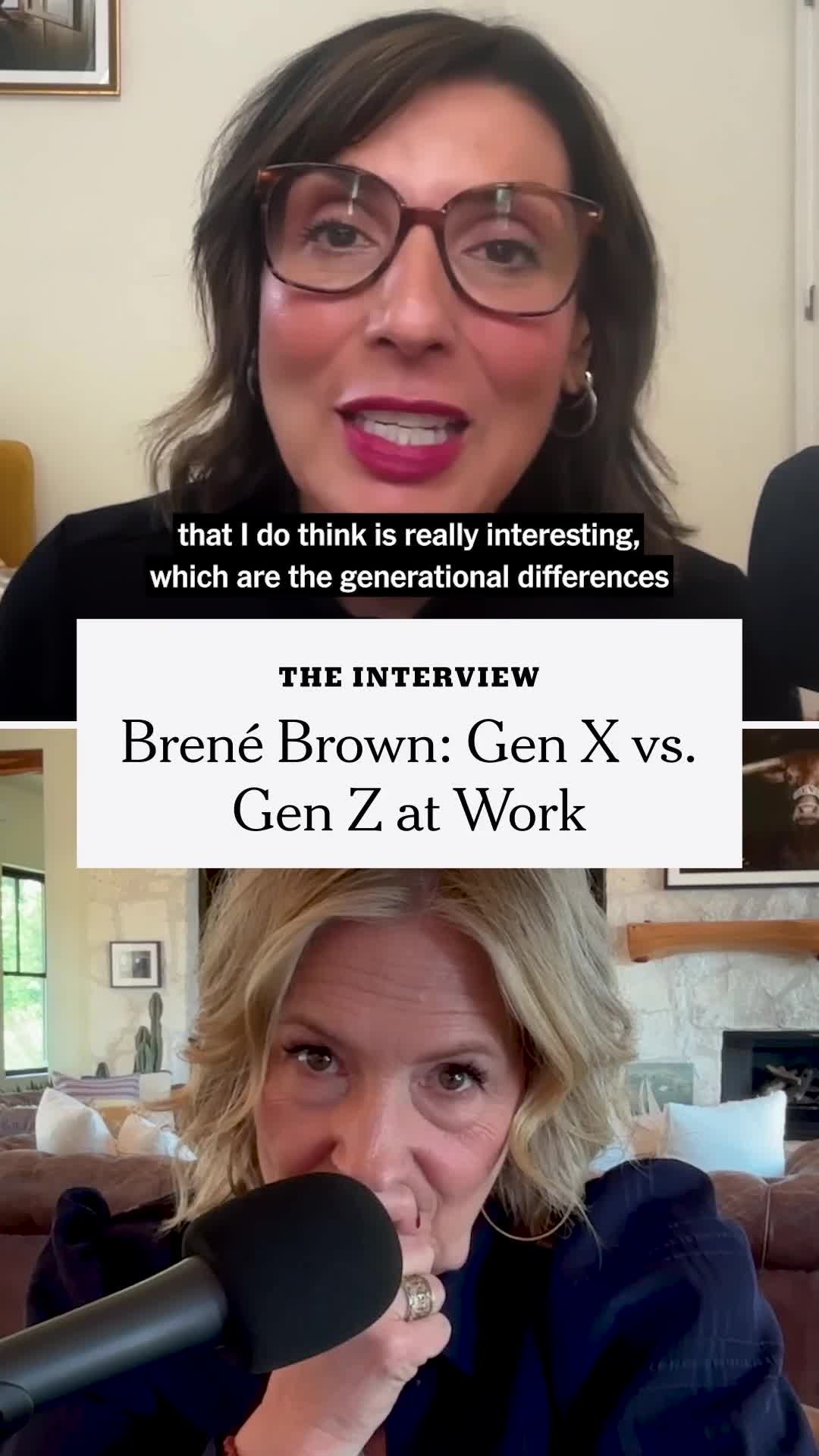
After her 2010 TED Talk on vulnerability went viral, the author and speaker Brené Brown began studying effective leadership in the workplace. Her new book is about “courageous leadership,” informed by her research into how good leaders utilize empathy and humanity.
@brenebrown says using fear to drive performance at work is ultimately unsustainable. “I think we have a new generation of people who won’t work that way,” she said. “The Gen Z-ers, you’re not going to lead them with fear for very long.”
Watch, read or listen to more on “The Interview” at the link in bio.
Transcript
You keep on bringing something up though that I do think is really interesting, which are the generational differences that we're seeing in the workplace and how different generations view work and what work is supposed to do and what work isn't supposed to do. Can you just expand on that a little, what you've seen and what and what your thinking around that is? I I do think there is complexity, organizational complexity tier intergenerational work. I think we're different. I think that we know we're we're we were raised differently. We have different ideas about, you know, what successes, and I think there's something to learn from each generation. I think each generation has real strengths in a workplace and possibly some deficits. I I do get nervous talking about swaths of people like generations, but I also think it's there's some truth to it. So I'll try to balance that. I'm a Gen x person who's raised 10 you know, two Gen z folks. I think we did some good things. I think we did some not great things raising that better. I mean, like, it's like when when people, like, start, you know, really dogging on Gen z, it makes me laugh because it's usually the exact people who raise them. So I think I always like It's a good point. You know, self indictment. But I think that we wanted to make sure that our kids didn't have all of our experiences, the the the traumatic hard ones. And somewhere along the way, we confuse trauma with adversity. And adversity is really good for kids, and trauma is not good for us. So let's be clear about that. I think in the I think what I've noticed about Gen z, they're not doing anything without the y. Like, this is this is like the generation my generation that was grown up grew up with, like, because I said no. Better really frustrated with a generation that said, I don't why are we doing it that way? Like, what what what is that? Why is that gonna be helpful? And, you know, people my age are looking for a little yes, chef action. Like, got it, on it. And, no, these these kids are not interested. They wanna know the why.