@morelifepodcast_
Instagram · Clip
@morelifepodcast_ Don’t Let Drugs Control You

@morelifepodcast_
Instagram · Clip
@morelifepodcast_ Don’t Let Drugs Control You
Performance
Video #49244 · Clip
[01]
The speaker shares a deeply personal and harrowing story about a drug-induced psychosis episode where he jumped out of a two-story window, resulting in severe injuries. He describes this as his rock bottom moment, which led him to realize he had a serious problem and needed to address his addiction after waking up in the hospital. He reflects on his previous denial and concludes by warning viewers about the destructive power of drugs on one's life and relationships.
[02]
[03]
 1.3M12.3×Man shares vulnerable addiction story@aview.fromabridge · Vulnerable Monologue
 561.6K44×Stages of addiction explained fast@charbelmilann · Breakdown
 126.7K75.9×Musician's story of grief, sobriety@recoverydotcom · Vulnerable Monologue
 774.4K21×Reframing drug use as survival@jrp.co · Vulnerable Monologue
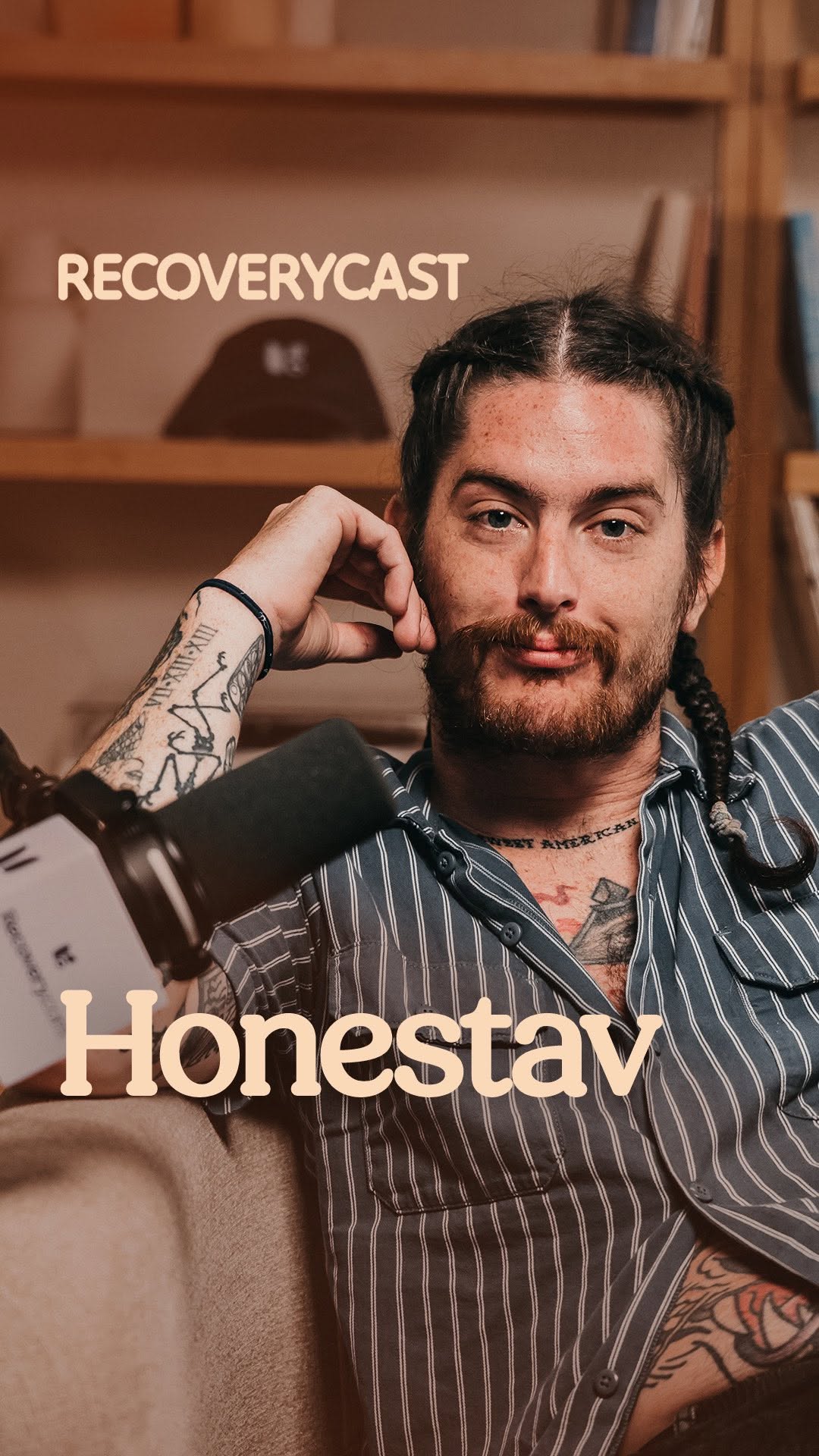 191.6K305.6×Vulnerable monologue on addiction experience@recoverydotcom · Vulnerable Monologue
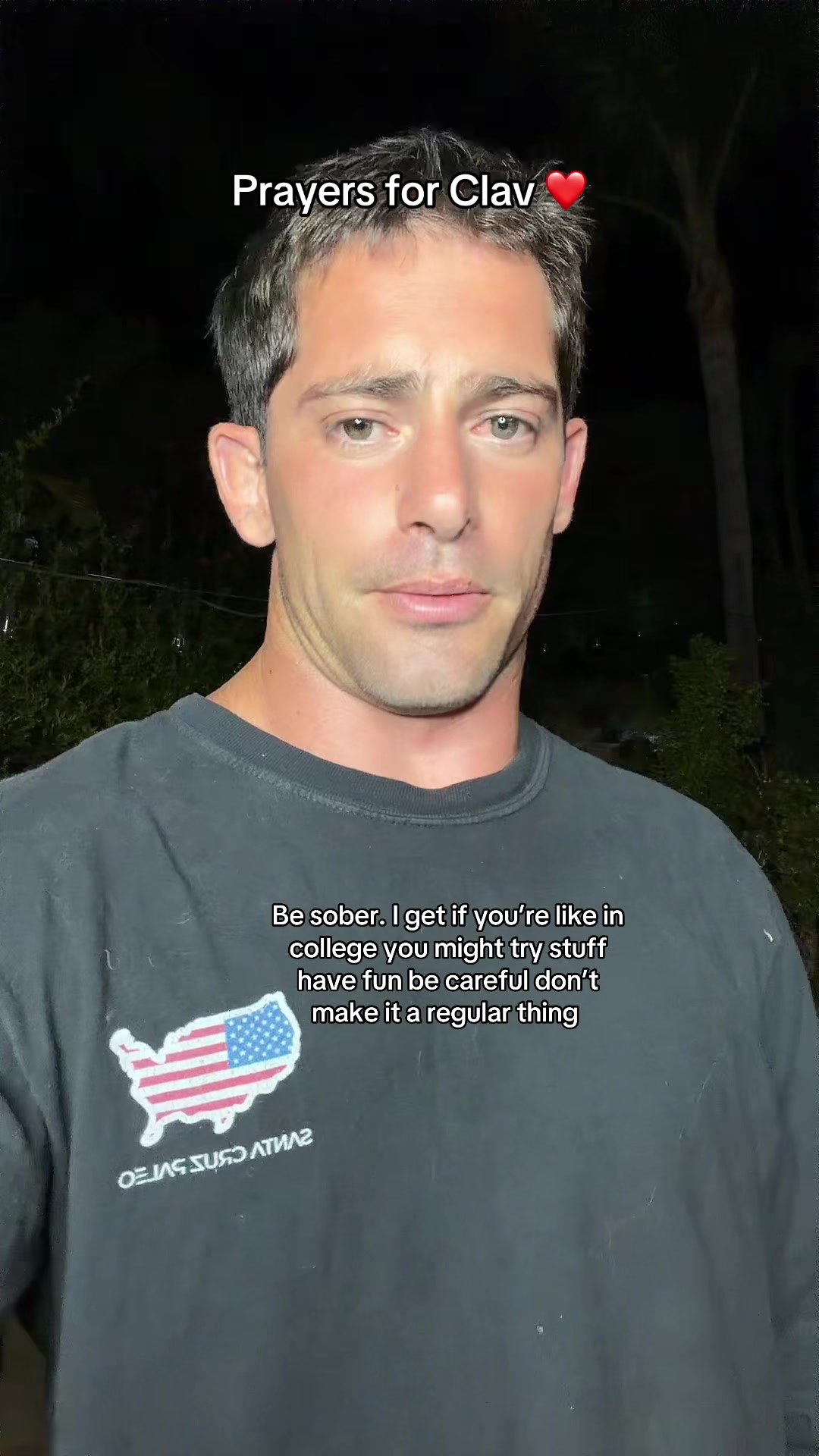 1.1M126.8×Creator's monologue on sobriety advice@santacruzpaleo · Vulnerable Monologue
 624.3KCreator reframes weed-induced paranoia as useful self-reflection@bradley.thor · Anecdotal Philosophy
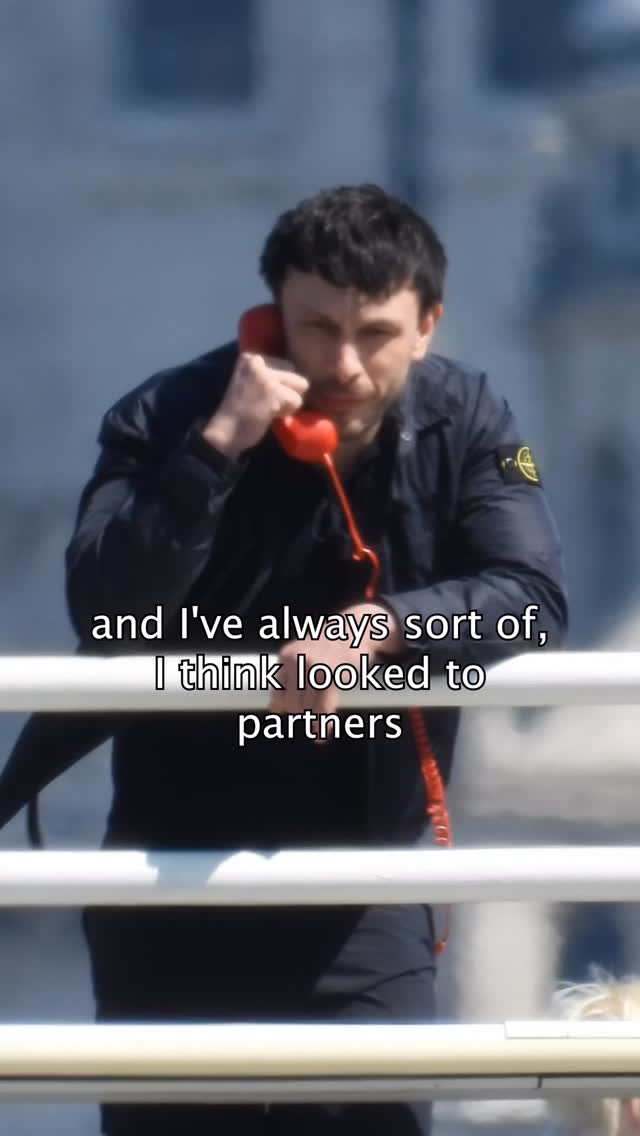 602.7K2.9×Cinematic monologue on personal growth@aview.fromabridge · Vulnerable Monologue
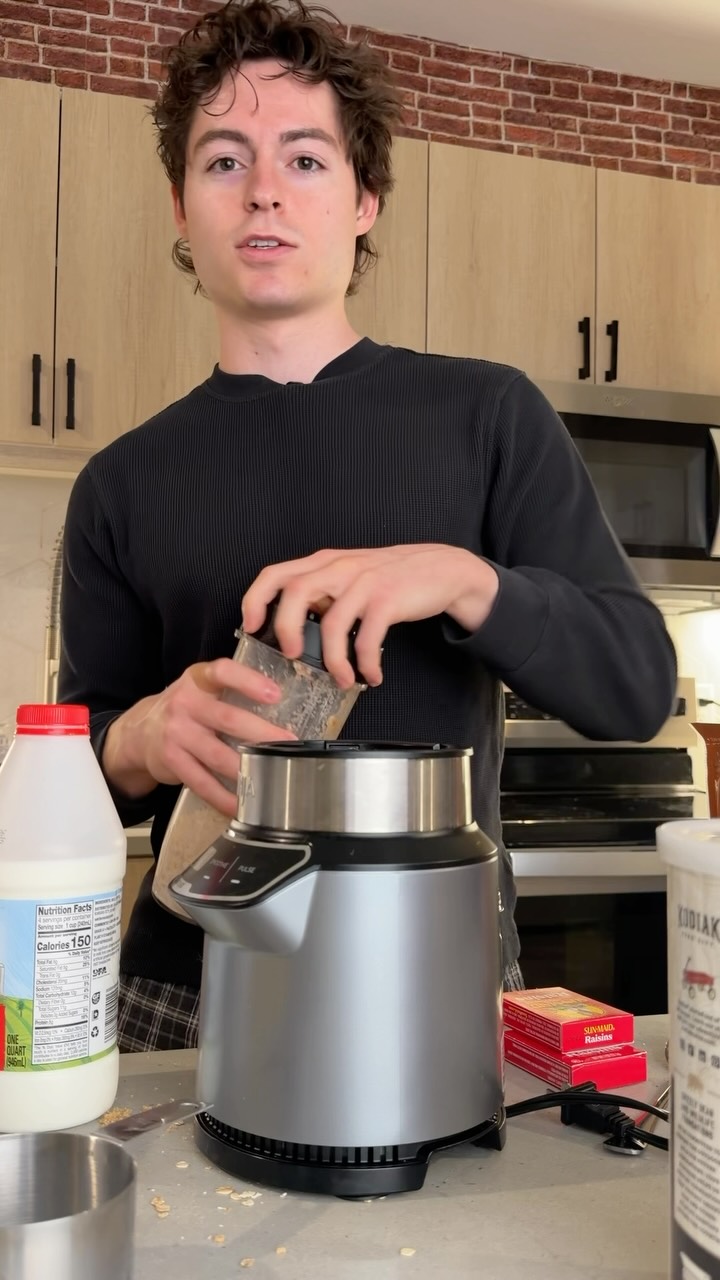 3M30.8×Storytelling while making pancakes@brandongrogan1 · Pope In The Pool Multitask
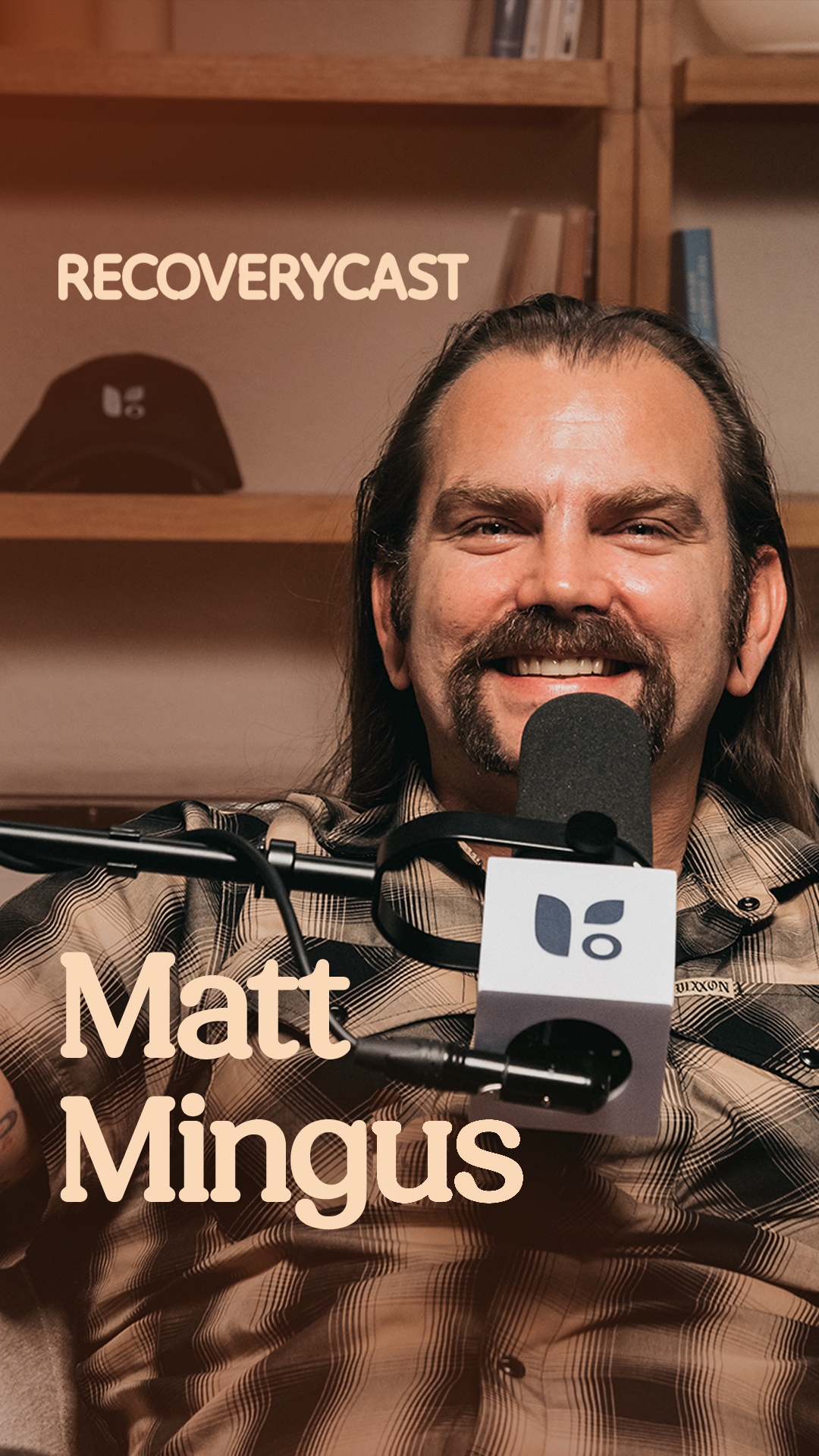 106.4K64.4×Musician tells funny sobriety story@recoverydotcom · Anecdotal Philosophy
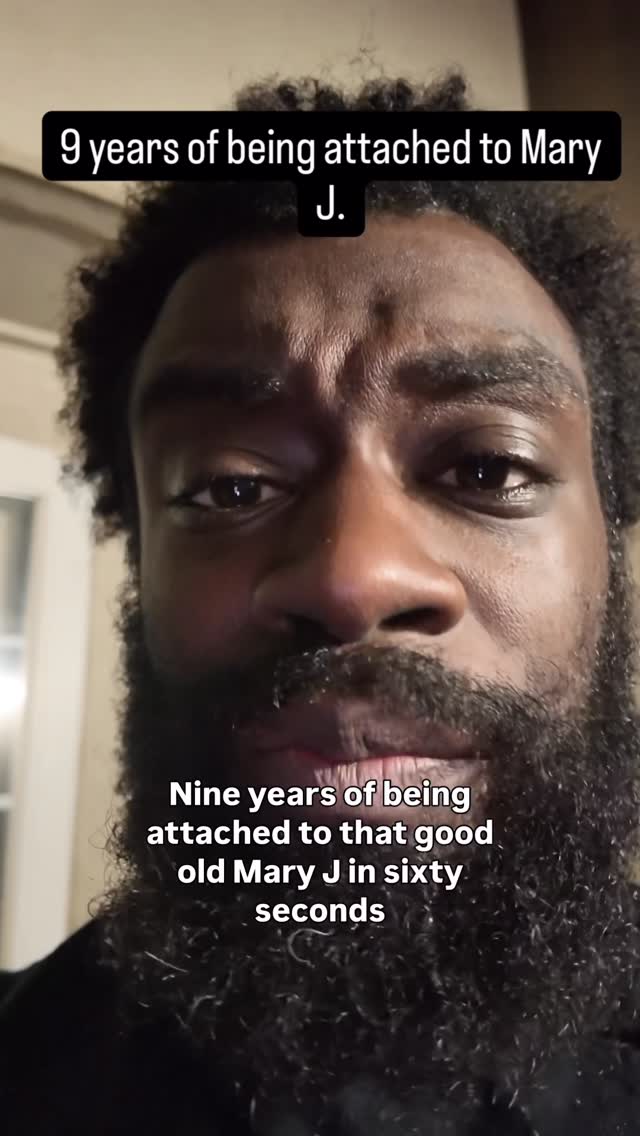 66.6KRapid fire list of addiction lessons@devin.the.one · Rapid Fire Listicle
 125.5KRaw advice on embracing anger@bellatransdid · Hot Take
[04]
[05]
What stops the scroll in the first 3 seconds
Title hook
Don't Let Drugs Control You
Verbal hook
You don't control the drugs, if drugs control you, you're in trouble.
Visual hook
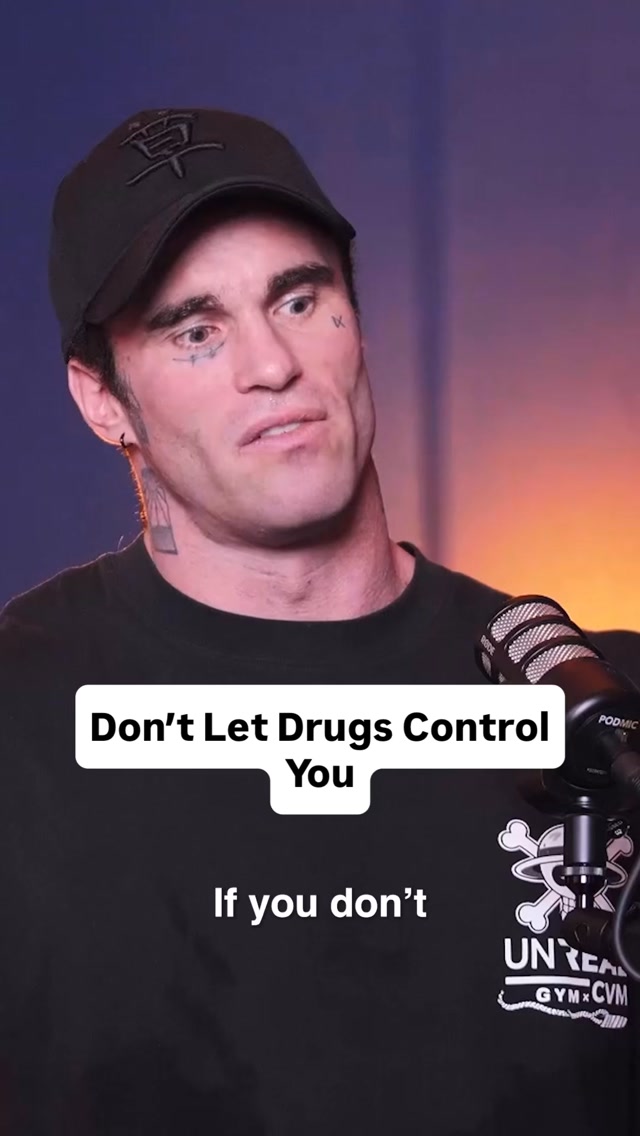
A man with prominent face and neck tattoos speaking directly to the camera in a professional podcast setup with a large microphone and dramatic lighting.
[07]
The promise the opener makes, and how the video pays it back
Hook
A direct, binary warning that establishes the central conflict and high stakes of the narrative (e.g., 'You either control it, or it controls you').
Payoff
The narrative concludes by restating the initial thesis as a hardened, experience-backed maxim, providing a powerful and memorable takeaway for the audience.
[08]
The structural pattern this video runs on
Framework
The Rock Bottom Testimony
To establish authority and deliver a powerful life lesson by recounting a personal story of hitting rock bottom, detailing the consequences, and sharing the resulting epiphany.
The Catastrophic Anecdote
The speaker provides a specific, dramatic, and personal story that serves as the primary evidence for the initial warning. This is the 'rock bottom' moment.
The Consequence Inventory
The speaker quantifies the damage from the catastrophic event by listing the specific, severe negative outcomes (physical, financial, emotional). This makes the abstract danger concrete and visceral.
The Epiphany
The speaker describes the moment of clarity that followed the crisis, where they finally recognized the severity of their situation. This marks the turning point of the narrative.
The Confession of Past Delusion
The speaker contrasts their new awareness with their previous state of denial, making the transformation more profound and relatable to viewers who may be in a similar state.
The Ripple Effect Warning
The speaker expands the lesson from their personal experience to a universal warning about the wider collateral damage the issue can cause in all areas of life (relationships, family, career).
Don’t Let Drugs Control You
title · beginning
Don't Let Drugs Control You
You don't control the drugs, if drugs control you, you're in trouble. I had a drug induced at the coast where I I spun out of control, trashed this worse. I jumped out of a window and threw tier onto my head into a bush, into a tree, into the ground or something. I was shattered best ten, t twelve vertebra and my lumbar. Bad all sorts of lacerations in this arm, like glass that best through. There's a period of time that I disappear. It was after that where I realized I woke up in a hospital, and I was like, oh, I'm not okay. Like, I have to address that. Something needs to be addressed. I was in the loop, like, denial. I thought, like, you know, I can manage myself. I can... I'm alright. I ostracized myself a little better. Like, no. It's this. It's bad. Like, that's why, like, it can really mess things up with your family and your relationships and everything. Like, you can get really, really fucked up relationships and family and business and everything. The drugs will ruin your life if you let them.