Viral Hooks
Trending short videosMan shares vulnerable addiction story
A

@aview.fromabridge

Instagram · Single Take

@aview.fromabridge "I always thought that I was a bad person who needed to get good, but that's not the case. I was an ill person who needed to get well!" – Paul's View From A Bridge @paulmerseofficial . For this year's World Mental Health Day, we’ve partnered with @skysports and @mentalhealthfoundation to share stories from across football about the importance of looking after your mental health. We’re proud to share Paul’s story of resilience and how reaching out for help was an important step towards recovery. If Paul’s story resonates with you, please visit the Sky Sports or Mental Health Foundation website for more information about the campaign and resources to help guide your next steps – or support the charity with a donation - Thanks!

View original on Instagram

The edit1 shot · 13 text
Shots Text2:25

Performance

Views
1.3M
Likes
60.2K
Comments
451
Engagement
4.5%
Outlier
12.3×
Length · 9 Oct 2026
2:25

Video #44469 · Single Take

Man shares vulnerable addiction storyfrom @aview.fromabridge

[01]

Overview

The speaker recounts his experience with suicidal thoughts in his mid-20s, explaining how addiction to drinking and gambling led him to a dark place. He reframes addiction as an illness, not a lack of willpower, using a powerful analogy to make his point. The speaker concludes by sharing a crucial mindset shift—seeing himself as an ill person who needed to get well, rather than a bad person—and emphasizes that recovery requires work and the support of others.

[02]

Simple outline

  1. 1State a profound vulnerability
  2. 2Reframe the source of struggle
  3. 3Invalidate a common myth
  4. 4Offer a path to recovery

[03]

Related videos

[04]

Classification

Concepts
Vulnerable MonologueOrigin Story
Elements
B-Roll CutawayMood Music

[05]

Hook analysis

What stops the scroll in the first 3 seconds

Title hook · 50%

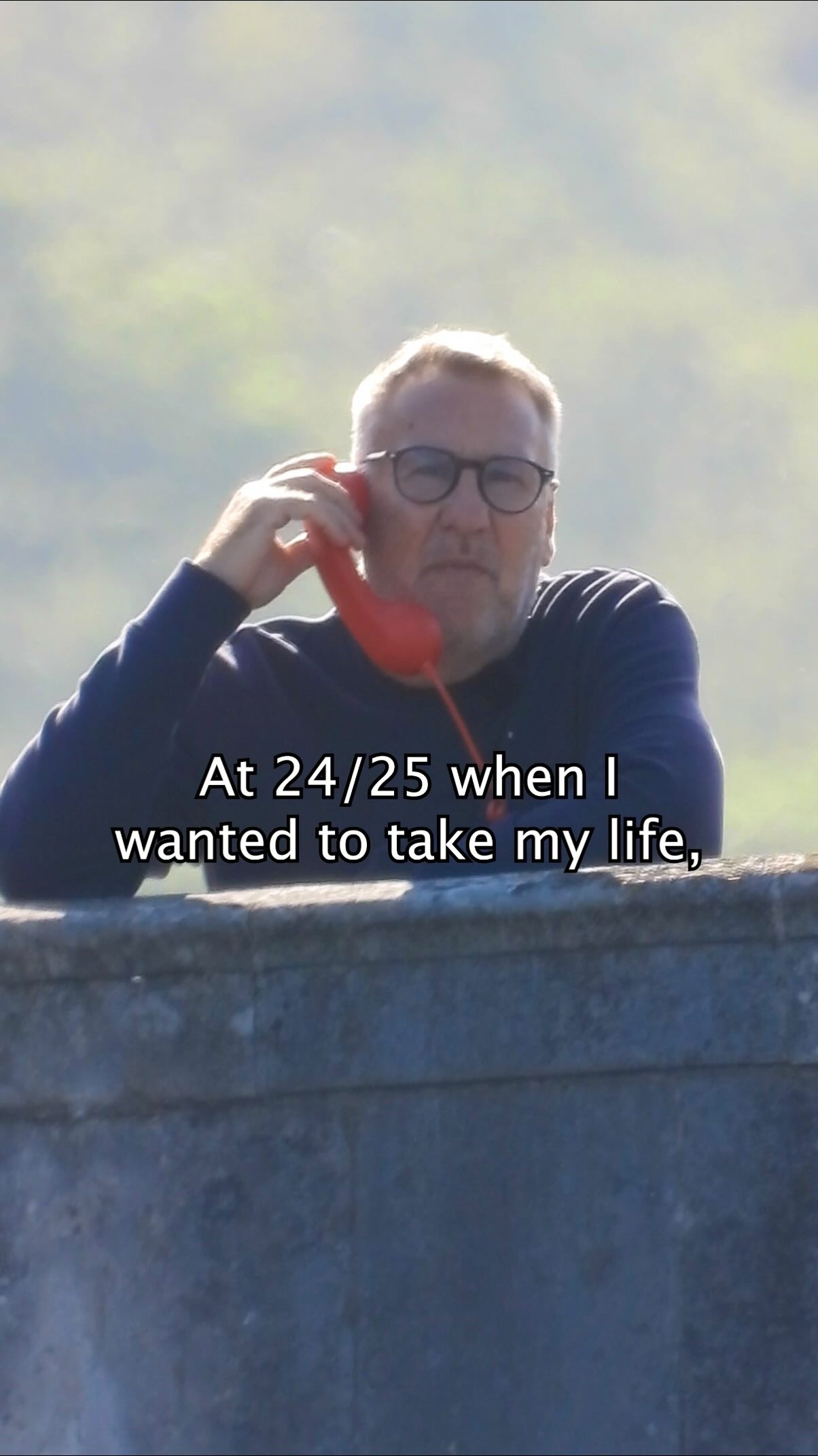
At 24/25 when I wanted to take my life,

Verbal hook · 45%

'20 four, '20 tier, when I wanted to take my life,

Visual hook · 5%

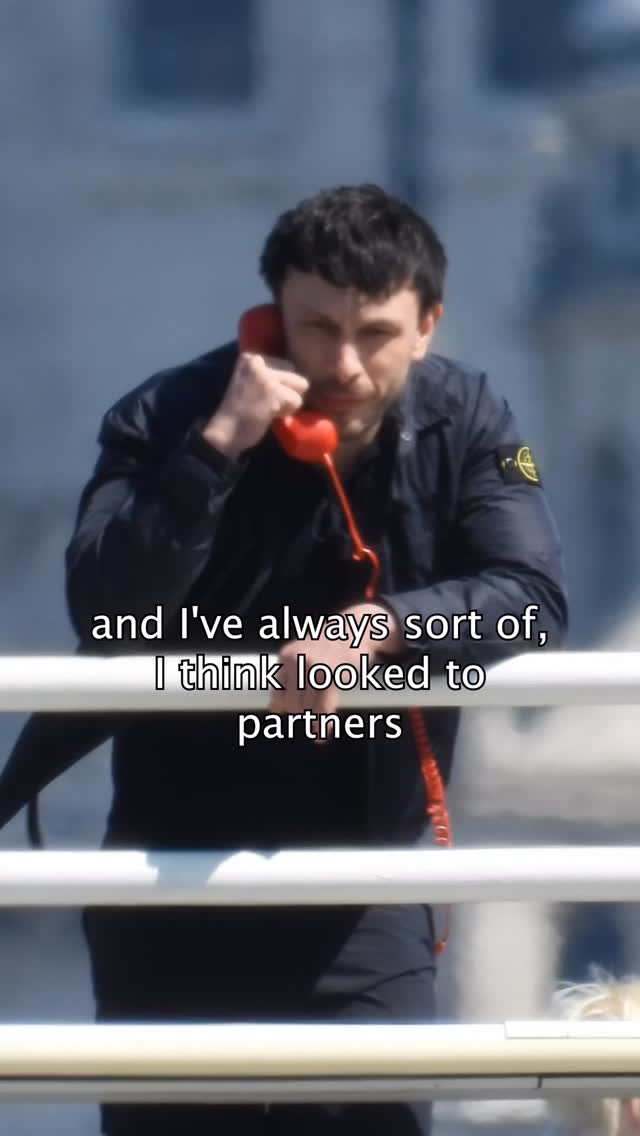
A man stands on a bridge speaking into a bright red, old-fashioned telephone receiver, creating immediate visual curiosity and intrigue.

[06]

Hook template

Steal this for your own video

At [age or life stage] when I [lowest-point moment],

  • — At 31 when I lost every dollar of my savings,
  • — At 19 when I was ready to quit the team for good,
  • — At 45 when I was told I'd never walk again,

[07]

Hook and payoff

The promise the opener makes, and how the video pays it back

Hook

A raw, emotionally charged confession of a past crisis to immediately establish high stakes and deep personal investment.

Payoff

Concludes with a simple, universally understood principle or proverb that serves as the actionable moral of the story, empowering the audience with a clear takeaway.

[08]

Narrative framework

The structural pattern this video runs on

Framework

The Vulnerability Reframe

A personal story that begins with a shocking moment of vulnerability, deconstructs the internal and external misconceptions about the struggle, and concludes with a profound reframing of the problem and a universal, actionable solution.

  1. 1

    The Rock Bottom Confession

    Establishes the narrative's lowest point and core conflict through a stark admission of a past personal crisis, describing a feeling of hopelessness.

  2. 2

    The Glimmer of Hope

    Introduces the possibility of overcoming the crisis by referencing past resilience, creating a forward-looking narrative arc and the belief that recovery is possible.

  3. 3

    The Root Cause Diagnosis

    Identifies and explains the underlying behavior or condition that fueled the crisis, normalizing it to show how deeply ingrained it was.

  4. 4

    The Societal Misconception

    Broadens the personal story into a universal one by reframing the root cause as an involuntary condition, not a personal failing or choice.

  5. 5

    The Willpower Fallacy

    Uses a powerful, visceral analogy to aggressively dismantle a common but unhelpful societal belief about overcoming the struggle.

  6. 6

    The Core Reframe

    Delivers the story's central thesis by shifting the narrator's self-perception from being a 'bad person' to an 'ill person,' providing the key emotional and intellectual payoff.

  7. 7

    The Recovery Mandate

    Outlines the necessary components for recovery, balancing personal responsibility with the critical need for external support.

  8. 8

    The Isolation Lie

    Personifies the struggle, explaining its deceptive nature and its tendency to isolate the individual, reinforcing the need for connection.

Themes

  • Resilience
  • Vulnerability
  • Hope
  • Addiction as an illness

Techniques

  • Personal storytelling
  • B-roll cutaways
  • Full-transcript text overlays

Post caption

"I always thought that I was a bad person who needed to get good, but that's not the case. I was an ill person who needed to get well!" – Paul's View From A Bridge @paulmerseofficial . For this year's World Mental Health Day, we’ve partnered with @skysports and @mentalhealthfoundation to share stories from across football about the importance of looking after your mental health. We’re proud to share Paul’s story of resilience and how reaching out for help was an important step towards recovery. If Paul’s story resonates with you, please visit the Sky Sports or Mental Health Foundation website for more information about the campaign and resources to help guide your next steps – or support the charity with a donation - Thanks!

Text overlays

  • contextual · beginning

    At 24/25 when I wanted to take my life,

  • contextual · beginning

    my suicidal thoughts were constantly, constantly happening.

  • contextual · beginning

    I knew there was a light at the end of the tunnel.

  • contextual · middle

    I drunk and gambled for a long, long time.

  • contextual · middle

    Drinking and gambling was as natural to me as what it is for everybody in this country to get up in the morning and clean their teeth.

  • contextual · middle

    addiction is so overwhelming sometimes that you just don't sometimes see a way out.

  • contextual · middle

    It is an illness!

  • contextual · middle

    show a bit of willpower next time you get diarrhoea and don't take anything and see if that works....Willpower.

  • contextual · end

    We have to accept this and help people and get them to talk.

  • contextual · end

    I was a bad person who needed to get good.

  • contextual · end

    That's not the case. I was an ill person who needed to get well.

  • contextual · end

    I can't do this on my own. Absolutely not.

  • contextual · end

    A problem shared is a problem halved and it is so, so, so, so true.

Transcript

'20 four, '20 tier, when I wanted to take my life, when I was really in a dark, dark space, I... I'd never see there being a a way out. You know, that tunnel was so dark that, you know, my suicidal thoughts were constantly, constantly happening. But as time went on and I got out of that, they got a little bit less. But then if I did get them, at least I knew then that from my past experience that I got through it before, that I could get through it again and I could see a light. I knew there was a light at the end of the tunnel. I rank and gambled for a long, long tier. It caused me a lot of pain, a lot of mental health issues. Drinking and gambling was as natural to me as what it is for everybody in this country to get up in the morning and clean their teeth. I had to try and change that and hope that it was gonna be different because as I say, addiction is so overwhelming sometimes that you just don't sometimes see a way out, and that's where the sadness is in it is some people don't get a way out. It isn't the honest. People don't get up in the morning and go, oh, well, I wanna be an addict. I'm gonna be an alcoholic. I'm gonna be a compulsive gambler. You think people want that? People don't want that. And this is what me off is like people think, you know, I'll get on with it. People will say, meow, show a bit of willpower. Show a bit of willpower. Show a bit of willpower next time you get diarrhea and don't take anything and see if that worse. Willpower. People don't wanna feel like this. They feel like this, and it's like it is an illness. We have to accept this and help people and get them to rank. And I think that's the message. It's nothing to do with me being a footballer and me being in the spotlight. It's it's an illness. I always thought for a long time in my life, I was a bad person who needed to get good with letting people down all the time, promising that I won't do this anymore, and I kept on going back and doing it. That's not the case. I was a new person who needed to get well. It's like in football terms. The more you play football matches, the better you get, the more experience you better. And it's the same with this. I have to put in the work. I can't rely on people to help me and me not to do the worse, but I need people around me. I can't do this on my own. Absolutely not. It got me in too much trouble every time I tried to do something on my own. With addictions and mental health, it tells you you're the only one, and it doesn't want you around people. It wants you sitting on your own. So to talk and get it out tier, there's a saying in tier. A problem shared is a problem halved, and it is no, so, so, so true.

Man shares vulnerable addiction story | Viral Hooks