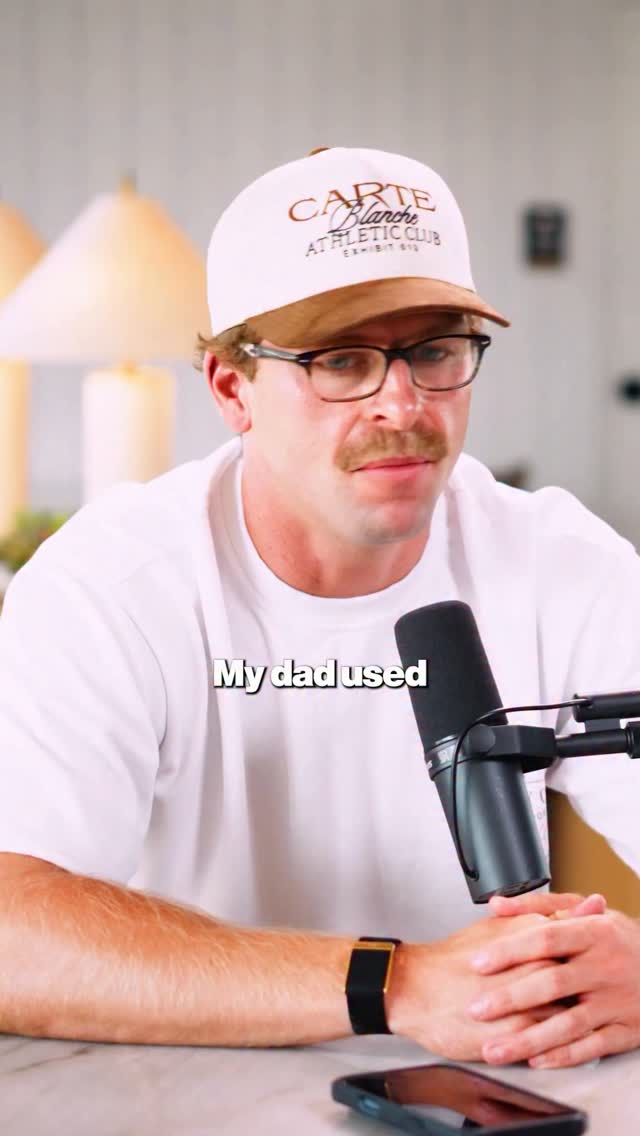
The speaker, a musician, shares a deeply personal and tragic story about his bandmate and close friend who died from a fentanyl overdose just six months into the speaker's own sobriety. He recounts the friend's struggle, his attempt to go to rehab, and the devastating outcome. The speaker then reflects on how he coped with this immense grief by utilizing the tools he learned in recovery and leaning on his support system, emphasizing that relapsing would not solve his problems.
Post caption
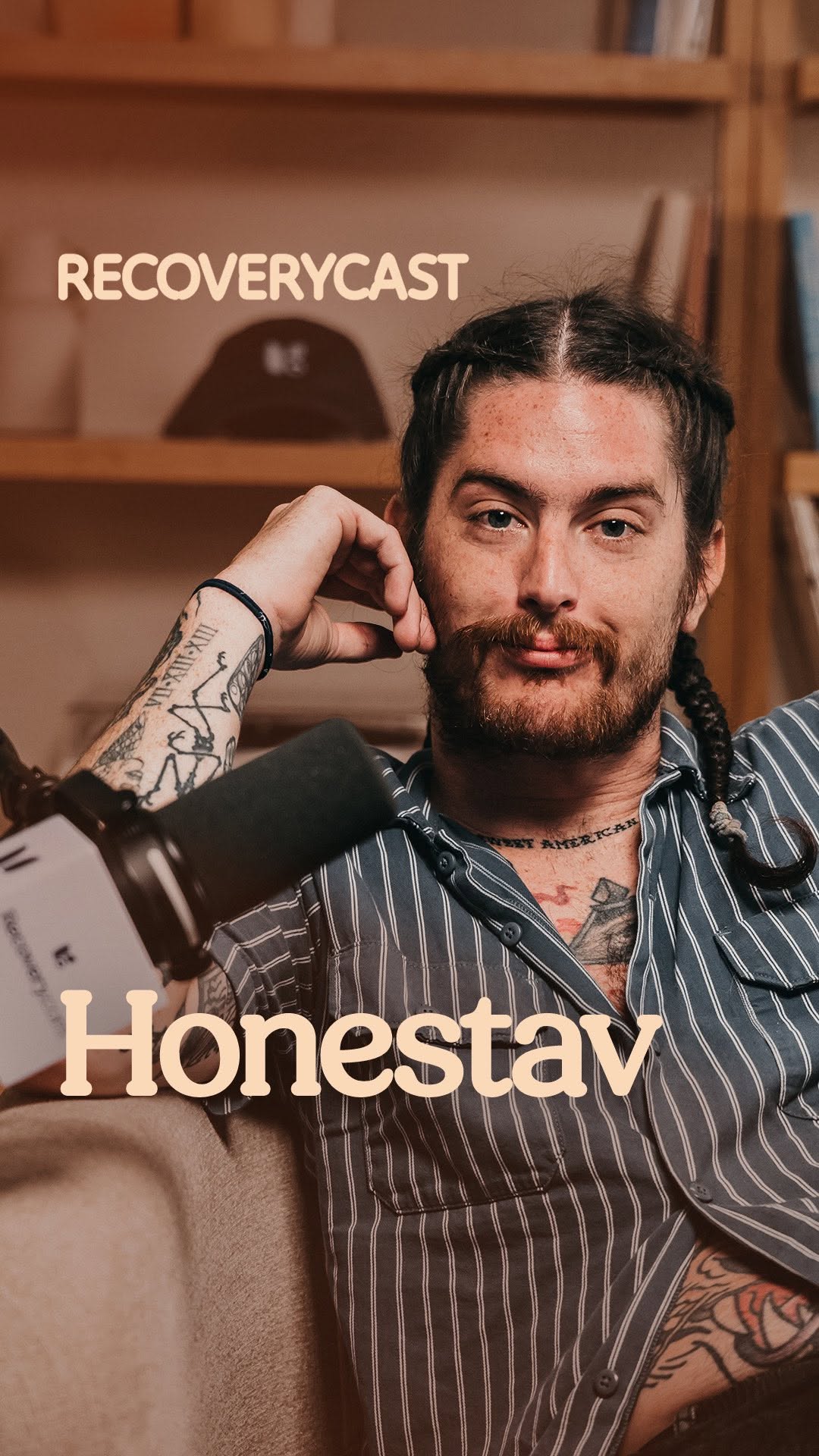
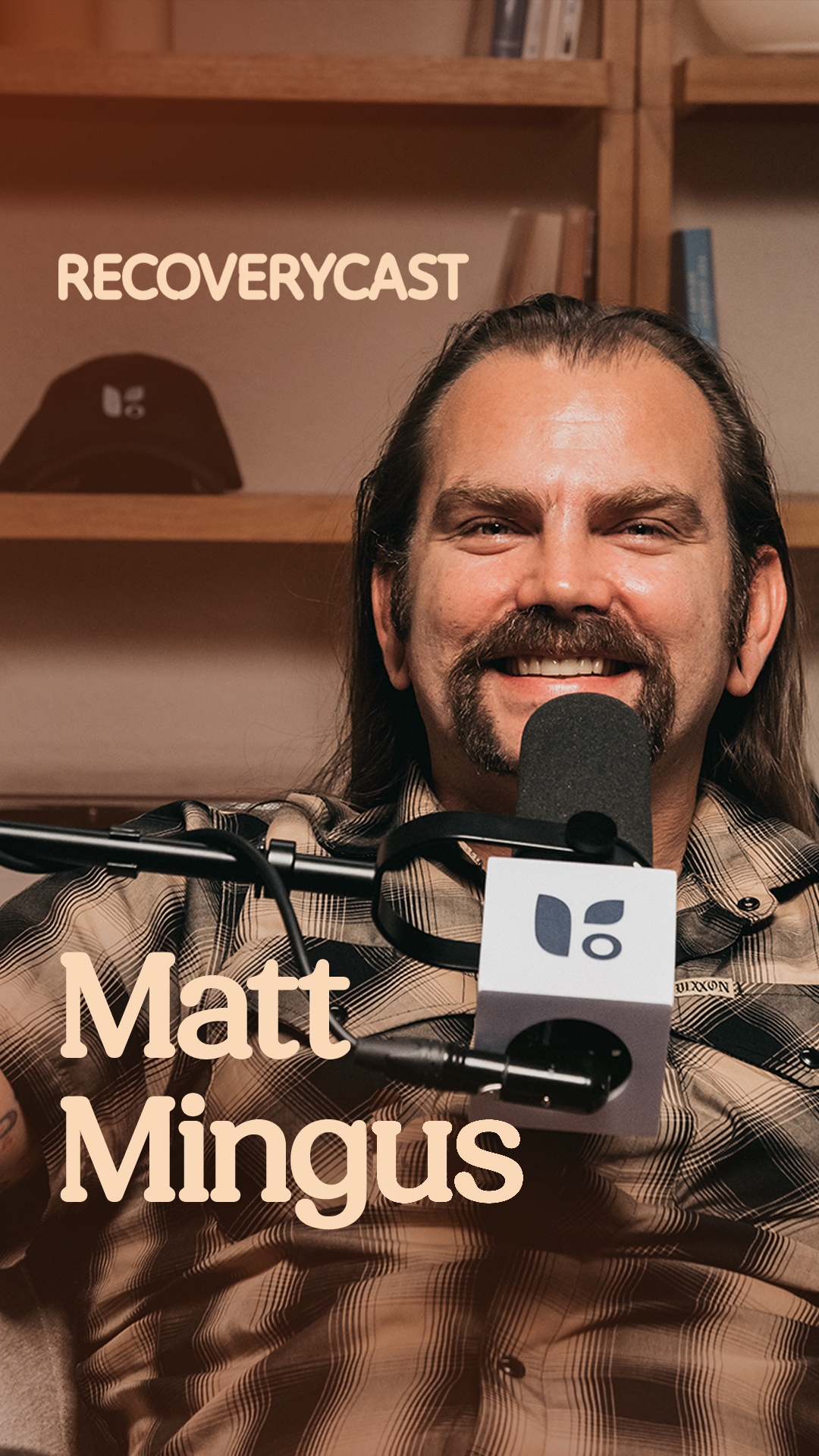
Just six months into recovery, Matt Mingus and his Dance Gavin Dance bandmates faced a devastating tragedy when they lost their bass player and close friend, Tim Feerick, to an overdose. Navigating profound grief without resorting to past coping mechanisms became one of the greatest tests of his sobriety.
By leaning on his support system and putting the tools from treatment into practice, Matt remained grounded and continued reminding himself that turning back to alcohol or drugs wouldn't erase the pain.
Today, he views recovery as a profound gift, honoring his journey with the deep understanding that those in sobriety are the fortunate ones because not everyone makes it out.
If you or someone you know is struggling, remember that you don't have to do this alone help is available, and reaching out is the first step.
Watch the full episode of Recoverycast on YouTube or listen on your favorite podcast platform to hear Matt’s full story.
#dancegavindance #dgdtheband #dgd #recoveryispossible #wedorecover
Transcript
Right around six months sober, our best player overdosed on fentanyl and died. And he he was a really close friend of mine. He had been struggling too for a while, and he had agreed to go to the same rehab that I went to. And he went and he excused himself two days early and left and then went home and overdosed that night. And it was, it rocked like my whole world and everybody, you know, and the band and around me. And, and that was rough, but I just like utilized the tools that I was taught tier. Mhmm. And I just leaned on people. I would just remind myself that, you know, getting loaded or rank, it's not gonna solve anything. No. It's not. And it's like, okay. I got this really big awful problem. Well, now let me just introduce this other huge awful problem into my life and drink over it. Mhmm. It's not gonna fix anything. Right. Especially considering how he passed. Absolutely. He... Yeah. He would want you to remain in recovery. Yeah. My brain was going wild when you said that because it's like you had gotten out of treatment. It's, like, six months out. You're just starting to be able to, like... I'm feeling my feelings now for the first time in decades. Mhmm. What are the thoughts going through your head at that time? I mean, it was hard. It... You know, I'd spent the six months before that, you know, learning all about my disease and, and addiction and alcoholism and watching him still be active in that before he passed. It's like I said earlier, it's attraction, not promotion. So there's the big part of me that wanted to say there's another way of life, you know? Better we can't do that. Just show them. I can just show up and and live my life and be there for him if if he was interested. We were all really concerned about him. You know, we'd have, like, band calls and he'd be, like, nodding off. And it was just... It it was really hard to watch. So finally, we kinda had to give him an ultimatum Yeah. Similar to the same one that was presented to me. And, and when he passed, it was like, it was just a reminder too of how serious this issue Mhmm. Of a disease of alcoholism and addiction, It it is so serious. It's taking lot. It's taken so many lives. It takes lives. Me, myself, and anyone else in recovery or sobriety, like, we're the lucky ones. Like, we got out because not everybody does. No everyone does.