@middlebrowpod
Instagram · Clip
@middlebrowpod Full episode with @jeffkoons out now.

@middlebrowpod
Instagram · Clip
@middlebrowpod Full episode with @jeffkoons out now.
Performance
Video #49278 · Clip
[01]
An interviewer asks artist Jeff Koons if he ever felt his multi-decade, multi-million dollar 'Play-Doh' sculpture project was insane. Koons confirms this feeling and elaborates on the unforeseen complexities that arise in his ambitious works, explaining how initial time and scope estimates are often inaccurate. He then details the specific journey of the 'Play-Doh' piece, from its original conception as a polyethylene sculpture to its final form in aluminum, driven by the need to preserve intricate details and maintain the work's optimistic theme.
[02]
[03]
 283.7KCreator's critical list of artists@thedanrosen · Rapid Fire Listicle
 131.3K2.1×Artist explains philosophy over sculptures@whitecube · Brand Showcase
 221.7K6.5×Step-by-step art studio build@preschoolwithmrdanny · Process
 1.5M2.1×Decorating grand foyer with antiques@want.zamora · Process
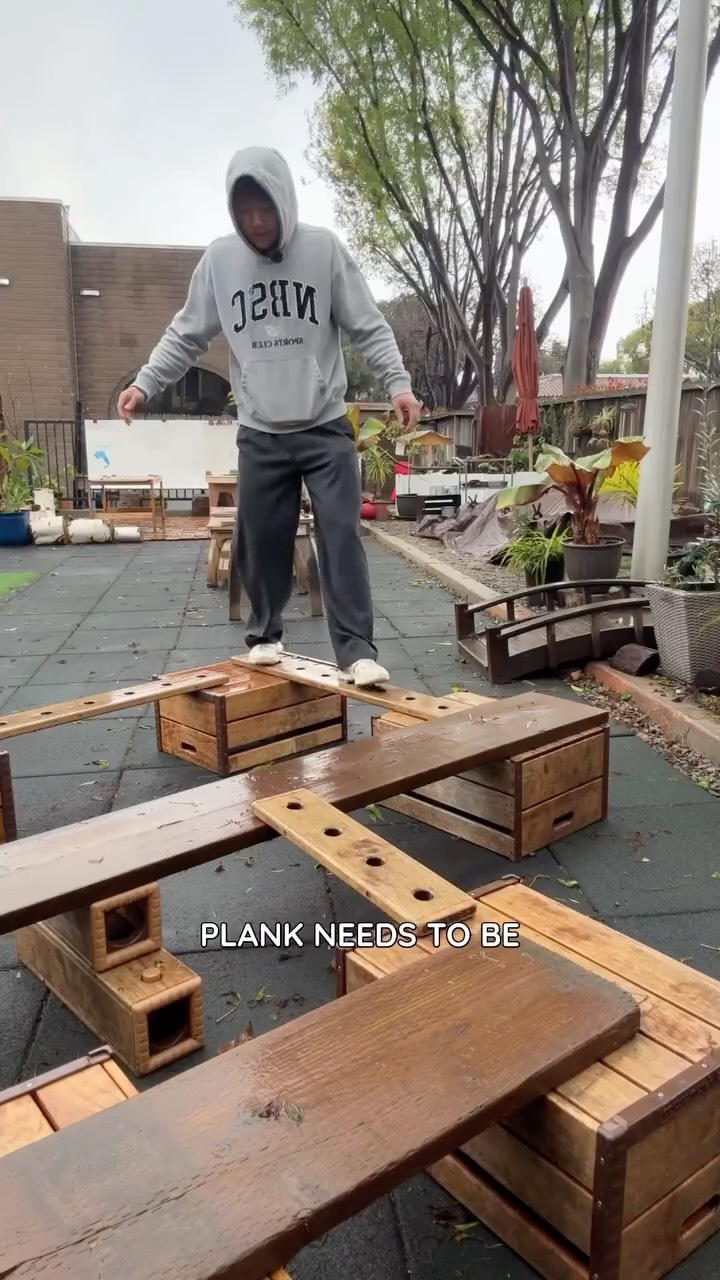 1.3M37.7×DIY playground build and philosophy@preschoolwithmrdanny · Value Vlog
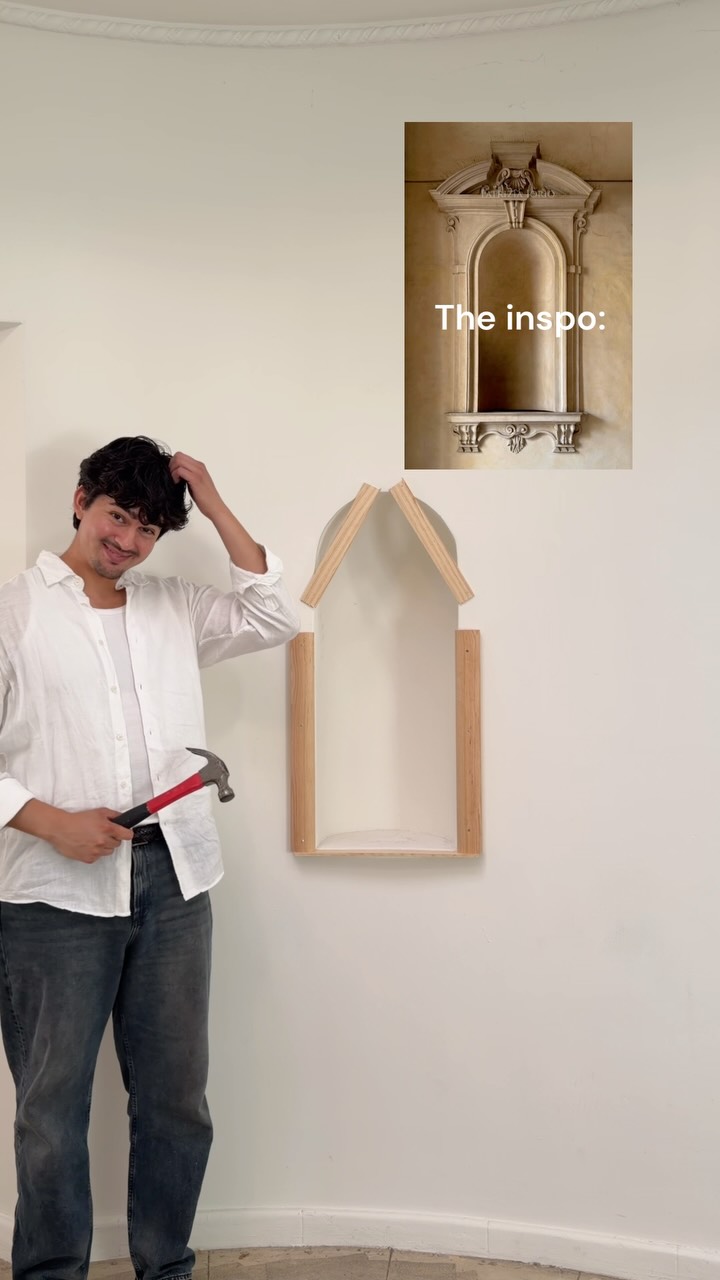 3M10×DIY home project inspiration montage@want.zamora · Process
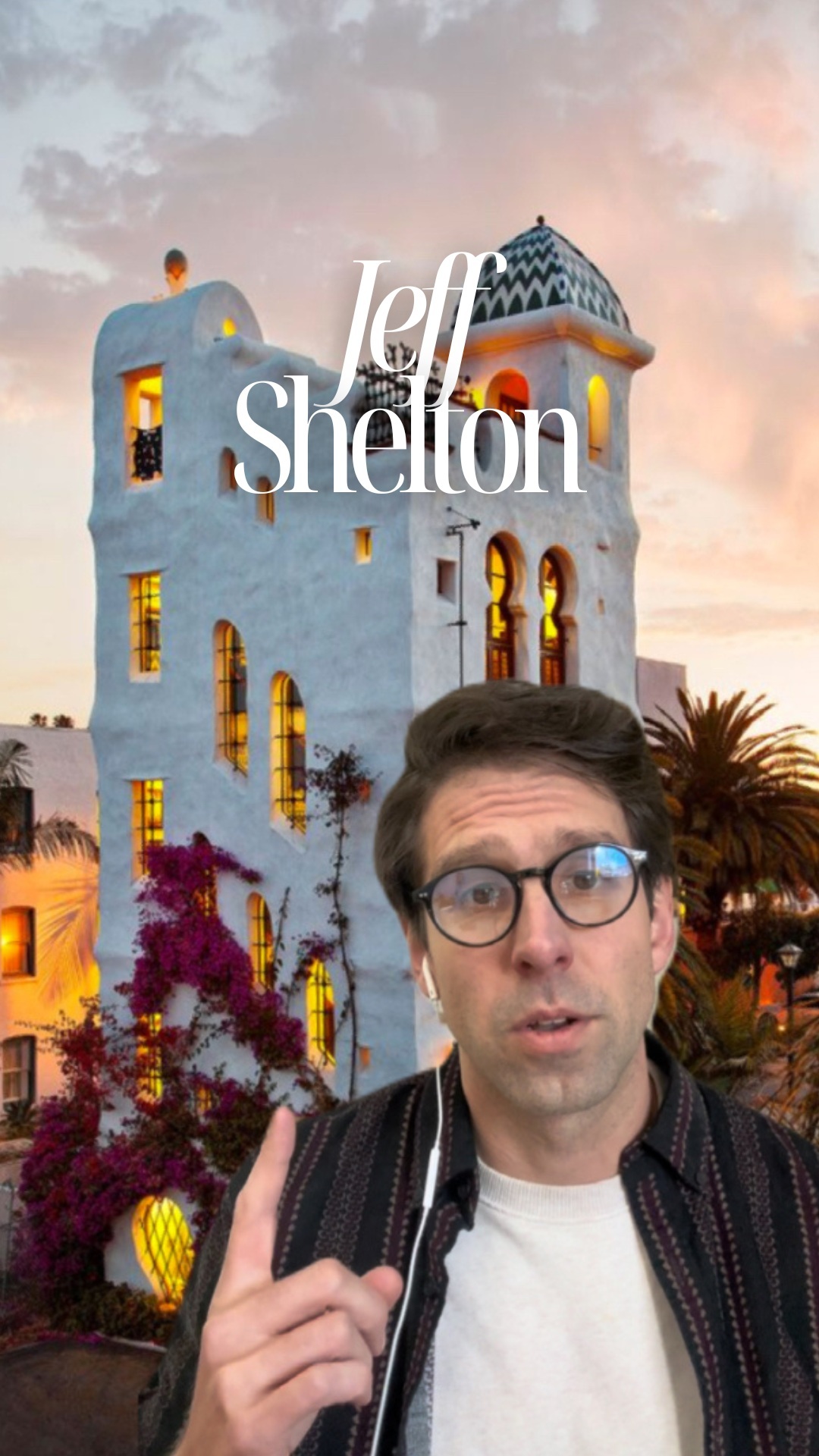 1.4M7.9×Showcasing an architect's whimsical style@hansloreidesign · Showcase
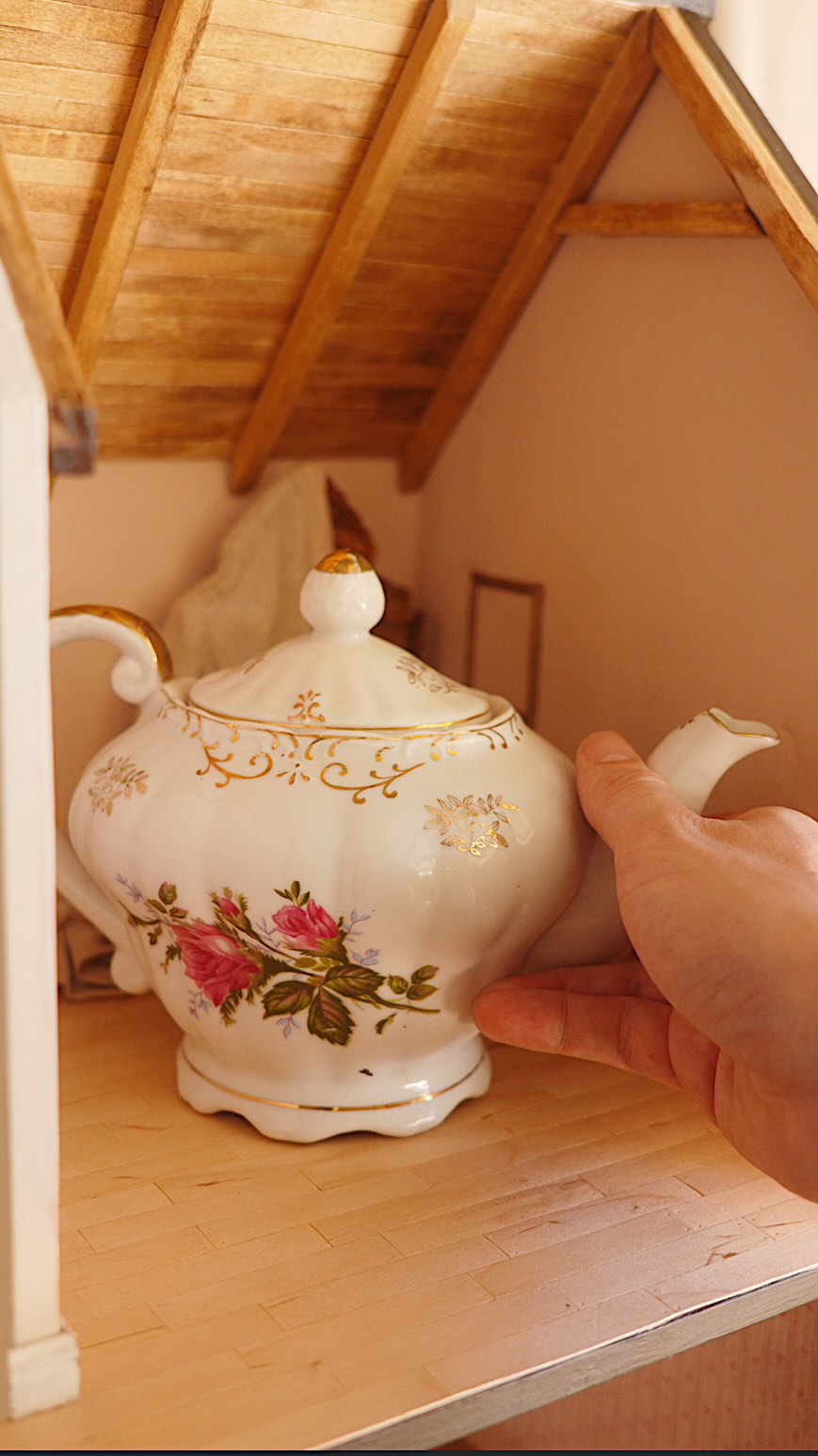 714.8K23.6×DIY dollhouse renovation process video@kylewilliamdesign · Process
 267K131.4×Explaining a historical design trend@annakahoelkstudio · Breakdown
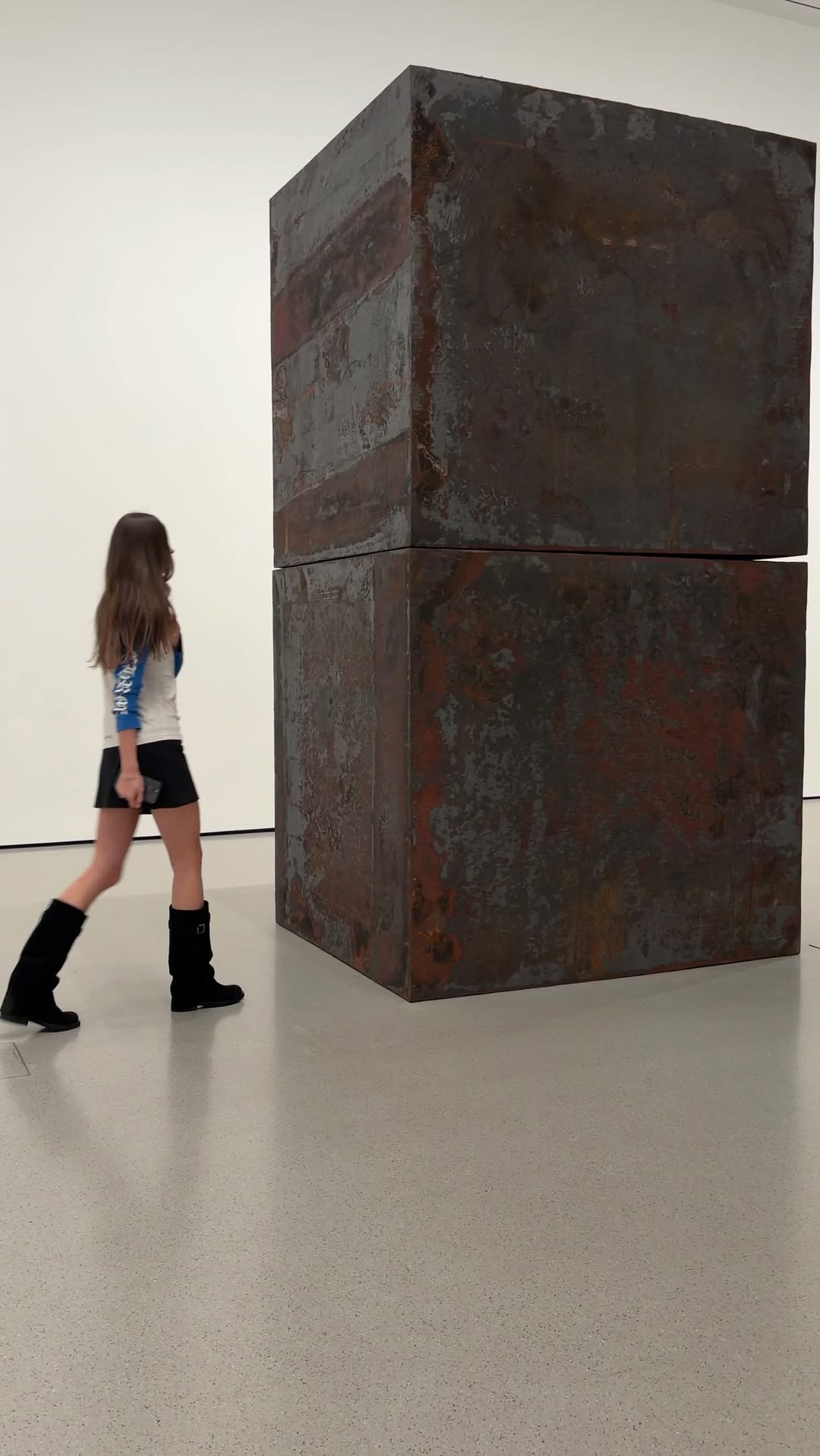 5.1M11.8×Aesthetic showcase of minimalist art@ameliecarrara · Vibe Showcase
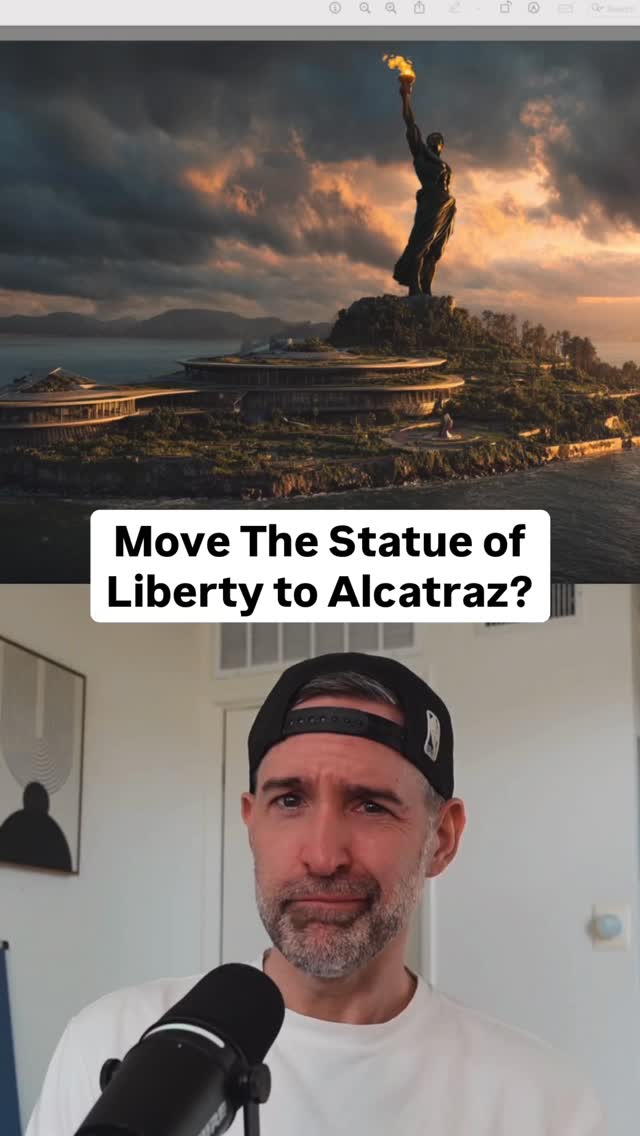 286.4K212.6×Creator explains Alcatraz statue proposal@thejamescamp · Explainer
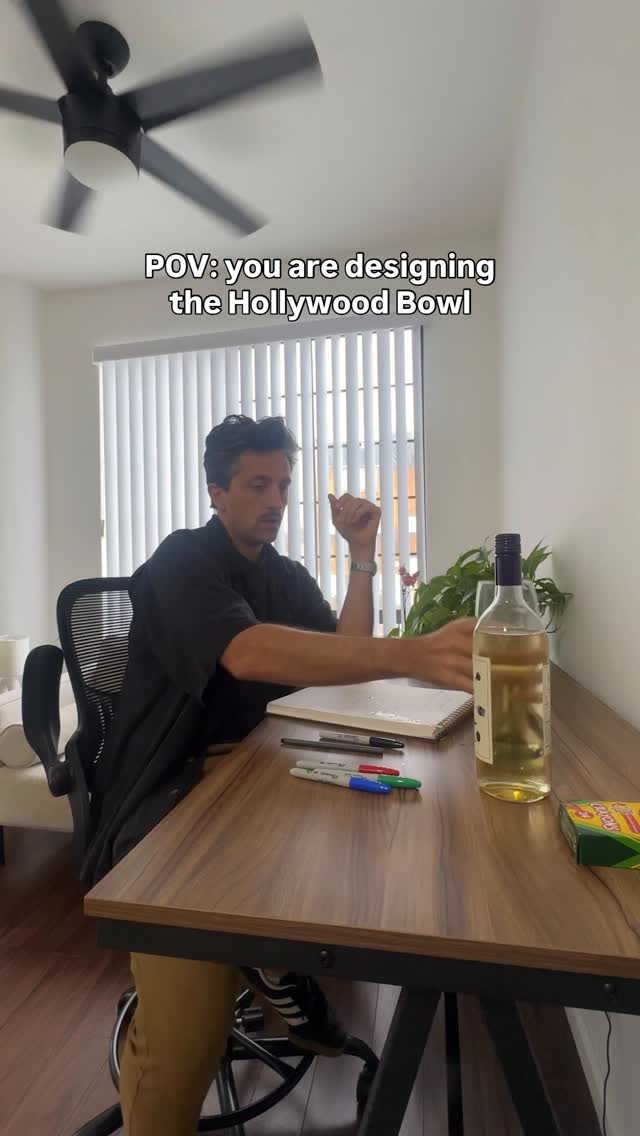 914.6KArchitect satirically designs Hollywood Bowl@aka__vinnie · Skit
[04]
[05]
What stops the scroll in the first 3 seconds
Title hook
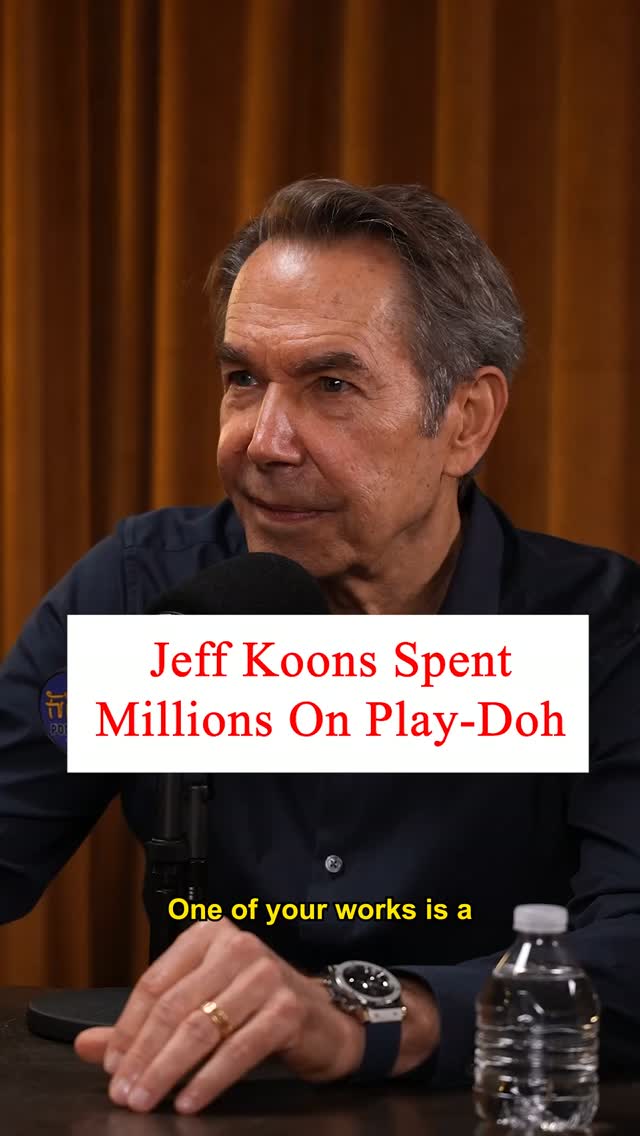
Jeff Koons Spent Millions On Play-Doh
Verbal hook
One of your works is a very large scale Play-Doh mound.
Visual hook
A medium close-up shot of artist Jeff Koons in a professional podcast studio setting with warm, soft lighting and a wood-paneled background, establishing an intimate and expert-driven tone.
[07]
The promise the opener makes, and how the video pays it back
Hook
A direct, relatable question that challenges the sanity or feasibility of a subject's major, long-term undertaking, immediately framing it as something extraordinary and potentially absurd.
Payoff
The audience gains a newfound appreciation for the subject's work by understanding the immense problem-solving and perseverance required, reframing what seemed 'insane' as a masterful execution.
[08]
The structural pattern this video runs on
Framework
The Process Reveal
Deconstructing a complex or seemingly absurd achievement by posing a direct, skeptical question and then walking the audience through the hidden challenges, the original intent, and the ultimate innovative solution.
The Provocative Inquiry
An interviewer poses a direct question that voices the audience's potential skepticism about a creator's ambitious project, focusing on the immense time and resources invested.
The Surprising Validation
The creator immediately and unequivocally agrees with the premise of the question ('Yes'), which disarms the audience and validates their skepticism, creating an instant connection.
The Generalization Principle
The creator broadens the scope from the specific project to a general principle, explaining that underestimating complexity and time is a recurring pattern in their ambitious work.
The Complexity Reveal
The creator details how initial plans are often derailed by unforeseen complexities, revealing that the reality of execution is far more difficult than the initial concept.
The Sunk Cost Justification
The creator explains the 'point of no return,' where the deep investment of time and resources makes it illogical to abandon the project, a highly relatable concept.
The Conceptual Origin Story
The creator pivots to explain the original, often idealistic or emotional, intent behind the project, adding a layer of conceptual depth and purpose.
The Technical Barrier
The creator identifies the specific, critical technical obstacle that made the original plan unfeasible, establishing the core conflict of the creation process.
The Adaptive Resolution
The creator reveals the final, innovative solution they devised to overcome the technical barrier, often involving a change in material or method to achieve the original aesthetic goal.
Full episode with @jeffkoons out now.
title · beginning
Jeff Koons Spent Millions On Play-Doh
contextual · middle
New Text Layer
One of your works is a very large scale Play Doh Mound. Is there any point when you're working on this piece over two decades and you best millions of dollars on it where you're like, What I'm doing is insane? Yes. Good, that does happen because in getting involved in, some of the projects, my stone ballerinas have been very much in that context. Initially better involved, I think that the time is going to be much shorter. I'm told that the time will be much shorter by the people I'm working with that have experience manipulating those materials, whether it's a fabricator or somebody involved with milling. But then once you get involved, you start to realize that they haven't really thought it through the whole way. And you start to understand everything is much more complex than what you initially thought it was. I've partnered in the past already with MIT with Better and Atoms to try to find solutions that could help expediate some of those works. Generally, they're very good ideas that'll come worse. But if you good start it in the very beginning that way, it could have really reduced the time. But once you're so deeply involved to where you are, it doesn't really make sense to start over. So Play Doh, I originally wanted to be a polyethylene sculpture. It's a form of a plastic. Little tight makes a lot of children's toys, like a house for your backyard that you can have like a log cabin or some type of playhouse that as a child, you can have adult fantasy. So I wanted the sculpture's material, the Play Doh, to have that optimism of that kind of gift of a future. And I've worked on the piece for many years, but it became so complex, all the undercuts, that the type of draft that I would have to make for the polyethylene sculpture, I would have lost too much detail. So I ended up making it into aluminum tier and painting it in a manner that it looks like polyethylene.