@middlebrowpod
Instagram · Clip
@middlebrowpod Full episode with playwright @fr1ed1ch out now!

@middlebrowpod
Instagram · Clip
@middlebrowpod Full episode with playwright @fr1ed1ch out now!
Performance
Video #49282 · Clip
[01]
The speaker explains the high-risk, high-reward nature of theater investing, contrasting the possibility of total loss with the potential for lifelong passive income. He uses the musical 'The Lion King' as a case study for massive success and discusses how breaking even is often the best-case scenario for many productions. He then briefly touches on the nonprofit fundraising model used for his own show, 'Job,' to illustrate a different approach to financing.
[02]
[03]
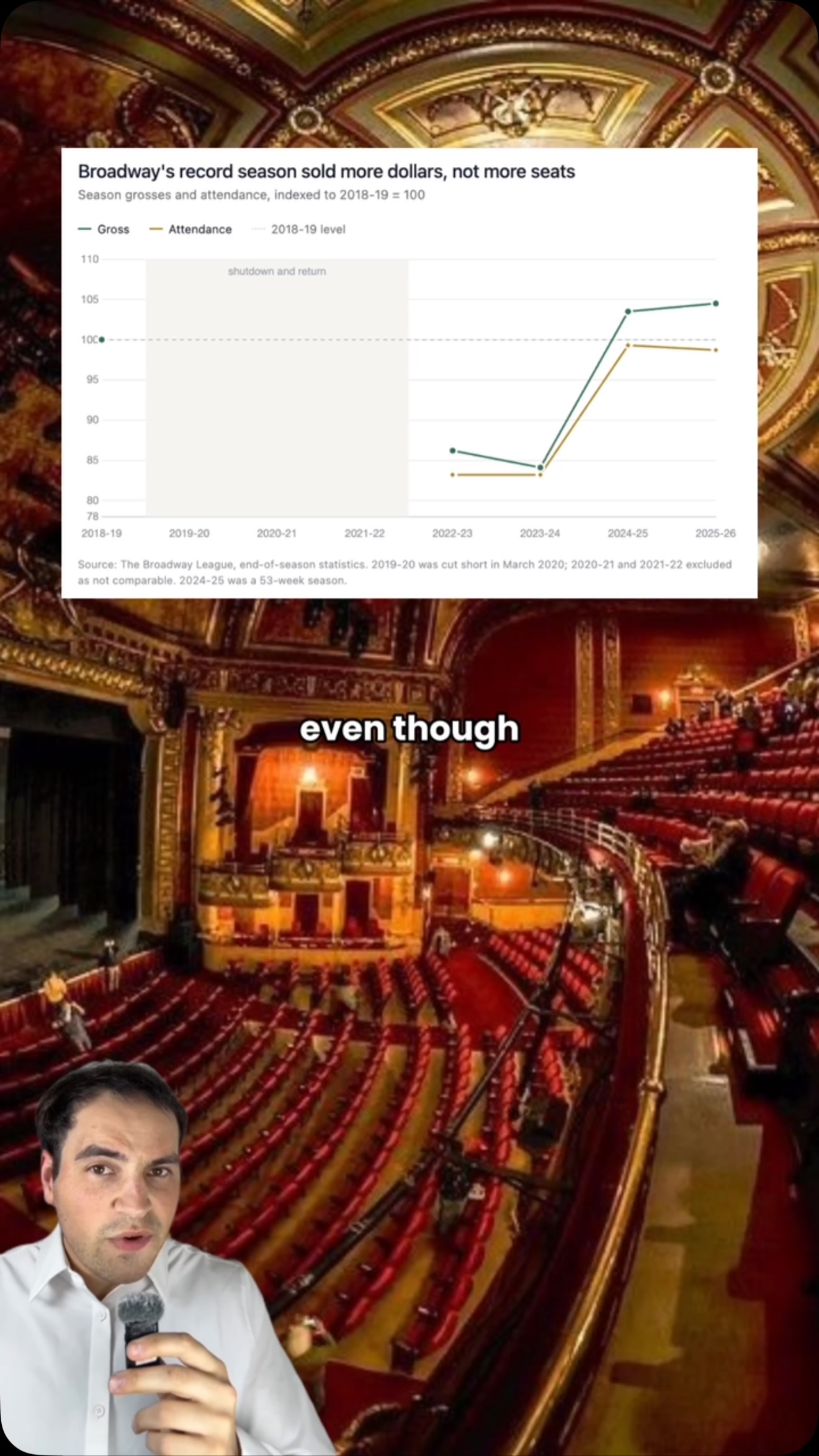 152.8K31.9×Explaining Broadway's bad business model@maxxrosenblum · Opportunity Explainer
 140.5K1.9×Entrepreneur uses 250 dots on paper to argue risk isn't real@briarcochran · Anecdotal Philosophy
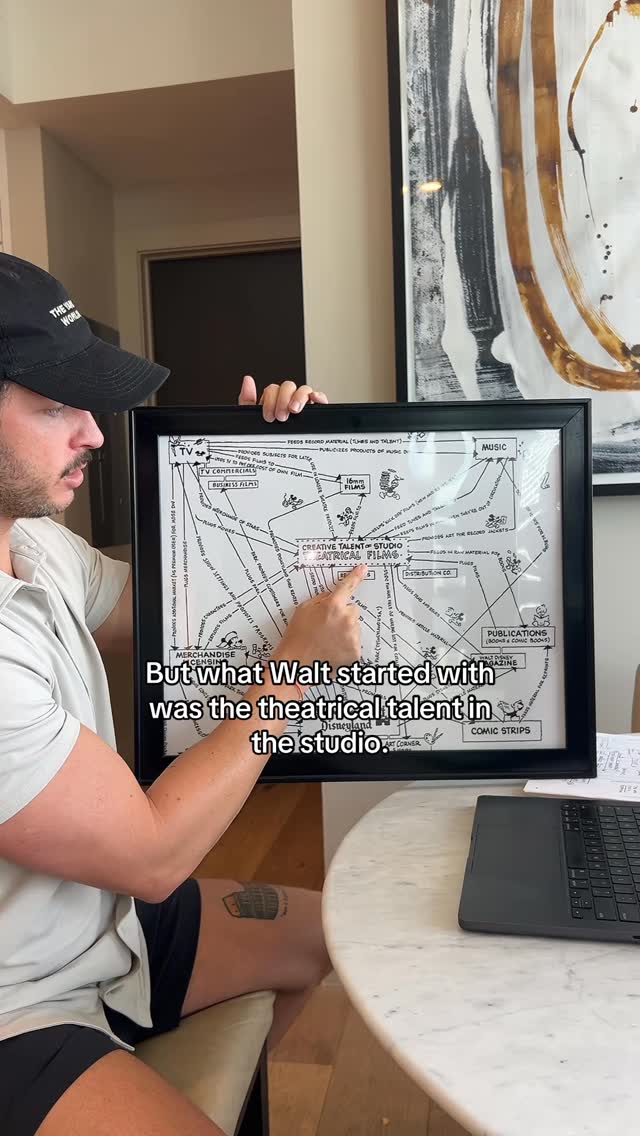 714.5KExplaining business plan using props@brianluebben · Playbook
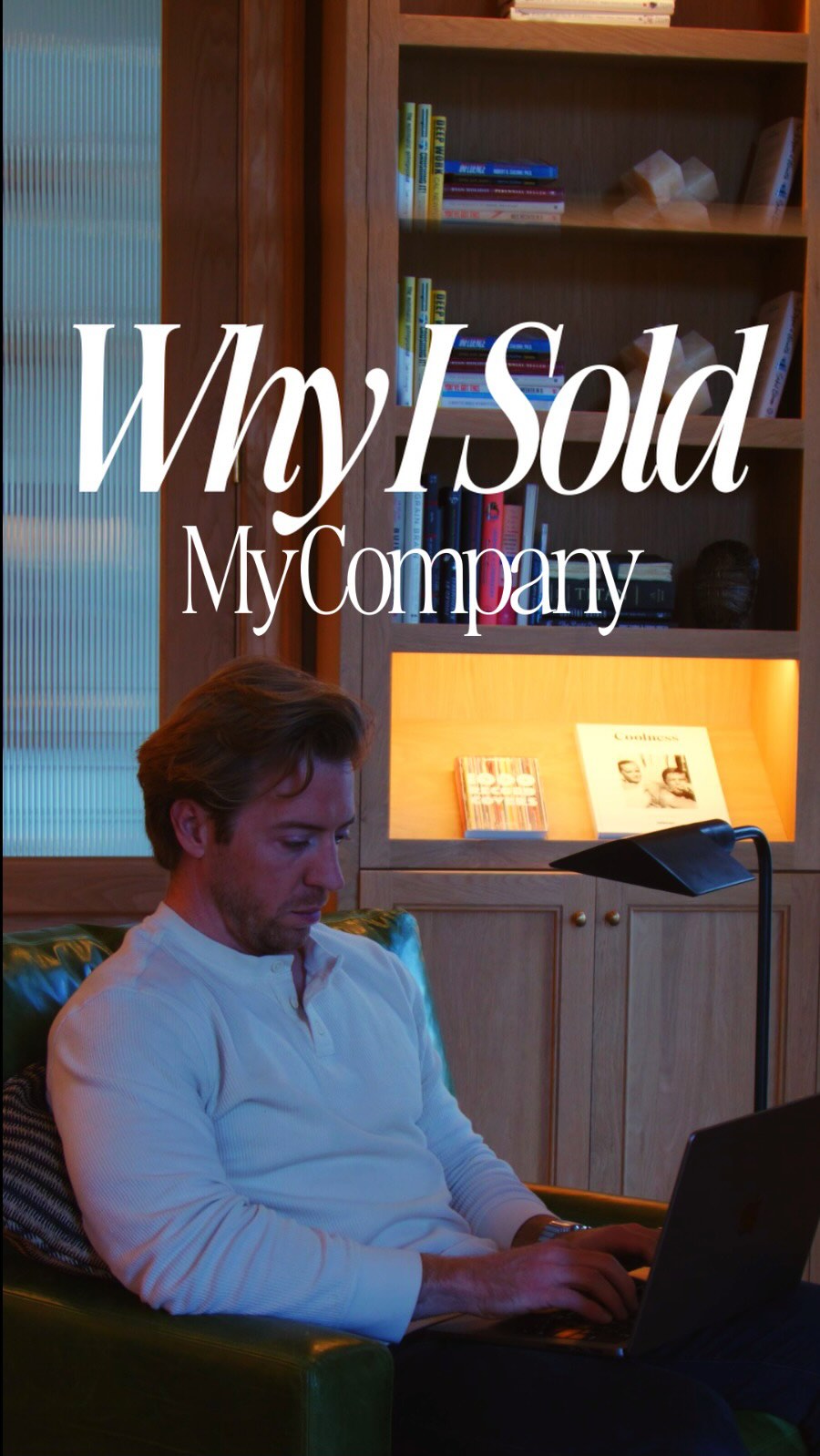 860.9K5.8×Aspirational vlog explaining business exit@marshallhaas · Anecdotal Philosophy
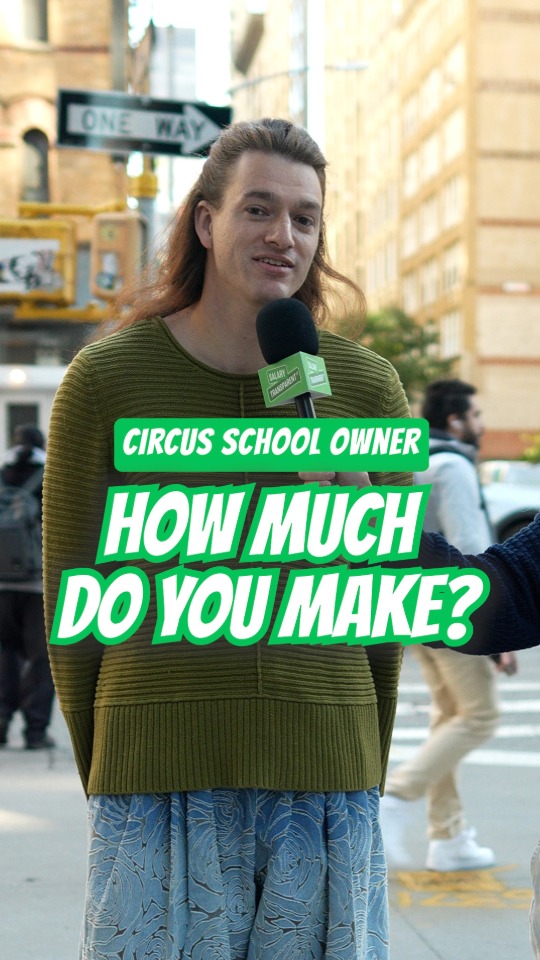 509KStreet interview about job and salary@salarytransparentstreet · Street Interview
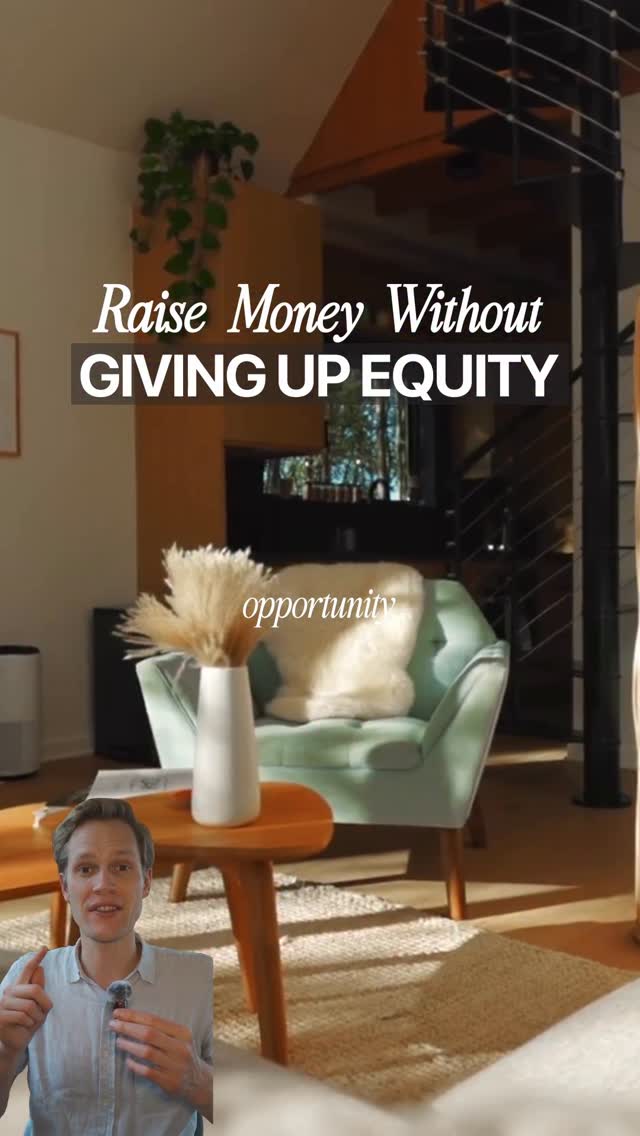 144.2K6.6×Talking head business strategy explainer@isaacfrench_ · Breakdown
 503.7KOrigin story and revenue breakdown@yohnmav · Breakdown
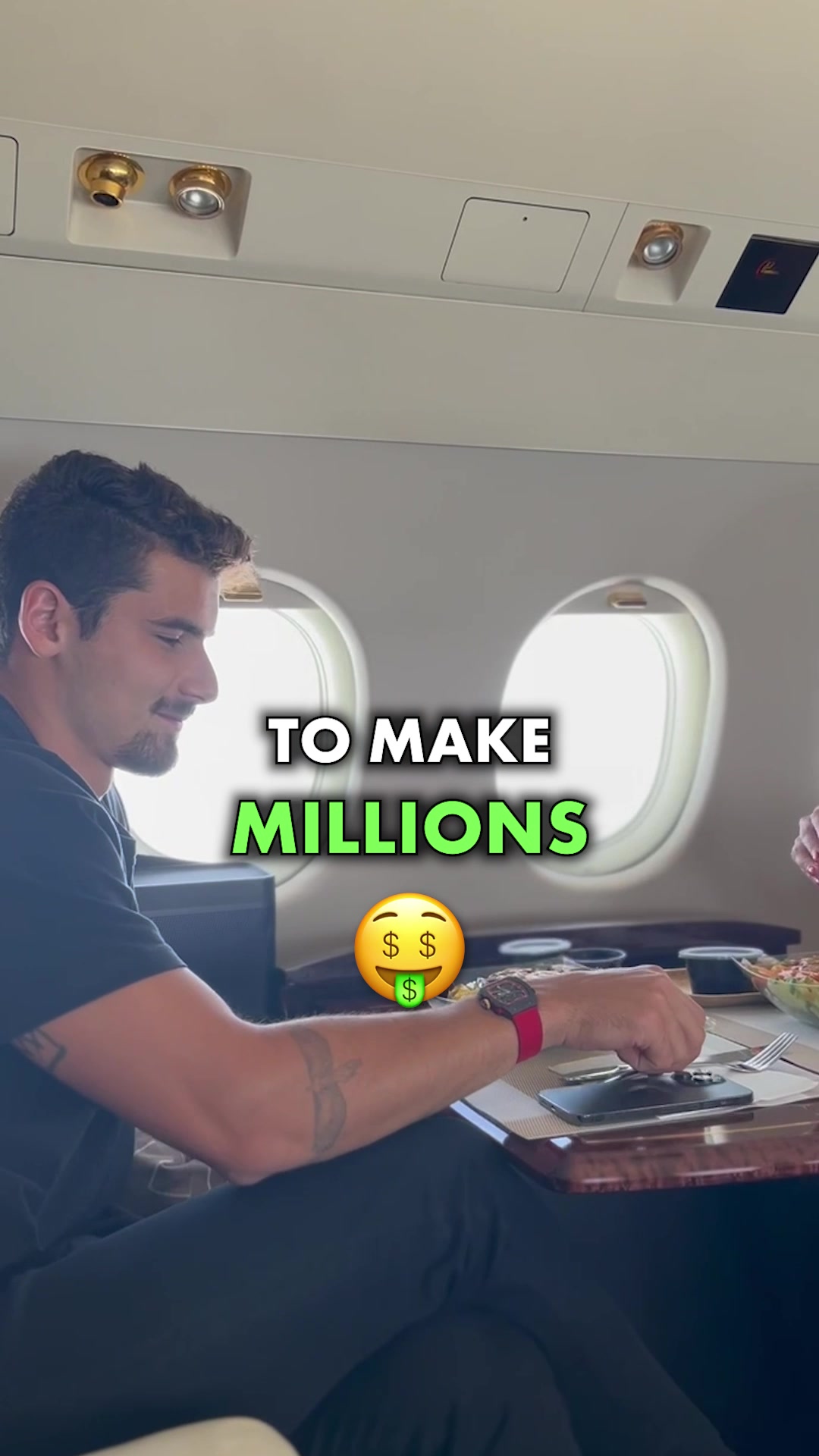 1.7M5.9×Reality check on what products actually sell in e-commerce@realimangadzhi · Common Misconceptions
 140.3K16.6×My $40,000 investing mistake story@alessyleblanc · Vulnerable Monologue
 82.6KSatirical playbook for startup announcements@dibratto · Satirical Advice
 1.3M1847.2×Wealth flex to motivational speech@samstoffel · Motivational Mantra
 254.7KPersonal finance success story@hy_invests · Origin Story
[04]
[05]
What stops the scroll in the first 3 seconds
Title hook
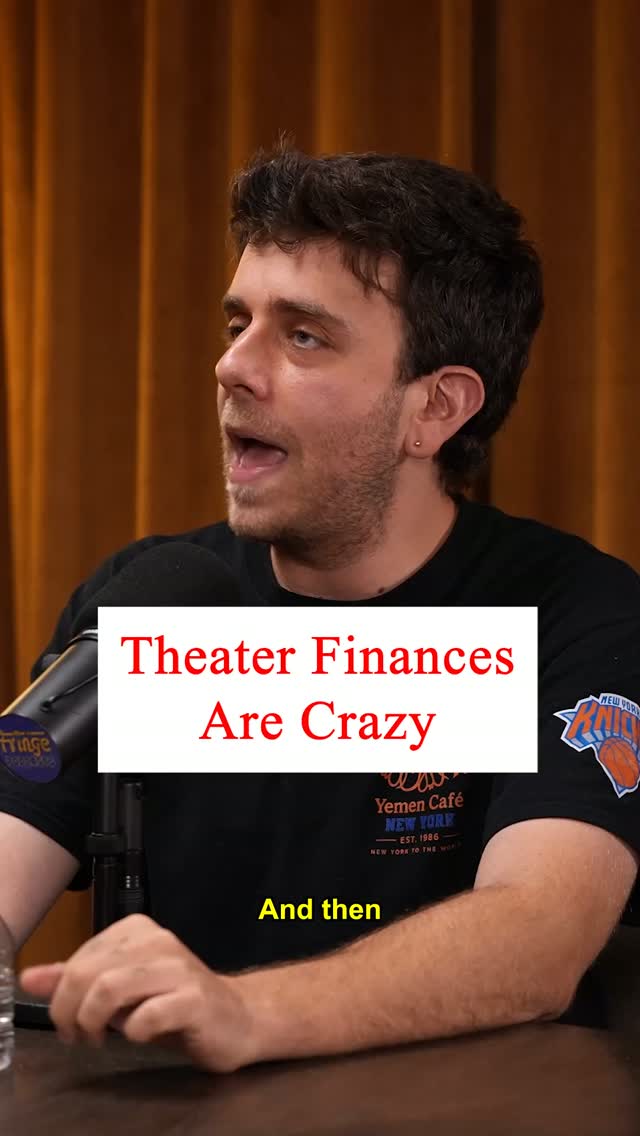
Theater Finances Are Crazy
Verbal hook
And then theater investing is so bizarre
Visual hook
A medium shot of a speaker actively talking and gesturing in a professional podcast studio setup, with a clear microphone in the foreground, signaling a high-quality, expert conversation.
[07]
The promise the opener makes, and how the video pays it back
Hook
A bold, generalizing statement that frames a familiar industry as 'bizarre' or 'crazy,' creating an immediate curiosity gap.
Payoff
The viewer leaves with a nuanced understanding of a complex topic, feeling like they've received exclusive, insider information, and are left with a memorable, humorous anecdote.
[08]
The structural pattern this video runs on
Framework
The Insider's Gambit
Explaining a complex or niche industry by first presenting its most extreme, high-stakes outcomes (total failure vs. massive success) and then using a specific case study to reveal the more nuanced, practical reality of how it actually works.
The All-or-Nothing Gambit
Immediately frame the topic with two extreme, opposing potential outcomes to establish high stakes (e.g., 'You either lose everything or become set for life').
The Legendary Success Story
Provide a well-known, larger-than-life example that validates the most desirable outcome, establishing the potential for massive success and making the abstract stakes feel tangible.
The Sobering Reality Check
Contrast the legendary example with the far more common, less glamorous reality, often stating that a much lower bar (like breaking even) is considered a win.
The Personal Case Study
Pivot from broad industry talk to a specific, personal project or experience, grounding the abstract concepts in a tangible, first-hand story.
The 'How It's Made' Reveal
Detail the specific, often-unseen mechanics, processes, or financial models used in the personal case study, providing valuable insider information.
The Relatable Punchline
Conclude with a humorous anecdote or observation related to the case study that makes the speaker and the topic more relatable and memorable.
Full episode with playwright @fr1ed1ch out now!
title · beginning
Theater Finances Are Crazy
And then theater investing is so bizarre because you could see your $30,000,000 capitalization be lit on fire or you could make passive income for the rest of your life. Like O'Meary or whatever. Totally. And bless them. I hope that they make money for the rest of their lives. Let me be the first to say, I think O'Merry is really funny. Yeah. I'm going out on a limb here. I saw this on the Internet. Can't verify. Someone will, hopefully, but I believe The Lion King the musical is, like, the highest earning entertainment property ever. It's made, like, $9,000,000,000. And, you know, if you tossed $200,000 at Tier Lion King in 1998 or whatever, it's like, you're getting a second Hampton's house. So that's the weird thing about theater producing. It's like, it's... There's usually not a middle ground. We've worked incredibly hard Yeah. To get people their money bad, and I feel really proud that, by and large, like, we've been able to do that because it's... Breaking even is often the goal. Jesus. That's, like, the best you can hope for. So the jobs take money for best? Or, like, how long does it have to run off Broadway? And then what does it have to do Off Broadway to get totally Broadway? Great question. Part of the success of Job initially was we ran it as a nonprofit production, which meant we borrowed the nonprofit status of the theater and raised essentially donations. That cost around $90,000, give or take. Those were in units as big as $3,000 and as small as, like, $50. Like, my friends from college all, like, came together and gave yes, like, $200 You know, like, you're not seeing that money bad? Wesleyan's kids can only come up with 200? Some of them gave more. Look. No. Oh, no. Actually, I take that back. Wesleyan kids are notoriously performatively broke. Oh, yeah. They're like, dude, I think things are... I live in Bushwick. You no? Like, you're like, okay. And when are you taking the plane back to LA? Thanksgiving. Great.