Viral Hooks
Trending short videosStage presentation on time delegation
V

@vusithembekwayo

Instagram · Clip
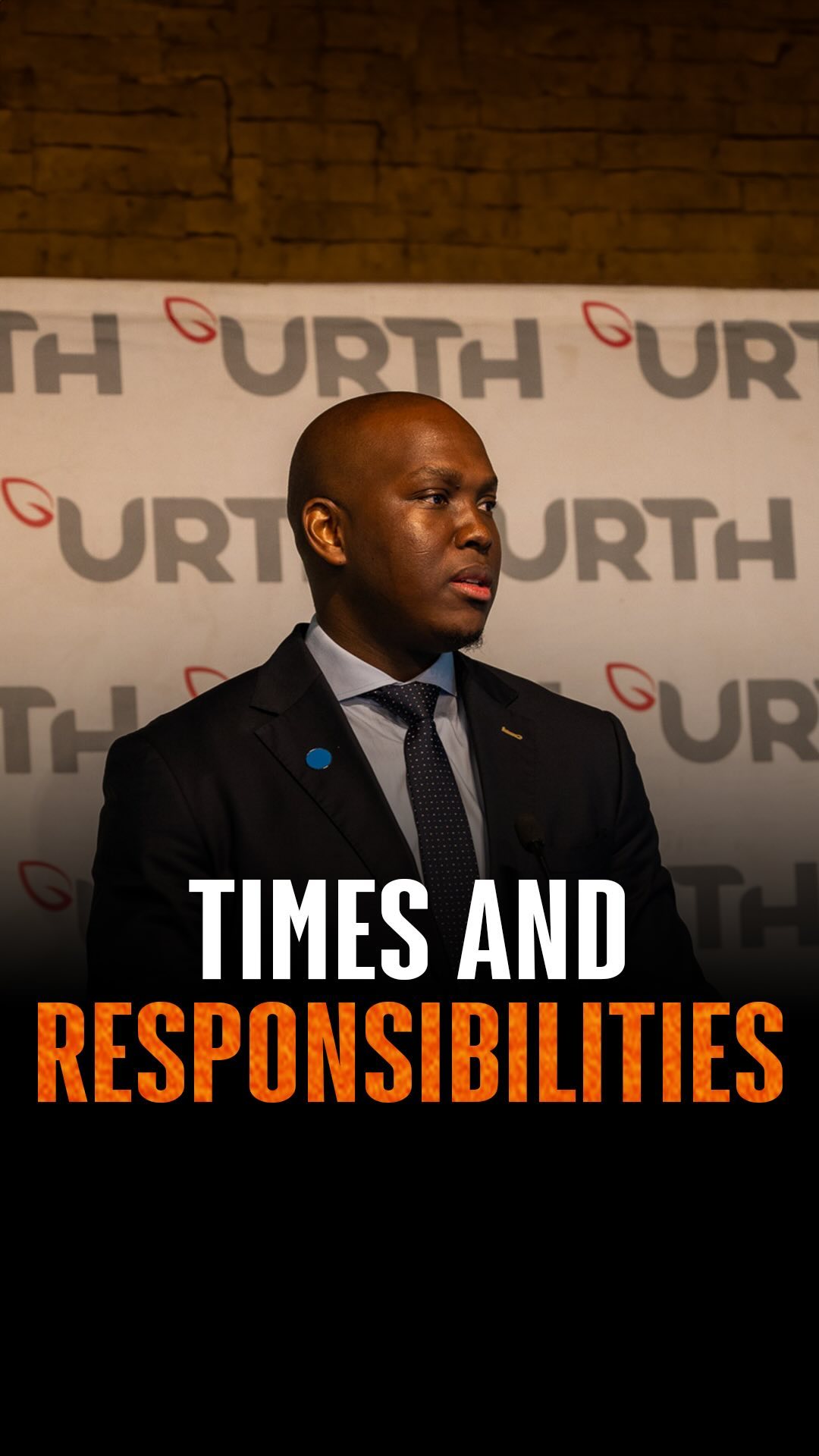
@vusithembekwayo The art of delegation stands as a cornerstone of effective leadership. For a businessman, mastering the delicate balance of entrusting time and responsibilities to the right hands is not merely a strategic choice; it is a testament to astute leadership and the key to sustained growth and innovation. One of the fundamental aspects of successful delegation is the allocation of responsibilities based on individual strengths. Just as a skilled artisan is entrusted with a particular design element, employees are assigned tasks aligned with their expertise, skills, and passions. This targeted delegation not only ensures that each task is handled competently but also fosters a sense of empowerment among employees. When individuals are entrusted with responsibilities that resonate with their abilities, they are more likely to invest their energy, creativity, and dedication into their work. Furthermore, effective delegation liberates a businessman’s time, allowing them to focus on high-level strategic planning, decision-making, and envisioning the future trajectory of the company. By entrusting operational tasks to capable hands, a businessman can channel their energy into innovation, exploring new markets, nurturing client relationships, and steering the company toward uncharted avenues of growth. This strategic vision is essential for staying ahead in the ever-evolving business landscape.


View original on Instagram

The edit1 shot · 0 text
Shots1:09

Performance

Views
30.9M
Likes
689.9K
Comments
1.2K
Engagement
2.2%
Length · 19 Oct 2023
1:09

Video #50356 · Clip

Stage presentation on time delegationfrom @vusithembekwayo

[01]

Overview

The speaker opens with a relatable anecdote about his assistant to introduce the concept of task prioritization. He then uses a digital whiteboard to draw an Urgent vs. Important matrix, explaining how he delegates tasks based on these quadrants. He transitions into discussing how he allocates his time between maintaining the current business and focusing on high-level growth, concluding with how this strategy shifted during a crisis.

[02]

Simple outline

  1. 1Introduce relatable conflict
  2. 2Draw visual framework
  3. 3Explain framework rules
  4. 4Deliver relatable punchline
  5. 5Introduce advanced framework
  6. 6Show contextual application

[03]

Related videos

[04]

Classification

Format
Concepts
BreakdownAnecdotal Philosophy
Elements
Dynamic Word-by-Word CaptionsWhiteboard / DrawingB-Roll CutawayReaction ShotGraphic OverlayText Overlay

[05]

Hook analysis

What stops the scroll in the first 3 seconds

Verbal hook

By the way, my assistant is here.

Visual hook

The speaker is captured mid-stride on a brightly lit stage, turning dynamically toward the audience while large, stylized captions pop onto the screen.

[07]

Hook and payoff

The promise the opener makes, and how the video pays it back

Hook

Introduce a relatable interpersonal or professional conflict to hook the audience emotionally before introducing technical concepts.

Payoff

Conclude with the ultimate desired state or goal that mastering the framework achieves.

[08]

Narrative framework

The structural pattern this video runs on

Framework

The Whiteboard Framework Breakdown

Using a relatable interpersonal conflict to introduce and explain a multi-layered visual framework for decision making.

  1. 1

    The Relatable Hook

    Introduce a specific person and a point of friction to ground the upcoming theory in reality.

  2. 2

    The Framework Setup

    Visually establish the axes or boundaries of the mental model being explained.

  3. 3

    The Rule Definition

    Systematically explain the clear-cut outcomes for the majority of the framework's scenarios.

  4. 4

    The Relatable Punchline

    Use the final, most ambiguous scenario to loop back to the initial conflict, providing an 'aha' moment and a laugh.

  5. 5

    The Perspective Shift

    Explain the psychological or role-based reasons why the conflict exists, deepening the insight.

  6. 6

    The Advanced Framework

    Introduce a second, higher-level framework that builds on the first one to show advanced application.

  7. 7

    The Contextual Application

    Demonstrate how the framework's usage changes based on external circumstances to prove its versatility.

Themes

  • Effective leadership
  • Time allocation
  • Strategic planning
  • Delegation

Techniques

  • Whiteboard drawing
  • Anecdotal storytelling
  • B-roll integration
  • Dynamic text overlays

Trends

  • Business advice clips
  • Motivational speaking
  • Productivity hacks

Post caption

The art of delegation stands as a cornerstone of effective leadership. For a businessman, mastering the delicate balance of entrusting time and responsibilities to the right hands is not merely a strategic choice; it is a testament to astute leadership and the key to sustained growth and innovation. One of the fundamental aspects of successful delegation is the allocation of responsibilities based on individual strengths. Just as a skilled artisan is entrusted with a particular design element, employees are assigned tasks aligned with their expertise, skills, and passions. This targeted delegation not only ensures that each task is handled competently but also fosters a sense of empowerment among employees. When individuals are entrusted with responsibilities that resonate with their abilities, they are more likely to invest their energy, creativity, and dedication into their work. Furthermore, effective delegation liberates a businessman’s time, allowing them to focus on high-level strategic planning, decision-making, and envisioning the future trajectory of the company. By entrusting operational tasks to capable hands, a businessman can channel their energy into innovation, exploring new markets, nurturing client relationships, and steering the company toward uncharted avenues of growth. This strategic vision is essential for staying ahead in the ever-evolving business landscape.

Transcript

By the way, my assistant is tier. You've met her Sabrina. She is painful to me. But let me tell you what causes the pain between my assistant and I. So I go what's important and what's no, what's urgent and what's not. If it's not urgent and not important, I employ someone to do it. If it's not urgent better important, I delegate it. If it's not important better it's urgent, what do you think I do then? I fight with my assistant about it. Because in her mind, everything that's urgent is important. That's her job. In my mind, knowing what's urgent and important is what is. And typically what happens is it ends up in her best. Then I only focus my time on the stuff that's important and urgent. Then I rank the question, what are the things that I've gotta do to keep the current business running to make sure that we meet our business plan? Typically, 20% growth rank. And what are the things I've gotta do that grow the business more than 20%? And I only focus my time here. When we were in crisis mode during COVID, I spent a lot more time here. No, rebuilt tier business, got lieutenants, got people doing the right stuff. I spend time here.