@arrionknight
Instagram · Yap

@arrionknight Trapping in SQL🏚️ #hoodcoding #python #coding

@arrionknight
Instagram · Yap
@arrionknight Trapping in SQL🏚️ #hoodcoding #python #coding
Performance
Video #5334 · Yap
[01]
The creator explains how to use SQL to solve a specific data problem by framing it with a 'trap house' analogy. He introduces two database tables (Visits and Transactions), then walks through building a query using LEFT JOIN and WHERE IS NULL to identify customers who visited but made no transactions, humorously suggesting they might be 'the feds'. He shows the code being written and the final results, interpreting them within the established metaphor.
[02]
[03]
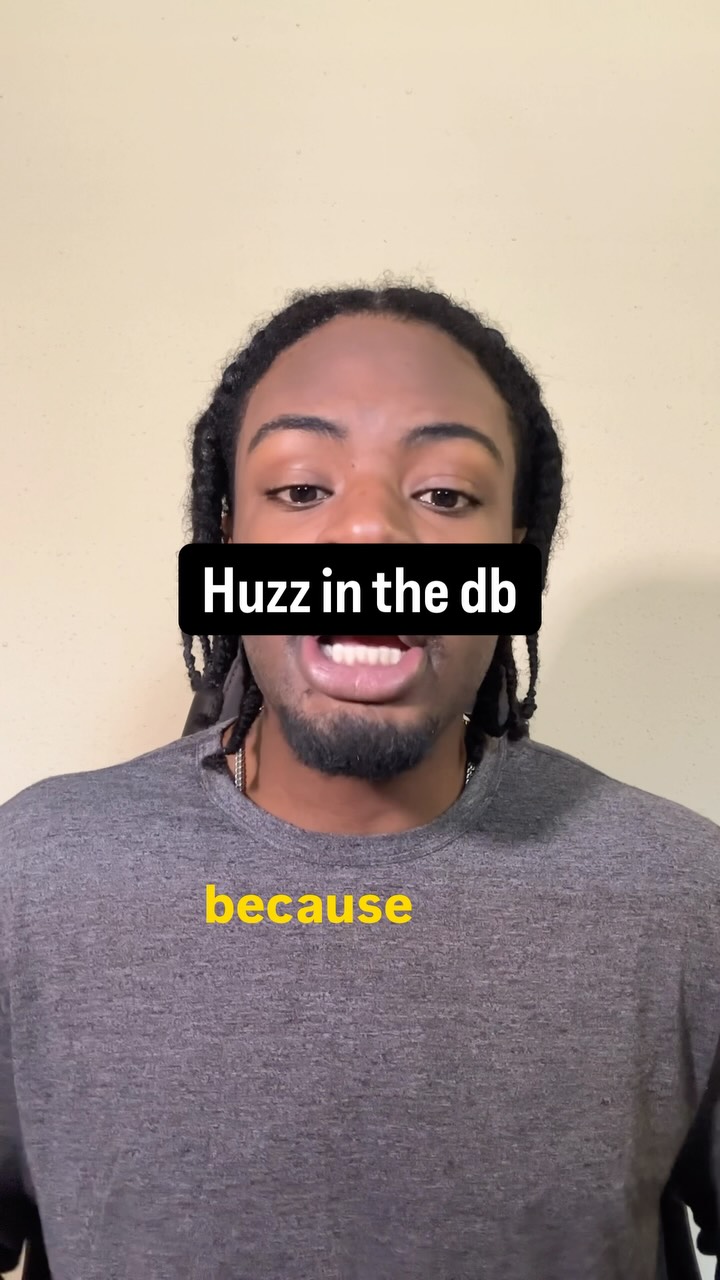 651.4K2.5×Explaining SQL basics with slang@arrionknight · Tutorial / How To
 104KSQL tutorial: check data sharing@arrionknight · Tutorial / How To
 1.8M17.1×Explaining security engineering through rap.@chrisjereza · Trendjacking
 121.1K3.7×Sarcastic commentary on production code@node.io · Relatable Skit
 517.8K11×Viral hook then coding lesson@node.io · Breakdown
 351.2K88.3×Greenscreen legacy tech system breakdown@maxxrosenblum · Breakdown
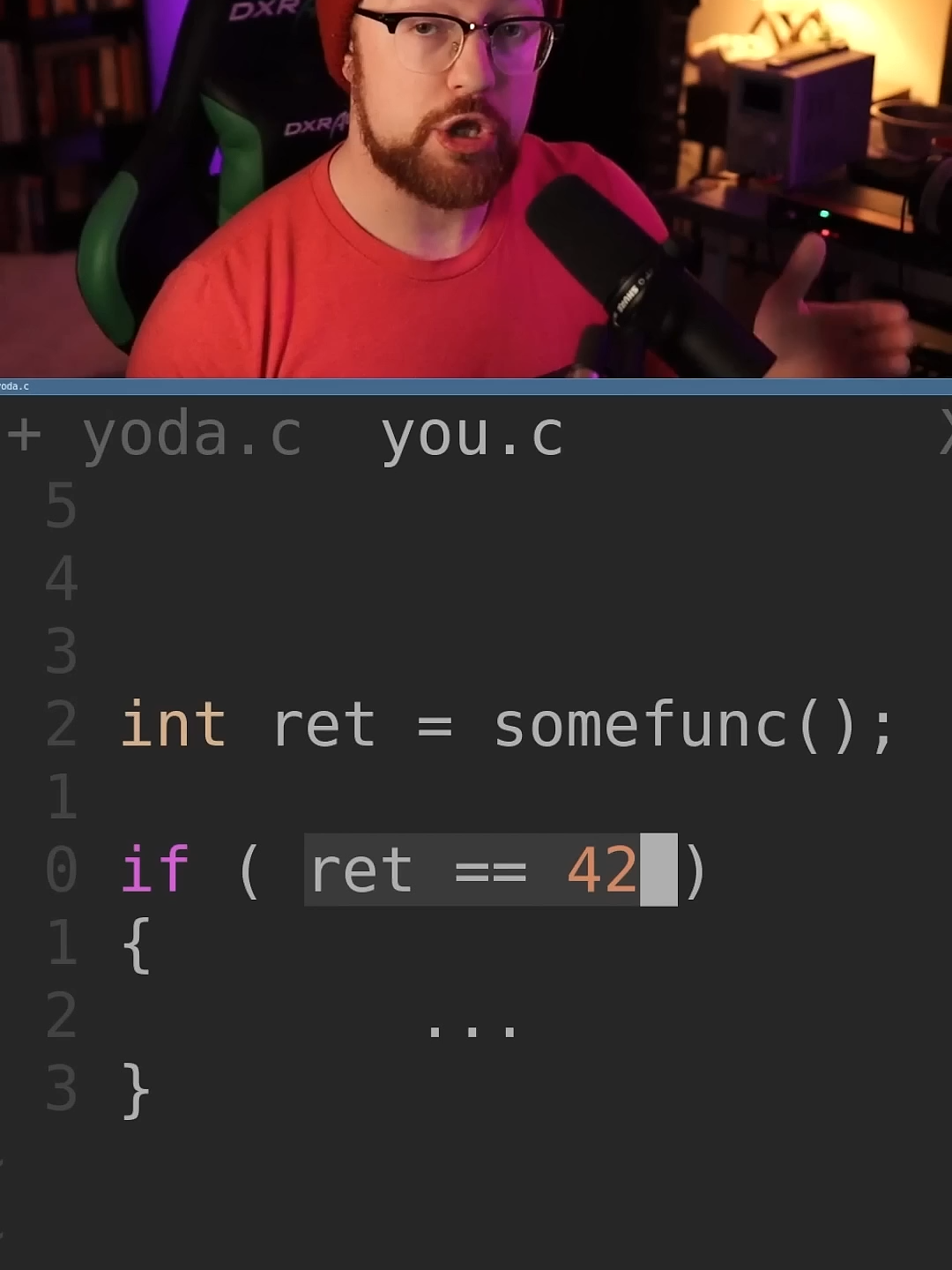 92K2.1×Explains Yoda notation coding trick@node.io · Good vs Bad
 4.2M71.1×Explaining a famous movie problem@scientific_american · Breakdown
 160.4K71.5×How scientists think about problems@kolbykirschner · Breakdown
 333.4K4.5×Reddit story illustrates SSN danger@guacandpico · Breakdown
 203.8K7.3×Creator defends a coding trend@angus.sewell · Hot Take
 234.3KTwo-step guide to learn cybersecurity@node.io · Breakdown
[04]
[05]
What stops the scroll in the first 3 seconds
Title hook · 45%
YN Coding TRAPPING
Verbal hook · 50%
This is how you trap an SQL.
Visual hook · 5%
A direct-to-camera shot of the speaker in a casual home setting, wearing a Nike Pro headband, which creates an authentic and relatable feel.
[07]
The promise the opener makes, and how the video pays it back
Hook
The Unlikely Analogy Hook: A technical concept is introduced using a completely unexpected, culturally-specific metaphor, creating immediate curiosity and lowering the intimidation factor.
Payoff
The Narrative Resolution: The final, correct output is displayed, and the results are interpreted through the lens of the initial metaphor, providing a satisfying and often humorous conclusion to the story.
[08]
The structural pattern this video runs on
Framework
The Metaphorical Tutorial
Explaining a complex, technical process by framing it within a simple, culturally relevant, and high-stakes narrative analogy. The solution is built step-by-step, mirroring the progression of a story.
The Scenario Setup
The core problem and the first set of data are introduced using the chosen metaphor. This establishes the 'world' and the 'characters' (data points).
The Complicating Factor
A second, separate set of data is introduced, creating a conflict or challenge that makes the initial problem non-trivial and requires a more advanced solution.
The Mission Statement
The desired outcome is clearly defined in the high-stakes language of the metaphor, giving the viewer a clear goal to anticipate.
The Foundational Step
The process of building the solution begins with the most basic and understandable first step, grounding the viewer in the process.
The Central Hurdle
The narrator explicitly identifies the main difficulty of the problem—the need to integrate the two separate data sets—and frames it as the most critical part of the solution.
The Keystone Technique
The specific, powerful technique that solves the central hurdle is introduced and its core principle is explained in simple terms.
The Connection Logic
The precise rule or condition used to connect the two disparate information sets is detailed, showing the viewer exactly how the keystone technique is applied.
The Isolation Tactic
The final piece of logic is revealed, showing how to filter the newly combined data to isolate the exact answer to the initial problem.
Trapping in SQL🏚️ #hoodcoding #python #coding
title · beginning
YN Coding TRAPPING
informational · middle
Visits table with columns visit_id and customer_id
informational · middle
Transactions table with columns transaction_id, visit_id, and amount
informational · throughout
SELECT a.customer_id, COUNT(*) AS count_didnt_shop FROM Visits a LEFT JOIN Transactions b ON a.visit_id = b.visit_id WHERE b.transaction_id IS NULL GROUP BY a.customer_id
informational · end
Output table showing customer_id and count_didnt_shop for customers 30, 54, and 96.
This is how you trap an SQL. Let's say we keep track of the people that visit tier trap with a visit ID and a customer ID. We're not gonna store their names because that's fed, and that's our visits table. But let's say we also got another table called transactions where we keep track of who actually came to the trap and shop and the amount that they spent. And we wanna find out which customers came to the trap and didn't shop and how many times they did it because they might be tier fed. So that means we gotta select tier customer ID, and we gotta use our account function to get how much times that customer better on. This best worst is, like, the most important because right no we got two separate tables, but we need to combine them better into one no we rank actually get what we're looking for. And we're gonna use a left join, and our left table here is gonna be our visits table. And, Tier, make sure you locked in right here. So in our left join, everything in our left table is gonna be there regardless. And now we have to join the transactions table, and we have to tell it how we're gonna join it. And we're gonna join it on the visit IDs in both tables. So So we're checking. Do both of these tables both have this visit ID? And if they do, that means that they came to shop. So even if we come across a row that's in the business table, but there's no matching ID in the transactions table, we still add that tier. But the transaction ID for it's gonna be no let me show you a quick look of what it looks like when we join these tables. And finally, after we left join, we wanna go through and we want those rows where there's no transaction ID. So then we return the results rank customer 30 96 are definitely the yes, But customer 54, I don't know how I feel about them. I think he built a I think he built a Rico case or something.