@naturalhistorymuseum
TikTok · Vlog

@naturalhistorymuseum
TikTok · Vlog
Performance
Video #5878 · Vlog
[01]
The narrator poses a question about the spookiest diorama in the museum, then introduces the sperm whale and giant squid exhibit. They provide educational facts about both creatures, explain the scientific evidence for their deep-sea battles (such as scars and stomach contents), and conclude by detailing the specific design choices for the diorama's dark, glassless presentation.
[02]
[03]
 629.6K2.8×Explaining a deep sea battle@naturalhistorymuseum · Breakdown
 659.8K4.4×Museum tour of giant bird@naturalhistorymuseum · Strange but True
 4.3M676.1×Rapid fire surprising dinosaur facts@hmns · Rapid Fire Listicle
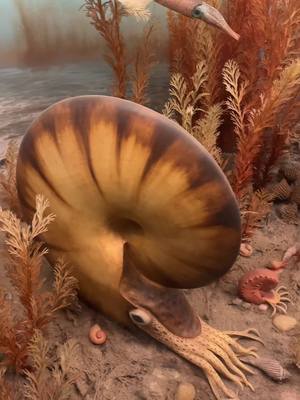 2.1M7.7×Ancient ocean life educational showcase@naturalhistorymuseum · Breakdown
 201.1K7.4×Creator lists spooky Everglades folklore.@kidflamess · Strange but True
 502.1K7.7×Explaining scary extinct baboon in car@robert808924 · Breakdown
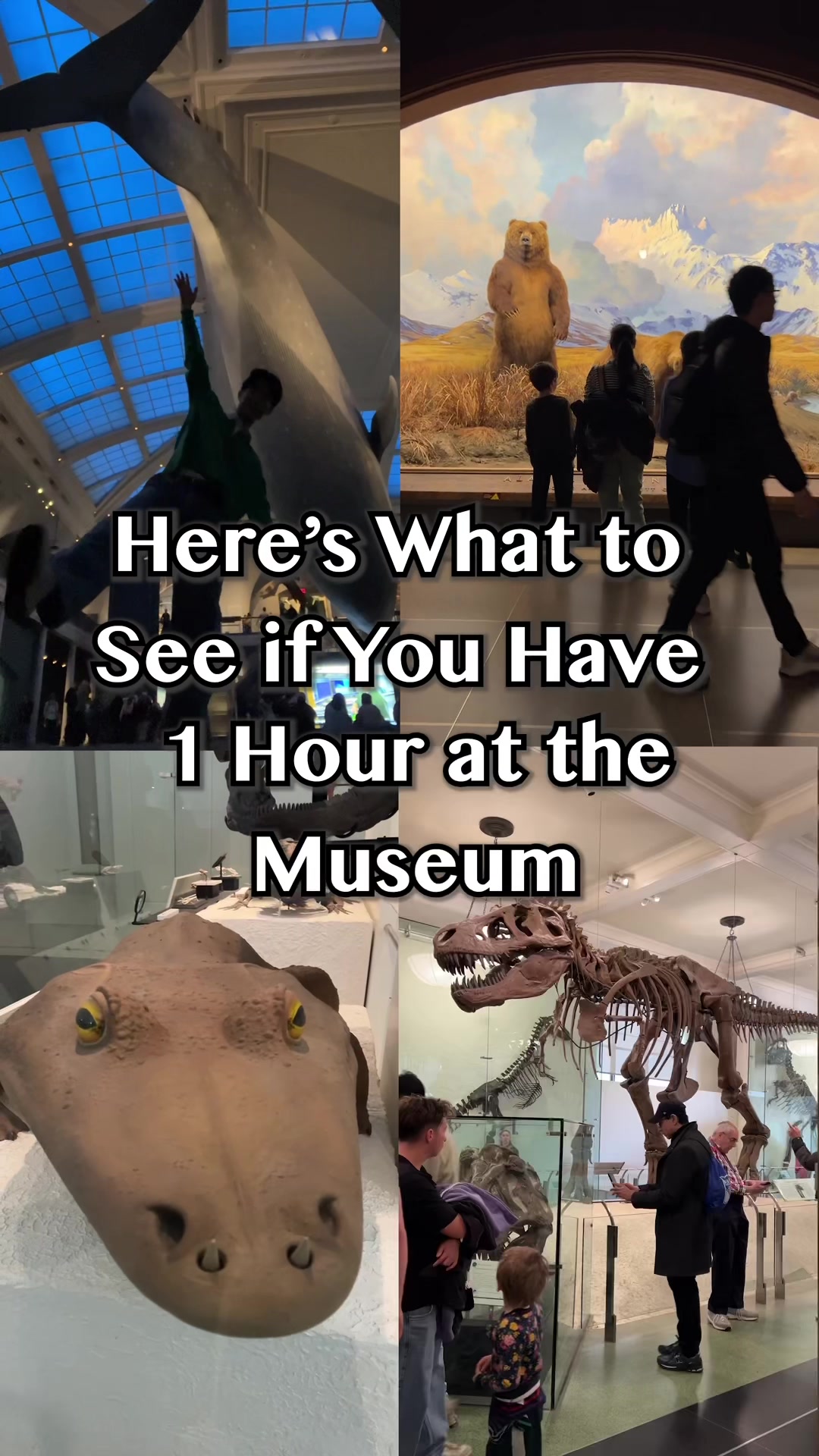 860.4K14.4×Fast-paced one-hour museum tour@naturalhistorymuseum · Location Showcase
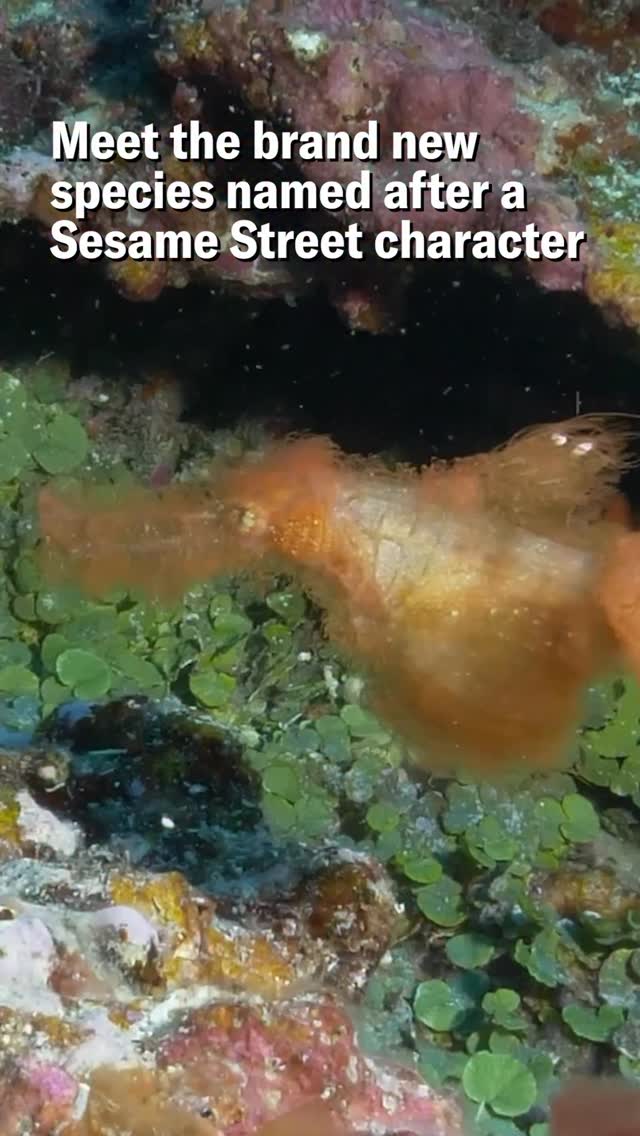 1M45.1×New animal named after character@scientific_american · Strange but True
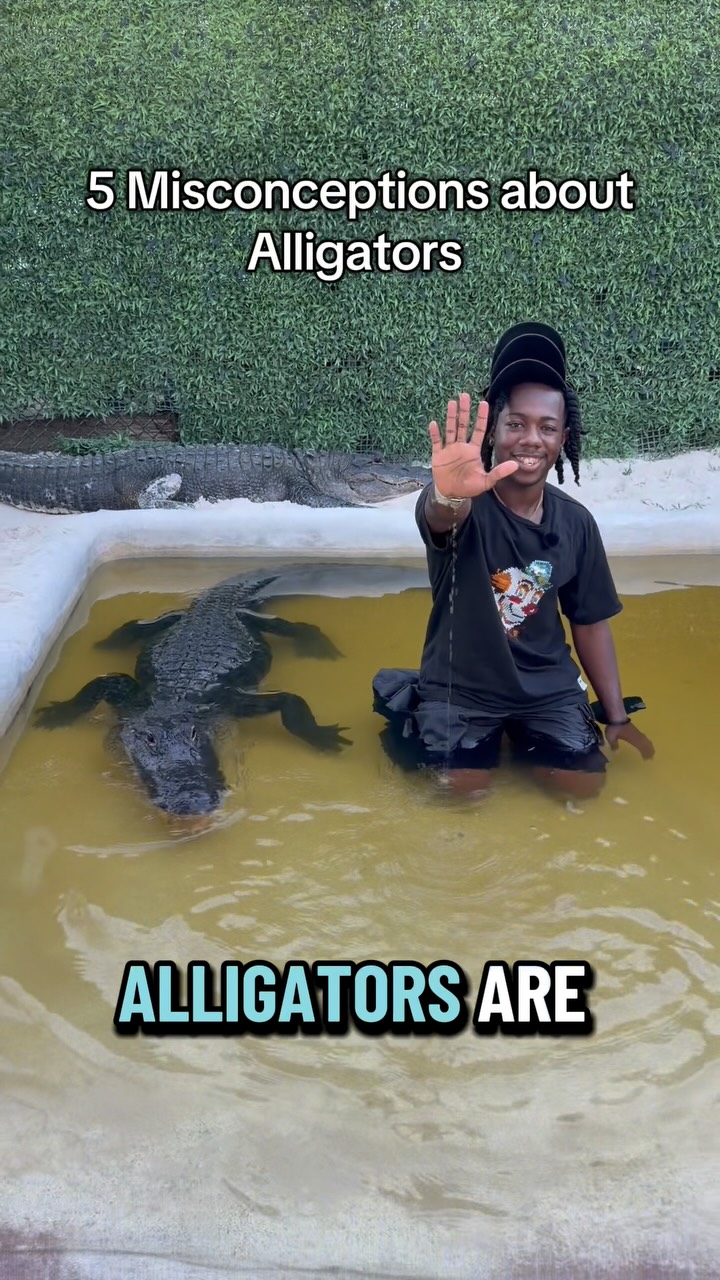 777.2K27.1×Debunking five alligator myths@kidflamess · Breakdown
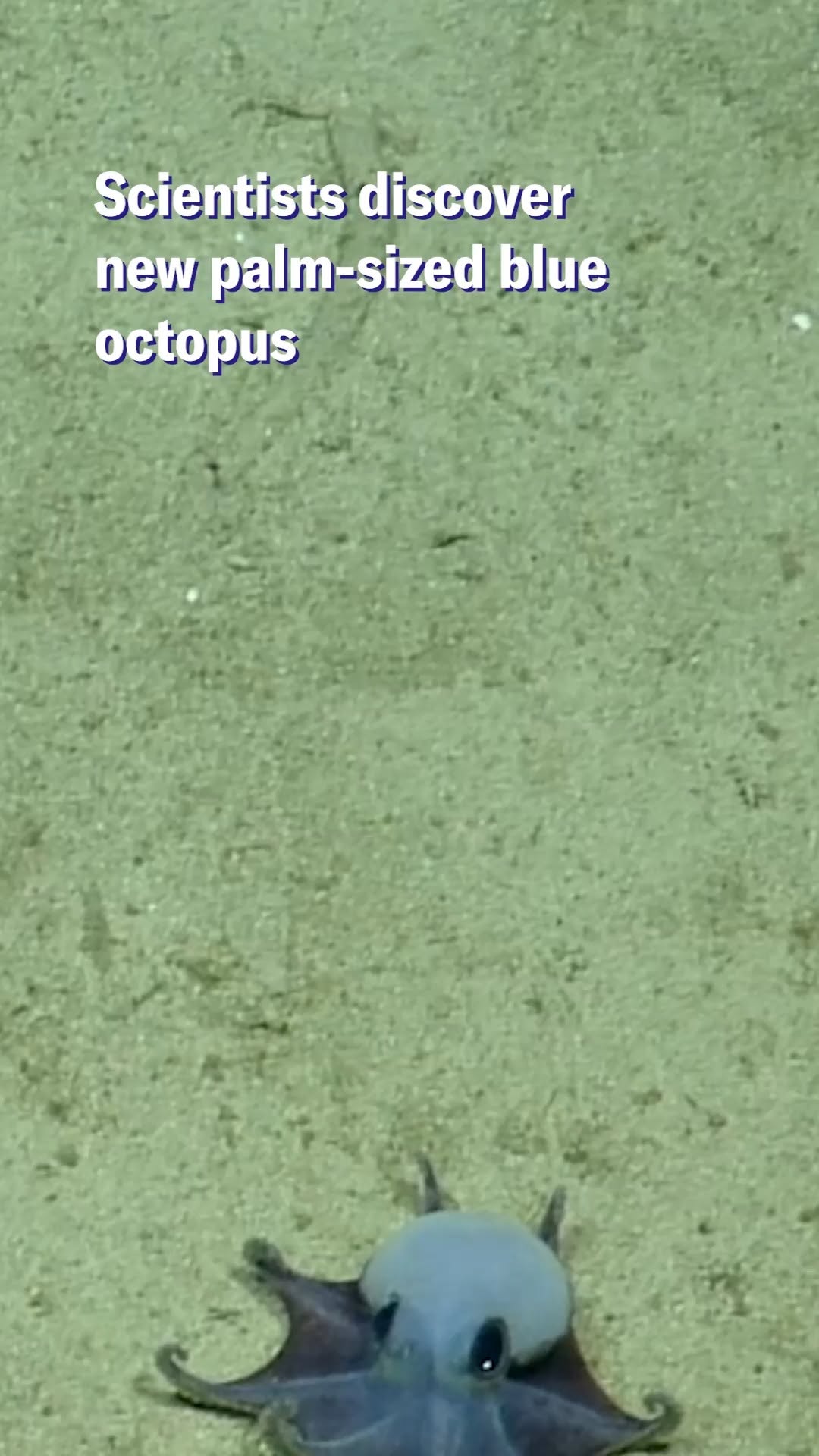 1.1M24.9×Scientists discover tiny blue octopus@scientific_american · Showcase
 3.4M15.3×Museum exhibit educational voiceover tour@naturalhistorymuseum · Explainer
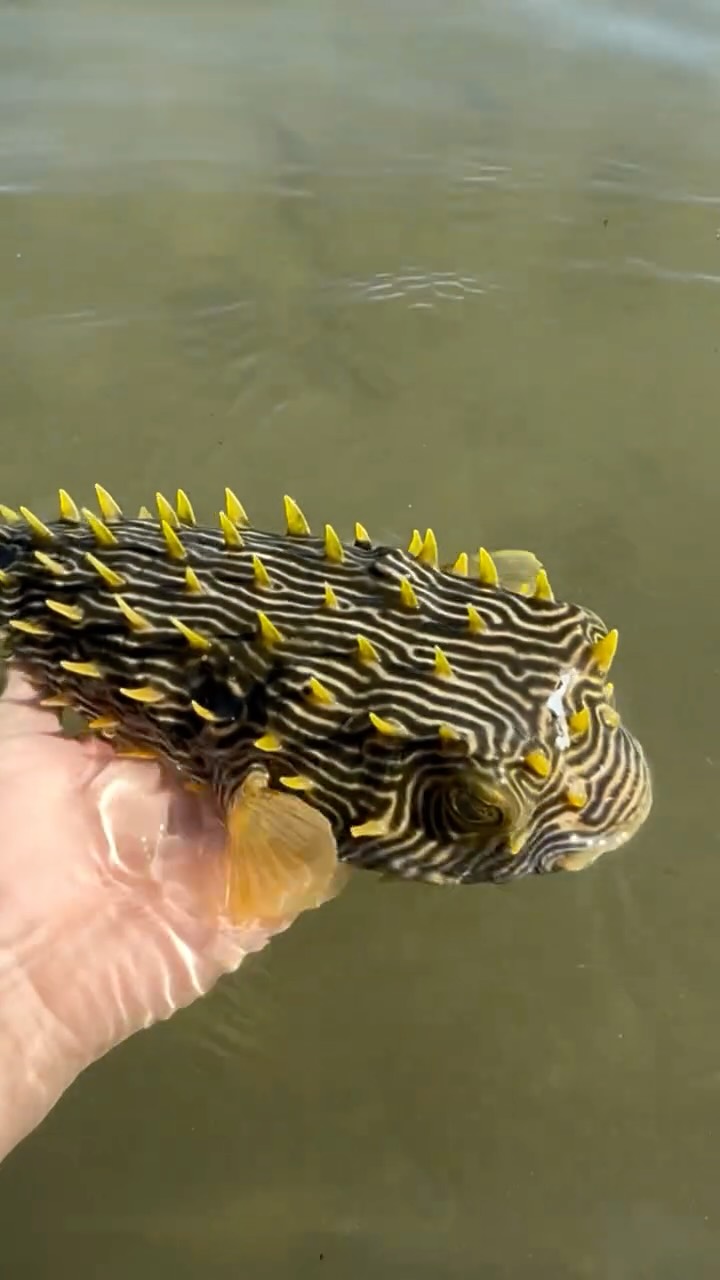 256.9K1.9×Creator finds and narrates discovery@lauraoutdoorz · Showcase
[04]
[05]
What stops the scroll in the first 3 seconds
Verbal hook · 60%
What's the spookiest diorama that you've ever seen at the museum?
Visual hook · 40%
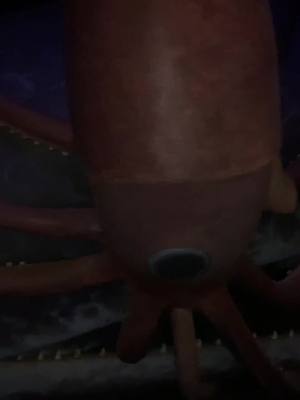
An extreme close-up of the sperm whale's large, dark eye in the diorama, creating an immediate sense of mystery and scale.
[06]
Steal this for your own video
What’s the you’ve ever seen at ?
[07]
The promise the opener makes, and how the video pays it back
Hook
A direct, superlative question to the audience ('What's the [adjective]-est...?'), immediately followed by presenting the video's subject as the definitive answer.
Payoff
The final beat provides a complete, multi-layered understanding of the subject, satisfying both the initial curiosity and the secondary questions raised throughout the narrative, leaving the viewer feeling informed and intrigued.
[08]
The structural pattern this video runs on
Framework
The Layered Reveal
To deconstruct a single, intriguing subject by presenting it as a mystery, providing fascinating background details, anticipating and answering viewer questions, and concluding with a 'behind-the-scenes' explanation.
The Premise of Mystery
Establishes the subject's core intrigue by highlighting what makes it unique, unknown, or speculative, setting it apart from more common examples.
The Subject Profile (Part 1)
Builds up the first key element of the subject with impressive, memorable, and quantifiable facts to establish its significance and scale.
The Subject Profile (Part 2)
Builds up the second key element (often an adversary or counterpart) with equally impressive facts, establishing a sense of conflict or epic scale.
The Skeptic's Inquiry
Articulates a logical question or point of doubt that the audience is likely thinking, creating a narrative pivot and demonstrating an understanding of the viewer's perspective.
The Evidentiary Proof
Resolves the doubt raised in the previous beat by presenting concrete, often forensic or scientific, evidence that validates the initial premise.
The Second Mystery
Introduces a new, secondary question related to the subject's context, appearance, or presentation, reigniting curiosity after the primary question has been answered.
The Insider's Rationale
Provides a satisfying 'behind-the-scenes' explanation that resolves the secondary mystery and gives the viewer a sense of privileged information.
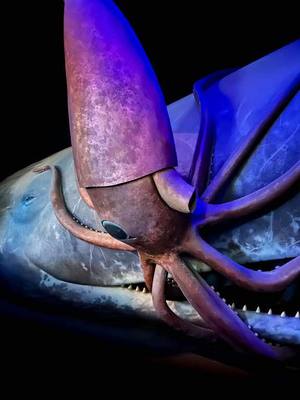
What's the spookiest diorama that you've ever seen at the museum? For many visitors, it's this one: the squid and the whale diorama. Unlike most dioramas in the museum's halls, this scene has never been witnessed. It depicts the life and death battle between a giant squid and one of its only known predators, the Sperm Whale. Giant Squid had never been seen in their natural habitat until 2005, when researchers got footage of an adult squid in the wild. Giant Squid grow as long as 60 feet, and they have the largest eyes in the animal kingdom. Their eyes are even often referred to as dinner plates. Sperm whales are the largest toothed predators on Earth, and one of the few animals that could make prey out of an adult giant squid. They've been known to dive over 6,500 feet, equivalent of four and a half Empire State Buildings one on top of another, and remain underwater for more than an hour in pursuit of giant squid. How do we know an encounter such as this happens in real life if humans have never seen one? Sperm whales often bear scars that match the suckers on a giant squid's tentacles. Also, the indigestible often turn up in the stomachs of sperm whales. Visitors often ask why this diorama is so dark and why, unlike all other dioramas, there is no glass on the front. The darkness is deliberate to approximate the pitch black conditions of the deep ocean where no sunlight penetrates. When the Hall of Ocean Life was renovated in 2003, the glass was removed because reflections created a mirror effect against the dark interior, leading visitors to think the diorama was empty.