@caseymorrowlewis
TikTok · Greenscreen Talking Head
@caseymorrowlewis The many complexities of Gen Z spending #cava #slopbowl #coachbags

@caseymorrowlewis
TikTok · Greenscreen Talking Head
@caseymorrowlewis The many complexities of Gen Z spending #cava #slopbowl #coachbags
Performance
Video #7389 · Greenscreen Talking Head
[01]
The creator analyzes a reported economic trend where Gen Z and millennials are spending less on daily food purchases like Chipotle and Cava, and more on tangible luxury goods like Coach bags. She uses screenshots from CNBC, Business Insider, and TikTok to illustrate the 'slop bowl' decline and the rise of Coach's parent company, Tapestry. She theorizes this reflects a shift away from 'little treat culture' towards 'conspicuous consumption,' where young consumers prefer investing in shareable, status-symbol items over disposable experiences, tying it to the decline of 'quiet luxury'.
[02]
[03]
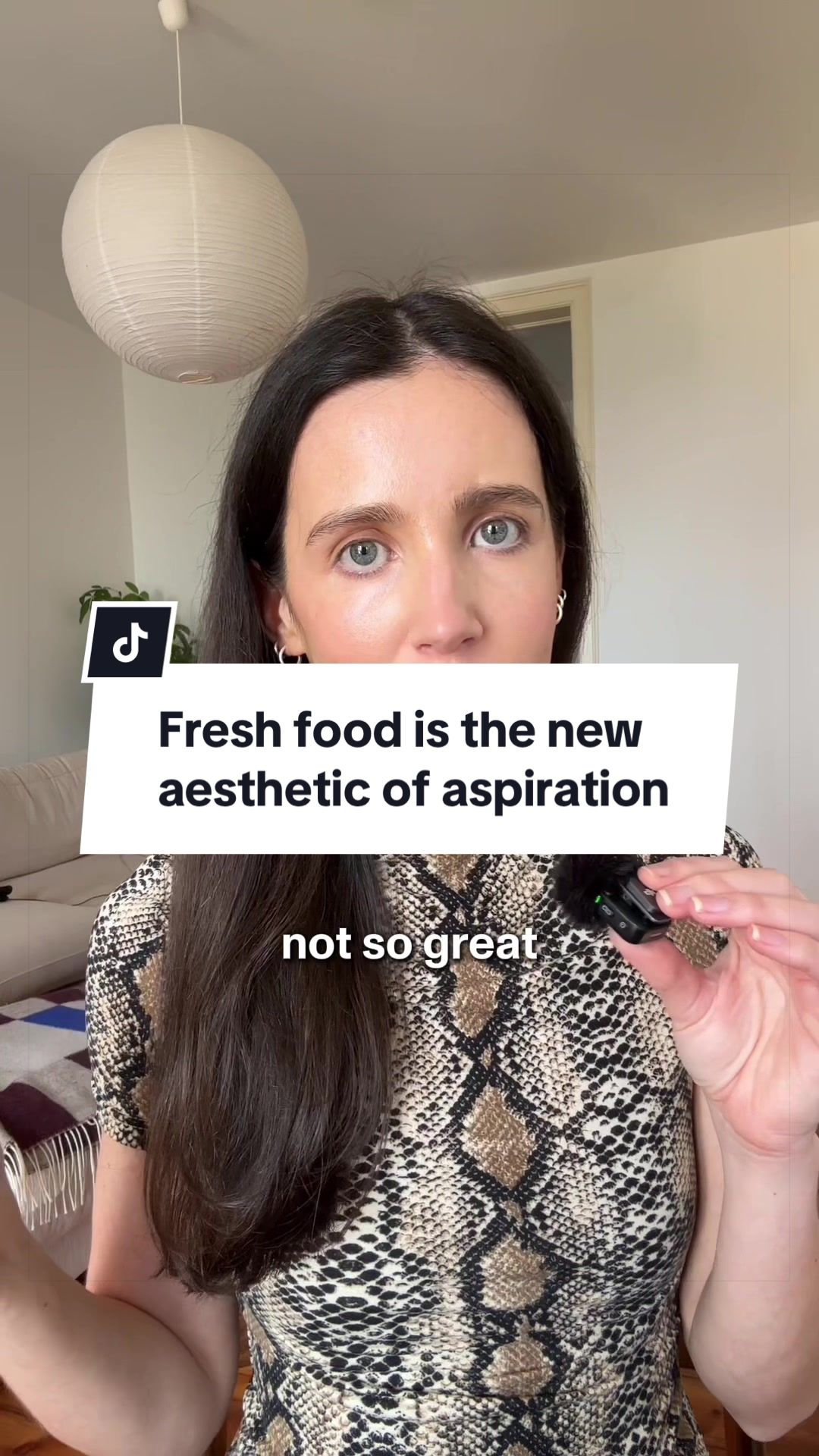 1.9M3.4×Analyzing food as a status symbol@mirandadoesbrands · Breakdown
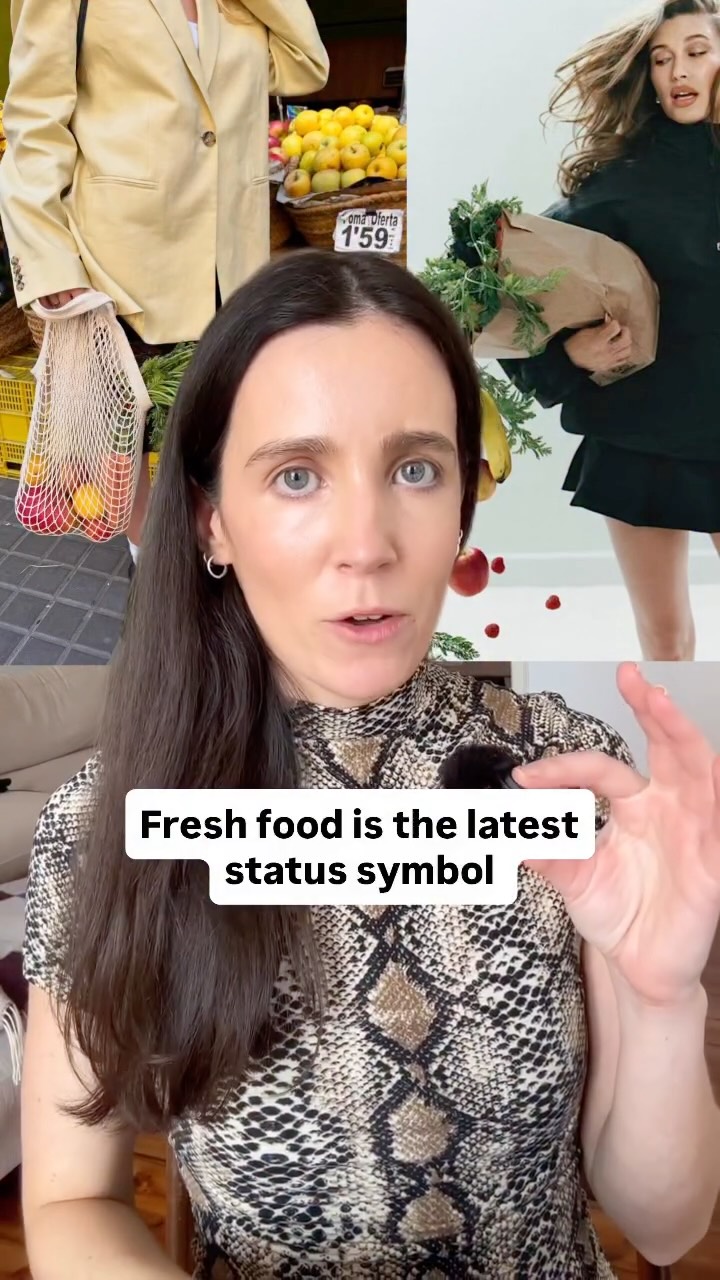 662.3K135.7×Explaining food as a status symbol@mirandadoesbrands · Breakdown
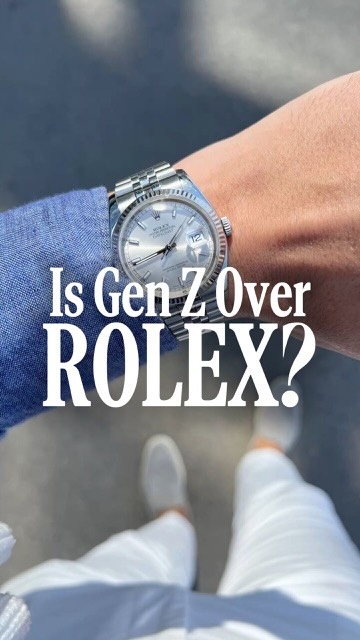 80.6K12.6×Data analysis of watch market shift@peter_reitano · Breakdown
 117.8K1.7×Analyzing fashion trends versus reality@curatingambiance · Breakdown
 2.3M159×Creator analyzes Gen Z gift trends@caseymorrowlewis · Breakdown
 124.6K52.2×Why visible aging is luxury@ashi.branding · Breakdown
 87.1K1.3×Cultural trend analysis with data@curatingambiance · Breakdown
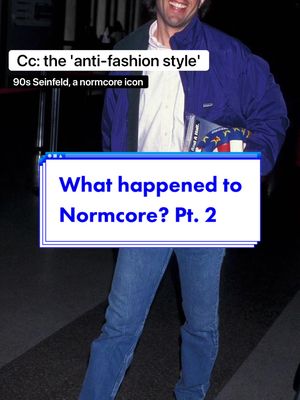 327.7K3.8×Analyzing the rise and fall of normcore@thealgorythm · Breakdown
 2.1MExplaining the evolution of status symbols@eugbrandstrat · Breakdown
 114.6K1.2×Creator explains fashion's art problem@ghostinthesam · Breakdown
 355.7K27.4×Explaining a cultural trend paradox@mirandadoesbrands · Breakdown
 316K53.5×Explaining why rich people dress poor@peter_reitano · Breakdown
[04]
[05]
What stops the scroll in the first 3 seconds
Title hook · 65%
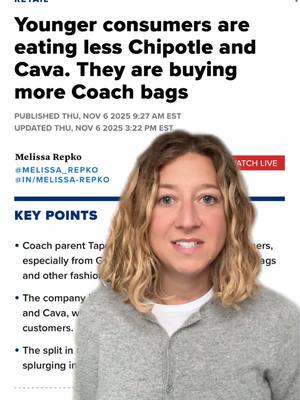
Younger consumers are eating less Chipotle and Cava. They are buying more Coach bags
Verbal hook · 15%
We're in the midst of a pretty fascinating economic moment.
Visual hook · 20%
A speaker is layered over a screenshot of a news article with a large, bold headline that immediately establishes the video's topic.
[06]
Steal this for your own video
are buying less —and more .
[07]
The promise the opener makes, and how the video pays it back
Hook
State a broad, intriguing observation about a current cultural or economic moment, immediately followed by a specific, paradoxical data point.
Payoff
The Counter-Evidence Cliffhanger: After seemingly resolving the paradox, introduce a final piece of evidence that slightly contradicts or complicates the neat conclusion, inviting debate and engagement in the comments.
[08]
The structural pattern this video runs on
Framework
The Contradiction-to-Theory Pipeline
Present a confusing or contradictory trend in a specific niche, then systematically build a case for a single, insightful theory that explains it, using multiple forms of evidence.
The Headline Clash
Juxtapose two conflicting pieces of evidence (e.g., news headlines, data points) that establish the core paradox and create a strong curiosity gap.
The Cultural Zeitgeist
Ground the paradox in the audience's lived experience by showing user-generated content (memes, social media posts) that proves this is a real, bottom-up cultural conversation.
The Market Verdict
Reinforce the paradox with hard, objective data (e.g., financial reports, sales figures) that contrasts the performance of entities on either side of the contradiction.
The Core Thesis
Explicitly state the central theory that will explain the paradox, acting as the video's main argument.
The Devaluation of the Old
Explain why the previously popular behavior/item is losing its appeal, connecting it to broader economic or social pressures.
The Elevation of the New
Explain why the new, seemingly contradictory behavior/item is gaining appeal, framing it as a rational response or a new form of value.
The Sociological Framework
Lend intellectual authority to the thesis by connecting it to a known academic or sociological concept, making the viewer feel they've learned something profound.
The Clout Calculus
Analyze the paradox through the lens of social currency, explaining how one choice generates more social capital (clout, status) than the other in the current media landscape.
The Concluding Rule
Distill the entire argument into a simple, memorable principle or rule of thumb that summarizes the new behavior.
The many complexities of Gen Z spending #cava #slopbowl #coachbags
title · beginning
Younger consumers are eating less Chipotle and Cava. They are buying more Coach bags
title · beginning
Cash-squeezed Gen Zers and millennials are bringing down America's favorite slop bowl chains
contextual · beginning
slop bowl reckoning in the stock market!!!
contextual · beginning
the slop bowl epidemic is out of hand!
title · middle
Tapestry Boosts Outlook as Coach's Gen Z Success Helps Offset Tariff Costs
title · middle
For Gen Z, quiet luxury is dead—they're packing lunch at home while shelling out on conspicuous consumption
contextual · end
Starbucks Bearista Cup frenzy
We're in the midst of a pretty fascinating economic moment. CNBC says younger consumers are eating less Chipotle and Kava. They're buying more Coach bad. Business Insider doubles down on this saying cash squeeze Gen Zers and millennials are bringing down America's favorite sloppable chains. These two TikToks came up on my feed recently. The sloppable epidemic is out of hand and there's a sloppable reckoning in the stock market. While sweet green, kava, and chipotle all are seeing sales soften in q3, Tapestry, who is the owner of Coach, has never been better largely because of Gen z spenders. I think what we're seeing is a softening on little treat culture. After years of student debt and inflation and economic precarity, going to Sweetgreen and getting a bowl of overpriced slaw no longer has the same appeal as it once did. We no longer feel that emotional boost from a bowl of grains that we can make for $2. At the same time, buying something like a new coach bag, which is maybe a couple of $100, you have to save up for it or you have to rely on Klarna. You can actually point to and say, this is something that I invested in. Fortune actually ties this into the idea of conspicuous consumption. Quiet luxury is dead, they say. Instead, young people want to have status items that they can actually show off something that is photogenic or telegenic or TikTok genic. In addition to being something that they can walk around and wear proudly and display to signal that they're in the know, they can also post about it on Instagram and TikTok across social media, and also indicate to a wider audience that they are spending in the right way worse another cover bowl which you don't get the same sort of clout. We're talking about bigger rank purchases over smaller daily ones. The culture of microindulgence is very much evolving, but at the same time, little tier culture isn't softening that much because look at this story.