@briarcochran
Instagram · Yap
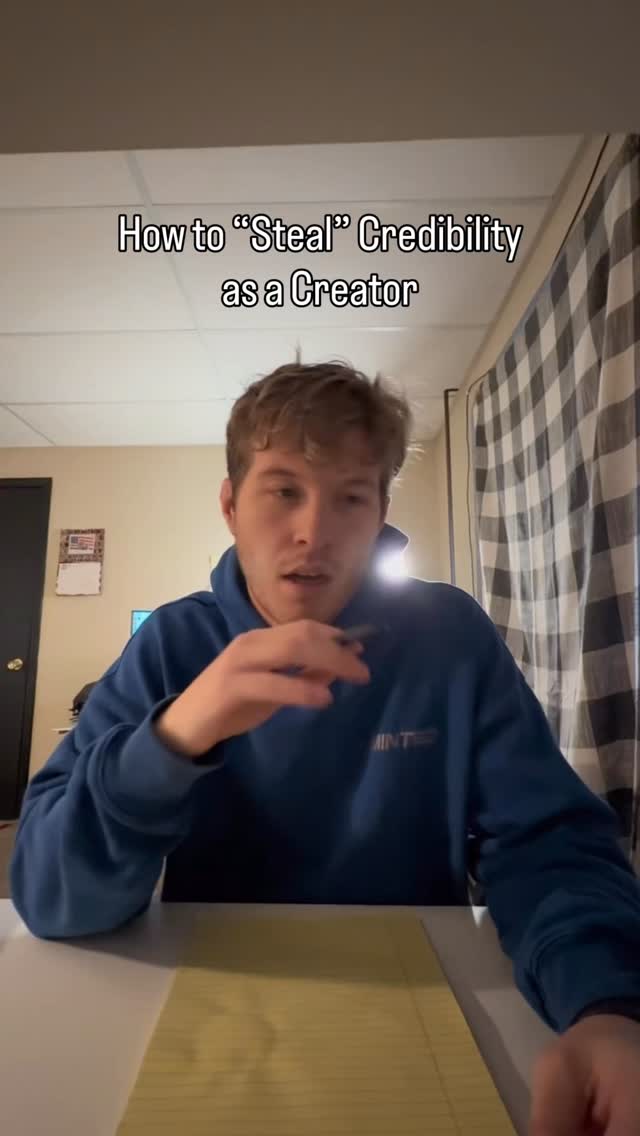
@briarcochran 5 examples on how to add credibility (even if you haven’t done anything in the niche)

@briarcochran
Instagram · Yap
@briarcochran 5 examples on how to add credibility (even if you haven’t done anything in the niche)
Performance
Video #14274 · Yap
[01]
The creator addresses the common problem of lacking credibility when starting to create content online. He introduces his concept of a 'super hook'—a statement that builds credibility—and then breaks down five distinct, actionable methods for creating one: condensing effort, leveraging failure, using credibility arbitrage from other sources, tapping into shared niche emotions, and citing unique mentorship experiences.
[02]
[03]
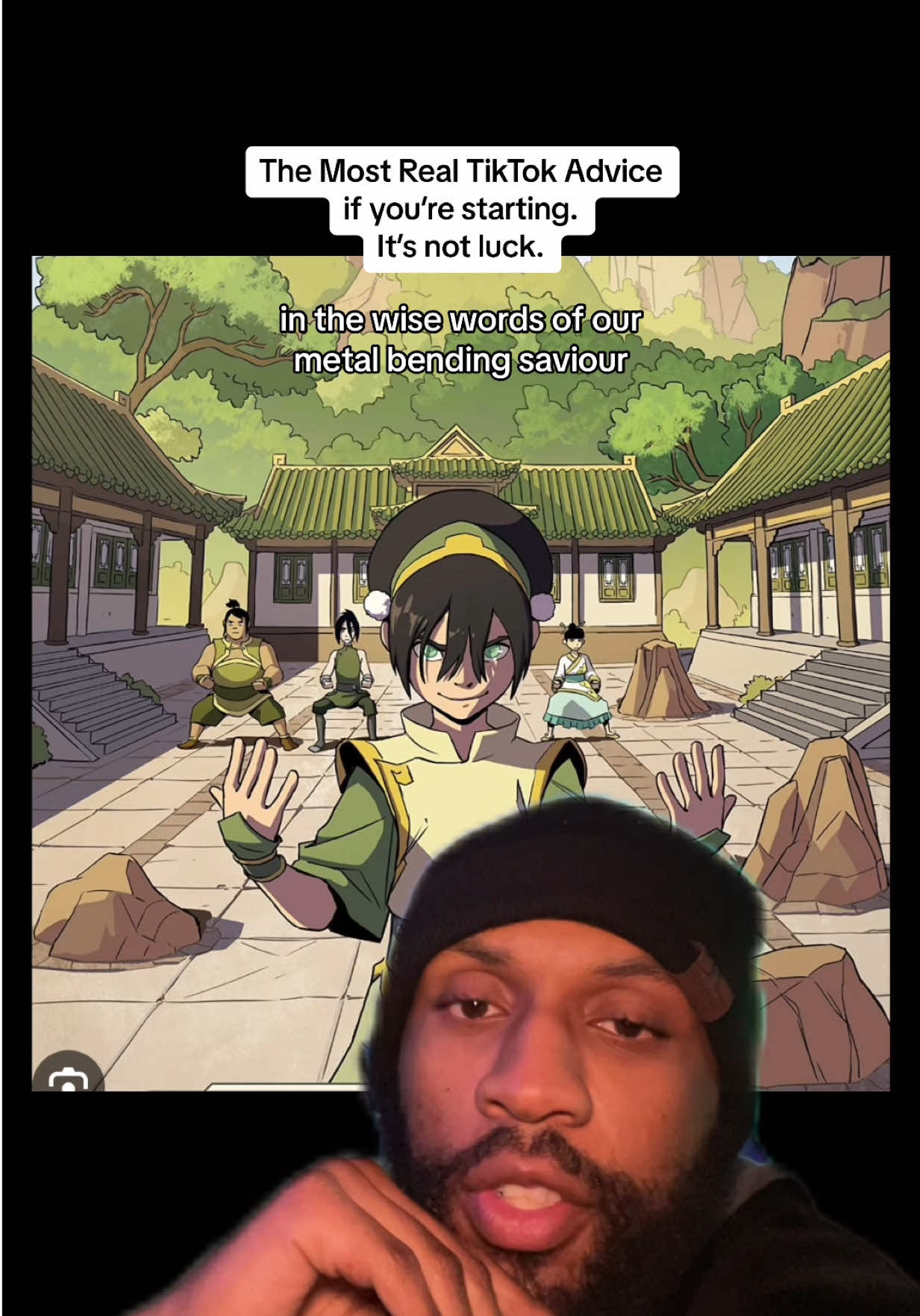 3.1MMotivational monologue for new creators@kennovate · Motivational Mantra
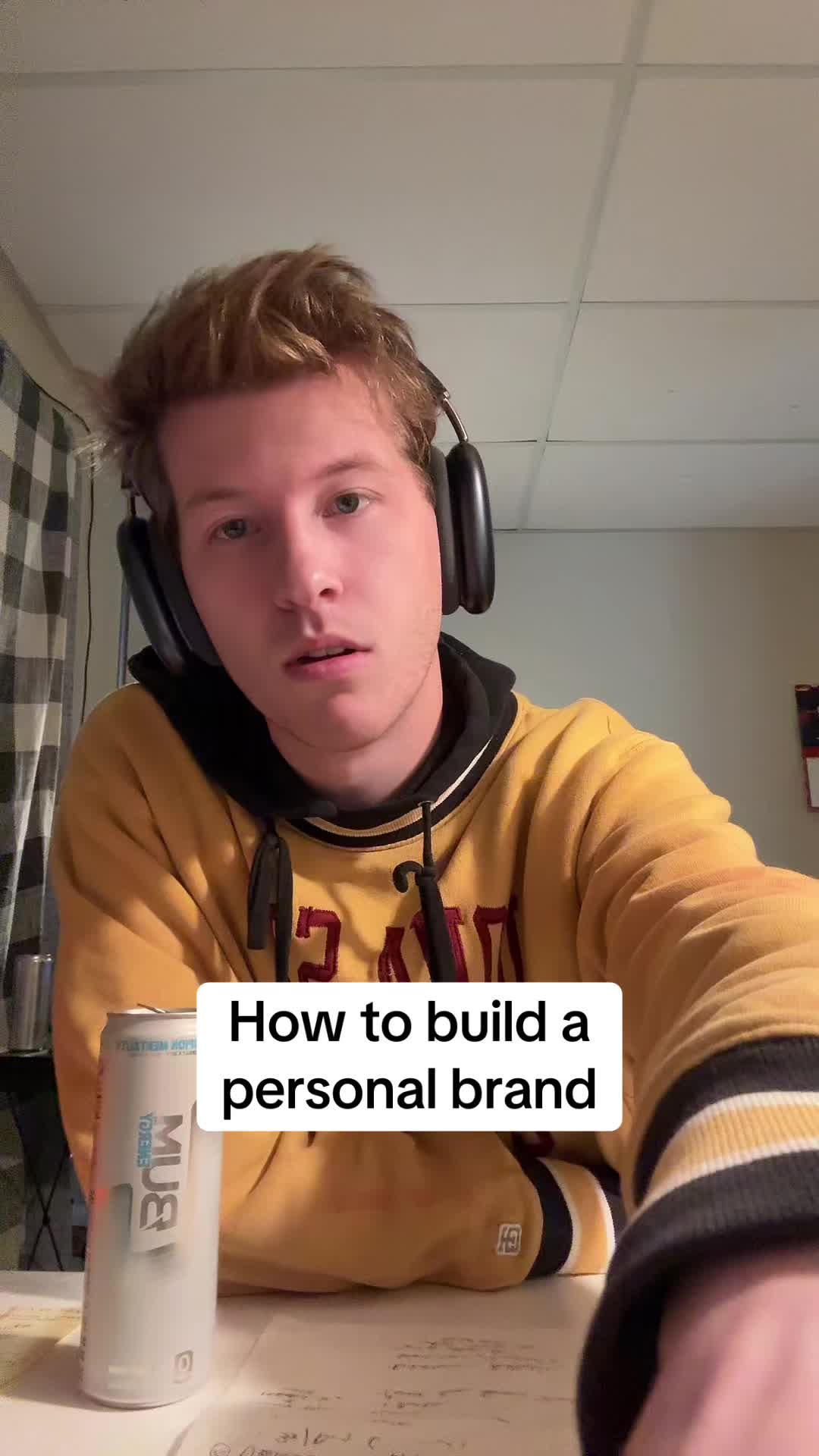 428.4K6×Three-part framework for building a personal brand from scratch@briarcochran · Tutorial / How To
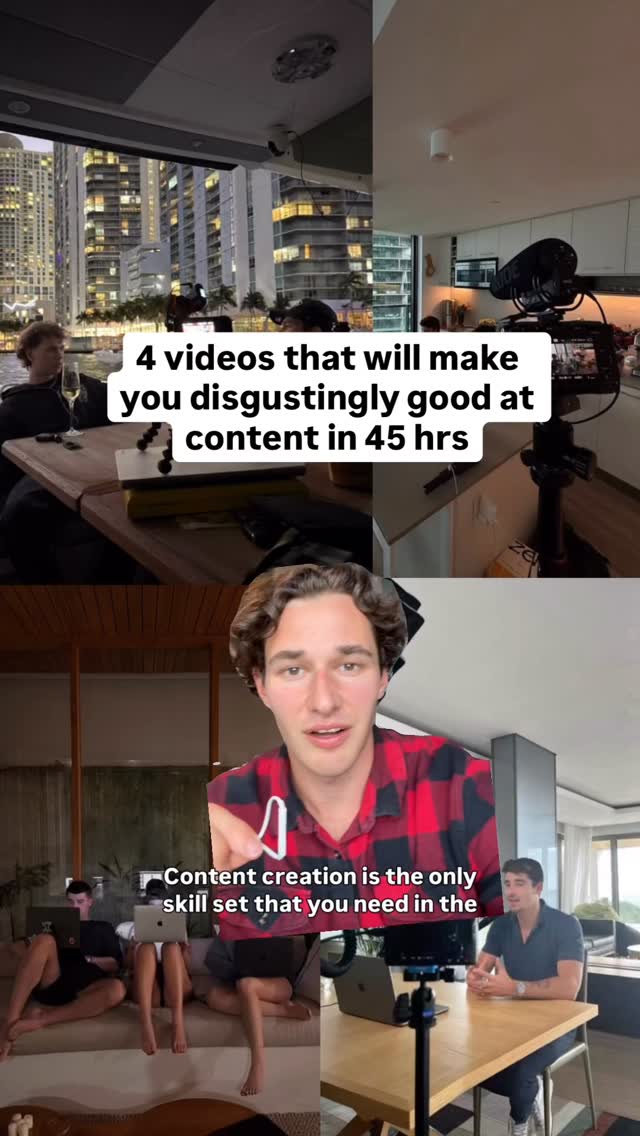 386.9K132.3×Recommends four videos for creators@seanwerbowskii · Rapid Fire Listicle
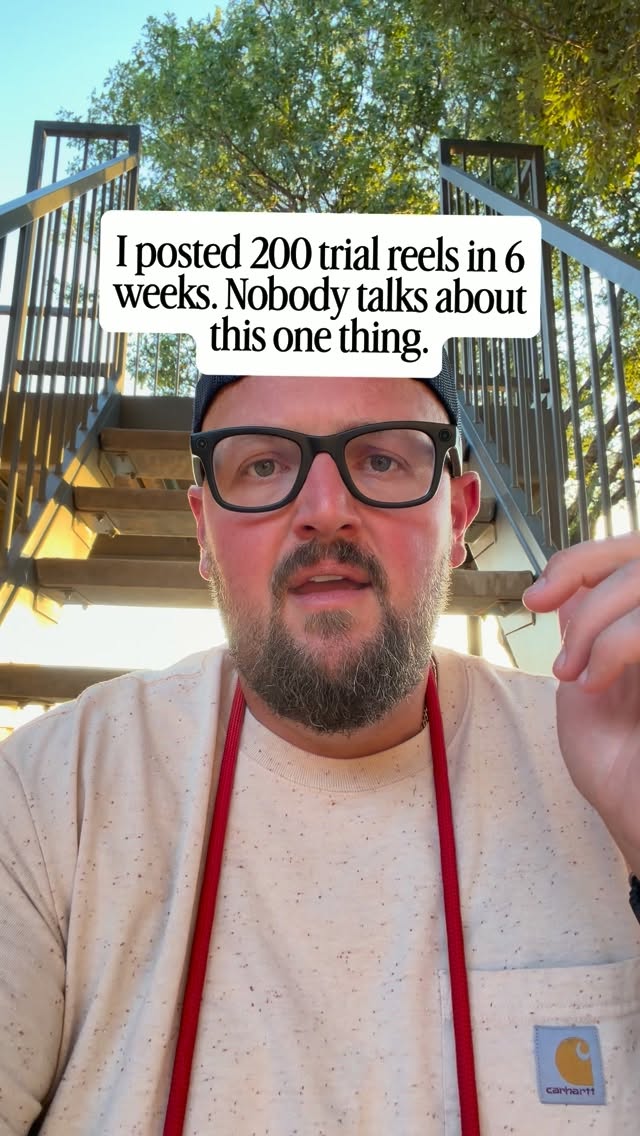 252.6KCreator shares social media growth secret@_dallasmarley_ · Performance Proof
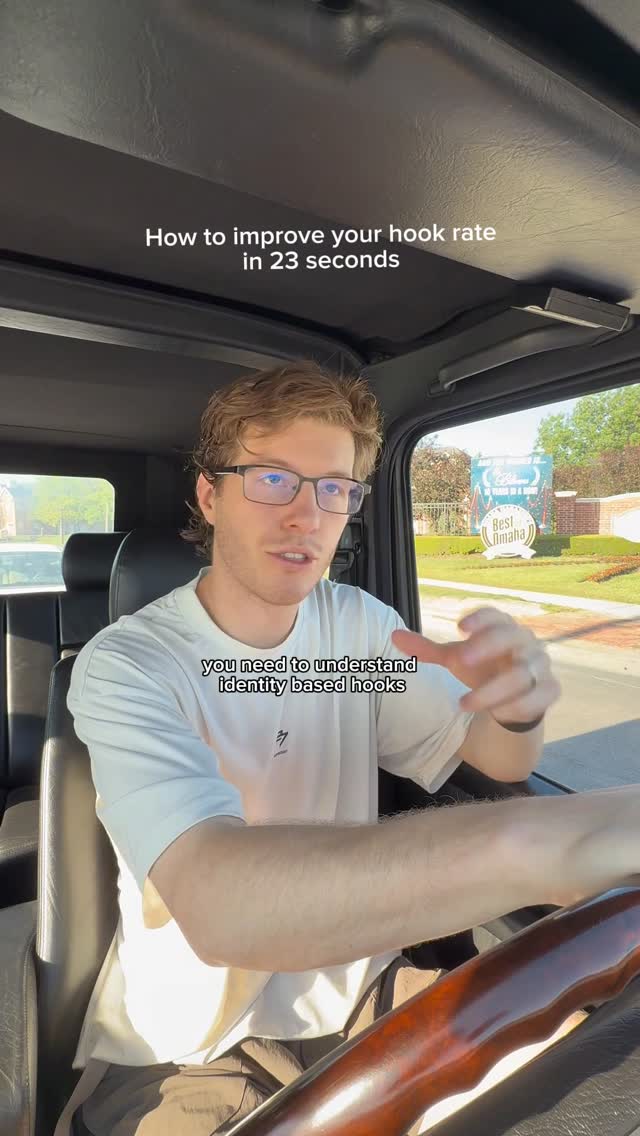 51.4KCreator explains marketing hook strategy@briarcochran · What Is X?
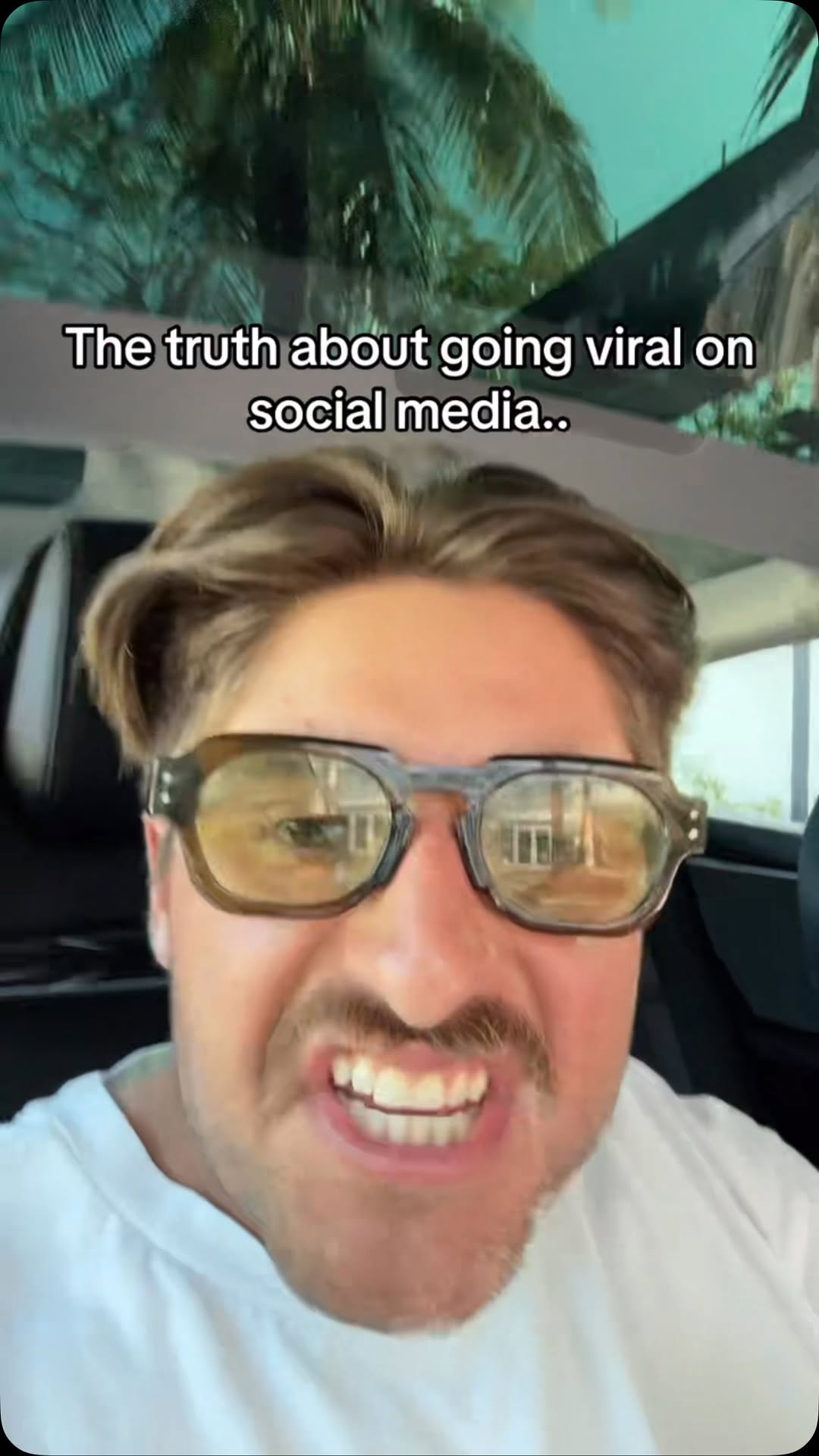 1.2MCreator explains how posting about all his interests grew 2 million followers@daddywellness · Hot Take
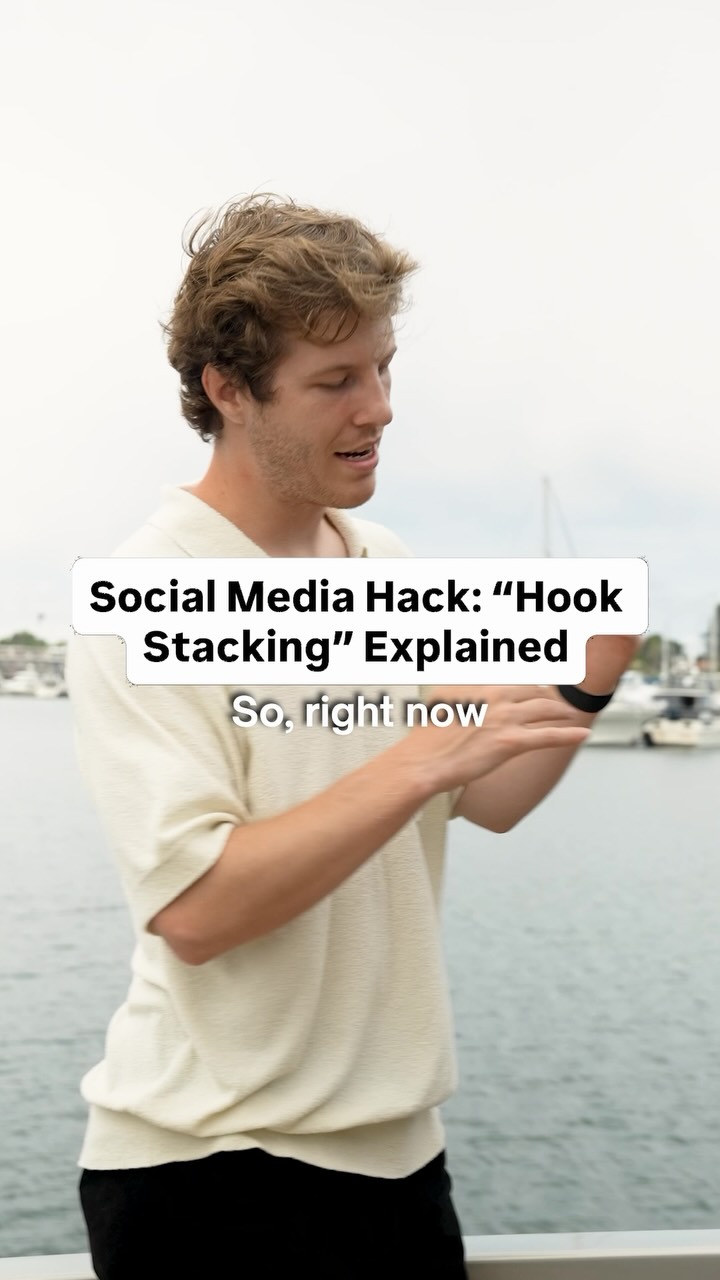 135.4K41.7×Expert explains hook stacking strategy@rich_somers · Breakdown
 101.9KCreator lists seven tips for hooks@briarcochran · Rapid Fire Listicle
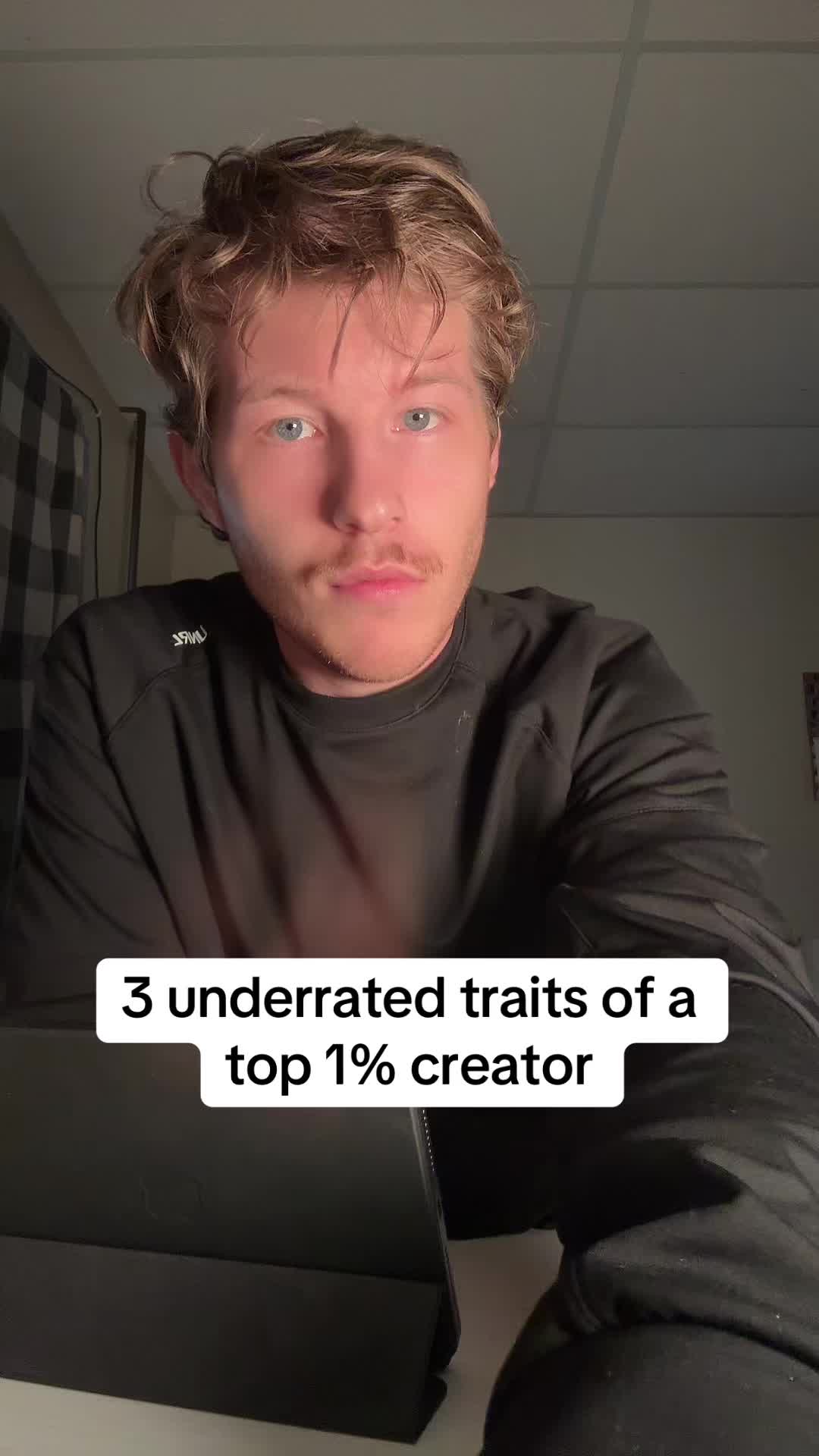 226.7K3.1×Three underrated traits that separate top 1% creators@briarcochran · Numbered Breakdown
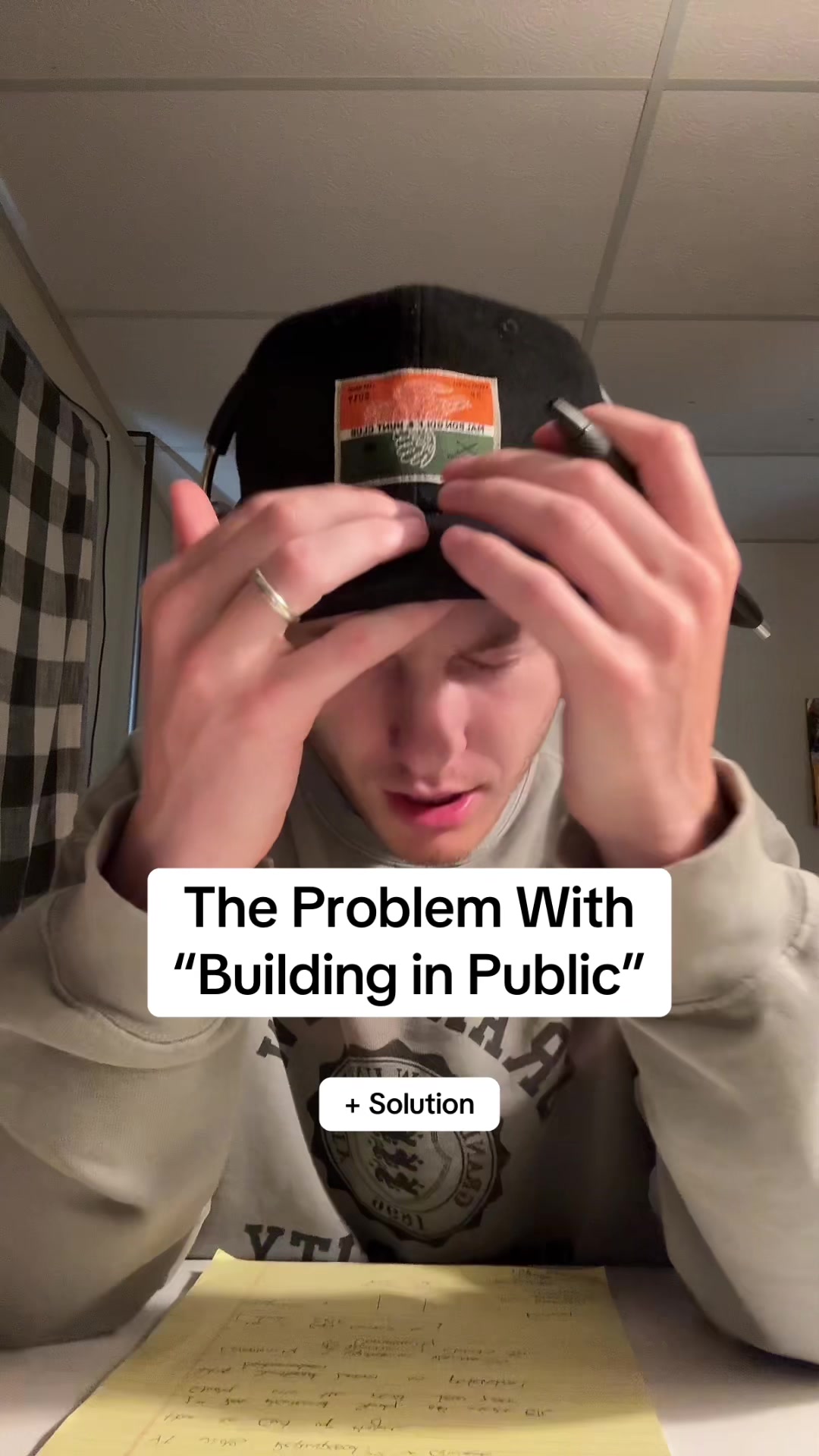 223.7K3.1×Why new creators should build in private before building in public@briarcochran · Hot Take
 240.5K57×Deconstructing hooks across different media@jason_swet · Case Study Breakdown
 137.2KExplains three-step hook writing framework@iamaayushswamy · Tutorial / How To
[04]
[05]
What stops the scroll in the first 3 seconds
Title hook · 55%
How to “Steal” Credibility as a Creator
Verbal hook · 40%
How do you post content online whenever you haven't done anything with your life and you have no credibility at all?
Visual hook · 5%
A direct-to-camera shot of the speaker leaning forward at a desk, using expressive hand gestures to immediately engage the viewer in a conversational manner.
[06]
Steal this for your own video
How to when you have no
[07]
The promise the opener makes, and how the video pays it back
Hook
Directly addresses a common, high-stakes problem or insecurity felt by the target audience ('How do you post content... when you have no credibility?'), promising a tangible solution.
Payoff
The Actionable Mandate. Concludes by summarizing the core concept ('find your super hook') and issuing a direct, simple command for the viewer to implement the framework ('get five to ten'), turning passive learning into an active task.
[08]
The structural pattern this video runs on
Framework
The Credibility Blueprint
The video deconstructs a common professional insecurity by providing a numbered list of actionable strategies, each explained with a name, definition, and concrete example, to establish authority without traditional credentials.
The Framework Reveal
Introduces a proprietary name for the solution ('Super Hook') and establishes the core rules and context for how it will be applied, positioning the advice as a structured system.
The Enumeration Promise
Explicitly states the number of items in the upcoming list ('There's five ways'), creating a clear roadmap and setting viewer expectations to watch through to the end to get the complete system.
The Method Gauntlet
The main body of the video, where each of the numbered strategies is presented using a repeating micro-pattern. This beat is the core value delivery, cycling through each distinct method.
5 examples on how to add credibility (even if you haven’t done anything in the niche)
title · beginning
How to “Steal” Credibility as a Creator
How do you post content online whenever you haven't done anything with your life and you have no credibility at all? There is actually an answer to this. I call it a super good, and I'll explain in a second. But the first thing we need to understand is you're posting content online. You have to ask worse, why should someone listen to you? Don't go make something up. Don't go lie like, oh, because I made a bunch of money. No. Don't go lie, but let me help you form your super hook. The super hook usually is the second or third sentence. So you're gonna get your main point across, what you're gonna what the video is gonna be about, then you're gonna weave in a super good, which is a little bit of credibility, and it does not have to be money. And there's a million other ways to do this besides just being like, I've made this or I've done this. There's five ways to form a super hook kind of that I think about. Number one is we can do an effort condensed super hook. An example would be I spent a 100. I spent ten thousand hours reading about cults. Oh, jeez. Here's what I learned. K? That is a super hook that we could compress into one. The ten thousand hours is proof in itself. It's credibility in in itself. And don't lie about it. If you haven't read a $100 on something, don't go lie about it. Or I, manage a team of a 100 sales reps. Here's what I learned. Here's what the top 1% had in common. Or I ran five marathons this year. Here's what I learned about my mindset. Like, that is social proof. Okay? Number two is we can do failure. I started and failed five businesses, and all five businesses bad one thing in common. That can be a super help. These are also the second sentence. You wanna have the main idea already done in the first sentence. We do the contrast. I I finished tier marathon better my PR, you know, whatever, and then I failed the next marathon. What was the difference? No we can lean into our failures. Number three is we can do credibility arbitrage. K? I just heard this quote from Huberman. K? Or I was just reading this statistic from Harvard. Right? We can pull credibility from other places. It doesn't have to be you. Famous people, statistics, quotes, books, all that stuff. Great. Number four is this one's tricky. And if you can get a shared, observable, specific emotion with your niche, then you have credibility. No, for example, if all of the top 1% of gardeners all felt the extreme pain of pulling up a carrot and seeing it withered away at the better, and you knew about that shared specific observable emotion or a situation, you could say that as your super hook and people be like, oh, this person knows what they're talking about because only legit people know what they're talking about in that category. The fifth is if you had a unique form of mentorship. I've been seeing this. It's really good. It's like, what I day one of of learning from my billionaire boss. K. That's a great one. Day one or what I learned from my billionaire neighbor or what I learned from, working with the first black woman CEO in Illinois. I'm just making stuff up now. K. You can start pulling from unique experiences that you've participated in. So find your Superhook. I would suggest you get five to 10.