@jason_swet
TikTok · Speaker address
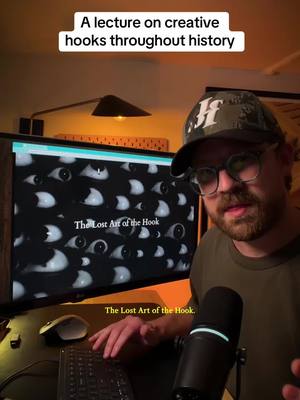
@jason_swet This is a speedy run through a lesson I’ve been giving to creatives about hooks in storytelling. Would love your thoughts, questions, or feedback on this 🙏

@jason_swet
TikTok · Speaker address
@jason_swet This is a speedy run through a lesson I’ve been giving to creatives about hooks in storytelling. Would love your thoughts, questions, or feedback on this 🙏
Performance
Video #16879 · Speaker address
[01]
The creator delivers a lecture on the concept of a 'hook' in storytelling, arguing that it's a timeless creative tool, not just a social media gimmick. He defines hooks by providing and analyzing numerous examples from literature (The Hunger Games, 1984), film (Breaking Bad, The Dark Knight), music, book covers, journalism, and advertising. He concludes by outlining four key characteristics of a great hook: sparking curiosity, reframing the familiar, being instantly understandable, and hitting a nerve.
[02]
[03]
 543.9K2.8×Deconstructing hooks across various media@jason_swet · Breakdown
 1.2M2.6×Viral video hook breakdown@robertmckeaveney · Case Study Breakdown
 135.4K41.7×Expert explains hook stacking strategy@rich_somers · Breakdown
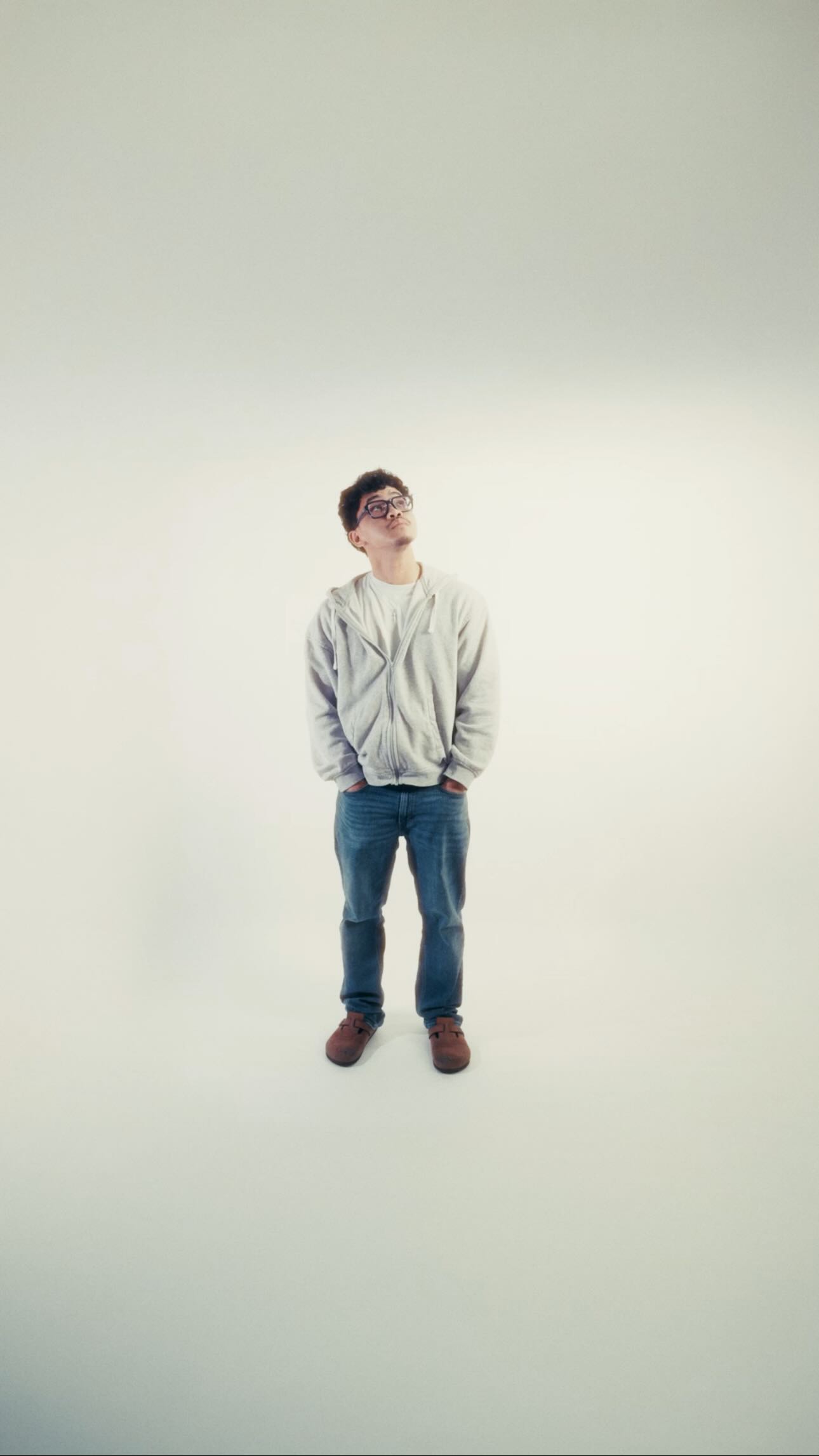 218.6KStorytelling core concepts for creators@johnbucog
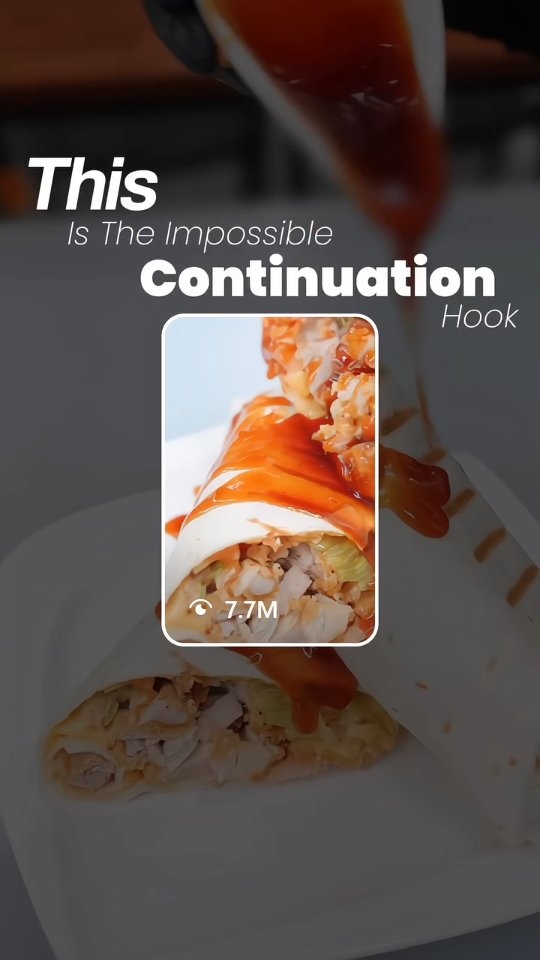 398.3K54.7×Explaining video hooks with examples@thepostprotocol · Breakdown
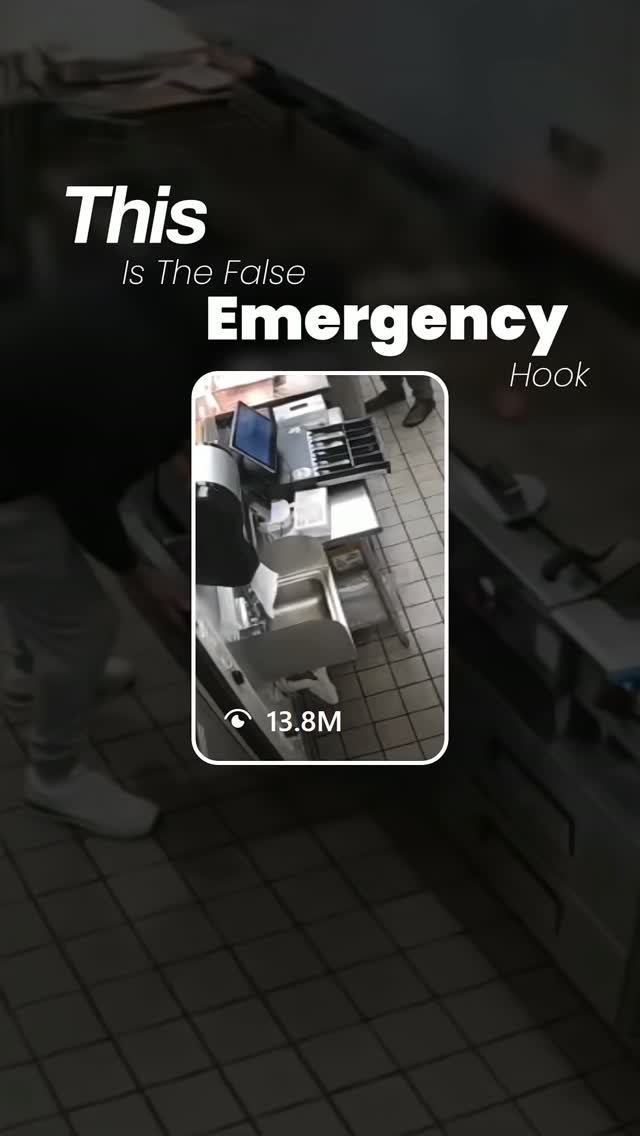 6M334.6×Three examples of video hooks@thepostprotocol · Breakdown
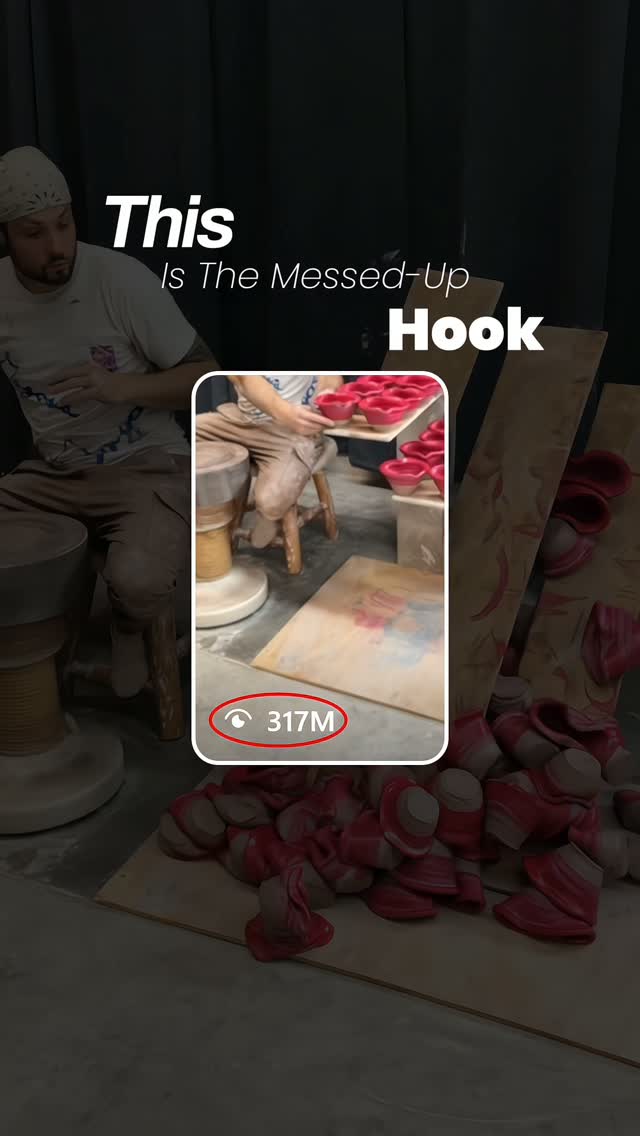 534.5K31×Explaining different video hook types@thepostprotocol · Breakdown
 137.2KExplains three-step hook writing framework@iamaayushswamy · Tutorial / How To
 51.4KCreator explains marketing hook strategy@briarcochran · What Is X?
 173K4.9×Creator explains credibility building framework@briarcochran · Breakdown
 101.9KCreator lists seven tips for hooks@briarcochran · Rapid Fire Listicle
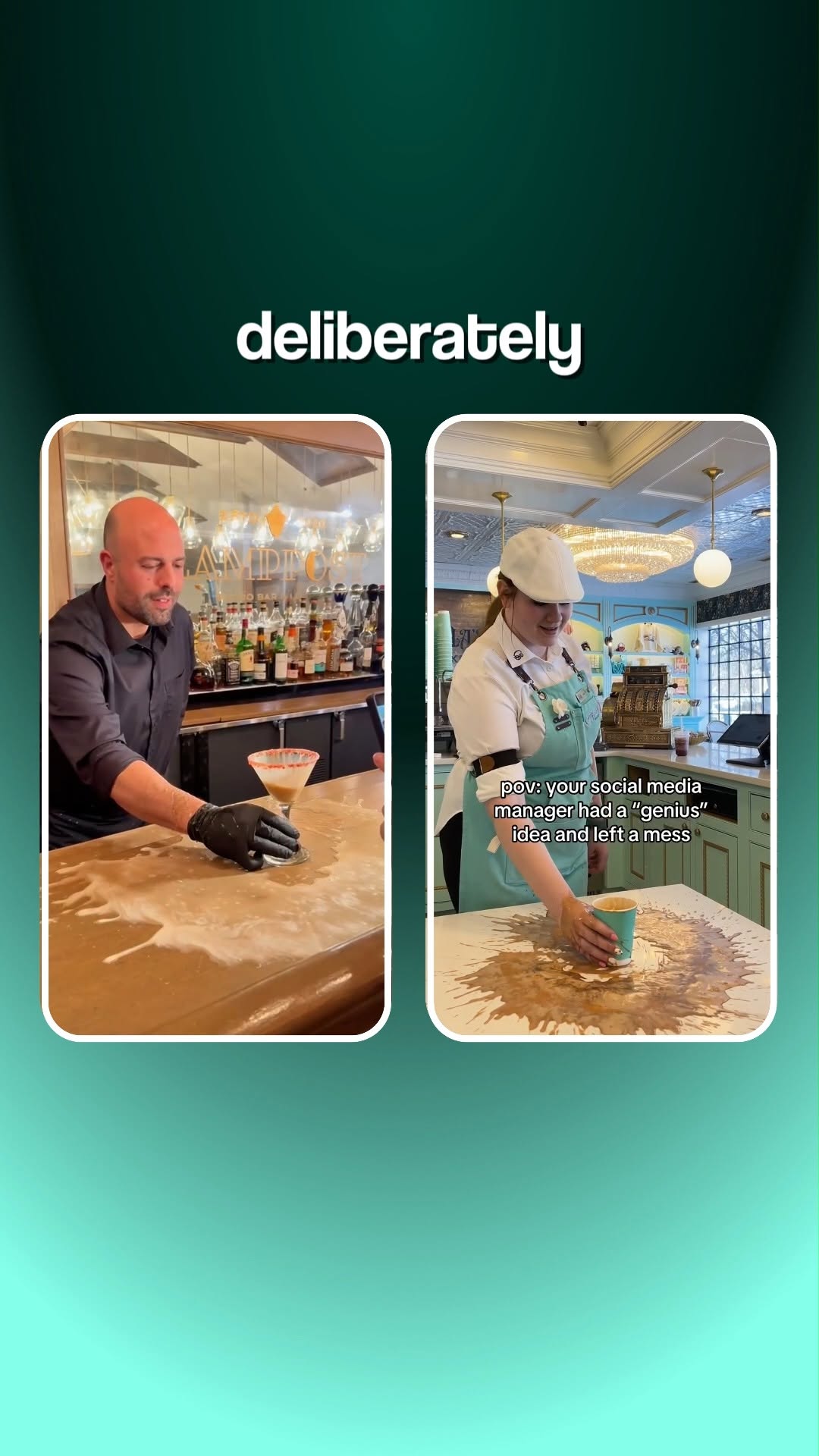 1.4M71.4×Viral hook marketing case study@thepostprotocol · Breakdown
[04]
[05]
What stops the scroll in the first 3 seconds
Title hook · 25%
A lecture on creative hooks throughout history
Verbal hook · 50%
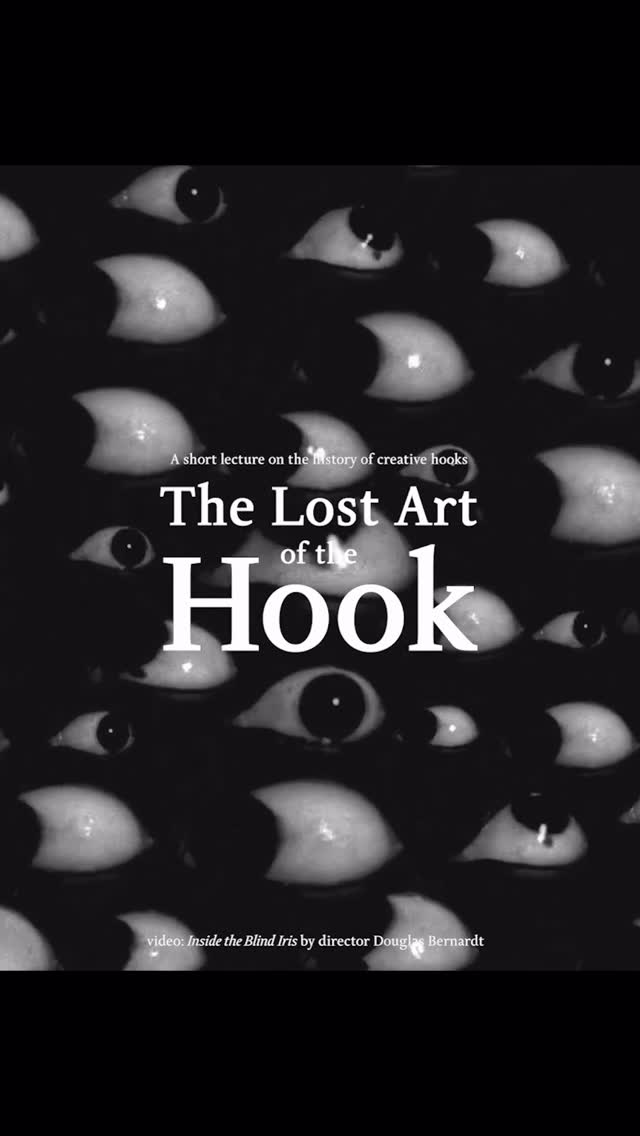
The lost art of the hook.
Visual hook · 25%
A speaker at a desk with a monitor behind him displaying a visually arresting pattern of animated eyes, creating immediate intrigue.
[07]
The promise the opener makes, and how the video pays it back
Hook
Immediately challenge a widely held, simplistic belief about the topic, promising a deeper, more nuanced understanding.
Payoff
Conclude by summarizing the new, broadened perspective, reframing the concept as a creative art rather than a rigid formula, and empowering the viewer to apply this new understanding.
[08]
The structural pattern this video runs on
Framework
The Expert Deconstruction
To deconstruct a commonly misunderstood concept by presenting a wide range of historical and cross-disciplinary examples, ultimately synthesizing them into a new, more powerful framework for the viewer.
The Premise Challenge
State a counter-intuitive thesis that refutes a popular assumption (e.g., 'Social media didn't invent hooks'), establishing the video's core argument and creating an intellectual hook.
The Foundational Evidence
Present the first set of clear, easily understood examples from a respected, traditional field (literature) to prove the thesis has historical precedent and exists beyond the modern context.
The Midpoint Redefinition
Pause the flow of examples to offer a more sophisticated definition of the core concept ('grabs AND holds attention'), providing a new lens through which to view the subsequent evidence.
The Complex Application
Showcase more complex, multi-layered examples from a dynamic medium (film) to demonstrate how the core concept functions to sustain attention by generating a cascade of questions.
The Universal Proof
Expand the argument by showing how the concept applies across an even wider and more diverse range of disciplines (music, visual design, journalism), proving its universal relevance.
The Abstract Manifestation
Elevate the argument by demonstrating how the core concept can be embodied in its most abstract form, such as a title, a slogan, or the central idea itself (advertising campaigns).
The Synthesis Framework
Distill the key attributes from all preceding examples into a simple, memorable, and actionable list of principles, delivering the core educational payoff.
This is a speedy run through a lesson I’ve been giving to creatives about hooks in storytelling. Would love your thoughts, questions, or feedback on this 🙏
title · beginning
A lecture on creative hooks throughout history
informational · beginning
The Lost Art of the Hook
informational · beginning
Social media didn't invent hooks
informational · beginning
What is a hook?
informational · beginning
“When I wake up, the other side of the bed is cold...This is the day of the reaping.”
informational · beginning
“It was a bright cold day in April, and the clocks were striking thirteen.”
informational · middle
A hook is what grabs & holds your attention.
contextual · middle
Breaking Bad
contextual · middle
The Dark Knight
informational · middle
Music: hook ≠ chorus
informational · end
{visual + audio + text}
informational · end
The idea itself needs a hook
contextual · end
Dumb Ways to Die
contextual · end
#LikeAGirl
contextual · end
Shot on iPhone
contextual · end
The Man Your Man Could Smell Like.
informational · end
Sparks curiosity Reframes something familiar Instantly understandable Hits a nerve
The worst art of the hook. I wanna change the way you think about hooks, especially in social media content, because social media didn't invent hooks. It's not just the first three seconds of a video. In fact, the idea of a hook has existed in other creative disciplines and industries for a long time. What is a hook? Well, rather than define it for you, I want to broaden your vision of what a hook can be, and I'm gonna do that by showing you a bunch of examples of some great hooks. When I wake up, the other side of the bed is cold. This is the day of the reaping. The first page or on the first page of the hunger games, in my opinion, a great hook. An example of how hooks are in other mediums of storytelling. It was a bright good day in April, and the clocks were striking thirteen. That's the first line of 1984. And as you can already see, a hook is what grabs and holds your attention. It needs to hold your attention, and that's what differentiates it from gimmicks and clickbait. So let's keep going. More examples. The first scene of Breaking Bad. It's longer than three seconds. One of the first things you see are pants flying through the air. Instant questions going off in my head. Why are these pants flying? Where did they come from? Now we're in an RV. Why is he wearing a gas mask? Oh, no. Is that guy dead? You good hear all the questions going off in my head. This is a great hook. In a similar fashion, the first scene of The Dark Knight is one of the greatest hooks of all time. So many questions are flying off in my head. Is this guy Heath Ledger? Is that Joker Heath Ledger? And that's two different mediums. Music also uses the term hook. Most people think a hook is the chorus, but they're not synonymous, and I might have some music professionals coming after me for that. But what's fascinating here is it's not always the first three seconds of the song. It's whatever is attention grabbing or the most memorable part of the song, at least from my limited understanding. But what's also interesting is now that streaming is more popular, you'll notice that artists are putting the hook at the beginning of the song. Beyond just the storytelling of a novel, I think book covers can have great hooks. I actually haven't read this, but these are some of the books that were really grabbing my attention a couple years ago. Visuals that instantly made me think, oh, I wanna I wanna pick up that book. I wanna read more into this one. But probably where the term hook was most prevalent was in the newsroom. What is the headline that's gonna stop the scroll? And great advertising can have a hook. It's not just a video format. I remember early in my career better feedback from a creative director, and they asked, what's the hook? And I had no idea what they were talking about. So I don't think there's a formula to it, but if you think about your senses, and how you experience storytelling, it can be visual, audio, best, as in you're reading it, maybe rank experiential formats. It could be smell and touch. But what takes a hook beyond just being clickbait is when it can hold your attention, and that's why ideas need strong hooks as well. Some famous advertising campaigns with strong hooks even in just the title of the campaign. Dumb ways to die, hashtag like a girl shot on iPhone. The man your man could smell like. I said there's no formula, but there are some characteristics I look for in a hook. What is the thing that's sparking curiosity tier making me ask questions? Does it reframe something familiar? Ideally, it flips that thing that's familiar on its head, a completely counterintuitive angle. That's not necessary, but it's gonna spark curiosity. The hook needs to be instantly understandable. That doesn't mean you're not asking questions, but clarity is really important. And great hooks hit a nerve. That nerve can be an emotional nerve. It can be a humor nerve. It doesn't always have to be provocative or controversial. Now if you rewatch this and go through all of the examples I just shared, I bet they hit on each of these points. So I hope this helps widen your idea of what a hook can be. It truly is an art. I don't think there's an exact formula, but I think there's a lot of people that talk about it within a narrow definition of the first three seconds of a video. So if anything, I hope you're looking at storytelling in a new way if you're trying to create content that grabs and holds people's attention.