Viral Hooks
Trending short videosInformational carousel on ADHD parenting
T

@thepositiveparenting

Instagram · Carousel

@thepositiveparenting When ADHD kids argue back, it’s not disrespect — it’s dysregulation. Their brain reacts before their emotions can catch up, and the “talking back” you hear is really overwhelm, frustration, and sensitivity bubbling over. In this post, you’ll understand why your ADHD child snaps, what’s happening inside their nervous system, and how a few calm adjustments from you can completely change the outcome. If you want to learn the exact tools, scripts, and strategies to help your ADHD child feel understood, regulated, and connected… 👉 Get my “ADHD Kids” eBook — your step-by-step guide to calmer days, fewer battles, and a stronger bond. 💛 👉 Comment ADHD and I’ll send you the link #adhdparenting #adhdawareness #adhdkids #adhdstruggles #neurodivergentkids #gentleparenting #positiveparenting #mindfulparenting #parentingtools #emotionregulation #adhdbrains #parentingeducation #adhdsupport #connectedparenting #parentingtips #adhdcommunity
View original on Instagram

The edit1 shot · 9 text
Shots Text

Performance

Views
579.4K
Likes
38.6K
Comments
10.7K
Engagement
8.5%
Outlier
29.8×

Video #15075 · Carousel

Informational carousel on ADHD parentingfrom @thepositiveparenting

[01]

Overview

This is an 8-slide Instagram carousel post from the account @THEPOSITIVEPARENTING. It explains the underlying reasons why children with ADHD may talk back, reframing the behavior as a result of impulsivity, rejection sensitivity, emotional overflow, a need for control, and delayed processing, rather than disrespect. The final slides offer actionable tips for parents and include a call-to-action to comment for a link to an eBook on the topic.

[02]

Simple outline

  1. 1Hook with behavior reframe
  2. 2List hidden root causes
  3. 3Provide actionable solutions
  4. 4Validate the audience
  5. 5Pitch resource via comment CTA

[03]

Related videos

[04]

Classification

Format
Concepts
Guide CarouselTutorial / How To
Elements
Text OverlayTemplated Graphic Layout

[05]

Hook analysis

What stops the scroll in the first 3 seconds

Title hook · 60%

Why ADHD Kids Talk Back (And Why It's Not Disrespect)

Verbal hook · 30%

When ADHD kids argue back, it’s not disrespect — it’s dysregulation.

Visual hook · 10%

The strong visual hook is the bold, high-contrast typography on a clean, minimalist background. The title slide immediately presents a relatable problem and a controversial reframing, creating curiosity that encourages users to swipe through the carousel.

[06]

Hook template

Steal this for your own video

Why [audience type] [misunderstood behavior] (And Why It’s Not [common negative assumption])

  • — Why ADHD Kids Talk Back (And Why It’s Not Disrespect)
  • — Why New Employees Ask So Many Questions (And Why It’s Not Incompetence)
  • — Why Rescue Dogs Avoid Eye Contact (And Why It’s Not Aggression)

[07]

Hook and payoff

The promise the opener makes, and how the video pays it back

Hook

Identify a frustrating pain point or behavior and tease a paradigm-shifting explanation that absolves blame.

Payoff

A targeted call-to-action offering a comprehensive guide or solution in exchange for a specific comment keyword to trigger an auto-DM.

[08]

Narrative framework

The structural pattern this video runs on

Framework

The Empathy Reframe Listicle

Take a highly frustrating, commonly misunderstood behavior, explicitly state what it isn't (the common negative assumption), and then list the hidden, sympathetic root causes before providing actionable solutions and a resource.

  1. 1

    The Root Cause Stack

    A rapid-fire sequence of slides, each isolating a different hidden, sympathetic driver of the negative behavior to build empathy and understanding.

  2. 2

    The Tactical Pivot

    Transitioning from 'why it happens' to 'what to do about it' with a concise, bulleted list of actionable steps.

  3. 3

    The Emotional Anchor

    A concluding empathetic statement that validates the reader's struggle and reframes their relationship with the subject.

Themes

  • positive parenting
  • neurodiversity
  • emotional regulation
  • empathy

Techniques

  • typography
  • minimalist design
  • color contrast
  • listicle format

Trends

  • educational carousel
  • mental health awareness
  • parenting advice content

Post caption

When ADHD kids argue back, it’s not disrespect — it’s dysregulation. Their brain reacts before their emotions can catch up, and the “talking back” you hear is really overwhelm, frustration, and sensitivity bubbling over. In this post, you’ll understand why your ADHD child snaps, what’s happening inside their nervous system, and how a few calm adjustments from you can completely change the outcome. If you want to learn the exact tools, scripts, and strategies to help your ADHD child feel understood, regulated, and connected… 👉 Get my “ADHD Kids” eBook — your step-by-step guide to calmer days, fewer battles, and a stronger bond. 💛 👉 Comment ADHD and I’ll send you the link #adhdparenting #adhdawareness #adhdkids #adhdstruggles #neurodivergentkids #gentleparenting #positiveparenting #mindfulparenting #parentingtools #emotionregulation #adhdbrains #parentingeducation #adhdsupport #connectedparenting #parentingtips #adhdcommunity
Text overlays

  • title · photo_0

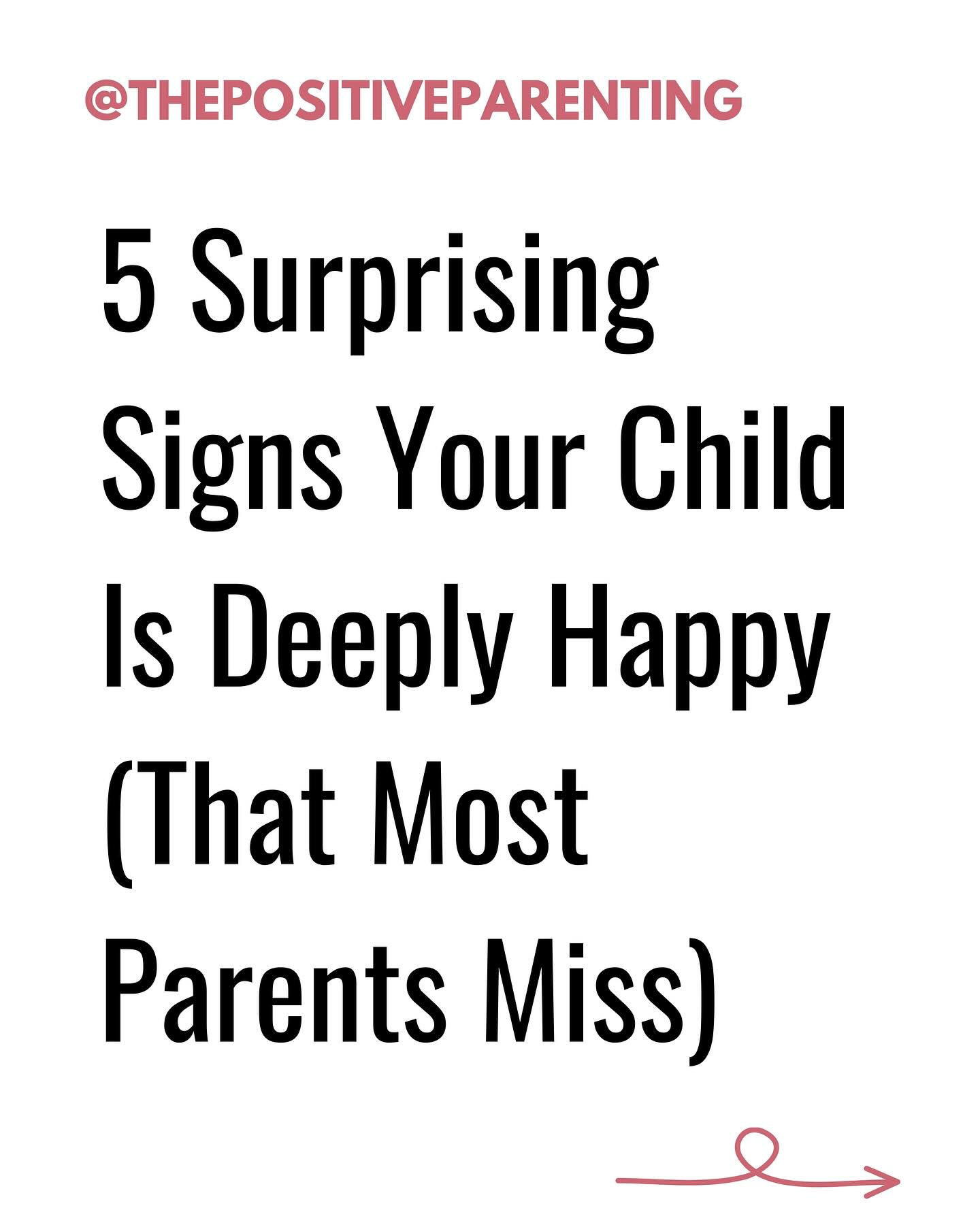
    @THEPOSITIVEPARENTING Why ADHD Kids Talk Back (And Why It's Not Disrespect)

  • informational · photo_1

    It's not defiance. Kids with ADHD react faster than their emotional brakes can catch up. The words come out before the intention ever forms. It's the impulse — not the attitude.

  • informational · photo_2

    It's Rejection Sensitivity (RSD). Even a soft correction can feel like a threat to their nervous system. Their brain jumps from: “I made a mistake” → “I’m in trouble” → “I need to defend myself.” So they snap... even though they love you.

  • informational · photo_3

    It's emotional overflow. ADHD kids feel everything intensely. Frustration, tiredness, overstimulation — their body hits “pressure cooker mode,” and arguing becomes the release valve.

  • informational · photo_4

    It's the need for control. All day they follow rules, routines, expectations, transitions. By the time they get home, they're drained. Pushing back becomes their way of feeling safe again.

  • informational · photo_5

    It's delayed processing. You speak → they react... before their brain has even finished understanding your words. They argue first, make sense of it later.

  • informational · photo_6

    What actually helps • Give them a pause before responding • Keep your tone low and steady • Offer choices to return a sense of control • Validate feelings before giving directions • And most importantly: Don't debate with a dysregulated child — wait for calm Because your child isn’t rude. They’re overwhelmed. And you are the one person they feel safe enough to unravel with.

  • call-to-action · photo_7

    If you want to finally understand your child’s ADHD brain — the meltdowns, the impulsive talking back, the emotions that flip in seconds — and learn what actually works... Get my eBook “ADHD Kids” today. 👉 Comment “ADHD” and I’ll send you the link to my ADHD ebook.

  • branding · photo_1

    @thepositiveparenting