@sakata.ken
Instagram · Speaker address
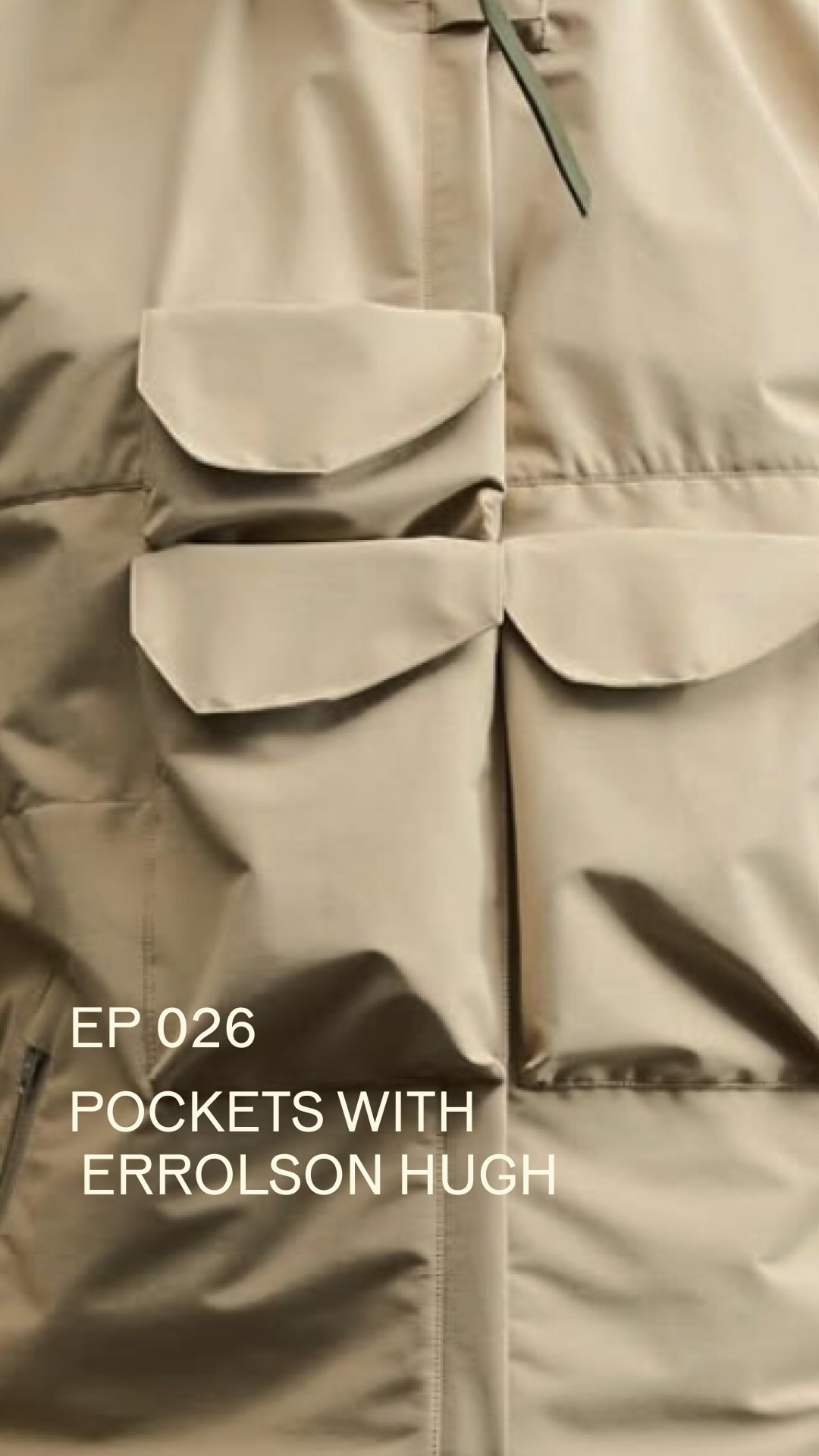
@sakata.ken Pockets, Errolson Hugh and First Person Design

@sakata.ken
Instagram · Speaker address
@sakata.ken Pockets, Errolson Hugh and First Person Design
Performance
Video #15453 · Speaker address
[01]
The creator introduces designer Errolson Hugh and analyzes his 'first-person' design philosophy by demonstrating the highly functional pockets on a pair of shorts and a jacket. He details specific features like specialized phone pockets, slanted construction for comfort, a Y-split deep pocket to prevent scratching, a hidden 'gravity pocket' in a jacket sleeve, and a built-in jacket sling. The creator concludes by contrasting this user-focused design with 'third-person' design, which prioritizes external appearance over the wearer's experience.
[02]
[03]
 689.7K3×Deconstructing pilot jacket design history@sakata.ken · Breakdown
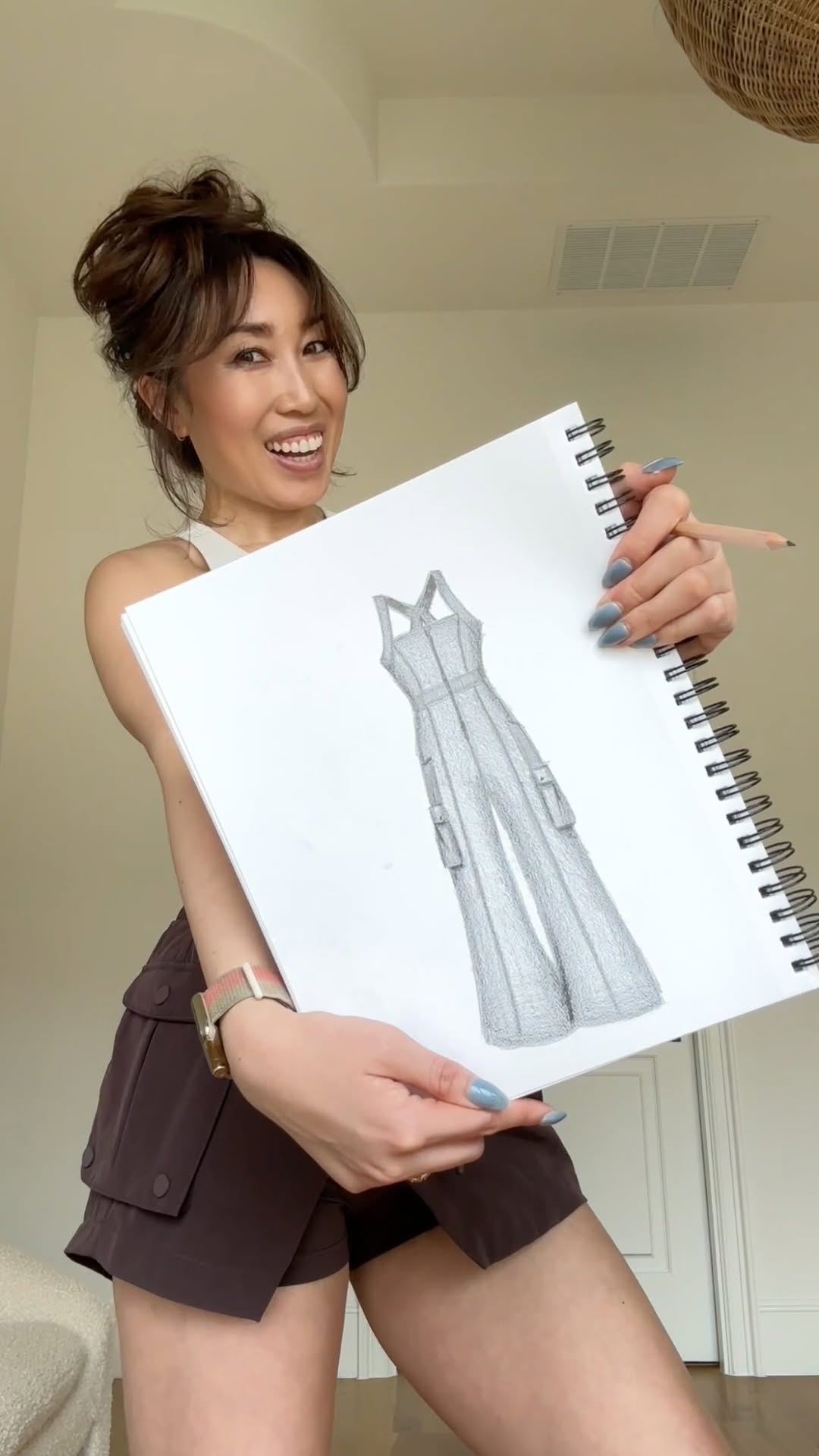 901.6K19.9×Customer feedback inspires new product@popflex_active · Origin Story
 361K1×Designer deconstructs the perfect dad jean@frontoffice.co · Breakdown
 558.3K4.7×Talking head apparel product promo@ceezee999 · Good vs Bad
 219.5K20.3×Talking head fashion styling advice@sjparv · Explainer
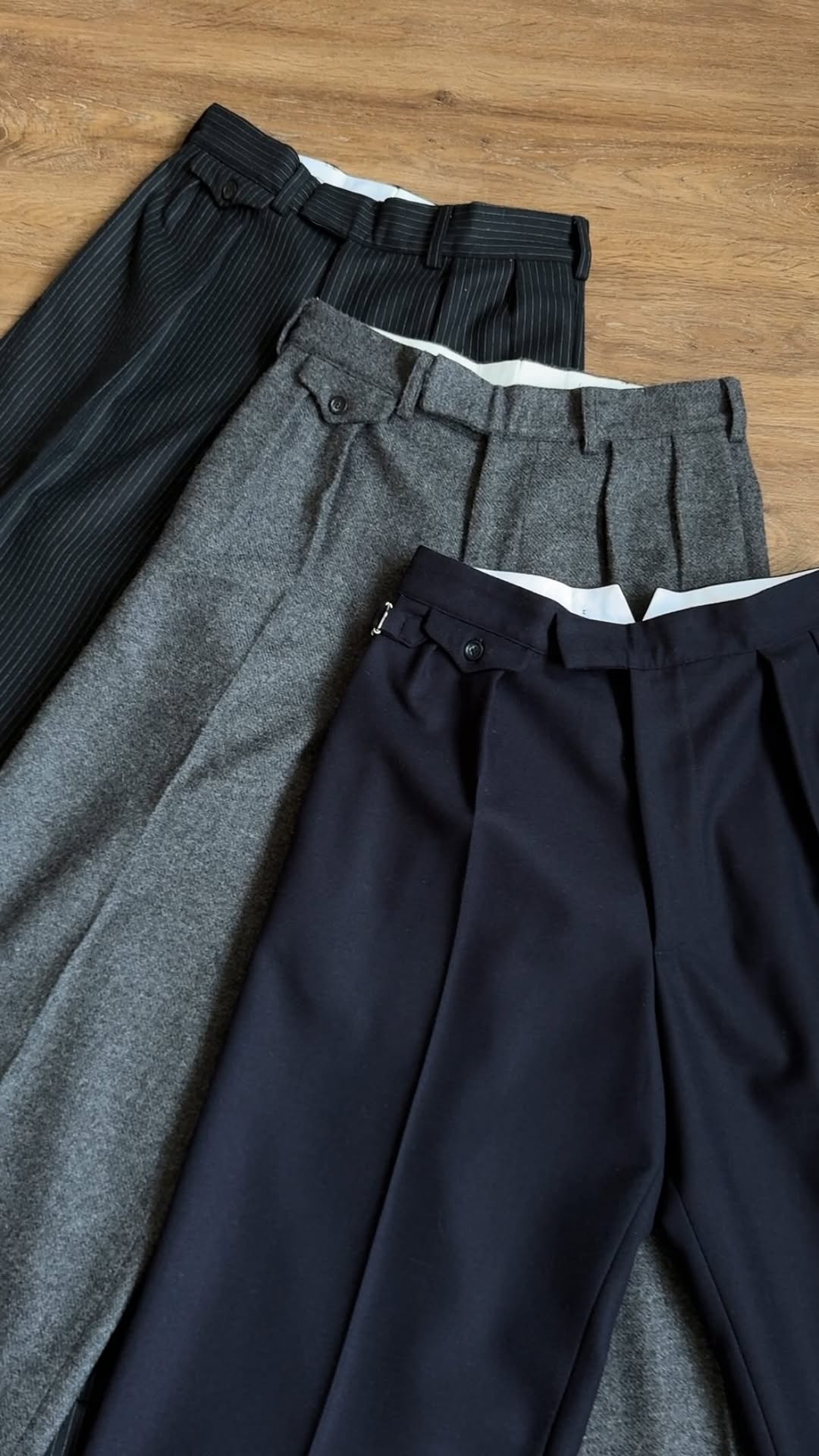 173.4K24.8×Creator showcases vintage-inspired trousers@dirosa.bts · Origin Story
 2.4MQuick list of essential pants@emmanuel.uddenberg · Buying List
 2MShow product colors and features@sdfghtk4 · Product Showcase
 858.5K2.8×Expert explains barrel jeans history@sakata.ken · Breakdown
 480.1K1.1×Comparing three brands' design philosophies@frontoffice.co · Case Study Breakdown
 156.9K7.3×Side-by-side outfit style comparison@guetorafael · This or That
 60.6KMan alters school uniform shorts.@henrythekidd_ · Value Vlog
[04]
[05]
What stops the scroll in the first 3 seconds
Verbal hook · 35%
This is designer, Aronson Hughes.
Visual hook · 65%
A well-composed shot of a designer in a high-tech, stylish jacket standing against a modern, metallic, and reflective background, creating a premium and intriguing visual.
[06]
Steal this for your own video
Open with a polished, premium-looking wearing or holding against a sleek , framed to emphasize its unusual design details.
[07]
The promise the opener makes, and how the video pays it back
Hook
Juxtapose a high-level expert with a mundane, relatable object to create an immediate intrigue gap, prompting the question: 'What could possibly be so special about this?'
Payoff
Conclude by championing the introduced framework as a more valuable and meaningful approach. This reframes the entire video as an intellectual discovery, empowering the viewer with a new, superior perspective rather than just showing them a cool product.
[08]
The structural pattern this video runs on
Framework
The Genius in the Details
To deconstruct a seemingly mundane object or concept to reveal a hidden layer of genius, and then use that revelation to introduce and validate a broader philosophical framework, elevating the viewer's understanding.
The Quantitative Shock
Establish the subject's obsessive attention to detail by presenting a feature in extreme, almost absurd numbers. This immediately signals that the ordinary rules do not apply.
The Ergonomic Revelation
Isolate a subtle, easily overlooked design choice and explain its profound, user-centric benefit. This demonstrates a deep understanding of the user's physical experience and solves a problem they didn't know they had.
The Hidden Problem-Solver
Reveal a series of clever micro-features that solve common, frustrating problems, building a strong sense of validation and proving the design's thoughtfulness.
The 'Magic Trick' Feature
Demonstrate a feature so unexpected, kinetic, and satisfying that it creates a 'wow' moment of pure delight, bordering on magical.
The Abstract Framework
Pivot from concrete examples to introduce a binary theoretical concept (e.g., User-Centric vs. Observer-Centric). This provides a name for the philosophy behind the genius, turning the product into proof for a larger idea.
Pockets, Errolson Hugh and First Person Design
informational · beginning
1 2
informational · beginning
3 4 5
informational · beginning
6, 7
This is designer, Aronson Hughes. So let's look at how he thinks about pockets. One, two, three, four, five, six, seven. Seven pockets on each leg, 14 pockets altogether. If you're just talking about phones tier are four specialized phone pockets per pair of shorts. This one goes exactly into here or there's another specialized phone pocket here rank you'll notice that these pockets are slanted they're not straight up and down like a pair of jeans they have a tilt to them And the reason why is that if you put in a pair of keys or if you put in coins they can only gather in one particular area here. And the good thing about the pockets being canted is that you can put your phone in your shorts and you can sit down without it pinching up into your groin which can happen with a pair of jeans. Even small things like the zip is located on the flap no in the body. So even if the pocket is open, you can be as active as you can and if you have something like a phone in there it won't pop out because it hits the lip of the pocket. Just small details like that. And the most impressive pocket is the deep pocket which is split like a y. So you can keep your phone in the front and your keys in the back and they won't touch, they won't scratch. Really simple solutions to everyday problems. This is a secret gravity pocket concealed inside the sleeve. When it's unbuttoned, your phone pops out. And all his jackets come with a jacket sling. It's suspended like this, it folds the jacket in half and then you put it around yourself and it has a strap. That strap is very satisfyingly closed. So what's the difference between a designer who designs from the first person and a designer who designs from the third person's perspective? So I bring up pockets because it is an obvious tell for a designer who designs from the first person's perspective. Pockets are for you to yes, but they're not seen by outside people. Some designs don't even have pockets. Most designers design from a third person's perspective. The perspective is from the outside. How good does that suit look on you? How good does that dress look on her? The primary perspective, the real pleasure is for other people to enjoy the look from the outside. And as the wearer, the owner, you get a secondary associative effect. I must be smart. I must be tasteful. I must be rich enough to have this outfit on my body. It's luxury to look at better is it luxury to wear no the biggest priority? First person designers like Arles and Hugh are the opposite. The perspective is flipped. The key experience is from your point of view and first person design is dying out. It's not as popular nowadays because Everything needs to be on a website, everything needs to be on social media. How do you describe the dopamine hit when the secret pocket clunks your phone right into your hand? Of worse, we're all designers. We all want to make beautiful things. But if we want to make valuable things, things that will last a long time and people will use for a long tier, we have to consider different perspective. You have to create an experience where people enjoy being looked at, yes. But you also have to create an experience that people enjoy wearing these clothes by themselves and they are just as thrilled, as happy, as satisfied.