@sakata.ken
Instagram · Talking Head Edit
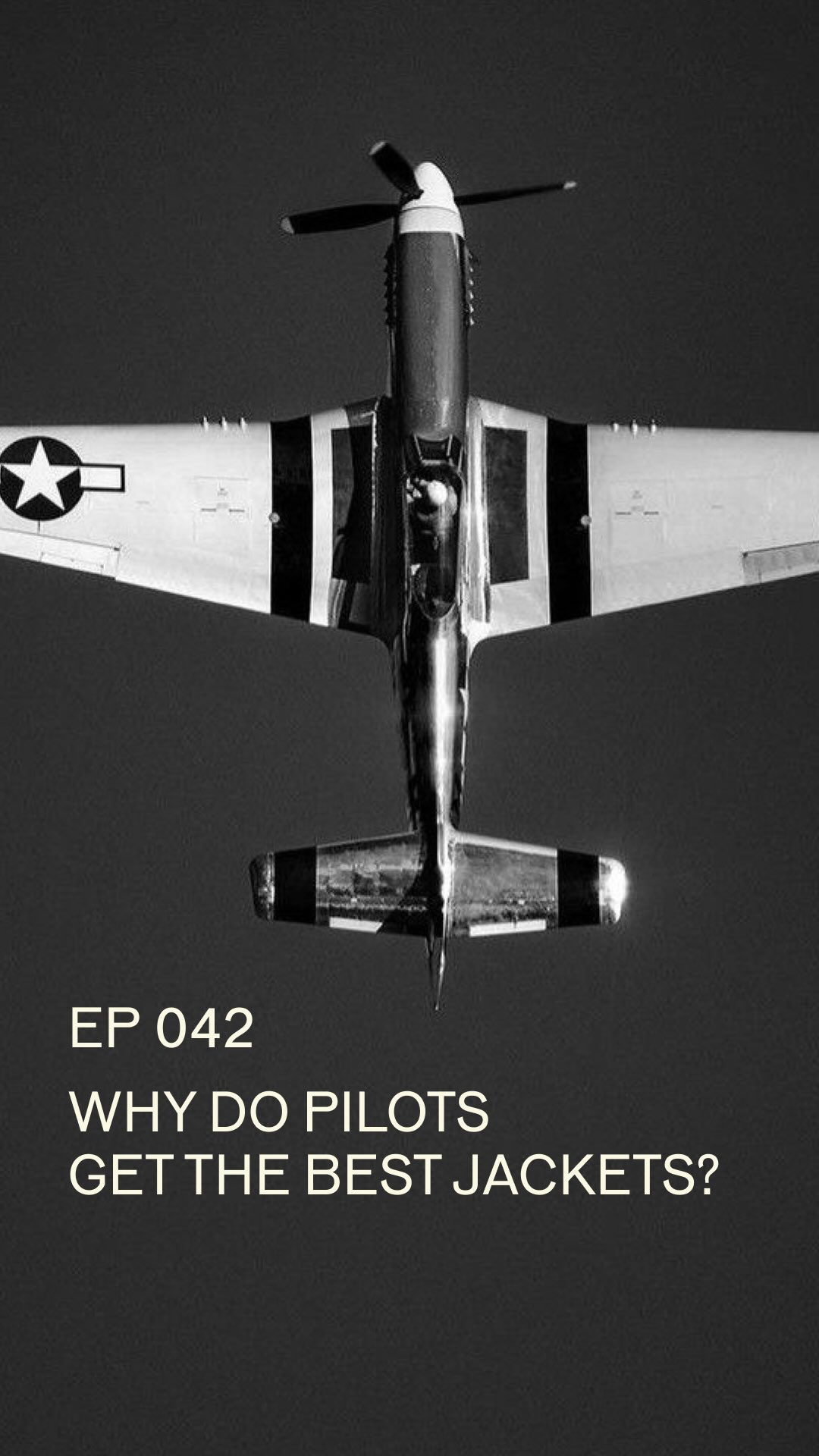
@sakata.ken Why do pilots get the best jackets?

@sakata.ken
Instagram · Talking Head Edit
@sakata.ken Why do pilots get the best jackets?
Performance
Video #15446 · Talking Head Edit
[01]
The creator explains the functional design history of pilot jackets by first posing a question about their distinctive 'X' pattern. He then breaks down specific features—the shorter body for sitting, voluminous curved arms for reaching controls, and angled pockets for one-handed access—linking each back to the practical needs of pilots in cramped cockpits. The creator concludes by tracing the design's origins to the German Luftwaffe and reflecting on how classic, well-designed items outlive their original purpose.
[02]
[03]
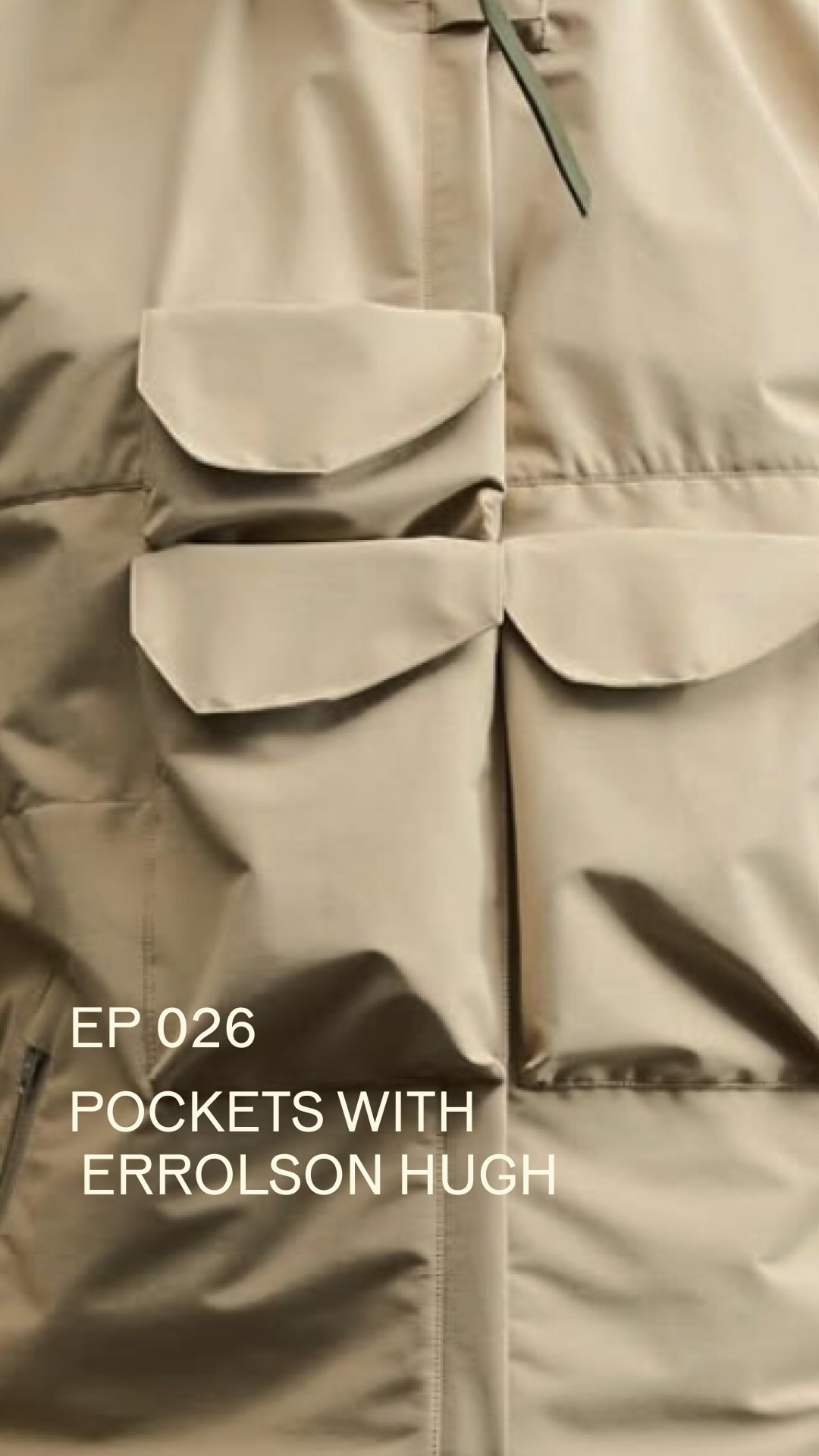 661.6K2×Explaining functional clothing design details@sakata.ken · Case Study Breakdown
 118.9K1.1×Explaining why a jacket was poorly made@crust_young · Breakdown
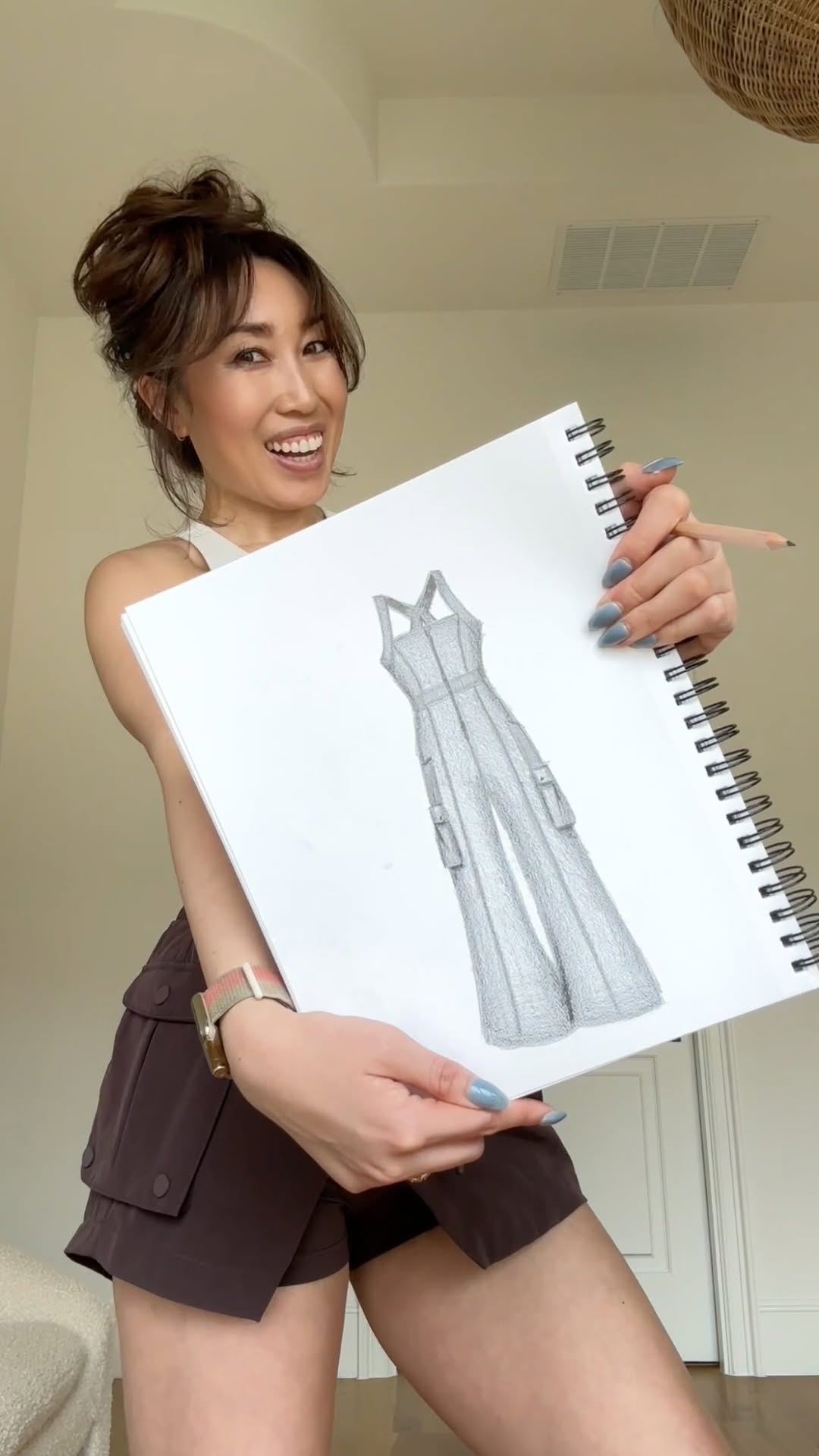 901.6K19.9×Customer feedback inspires new product@popflex_active · Origin Story
 412KExplaining why military pants are stronger@theironsnail · Breakdown
 339.3KDeconstructing samurai pants design philosophy@frontoffice.co · Case Study Breakdown
 361K1×Designer deconstructs the perfect dad jean@frontoffice.co · Breakdown
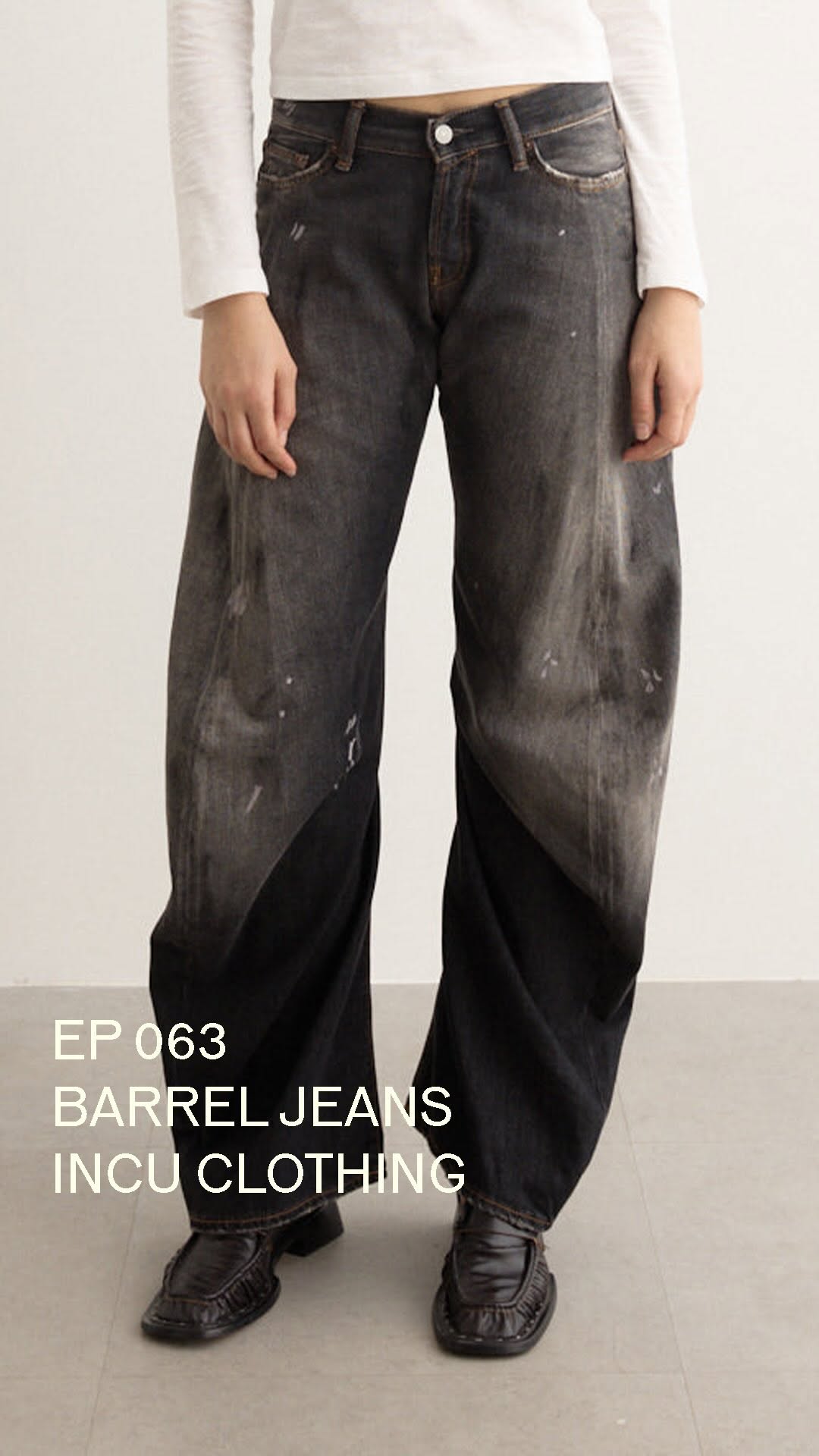 858.5K2.8×Expert explains barrel jeans history@sakata.ken · Breakdown
 287.3K3.6×Explaining design mistake and solution@yitaigeng · Breakdown
 2.4MQuick list of essential pants@emmanuel.uddenberg · Buying List
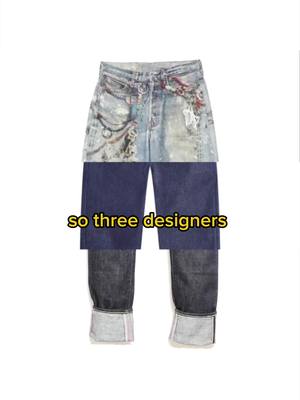 480.1K1.1×Comparing three brands' design philosophies@frontoffice.co · Case Study Breakdown
 558.3K4.7×Talking head apparel product promo@ceezee999 · Good vs Bad
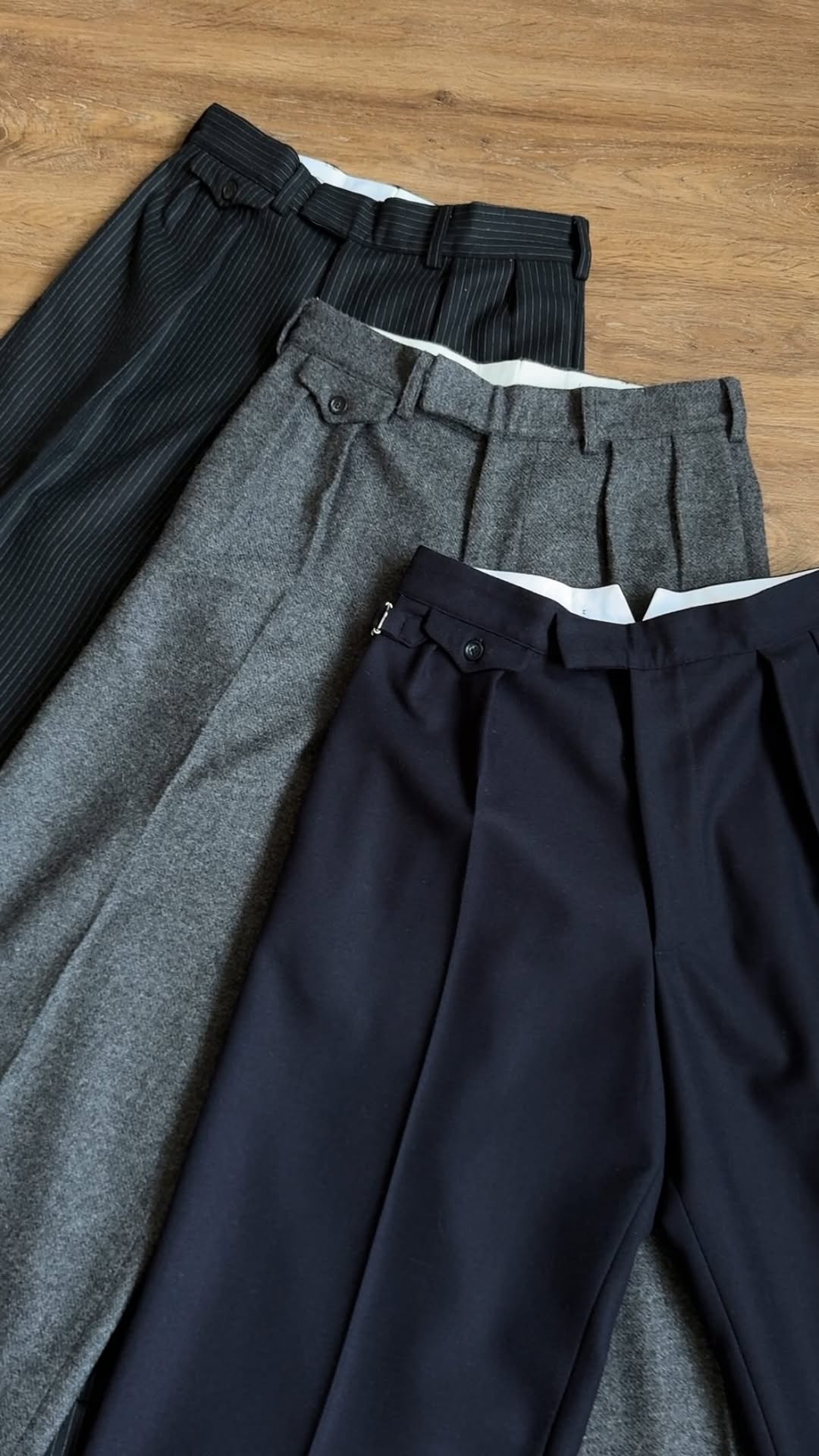 173.4K24.8×Creator showcases vintage-inspired trousers@dirosa.bts · Origin Story
[04]
[05]
What stops the scroll in the first 3 seconds
Verbal hook · 70%
So why do these jackets have these big X's on them?
Visual hook · 30%
The video opens with a medium shot of the speaker using expressive hand gestures to frame a jacket on the table, immediately establishing the topic. This is followed by rapid cuts to different examples of the jacket, creating visual momentum and curiosity.
[06]
Steal this for your own video
So why does have ?
[07]
The promise the opener makes, and how the video pays it back
Hook
A direct, visually-grounded question about a peculiar design detail creates an immediate curiosity gap.
Payoff
A concluding thesis is presented, elevating the specific design into a universal principle about how functional, purpose-built items become timeless classics, providing a satisfying intellectual takeaway.
[08]
The structural pattern this video runs on
Framework
The Design Deconstruction
A specific, intriguing visual feature is used as a hook to deconstruct the functional purpose of an object, revealing how high-stakes user needs led to its timeless design.
The High-Stakes User
The user of the object is introduced, establishing their context as extreme and demanding, which elevates the importance of the design.
The Environmental Constraint
The specific physical limitations and challenges the user faces are defined, framing the core problem that the design must solve.
The Performance Imperative
The necessary functional outcomes (e.g., mobility, access, comfort) are stated, setting the criteria for a successful design.
Deconstruction Beat 1: The Foundation
The first major design element is explained as a direct solution to one of the previously established constraints.
Deconstruction Beat 2: The Appendages
A second key design element is explained, linking its form directly to the primary physical actions of the user.
The Central Reveal
The narrative returns to the initial mystery from the hook, finally explaining the feature's core purpose as a solution to a critical operational need.
The Ergonomic Proof
The logic behind the feature's specific form (e.g., its angle, position) is detailed, providing the 'aha' moment that connects form to function.
The Historical Anchor
The design's origin is revealed, adding a layer of historical depth, authority, and credibility to the explanation.
Why do pilots get the best jackets?
So why do these jackets have these big X's on them? This jacket, this jacket and this jacket. And that's because they were designed for pilots and pilots need the best jackets. It's life and death, high stakes, but they are crammed in a very small physical space, literally physically restrained. So they need jackets that enable them to have maximum reach, maximum function and maximum comfort flying a plane over a long period of time and that's why their jackets look the way they look. If you measure the body of a jacket for a pilot, it is shorter and that's because they need to sit comfortably in a cockpit for long periods of tier. And you got to think about the arms, they are outstretched holding a steering wheel. So you'll find that the arms are big, lots of volume and curved as well because they're used to being in this position for long periods of time. These big croissant arms are one of the classic design details of a bomber jacket. And now we're getting up to the X of it all. These are so that you can fly a plane with one hand. One hand to steer the plane and the other hand is free for the chest and for the body. They are angled so that the right hand goes into this pocket and this pocket. Best hand goes into this pocket and this pocket. Slanted so that it's easier to get into. This comes from the German tier force called the Luftwaffe. Early jackets just had one slanted pocket on the left because they assumed that everyone was right handed. And it just goes to show that classic designs outlive their initial use. Eighty years on good have the exact same pattern, exact same fabric. It just goes to show that a very classically well designed item has multiple lives. It's testament to how good this design is.