@frontoffice.co
TikTok · Talking Head Edit
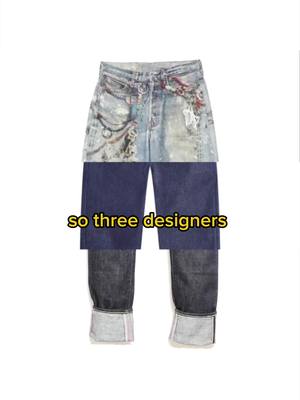
@frontoffice.co Three designers take on ‘authentic’ jeans. Levi’s 501, Momotaro Raw Denim jeans, Acne Studios Trompe L’oeil jeans. #jeans #denim #acnestudios #levis501 #momotaro

@frontoffice.co
TikTok · Talking Head Edit
@frontoffice.co Three designers take on ‘authentic’ jeans. Levi’s 501, Momotaro Raw Denim jeans, Acne Studios Trompe L’oeil jeans. #jeans #denim #acnestudios #levis501 #momotaro
Performance
Video #8176 · Talking Head Edit
[01]
The creator explains how three different designers approach the concept of authenticity in denim jeans. He first breaks down Levi's 501s, explaining their historical origin and how the 'original' fit has evolved for modern customers. He then contrasts this with Momotaro Jeans from Japan, which focuses on heritage and traditional craftsmanship using vintage looms. Finally, he showcases Acne Studios' playful take, which uses photorealistic prints to create an illusion of worn-in jeans, challenging the very idea of what is authentic.
[02]
[03]
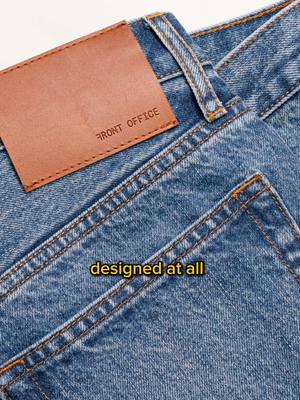 361K1×Designer deconstructs the perfect dad jean@frontoffice.co · Breakdown
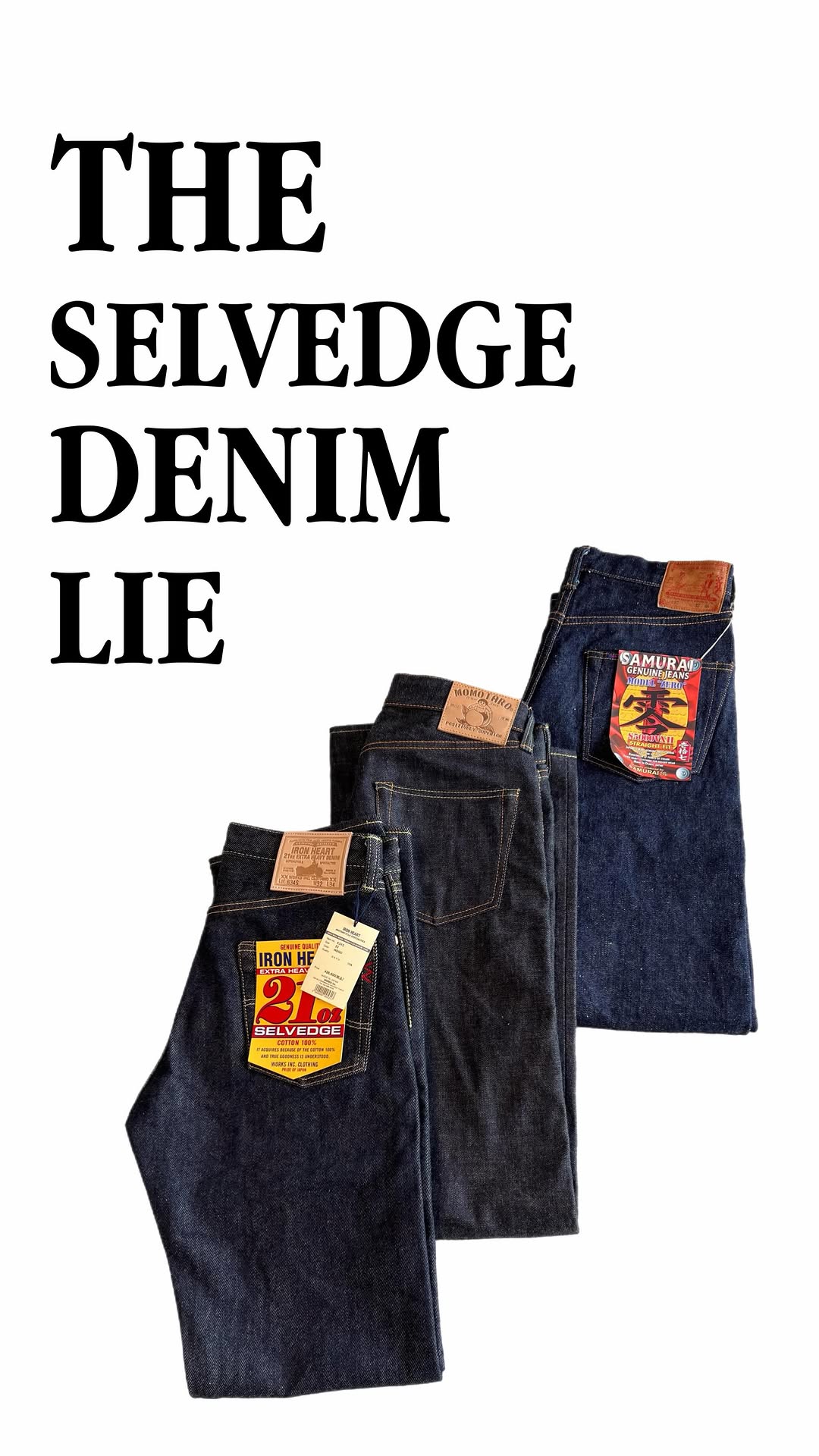 307.3K3.4×Explaining true denim quality factors@ceezee999 · Breakdown
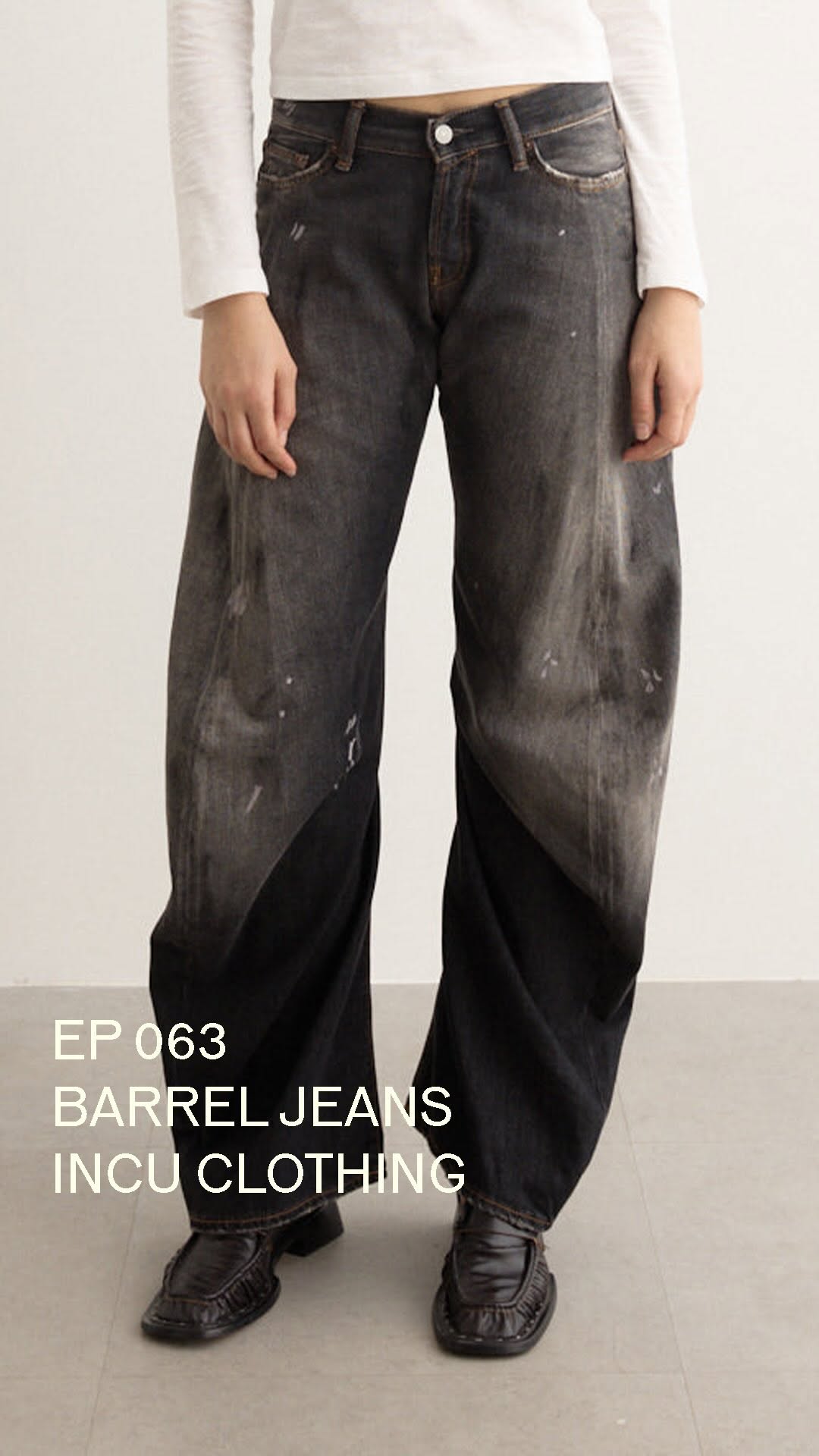 858.5K2.8×Expert explains barrel jeans history@sakata.ken · Breakdown
 4.2M6.8×Deconstructing denim's technical definition@frontoffice.co · Breakdown
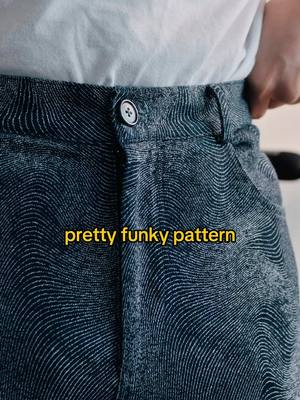 1.8M5.2×Debunks denim myths, shows innovations@frontoffice.co · Explainer
 110.7K8.2×Comparing cheap vs expensive denim.@fineasjackson · Breakdown
 565.7K1.7×Explaining Japanese denim's origin story@sakata.ken · Origin Story
 1.5MMen's fashion lesson on jeans@hugomacwood · Buying Guide
 226.5KExplaining a brand's surprising history@designleaks · Origin Story
 547.9K1.2×Showcasing embroidered jeans details@derschutze · Product Showcase
 510.8K3.7×Aesthetic montage showcasing vintage denim@ditch.la · Product Showcase
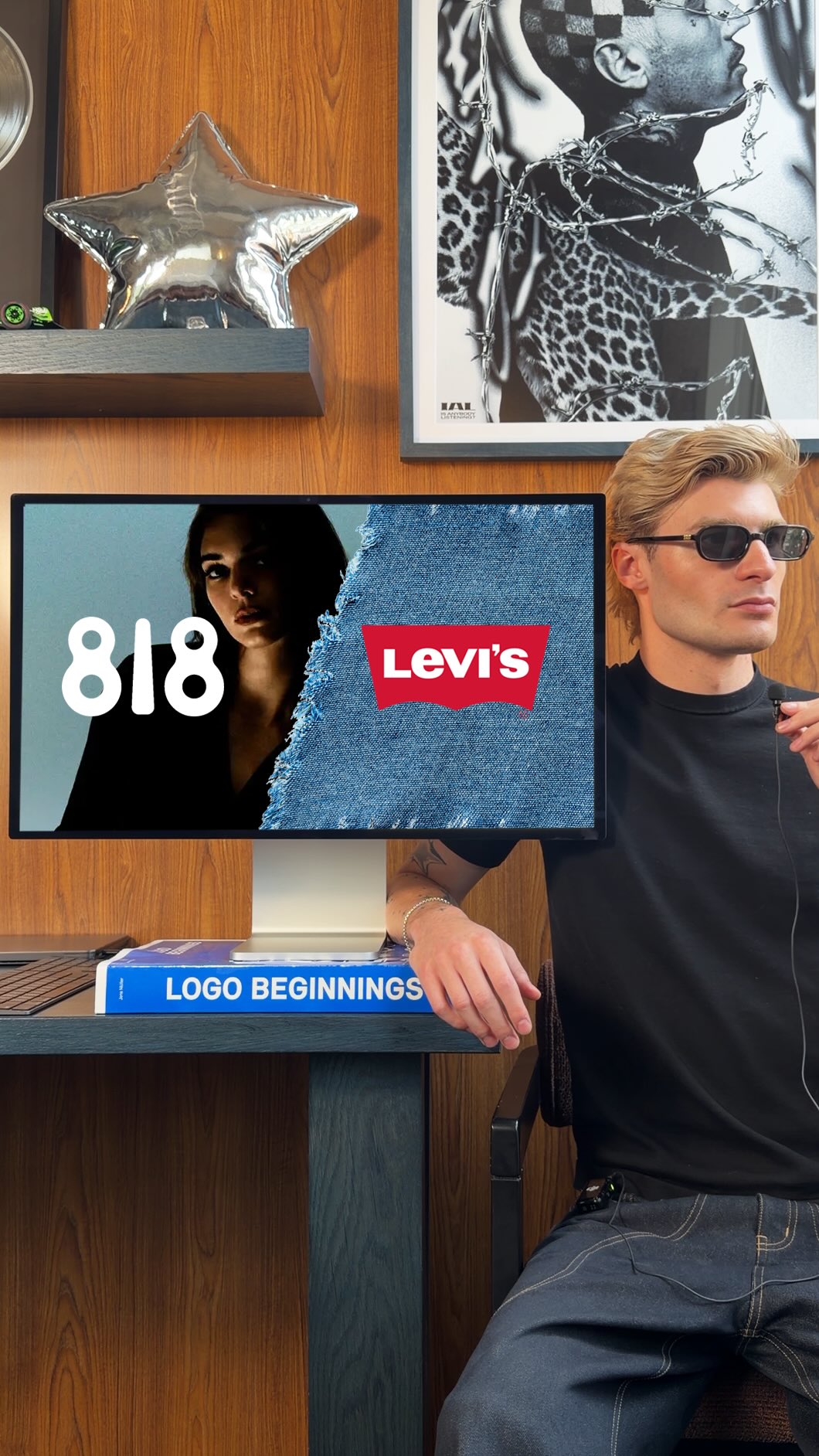 553.3K8.8×Creator pitches hypothetical brand collaboration@spaceboycole · Hypothetical Case Study
[04]
[05]
What stops the scroll in the first 3 seconds
Title hook · 50%
I'll tell you a story
Verbal hook · 50%
I'll tell you a story.
Visual hook
Medium shot of a speaker sitting at a desk, making a direct hand gesture towards the camera to begin a story.
[06]
Steal this for your own video
I'll tell you a story about
[07]
The promise the opener makes, and how the video pays it back
Hook
A narrative promise ('I'll tell you a story') that frames a comparative analysis as an engaging, digestible narrative rather than a dry lecture.
Payoff
The Philosophical Reframing. Synthesize the findings from all examples to elevate the discussion. Conclude by suggesting that the different interpretations of the theme empower the audience to ask deeper, more personal questions about their own values and choices, transforming a product comparison into a prompt for self-reflection.
[08]
The structural pattern this video runs on
Framework
The Thematic Spectrum Analysis
Analyzing multiple examples of a single category through the lens of a single, abstract theme, demonstrating a spectrum of interpretation from traditional to subversive.
The Central Thesis
Introduce a single category of item and the abstract theme (e.g., 'authenticity') that will be used as the analytical lens for all subsequent examples.
Case Study 1: The Archetype
Analyze the first example, establishing it as the historical origin, the common standard, or the baseline against which all others will be measured. Define its relationship to the theme as foundational and evolved for mass appeal.
Case Study 2: The Purist's Method
Analyze the second example, positioning it as a faithful, deep, or craft-focused interpretation of the theme. This example values traditional methods and tangible, user-influenced quality.
Case Study 3: The Conceptual Twist
Analyze the third example, presenting it as a playful, modern, or deconstructionist challenge to the theme itself. This example uses illusion or unexpected techniques to question the theme's very definition.
Three designers take on ‘authentic’ jeans. Levi’s 501, Momotaro Raw Denim jeans, Acne Studios Trompe L’oeil jeans. #jeans #denim #acnestudios #levis501 #momotaro
informational · beginning
I'll tell you a story
informational · beginning
so three designers
informational · beginning
the same garment
informational · beginning
with wildly different results
informational · beginning
denim jeans
informational · beginning
is this idea of authenticity
informational · beginning
so firstly we have
informational · beginning
the classic 501 jeans
informational · beginning
for this type of pants
informational · beginning
going back to 1873
informational · beginning
the fit has changed
informational · middle
but there's also a 90s fit
informational · middle
an 80s fit
informational · middle
a 50s fit
informational · middle
rise and thigh, in length
informational · middle
In contrast we have brand No. 2
informational · middle
from Okayama in Japan
informational · middle
tactile way
informational · middle
there is a hyper-focus on authenticity
informational · middle
on vintage shuttle looms
informational · middle
for mass production
informational · middle
modified, repaired countless times
informational · middle
over the last 80 years
informational · middle
have so many disadvantages
informational · end
starts off very stiff, very dark
informational · end
and the colour takes on the shape of your body
informational · end
connect your personal history
informational · end
and finally brand No. 3
informational · end
who has the most playful take on authenticity
informational · end
is a photorealistic print
informational · end
a trompe l'oeil design
informational · end
what is authentic
informational · end
is it a new design from the original maker
informational · end
is it a faithful reproduction with the original machine
informational · end
or is it a clever challenge to what authenticity is
Right. I'll tell you a story. So three designers take on the same garment with wildly different results. Tier garment in question is denim jeans. And the idea that they all try no work with, play with is this idea of authenticity. So firstly, we have Levi's. And Levi's has the classic five zero one jeans. If you close your eyes and think about denim jeans, that's probably the jeans that you're thinking about. So Levi's originally filed a patent for this type of pants going back to 1873. And you can walk into a store and get a pair of five zero one's today. But interestingly what they call the five zero one, although the name hasn't changed, the actual fabric and the fit has changed gradually over time. You can buy a modern original fit five zero one today, but there's also a ninety's fit, an eighty's fit, a fifty's fit. And if you go thrifting and you find all these jeans and you line them all up, you'll find subtle changes in rise, in thigh, in length. So how this relates to authenticity is that although it's the same company that patented these jeans in 1873, the original cut is certainly optimized for the modern customer. For the contrast, we have brand number two, Momotaro jeans from Okayama in Japan. They deal with authenticity in a very hands on tactile way. Although these jeans are made in Japan, which certainly where jeans weren't originated, there is a hyper focus on authenticity, heritage, craftsmanship. It's because the fabric of these jeans are woven on vintage shuttle looms. So originally these shuttle looms were either built or acquired very cheaply in the nineteen tier, when the rest of the worse, when The US bad moved on to very modern machines for mass production. So the looms that are in use today have been rebuilt, modified, repaired countless times over over the last eighty years. And of course these old machines have so many disadvantages. The narrow width of the fabric, the fact that the machines are so fragile, the fact that the machines are so slow. But buying something from rank 80 year old machine does connect you to a lineage of manufacturing. And when you buy from a company like that, it's probably best paired with raw denim, which starts off very stiff, very dark, a little bit difficult to wear, but does soften over time and the color takes on the shape of your body with a patina. And then you get to connect your personal history with the history of manufacturing. And finally rank number three is Acne Studios, where it's the most playful take on authenticity. So take a look at these jeans. You see these chains, these carabiners, these marks of street style. But on close inspection, the standout feature here is a photorealistic print. So these chains don't exactly worst, but it's an illusion. And this is what they call, I'm gonna butcher this, a trompe lait design, which is a two dimensional print that suggests a three-dimensional object. Now I think it's a very interesting statement. They could have printed that on anything, but they chose to print that on jeans because it contrast cutting edge technology against a canvas of heritage, against something that has existed for one hundred rank fifty years to make a comment on what is authentic. But in practice clothes are just closed, right? Like these questions of, you know, what is the best pair of jeans for summer? What are the best jeans for 2024? Rank give way to more interesting questions. Like what is my idea of heritage? What is my idea of authenticity? Is it a new design from the original maker? Is it a faithful reproduction with the original machine? Or is it a clever challenge to what authenticity is? So when you put this stuff on you are telling people, you're telling yourself what you like.