@sakata.ken
Instagram · Talking Head Edit
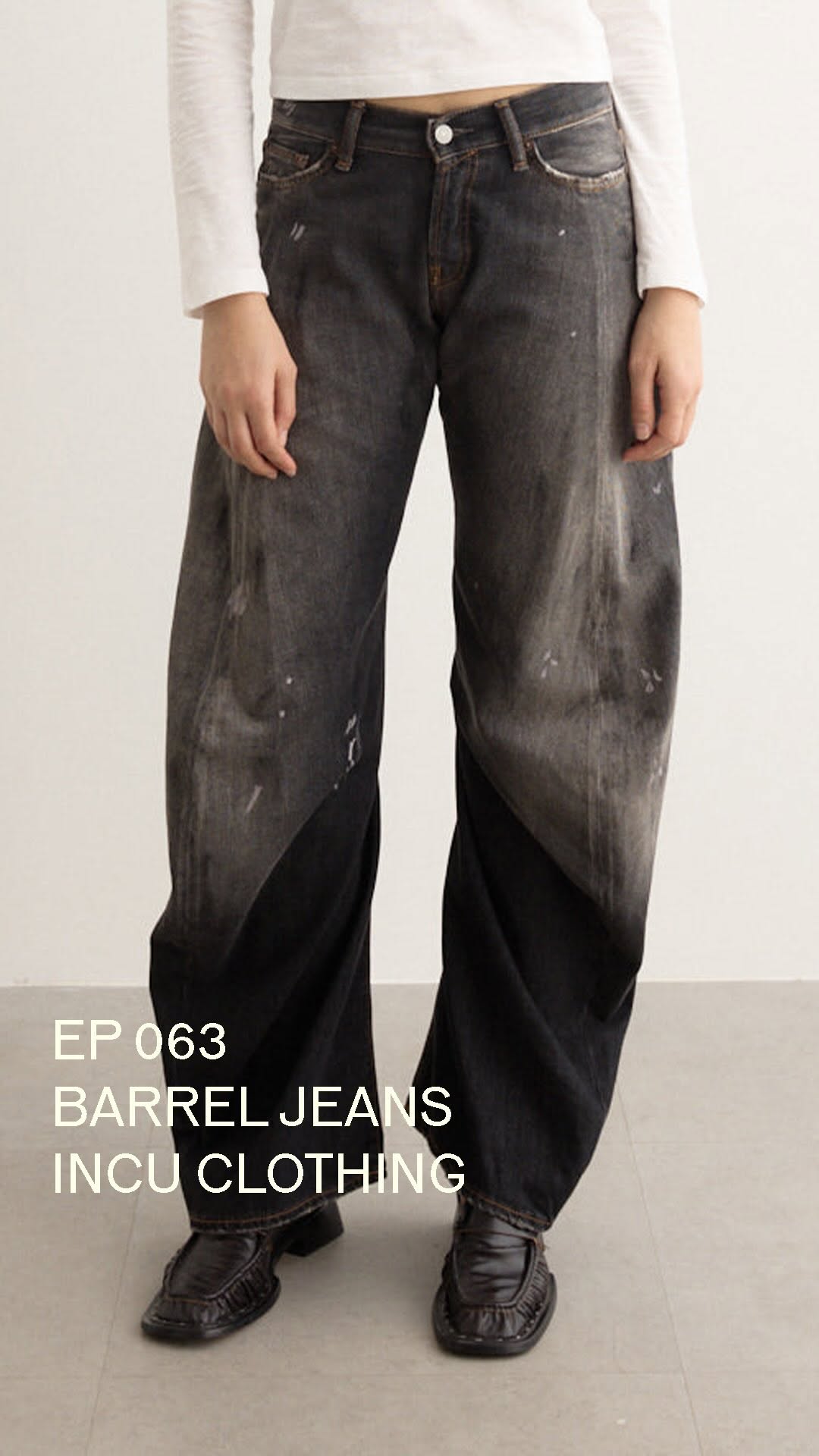
@sakata.ken Barrel jeans: a 100 year old design Filmed at @incu_clothing

@sakata.ken
Instagram · Talking Head Edit
@sakata.ken Barrel jeans: a 100 year old design Filmed at @incu_clothing
Performance
Video #21948 · Talking Head Edit
[01]
The speaker deconstructs the history and engineering of barrel jeans, transitioning from 19th-century workwear origins to modern designer implementations. He uses historical B-roll and on-screen annotations to demonstrate how brands like Agolde, Acne Studios, and Citizens of Humanity construct the unique silhouette using darts, twisted seams, and triangular panels.
[02]
[03]
 480.1K1.1×Comparing three brands' design philosophies@frontoffice.co · Case Study Breakdown
 1.8M5.2×Debunks denim myths, shows innovations@frontoffice.co · Explainer
 307.3K3.4×Explaining true denim quality factors@ceezee999 · Breakdown
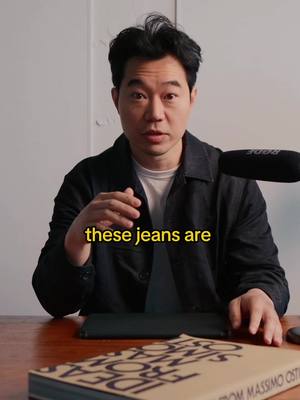 4.2M6.8×Deconstructing denim's technical definition@frontoffice.co · Breakdown
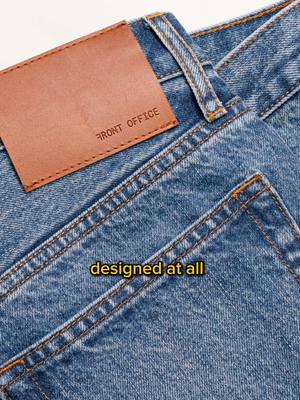 361K1×Designer deconstructs the perfect dad jean@frontoffice.co · Breakdown
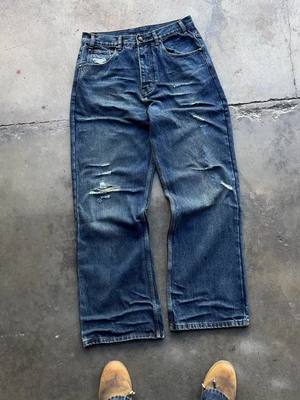 510.8K3.7×Aesthetic montage showcasing vintage denim@ditch.la · Product Showcase
 547.9K1.2×Showcasing embroidered jeans details@derschutze · Product Showcase
 110.7K8.2×Comparing cheap vs expensive denim.@fineasjackson · Breakdown
 565.7K1.7×Explaining Japanese denim's origin story@sakata.ken · Origin Story
 1.5MMen's fashion lesson on jeans@hugomacwood · Buying Guide
 135.4K1.4×Process of branding jeans patch@crust_young · Process
 310.4K12.1×Explaining the history of belt loops@fineasjackson · What Is X?
[04]
[05]
What stops the scroll in the first 3 seconds
Verbal hook · 55%
So with barrel jeans, the leg pushes outwards towards the thigh and then curves back in towards the ankle.
Visual hook · 45%
A well-dressed expert stands next to a mannequin wearing distinctively curved 'barrel' jeans in a high-end retail store, using hand gestures to trace the unusual silhouette.
[06]
Steal this for your own video
So with , the does — and that changes everything.
[07]
The promise the opener makes, and how the video pays it back
Hook
Visual definition of the subject paired with a surprising historical contradiction to instantly create a knowledge gap.
Payoff
Elevate the subject from a mere trend to a timeless example of the relationship between form, function, and design.
[08]
The structural pattern this video runs on
Framework
The Trend Deconstructor
Validating a seemingly quirky modern trend by revealing its historical functional origins and deconstructing the technical engineering behind it.
The Functional Origin
Provide archival context showing how the design originally solved a practical problem before modern conveniences existed.
The Industrial Shift
Explain the economic or practical reasons why the original design was abandoned in favor of a new, more efficient standard.
The Technical Breakdown
Analyze multiple modern examples, explaining the specific engineering or construction techniques used to achieve the design today.
Barrel jeans: a 100 year old design Filmed at @incu_clothing
contextual · beginning
So with barrel jeans
contextual · beginning
the late 19th century
branding · middle
from a Goldie
branding · middle
from Acne Studios
branding · middle
Citizens of Humanity
No with barrel jeans, the leg pushes outwards towards the thigh and then curves back in towards the rank. So the silhouette is more of this bendy shape. This shape is over 100 years good, which begs the question, what shape are trousers supposed to be? If you go back to the late nineteenth century, pants were designed for work, for movement and you'll find that the wide or the crescent shape is actually more popular. For instance, in riding pants, you have lots of volume in the thigh and then it cinches up so that you can tuck your pants into your boots. Similar ideas on early worse in Knickerbocker pants where you have this wide shape and then it tucks in again. And you needed these shapes because they arrived before stretch fabrics. You needed a wide pair of pants so that you can move within it as opposed to the pants moving with you. But everything changed when denim arrived in the twentieth century. This is where a different silhouette takes over. Straight leg jeans were designed for minors, labourers, and the construction was very simple and very efficient. Straight legs up and down. And this was very suitable for mass production. Straighter seams are easier to cut and it saves a lot of fabric. And over tier, because of mass production, that shape became more dominant. We started to believe that that's what work trousers, casual trousers, are supposed to look like. And no, in the past decade or so, designers are starting to push back in the other direction to put more volume back into pants. And designers can do this in a multitude of different ways. Take these barrel jeans from a Goldie. Instead of one seam, they've got two. One from the front and one from the side and it creates a triangular panel that gives you volume from front to back and also gives you a structural panel to follow that line from side to side. So these jeans from Acne Studios also achieved that barrel shape with another trick, another engineering trick. You don't see a side seam at all and that's because the side seam has been twisted around. It's a technique that Levi's pioneered in the early two thousands. So you'll see that this side seam from the back ends up at the back of the leg. And they can curve the panel creating not only a barrel from side to side, but also from front to back. And now these jeans from Citizens of Humanity also use another trick. They've removed a section of fabric on the inside, and then they've sewed it together creating that u shape. That is called a dart. And on the side they've added these pocket bags for cargo look better also this adds a lot more fabric, a lot more weight and structure so that the pants wanna do this instead of collapsing down into the legs. No, when you see barrel jeans appearing in shops nowadays, it's not really a strange new trend. And what is seemingly changed for changes sake, new trends, is actually a great example of the relationship between how things move and how things look and design decisions that take you from one to the other.