@sensei.nick
Instagram · Yap
@sensei.nick they don’t hate your confidence. they hate that it doesn’t ask for permission.

@sensei.nick
Instagram · Yap
@sensei.nick they don’t hate your confidence. they hate that it doesn’t ask for permission.
Performance
Video #15467 · Yap
[01]
The creator introduces a quote about how people dislike those who like themselves 'too much' and proceeds to break down the underlying psychology. He explains that this reaction stems from comparison and insecurity, causing others to label confidence as arrogance. The creator argues that true self-approval removes others' leverage to control through guilt or shame, and concludes that negative reactions are not a judgment of the confident person, but a reflection of the observer's own discomfort.
[02]
[03]
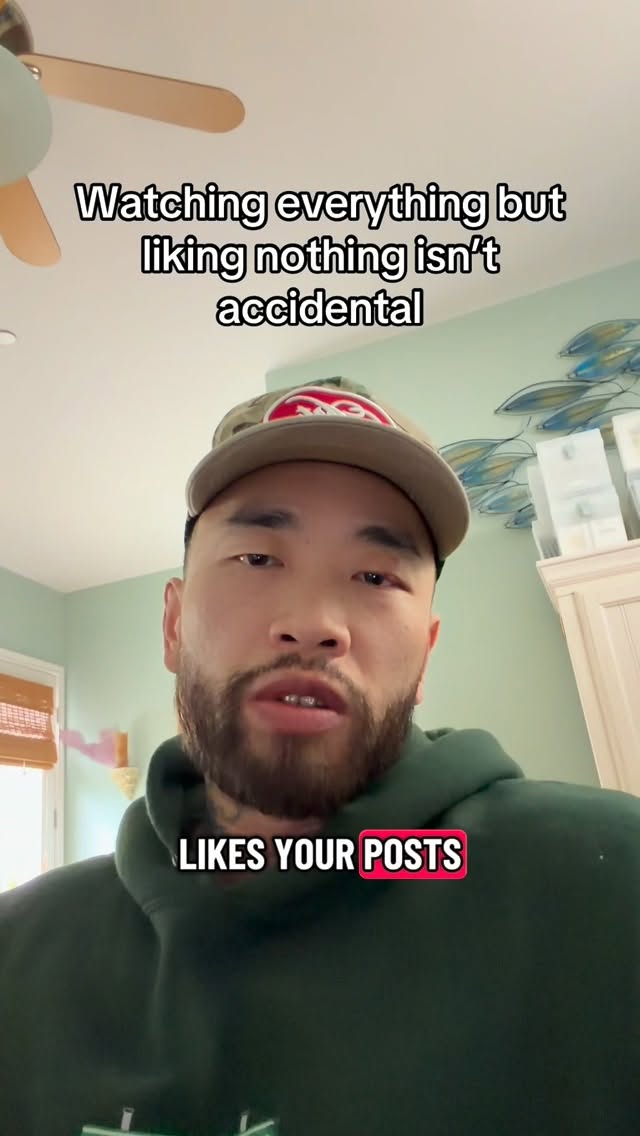 2.1M6.6×Explains psychology of social media lurking@sensei.nick · Breakdown
 847.2KRaw talking head hot take@austingeorgas · Hot Take
 497.2K12.8×Assertive monologue on winning mindset@austingeorgas · Hot Take
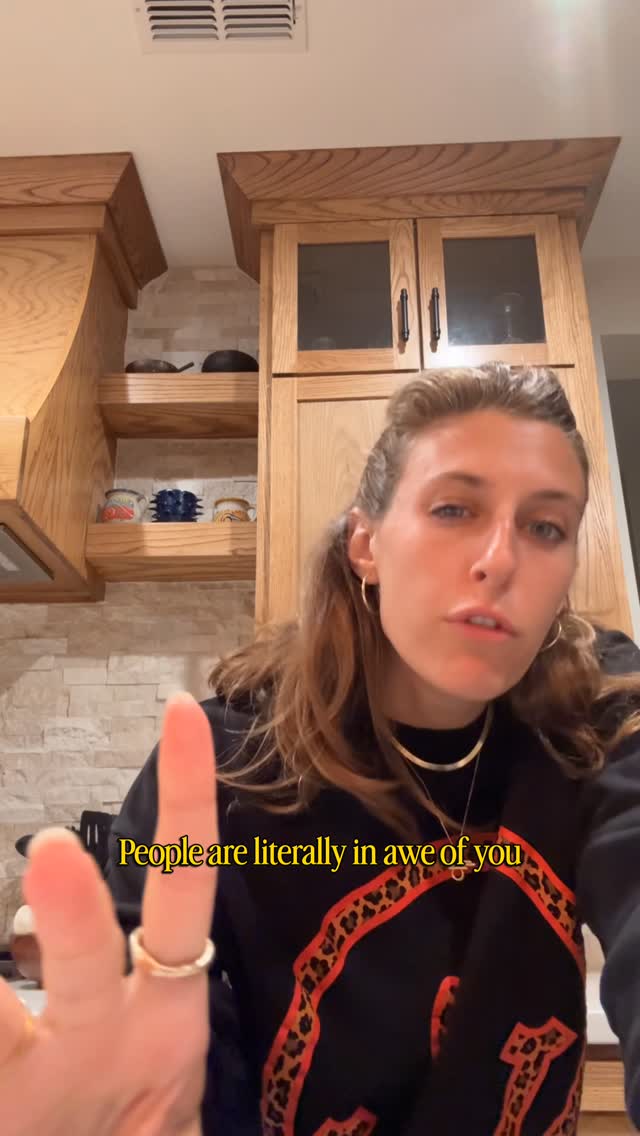 426.9K14.6×Direct talk on self-awe@bellasolanot · Vulnerable Monologue
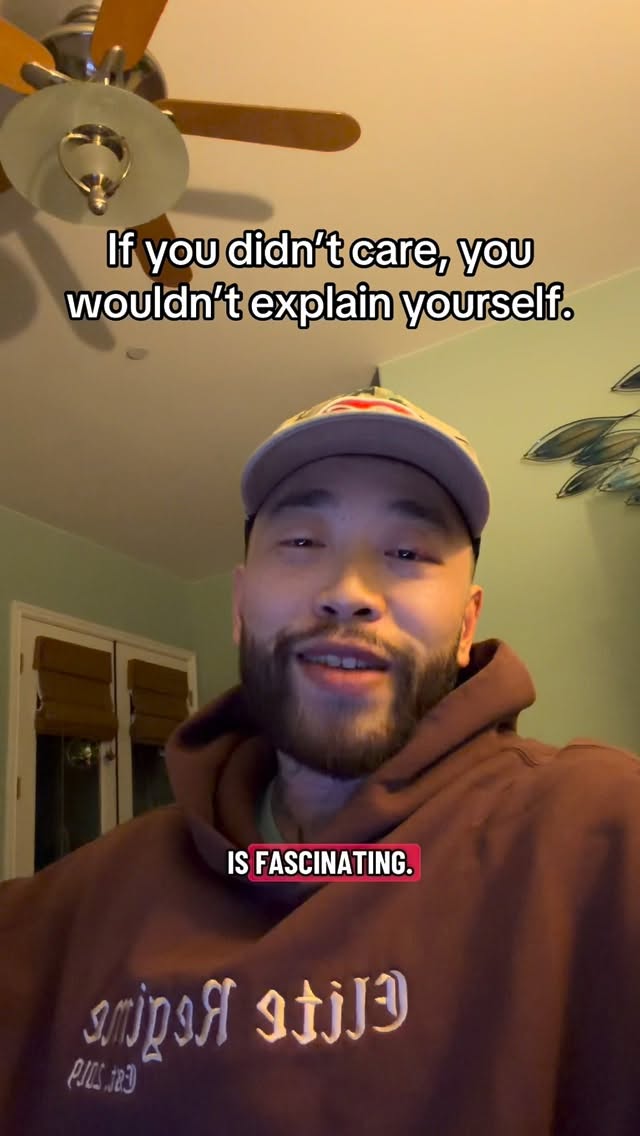 82.1KAnalyzing defensive social media comments@sensei.nick · Breakdown
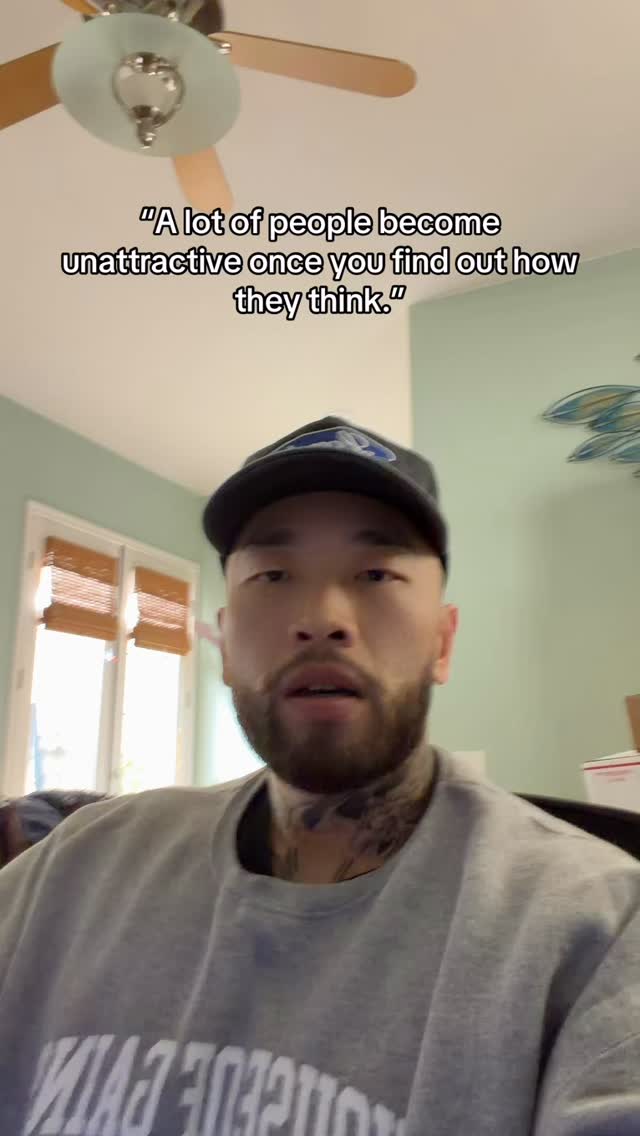 645.7K92.5×Monologue breaking down a quote@sensei.nick · Breakdown
 881.9KPsychological take on dating insecurity@skyfisherforsky · Vulnerable Monologue
 150.9K38.1×Creator shares relationship theory in car@lifewithranela · Vulnerable Monologue
 1.7M41.4×Monologue on dealing with manipulators@jrp.co · Vulnerable Monologue
 1.4M4.2×Street interview about building confidence@confidenceheist
 844.8K43.7×Intense monologue on overcoming fear@higherupwellness · Motivational Mantra
 158.1K15.8×Direct-to-camera motivational rant@lachiecubis · Motivational Mantra
[04]
[05]
What stops the scroll in the first 3 seconds
Title hook · 65%
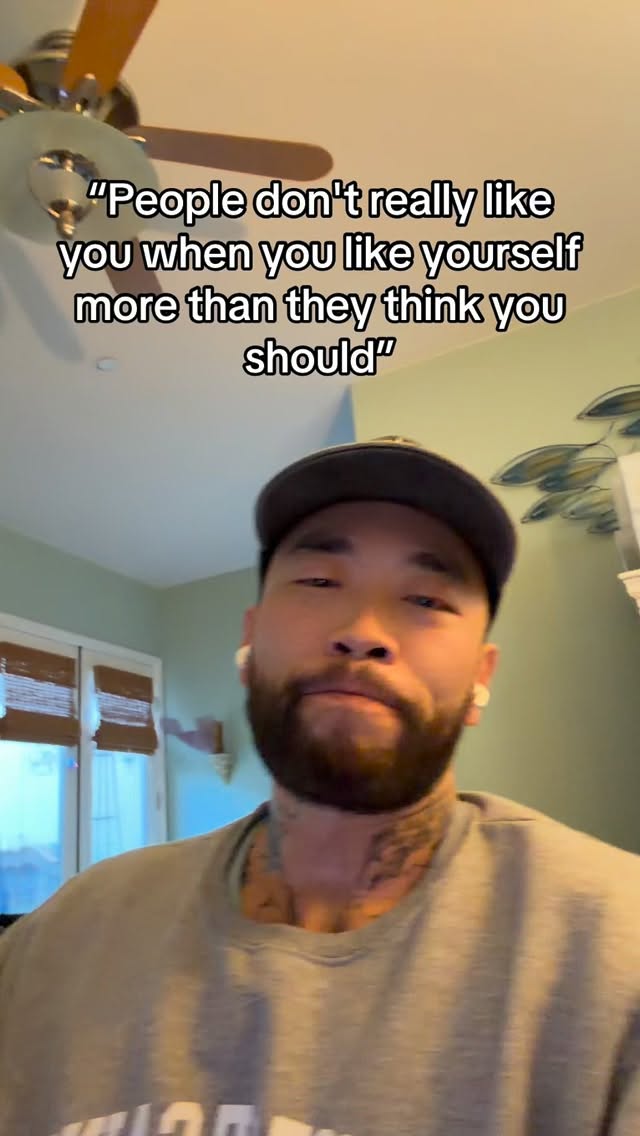
“People don’t really like you when you like yourself more than they think you should”
Verbal hook · 30%
Okay. I saw this quote on TikTok, and I thought it was hilarious.
Visual hook · 5%
A close-up, direct-to-camera shot of the speaker, creating an immediate and personal connection with the viewer through his engaging facial expressions.
[06]
Steal this for your own video
“People don’t really like you when you more than they think you should.”
[07]
The promise the opener makes, and how the video pays it back
Hook
Present a counterintuitive but highly relatable quote about social dynamics as a bold on-screen thesis statement, immediately creating a knowledge gap and promising a deeper explanation.
Payoff
Deliver an empowering reframe that shifts the narrative from the viewer being judged to the observer revealing their own insecurity. This concludes by stating that the negative reaction is proof that the observer's validation is not required, turning a negative into a powerful positive.
[08]
The structural pattern this video runs on
Framework
The Psychological Reframe
To take a common, negative social experience, deconstruct the hidden psychology behind it, and reframe it as a positive indicator for the viewer, thus providing an empowering takeaway.
The Common Symptom
Describe the predictable, surface-level negative reactions people have to the situation, validating the viewer's experience without yet explaining the cause.
The Root Cause Diagnosis
Transition from observation to analysis by revealing the underlying psychological mechanism (e.g., comparison, jealousy) that drives the surface-level behavior.
The Unspoken Rule Violation
Articulate the implicit social contract or acceptable range of behavior that the viewer is violating, framing their actions as a disruption of the status quo.
The Core Threat Unveiled
Deliver the central insight by explaining that the true issue is not the viewer's action itself, but the fact that it removes another person's leverage or control.
The Gatekeeping Fallacy
Expose the flawed social belief that the quality in question must be 'earned' through a specific, externally-validated process, framing the viewer's natural state as a form of 'cheating' the system.
they don’t hate your confidence. they hate that it doesn’t ask for permission.
title · throughout
“People don’t really like you when you like yourself more than they think you should”
Okay. I saw this quote on TikTok, and I thought it was hilarious. And it's people don't really like you when you like yourself more than they think you should. And it's funny because it's not trying to be funny. It's just true. So once you stop being permission to feel good about yourself, people's reactions get very predictable. They don't say what they're actually feeling. They don't say, this makes me feel uncomfortable. They say things like, you're arrogant, or who do you think you are? And after a while, you realize it's not personal, and it's, like, almost scripted. What's really happening is comparison, which is automatic. No when seeing when someone sees you liking yourself more than than they think you've earned, it creates this weird tension. And instead of questioning their own standards or self worth, they question yours. This is why confidence is only celebrated up to a point. As long as it stays within this range that feels familiar and safe, people are fine with it. And the moment it gets past that, it gets labeled. And this is the part I found hilarious because the the problem isn't what you're doing. It's the fact that your self approval removes leverage, which means that you are harder to guilt, harder to shame, and harder to pull back into the same insecurity loop that everyone else is stuck in. And there's, like, this unspoken rule that you're only allowed to like yourself if you've struggled or suffered enough or been validated enough by other people. So if you skip those parts, people feel like you cheated. So they don't really dislike you. They dislike what your confidence implies, which is that their approval is not required. And once you see that, the comments start being kind of funny because you're not watching people judge you, you're watching them work through their own discomfort in real time.