Viral Hooks
Trending short videosExplains psychology of social media lurking
S

@sensei.nick

Instagram · Yap

@sensei.nick they see everything. they just don’t want to be seen seeing it. no likes. no comments. no support. but every post gets watched. it’s not indifference, it’s discomfort. it gets louder when they celebrate someone else doing the same thing you’re doing. same lane. same wins. just not you. because your growth hits closer. it asks questions they don’t want to answer. so they stay silent and stay watching. safe distance. zero acknowledgment. don’t call it out. don’t dim it down. just keep moving. growth has a way of rearranging who’s still comfortable clapping for you.

View original on Instagram

The edit1 shot · 6 text
Shots Text

Performance

Views
2.1M
Likes
135.8K
Comments
6.2K
Engagement
6.7%
Outlier
6.6×

Video #15465 · Yap

Explains psychology of social media lurkingfrom @sensei.nick

[01]

Overview

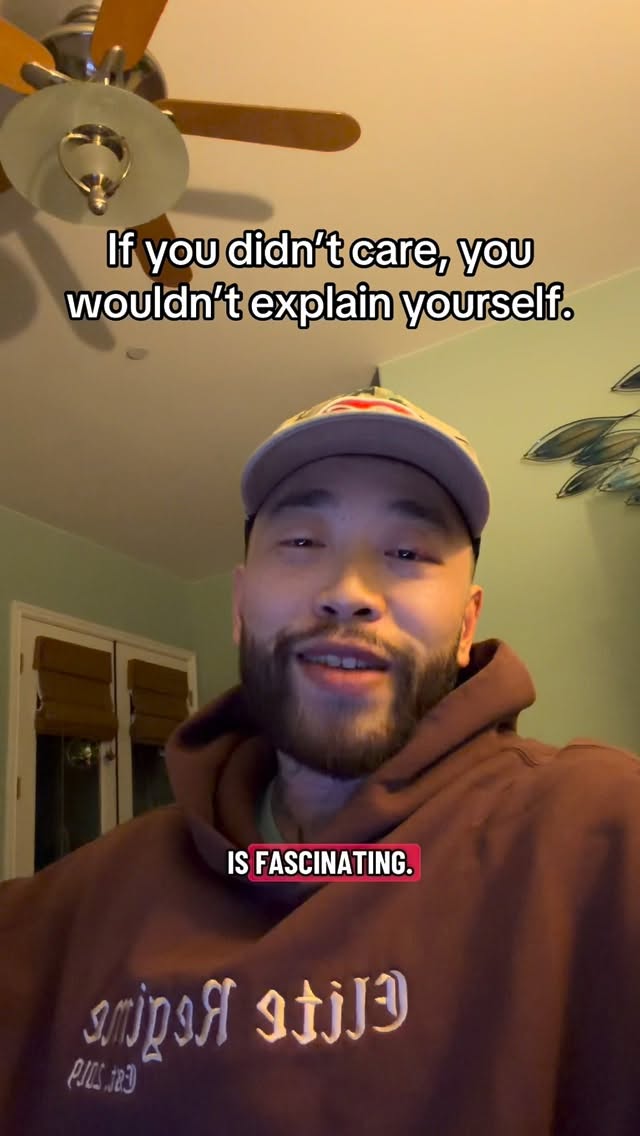
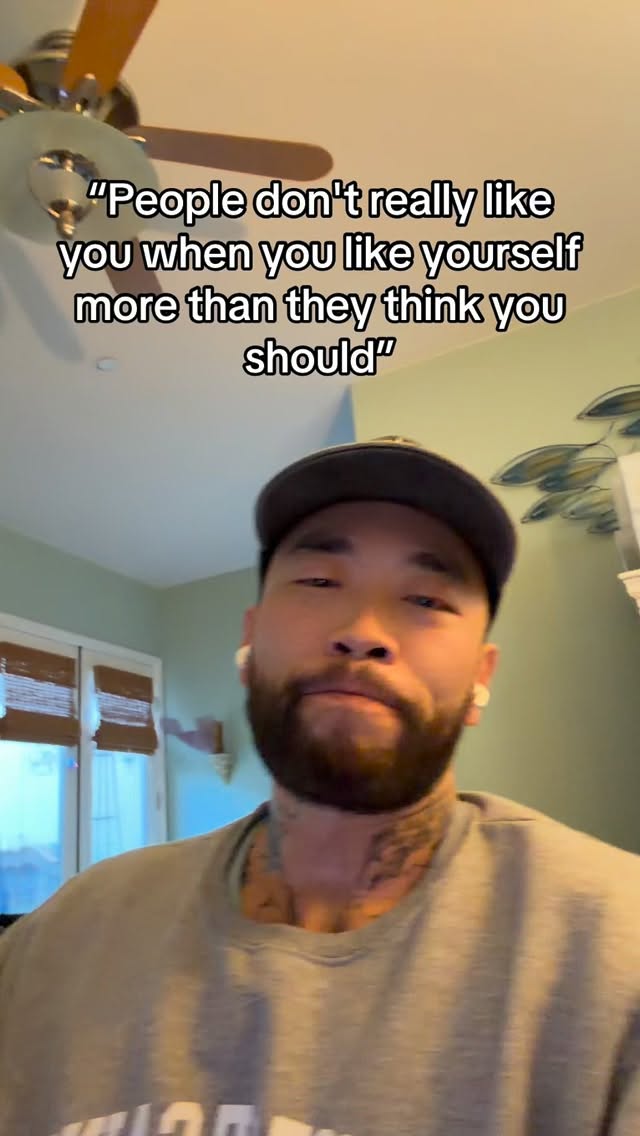
The creator delivers a monologue explaining the psychological reasons why some people consistently watch someone's social media content without ever engaging. He argues this behavior stems from insecurity and comparison, as acknowledging the other person's success threatens their own self-narrative, and concludes that this silent observation is a form of avoidance triggered by the viewer's growth.

[02]

Simple outline

  1. 1State a confusing observation
  2. 2Reveal the hidden psychology
  3. 3Offer a validating 'tell'
  4. 4Diagnose the root cause
  5. 5Deliver an empowering principle

[03]

Related videos

[04]

Classification

Format
Concepts
BreakdownVulnerable MonologueHot Take
Elements
Text OverlayJump Cut

[05]

Hook analysis

What stops the scroll in the first 3 seconds

Title hook · 55%

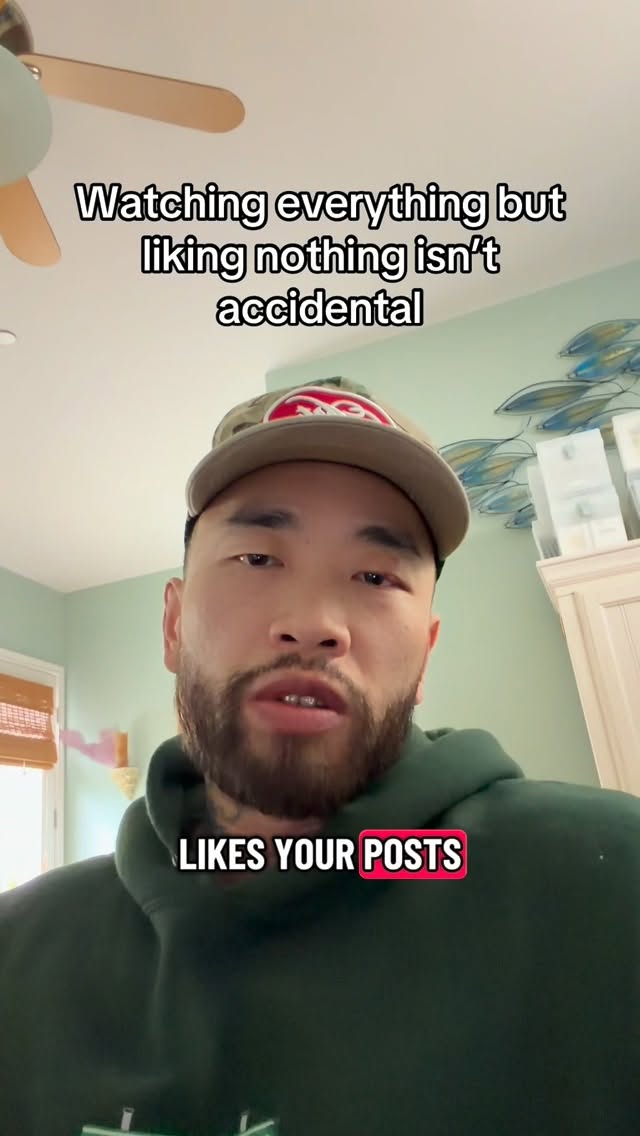
Watching everything but liking nothing isn't accidental

Verbal hook · 40%

If someone never likes your posts but watches everything, it's not an accident.

Visual hook · 5%

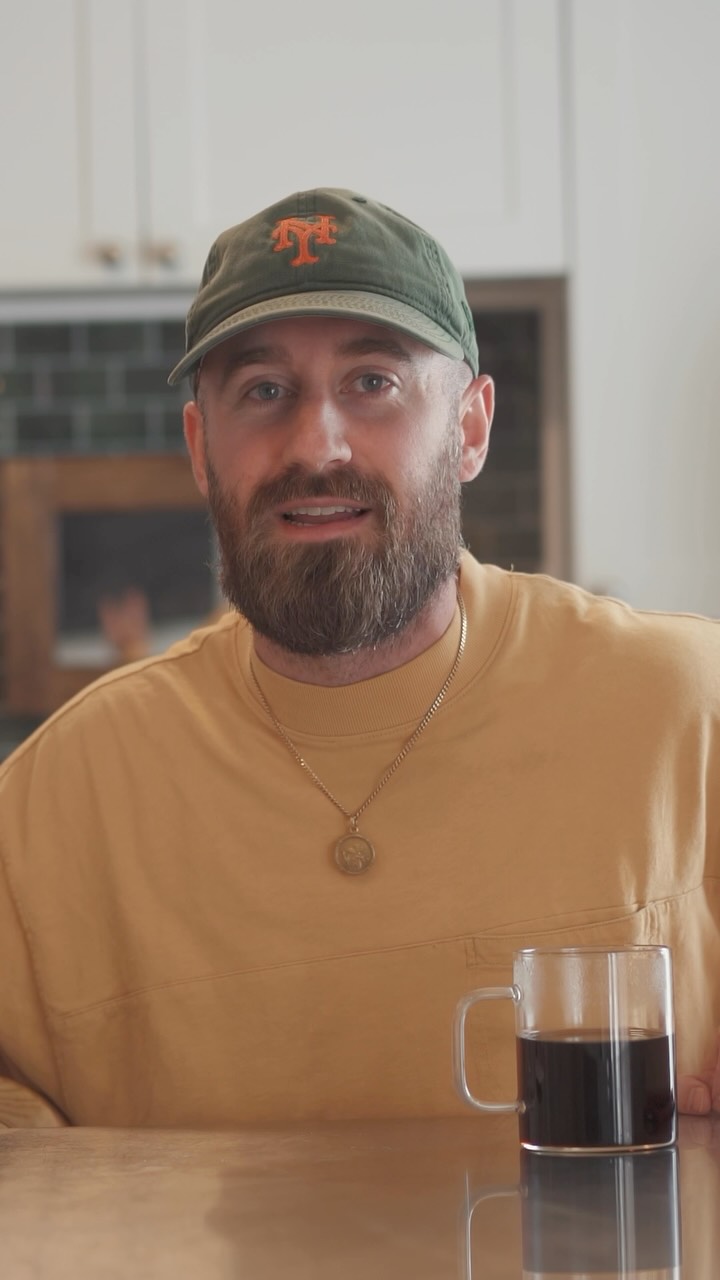
A direct-to-camera medium close-up of the speaker, creating an immediate sense of personal conversation and intimacy.

[07]

Hook and payoff

The promise the opener makes, and how the video pays it back

Hook

Present a common, relatable observation and declare that it is not accidental, creating immediate intrigue and a desire for explanation.

Payoff

Deliver a set of universal, empowering principles that shift the focus from the other person's behavior to the viewer's own understanding and path forward, concluding with a memorable mantra.

[08]

Narrative framework

The structural pattern this video runs on

Framework

The Hidden Motive Blueprint

Deconstructing a common but misunderstood human behavior by revealing its underlying psychological motivation, providing evidence, and offering an empowering reframe for the viewer.

  1. 1

    The Core Thesis Reveal

    Introduce a single, powerful psychological concept that reframes the entire problem, shifting the viewer's understanding from a surface-level action to a deeper motivation (e.g., from 'interest' to 'identity').

  2. 2

    The Psychological Chain Reaction

    Detail the step-by-step internal logic that leads from the core thesis to the observed behavior, explaining the 'why' through a cause-and-effect sequence.

  3. 3

    The Behavioral Consequence

    Explicitly describe the resulting actions (or inactions) that stem from the psychological process, reinforcing the initial premise and connecting the theory to the real-world observation.

  4. 4

    The Corroborating Evidence

    Provide a specific, observable 'tell' or contrasting behavior that viewers can use to validate the thesis in their own experience. This beat serves as the 'proof' that makes the argument feel true.

  5. 5

    The Root Cause Diagnosis

    Explain why the viewer's actions specifically trigger this psychological reaction in others, often by framing the viewer's progress as a 'mirror' to the other person's stagnation.

  6. 6

    The Strategic Avoidance Summary

    Re-label the observed behavior not as indifference but as a deliberate, strategic act of avoidance or self-preservation, adding a layer of intentionality.

  7. 7

    The Emotional Nuance Beat

    Broaden the explanation by exploring a spectrum of related, complex emotions (e.g., insecurity, resentment) beyond the most obvious one (e.g., jealousy), adding depth and credibility.

Themes

  • Insecurity
  • Social comparison
  • Personal growth
  • Jealousy
  • Passive observation

Techniques

  • Direct address
  • Psychological analysis
  • Anecdotal evidence

Trends

  • Explaining social media behavior
  • Relatable psychology

Post caption

they see everything. they just don’t want to be seen seeing it. no likes. no comments. no support. but every post gets watched. it’s not indifference, it’s discomfort. it gets louder when they celebrate someone else doing the same thing you’re doing. same lane. same wins. just not you. because your growth hits closer. it asks questions they don’t want to answer. so they stay silent and stay watching. safe distance. zero acknowledgment. don’t call it out. don’t dim it down. just keep moving. growth has a way of rearranging who’s still comfortable clapping for you.

Text overlays

  • title · throughout

    Watching everything but liking nothing isn't accidental

  • contextual · beginning

    IF SOMEONE NEVER LIKES YOUR POSTS BUT WATCHES EVERYTHING, IT'S NOT AN ACCIDENT

  • informational · beginning

    ENGAGEMENT ISN'T REALLY ABOUT INTEREST, IT'S MORE ABOUT IDENTITY.

  • informational · beginning

    ACKNOWLEDGEMENT CREATES COMPARISON, AND THEN COMPARISON THREATENS THE STORY THAT THEY TELL THEMSELVES.

  • informational · middle

    THEY DISENGAGE PUBLICLY AND CONSUME PRIVATELY, WHICH ISN'T LIKE NEUTRALITY. IT'S JUST AVOIDANCE.

  • informational · end

    GROWTH REARRANGES RELATIONSHIPS, VISIBILITY FILTERS PEOPLE, AND SILENCE IS STILL A RESPONSE.

Transcript

If someone never likes your worst better watches everything, it's not an accident. Alright? I've noticed that on Instagram, engagement isn't really about best. It's more about identity. Like, some people don't interact because interacting would require acknowledgment, and acknowledgment creates comparison, and then comparison threatens the story that they tell themselves. So they watch you quietly. They see every post, every win, every step worse, but for some reason, they don't like, they don't comment, and they don't support. And it's not because they don't care necessarily, but it seems like they care too much in the wrong direction. And here's how you can kinda tell. What they'll do is they'll like and congratulate someone else doing the same exact thing you're doing. The same lane, the same progress, or sometimes the same milestones, because that person doesn't trigger them, but you do. No, like, your growth forces a mirror that they didn't ask for. It kind of, like, highlights their self efforts, the plans that are removed, and the excuses that are getting exhausted. Right? So instead of dealing with that discomfort, they disengage publicly and consume privately, which isn't like neutrality. It's just avoidance. So it's not always jealousy. Sometimes it's insecurity. It could be resentment or maybe the understanding that you did what they said they good. And and that's kinda hard to clap for. But the the takeaway isn't to, like, call them out. It it's no understand the fact tier, growth rearranges relationships, visibility filters people, and silence is still a response. So worse their patterns because they never lie.

Explains psychology of social media lurking | Viral Hooks