Viral Hooks
Trending short videosMother explains newborn sleep science
K

@korimeloy

Instagram · Talking Head Edit
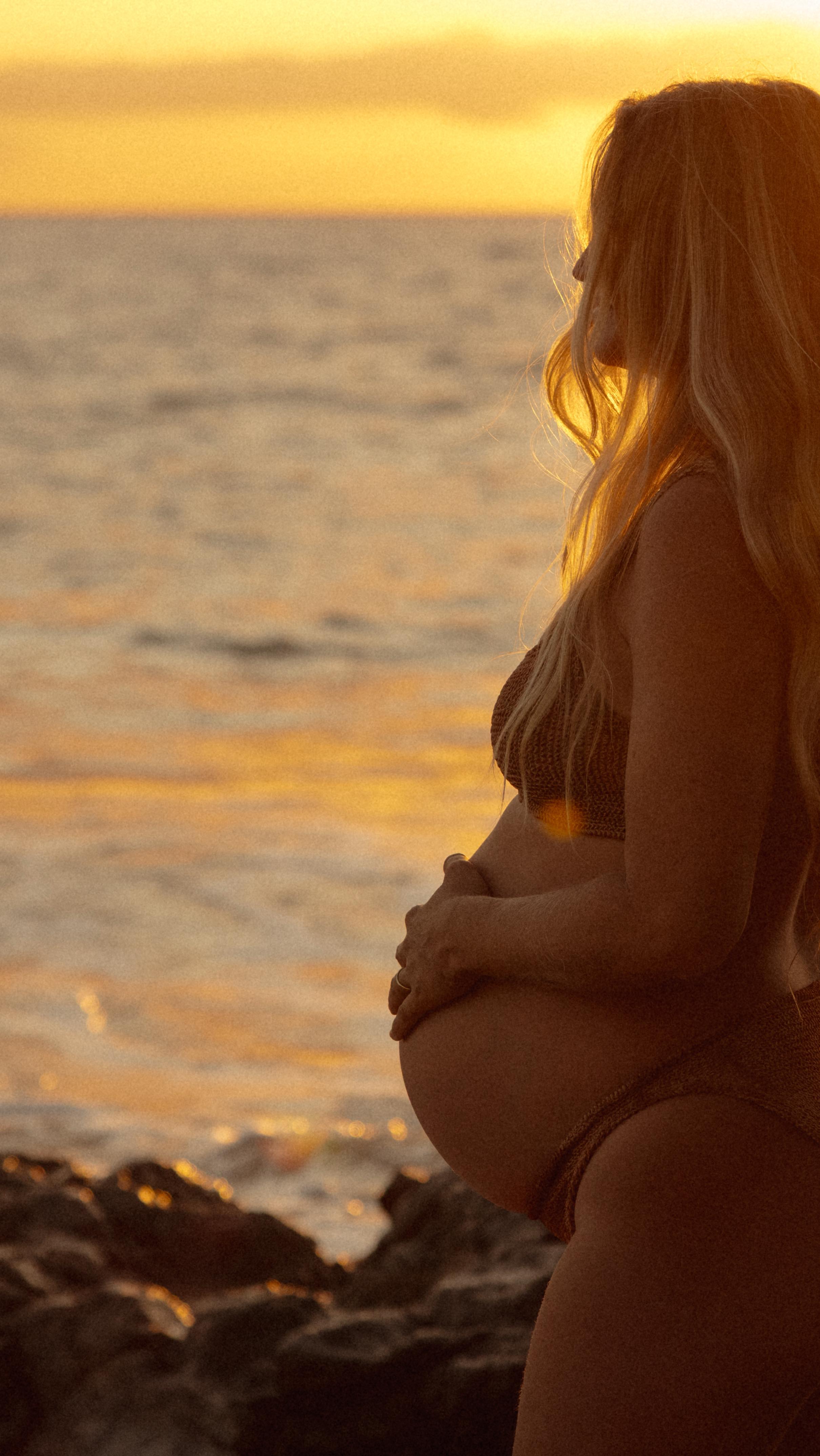
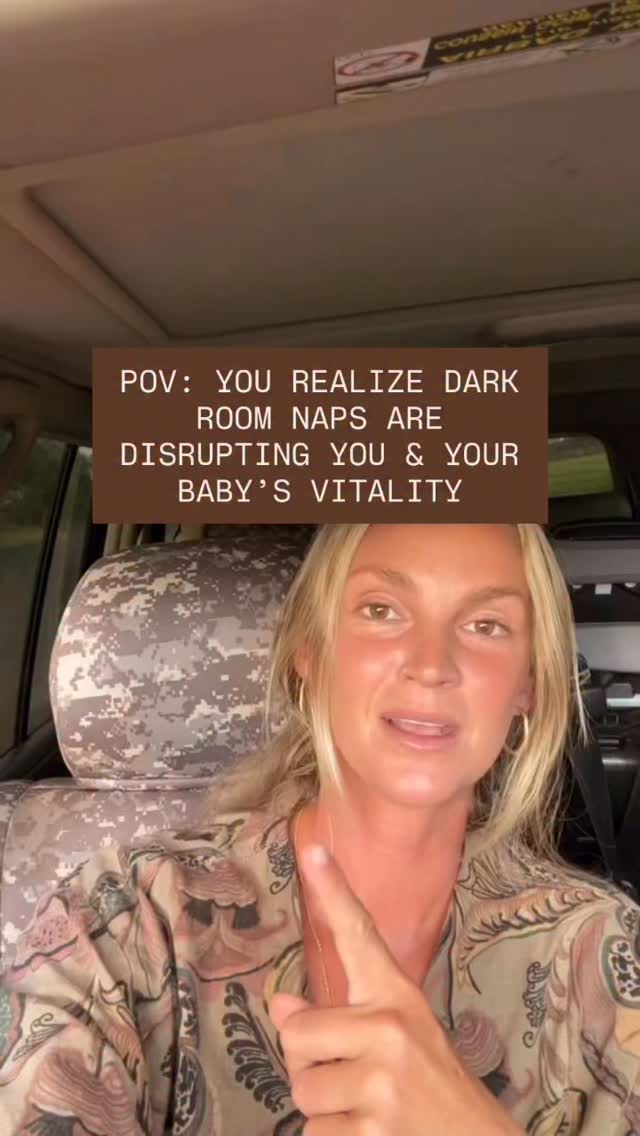
@korimeloy my light environment choices when i felt like i was lucky to get 4-6 hours of sleep with my firstborn— -sunglasses & sunscreen when in the sun -hospital transfer birth & c-section where our first 3 days together were under fluorescents with no natural light in our eyes -pulling my phone out every time he would wake at night to try to keep myself awake while i sat up and nursed him, then would be surprised when i couldn’t immediately fall back asleep😂 -turning a lamp on to check his diaper/change it during the night -attempting dark room naps during the day (make it make sense) -staying in bed for the morning vs getting direct AM sunlight in my eyes outside -overhead lights in our home while eating dinner together in the evenings & in the bathroom while getting ready for bed my light environment choices now while sleeping 9-10 hours every night with my thirdborn— -full body sun on my body all pregnancy long, especially my belly -no sunglasses & used hats instead of sunscreen -spent the entire day of his birth in natural light, then he was born by firelight via one simple candle after the sun went down -no overhead lights on at night in the home -blue light blockers from @ra_optics when i’m using a device during the day or after the sun goes down -no late night scrolling -outdoor or completely open air & natural light naps during the day -getting my freshly postpartum body & his body in direct sunlight (gradual for him) -watching the sunrise or shortly after & sunset every day with my bare eyes -side lie nursing in bed together where we drift in and out of sleep seamlessly because yes of course my babe still wakes at night! he just goes back to sleep right away after nursing what has your experience been with minding your circadian rhythms during pregnancy + beyond and your newborns knowing their days & nights? for more about light environment, go listen to our @villagesessionspodcast episode “how our light shapes us” ☀️ grab you some blue light blockers with the code KORI!
View original on Instagram

The edit1 shot · 34 text
Shots Text

Performance

Views
204.5K
Likes
6.3K
Comments
210
Engagement
3.2%
Outlier
2.5×

Video #15591 · Talking Head Edit

Mother explains newborn sleep sciencefrom @korimeloy

[01]

Overview

The creator makes a bold claim about getting 9-10 hours of sleep with a newborn, then explains the science of circadian rhythms and their impact on sleep. She details how a mother's light environment and hormonal blueprint affect her baby's sleep, offering actionable tips like getting morning sunlight and using blue light blockers, while also promoting a specific brand of glasses.

[02]

Simple outline

  1. 1State unbelievable result
  2. 2Explain underlying science
  3. 3Reveal non-obvious connection
  4. 4Provide actionable solution
  5. 5Offer aspirational identity

[03]

Related videos

[04]

Classification

Concepts
Breakdown
Elements
B-Roll CutawayImage OverlayText OverlayJump Cut

[05]

Hook analysis

What stops the scroll in the first 3 seconds

Title hook · 48%

I gave birth a month and a half ago

Verbal hook · 52%

I gave birth a month and a half ago to my third child and I have been getting nine to ten hours of sleep every single night since the night he was born at home.

Visual hook

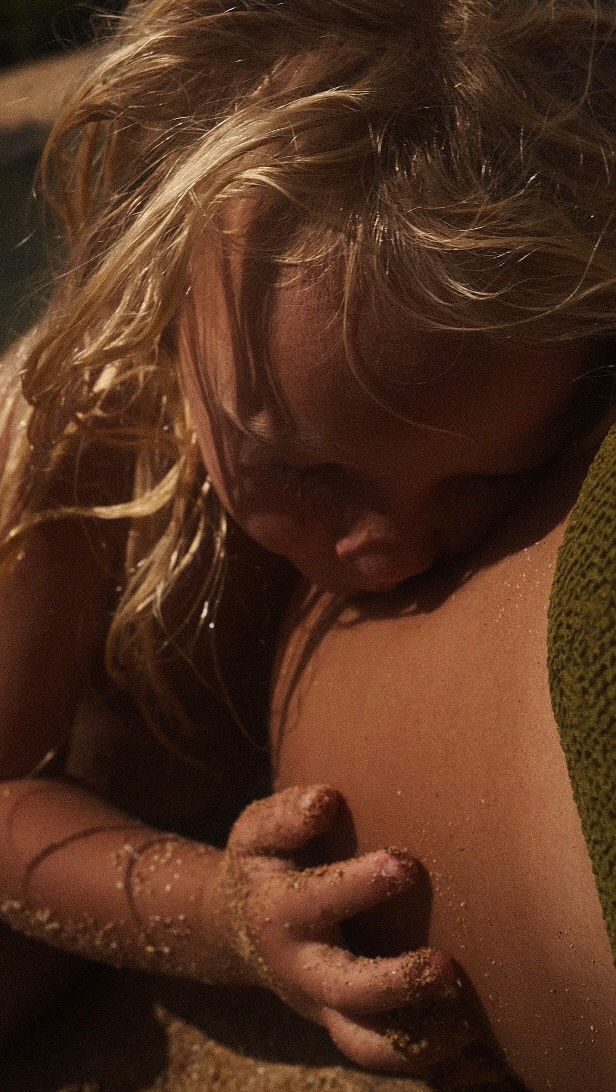
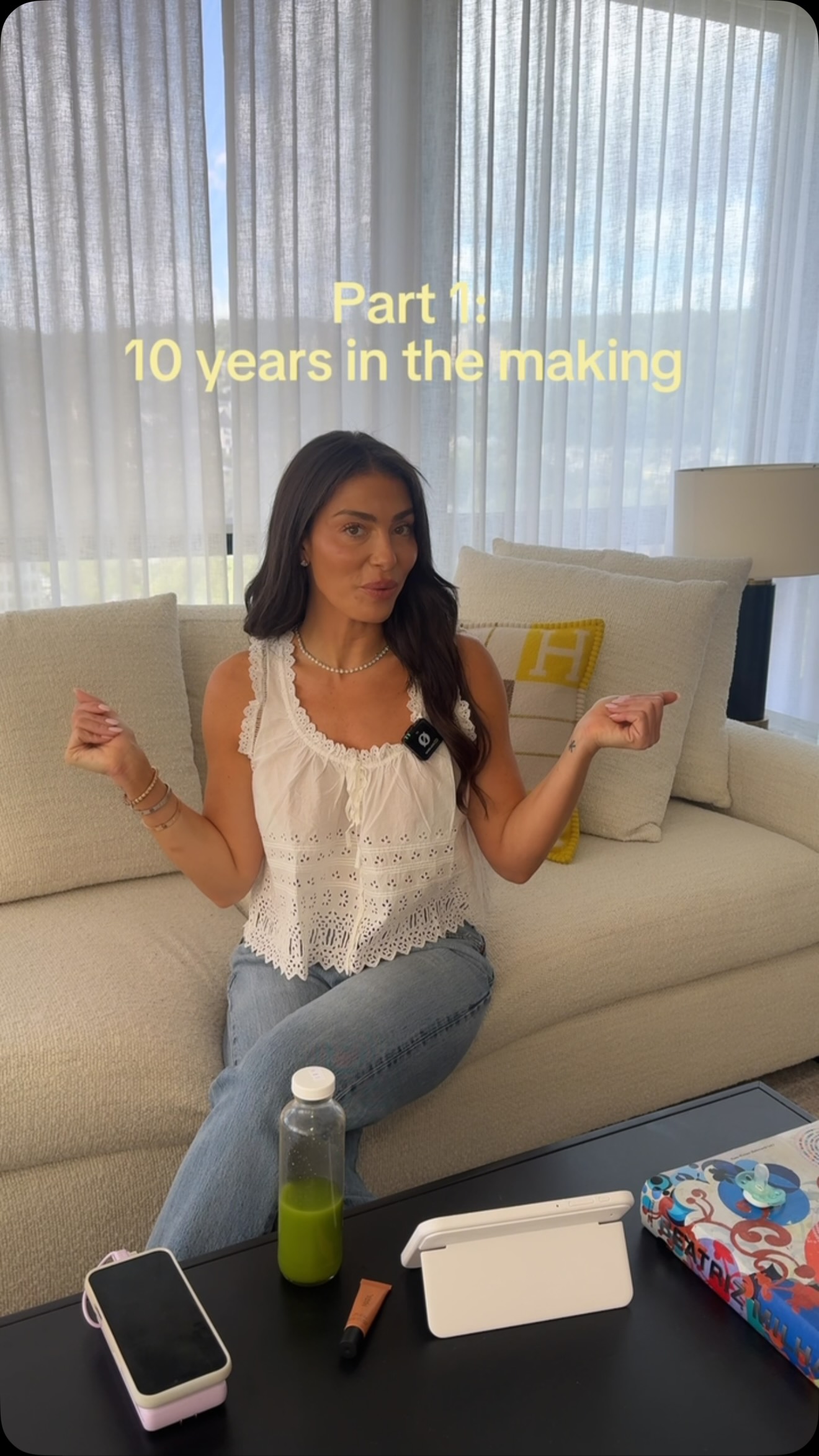
A medium close-up shot of the speaker addressing the camera directly, creating an immediate personal connection, followed by a quick cut to intimate, softly lit B-roll of a mother and child in bed.

[06]

Hook template

Steal this for your own video

I started [challenging situation] [timeframe] ago, and I’ve been getting [surprising positive result] ever since.

  • — I started caring for a newborn six weeks ago, and I’ve been getting nine hours of sleep every night ever since.
  • — I started training for a marathon three months ago, and I’ve been waking up without an alarm ever since.
  • — I started growing vegetables in a tiny apartment two months ago, and I’ve been harvesting fresh greens every week ever since.

[07]

Hook and payoff

The promise the opener makes, and how the video pays it back

Hook

The Unbelievable Outcome: Start with a bold, counter-intuitive claim that defies the audience's expectations and common experience within a specific niche, creating an immediate 'how is that possible?' question.

Payoff

The Aspirational Identity Shift: Conclude by framing the adoption of these new behaviors not just as a solution to a problem, but as a step toward becoming a superior version of oneself and joining an enlightened community.

[08]

Narrative framework

The structural pattern this video runs on

Framework

The Revelation & Empowerment Framework

To present a desirable but seemingly unattainable outcome, explain the hidden scientific mechanism that makes it possible, and then empower the viewer with the knowledge and tools to achieve it themselves by reframing their personal habits as the primary solution.

  1. 1

    The Shared Struggle Validation

    Acknowledge the audience's primary pain point and validate their desire for a better alternative, positioning the creator as an empathetic guide who understands their struggle.

  2. 2

    The Scientific Primer

    Introduce and explain a core scientific or biological concept in simple terms, often using a visual aid. This establishes an authoritative, logical foundation for the solution to come.

  3. 3

    The Modern Sabotage

    Detail how common, everyday modern behaviors unknowingly disrupt the core scientific concept, making the problem feel relatable, universal, and solvable through behavioral change rather than complex intervention.

  4. 4

    The 'Aha!' Revelation

    Create a powerful 'aha' moment by revealing the non-obvious but critical link between the scientific concept and the audience's specific problem. This beat shifts the viewer's entire understanding of the issue.

  5. 5

    The Empowering Solution

    Translate the revelation into a clear, actionable mandate. Provide a toolkit of specific, tangible steps the viewer can take, reframing the solution as being entirely within their control and often tying in a specific product.

Themes

  • Holistic health
  • Natural parenting
  • Biohacking
  • Self-care for mothers

Techniques

  • Direct address
  • Personal anecdote
  • Scientific explanation
  • Product placement

Trends

  • Circadian health
  • Bio-optimization

Post caption

my light environment choices when i felt like i was lucky to get 4-6 hours of sleep with my firstborn— -sunglasses & sunscreen when in the sun -hospital transfer birth & c-section where our first 3 days together were under fluorescents with no natural light in our eyes -pulling my phone out every time he would wake at night to try to keep myself awake while i sat up and nursed him, then would be surprised when i couldn’t immediately fall back asleep😂 -turning a lamp on to check his diaper/change it during the night -attempting dark room naps during the day (make it make sense) -staying in bed for the morning vs getting direct AM sunlight in my eyes outside -overhead lights in our home while eating dinner together in the evenings & in the bathroom while getting ready for bed my light environment choices now while sleeping 9-10 hours every night with my thirdborn— -full body sun on my body all pregnancy long, especially my belly -no sunglasses & used hats instead of sunscreen -spent the entire day of his birth in natural light, then he was born by firelight via one simple candle after the sun went down -no overhead lights on at night in the home -blue light blockers from @ra_optics when i’m using a device during the day or after the sun goes down -no late night scrolling -outdoor or completely open air & natural light naps during the day -getting my freshly postpartum body & his body in direct sunlight (gradual for him) -watching the sunrise or shortly after & sunset every day with my bare eyes -side lie nursing in bed together where we drift in and out of sleep seamlessly because yes of course my babe still wakes at night! he just goes back to sleep right away after nursing what has your experience been with minding your circadian rhythms during pregnancy + beyond and your newborns knowing their days & nights? for more about light environment, go listen to our @villagesessionspodcast episode “how our light shapes us” ☀️ grab you some blue light blockers with the code KORI!

Text overlays

  • title · beginning

    I gave birth a month and a

  • title · beginning

    half ago to my third child and

  • title · beginning

    I have been getting nine to ten

  • title · beginning

    hours of sleep every single night since

  • title · beginning

    the night he was born at home.

  • title · beginning

    So listen up if you know deep

  • title · beginning

    down that there's another way to experience

  • title · middle

    motherhood other than one that is sleep

  • title · middle

    deprived all the time or requires some

  • title · middle

    sort of separation from your baby in order to sleep.

  • informational · middle

    Our circadian rhythm is our bodies biological clock.

  • informational · middle

    Our light environment is what activates that process and regulates the circadian rhythm.

  • informational · middle

    So if we're living out of sync of the natural light cycles that are happening in a 24 hour period,

  • informational · middle

    if you're turning on overhead LED lights in your house or you're pulling out your phone or a computer or a TV and you're looking at blue light at nighttime,

  • informational · middle

    Let's kick up the cortisol to keep myself awake.

  • informational · middle

    Let's hold off on the melatonin production.

  • informational · middle

    And you're going to have a harder time falling asleep and staying asleep.

  • informational · middle

    if we are inside and not accessing and utilizing the natural light that's available

  • informational · middle

    we will also have a harder time producing melatonin at night.

  • informational · middle

    infant sleep, especially newborn sleep,

  • informational · middle

    mothers imprint their circadian rhythm, their hormonal blueprint onto their child during pregnancy.

  • informational · middle

    It happens in the womb.

  • informational · middle

    our newborns are not producing their own melatonin in the beginning.

  • informational · middle

    They're actually getting their melatonin directly from the mom.

  • informational · middle

    And so what can we do to teach our babies days and nights right away?

  • informational · middle

    We mind our own circadian rhythm.

  • informational · middle

    We produce optimal melatonin at night.

  • informational · end

    this starts with us minding our circadian rhythm, getting AM sunlight in our eyes, watching the sunset go down, wearing your blue light blockers.

  • branding · end

    I have my daylight and my sunset ones from Raw Optics.

  • contextual · end

    This is the Clyde Lens style.

  • call-to-action · end

    code is KORI

  • informational · end

    I wear these every single day.

  • call-to-action · end

    I will leave more in the caption about optimizing your light environment.

  • informational · end

    And let's be a generation of moms who are super well rested and vital.

Transcript

I gave birth a month and a half ago to my third child and I have been getting nine to ten hours of sleep every single night since the night he was born at home. So listen up. If you know deep down that there is another way to experience motherhood better than one that is sleep deprived all the time or requires some sort of separation from your baby in order to sleep. Our circadian rhythm is our body's biological clock. So we have a whole system set up in place that tells our body what to do, what hormones to create to to stay awake whenever it's daytime and what to do likewise whenever it's nighttime and the sun goes down. Our light environment is what activates that process and regulates the Circadian rhythm. So if we're living out of sync of the natural light cycles that are happening in a twenty four hour period, for example, once the sun goes down, if you're turning on overhead LED lights in your house or you're pulling out your phone or computer or Tier and you're looking at blue light at nighttime, your body goes, Oh cool, let's kick up the cortisol to keep myself awake. Let's hold off on the melatonin production and you're going to have a harder time falling asleep and staying asleep. And likewise during the day, if we are inside and not accessing and utilizing the natural light that available to us, getting direct sunlight, we will also have a harder time producing melatonin at night. So what does this have to do with infant sleep, especially newborn sleep? Mothers imprint their circadian rhythm, their hormonal blueprint onto their child during pregnancy. It happens in the womb. On top of that, our newborns are not producing their own Melatonin in the beginning, they're actually getting their Melatonin directly from the mom. And no, what can we do to teach our babies days and nights right away? We mind our own Circadian Rhythm. We produce optimal Melatonin at night. No, moms, as always, this starts with us minding our Circadian Rhythm, getting AM sunlight in our eyes, watching the sunset go down, wearing your blue light blockers. I have my daylight and my sunset ones from Rank Optics. This is the Clyde best style. I wear these every single day. I will leave more in the caption about optimizing your light environment and let's be a generation of moms who are super well rested and vital.

Mother explains newborn sleep science | Viral Hooks