@mylorals Replying to @Traumatized girl #duet with @Inspirgreen™ People often ask us for a non-latex version of Lorals, and creating it is an important goal for us. But meanwhile, there are many myths about latex. What you’re seeing here is the sustainable process of latex harvesting — it’s like tapping for maple syrup! Latex is the sap of rubber trees, collected without harming them, and it's what makes natural latex products like Lorals and gloves eco-friendly, in comparison to their plastic alternatives. There are absolutely many people who are allergic to natural rubber latex. And we know many folks have concerns about irritation from latex condos — but very often this is due to additives, not the latex itself. Lorals don’t contain those irritating additives, so many of the reasons you might have found condos irritating are absent with Lorals. If you’re curious about Lorals and have had issues with condos but haven't been tested for a latex allergy, we recommend you get tested to find the root cause — only 1% of the US population is allergic to latex itself. (Of course, do not use Lorals if you’ve had sensitivity to condos without getting tested for allergy first!) We hear you loud and clear about a non-latex option, and it's on our product roadmap. But in the meantime, if you're not actually allergic to natural rubber latex, Lorals could be a perfect fit! ☺️ ##Rubber ##Nature ##HowItIsMade #ProductDevelopment
The creator responds to a user's comment asking for a non-latex product by explaining the natural and sustainable process of latex harvesting. Using split-screen B-roll footage, she shows how latex is tapped from rubber trees, comparing it to making maple syrup. She addresses the common misconception that latex causes irritation, attributing it to chemical additives found in many products (which her brand, Lorals, avoids) rather than the natural latex itself, and notes that true latex allergies are rare.
Reply to Traumatized girl's comment
WITHOUT LAYTEX PLEASE!!!!!!
Verbal hook · 40%
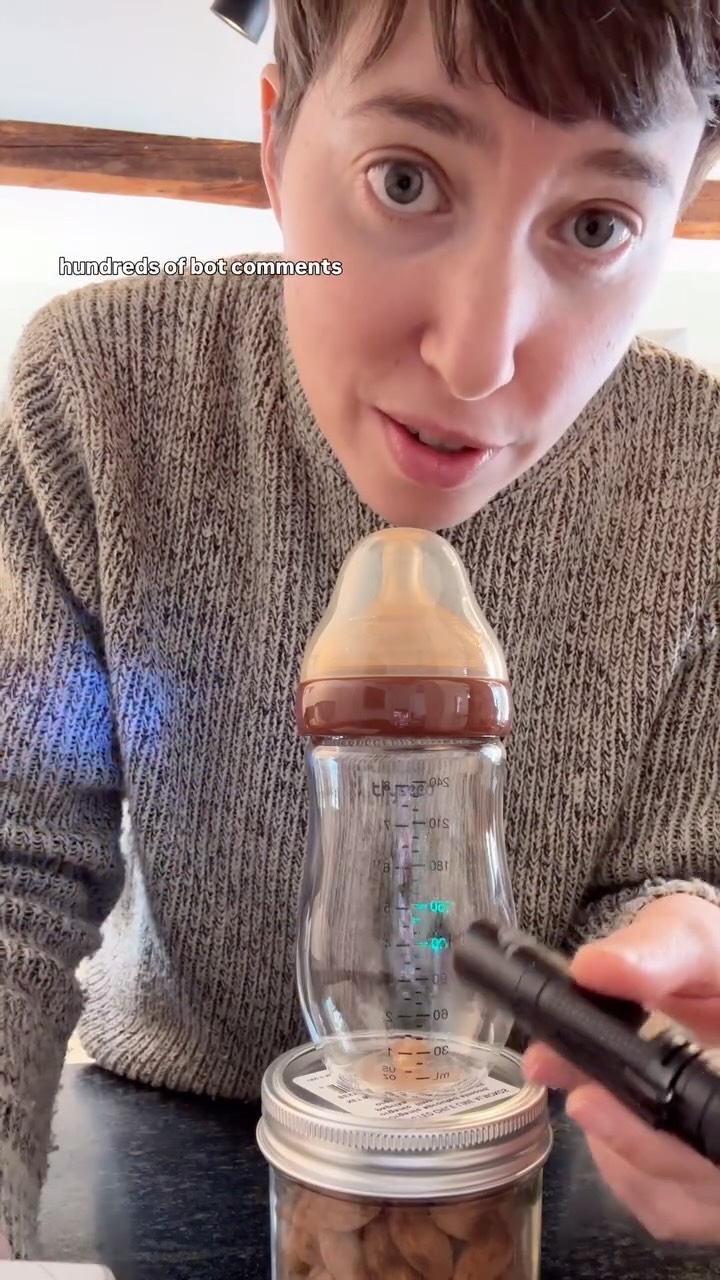
People don't actually understand that if you're asking for a non latex version of laurels, you're asking for a non natural product.
Visual hook · 25%
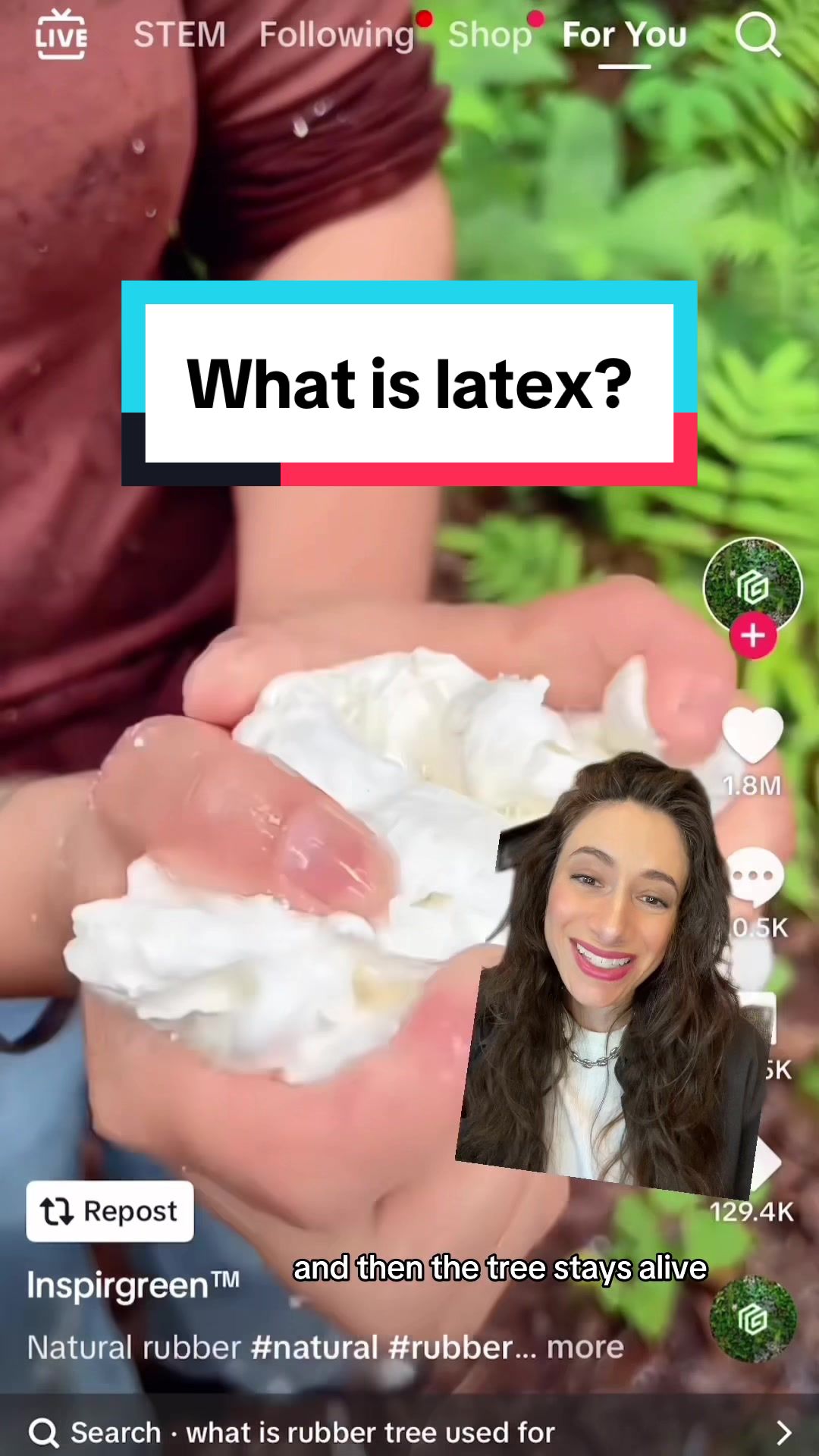
A close-up shot of hands squeezing a large, white, gooey, and dripping substance (raw latex), which creates immediate visual curiosity and texture.
[06]
Hook template
Steal this for your own video
Most people don't realize that asking for [perceived safer alternative] actually means asking for [surprising true nature of that alternative].
— Most people don't realize that asking for cage-free eggs actually means asking for something that might surprise you about how chickens are really raised.
— Most people don't realize that asking for a natural wine actually means asking for something with far less regulation than you think.
— Most people don't realize that asking for a synthetic down jacket actually means asking for a petroleum-based product.
[07]
Hook and payoff
The promise the opener makes, and how the video pays it back
Hook
A direct response to a common user objection, followed by a provocative statement that challenges the viewer's fundamental understanding of the topic.
Payoff
An empowering call to action that encourages the viewer to investigate the 'true' source of their problem, which implicitly positions the creator's solution as the correct choice for the majority.
[08]
Narrative framework
The structural pattern this video runs on
Framework
The Misconception Reframe
To deconstruct a common negative belief about a product, process, or ingredient by reframing it as natural and positive, while isolating the true source of the negative experience in external factors or rare exceptions.
1
The Analogous Reframe
Visually demonstrates the core process while comparing it to a universally understood and positive parallel process, immediately shifting the viewer's perception from negative to neutral or positive.
2
The Sustainability Proof
Builds on the positive reframe by narrating and showing the ethical or sustainable benefits of the process, adding a layer of value and reinforcing the 'natural is good' argument.
3
The Empathy Bridge
Explicitly validates the viewer's potential negative experiences or concerns, building trust and disarming skepticism before presenting a counter-argument.
4
The Statistical Pivot
Introduces data to re-contextualize the problem, separating a common, solvable issue (caused by others) from a rare, less likely one (the inherent issue), thereby suggesting the viewer's problem is likely the former.
Themes
Sustainability
Natural materials
Myth busting
Product education
Consumer awareness
Techniques
Split screen
Comment reply
B-roll footage
Direct address
Trends
Replying to comments with video
Educational content marketing
Post caption
Replying to @Traumatized girl #duet with @Inspirgreen™ People often ask us for a non-latex version of Lorals, and creating it is an important goal for us. But meanwhile, there are many myths about latex. What you’re seeing here is the sustainable process of latex harvesting — it’s like tapping for maple syrup! Latex is the sap of rubber trees, collected without harming them, and it's what makes natural latex products like Lorals and gloves eco-friendly, in comparison to their plastic alternatives. There are absolutely many people who are allergic to natural rubber latex. And we know many folks have concerns about irritation from latex condos — but very often this is due to additives, not the latex itself. Lorals don’t contain those irritating additives, so many of the reasons you might have found condos irritating are absent with Lorals. If you’re curious about Lorals and have had issues with condos but haven't been tested for a latex allergy, we recommend you get tested to find the root cause — only 1% of the US population is allergic to latex itself. (Of course, do not use Lorals if you’ve had sensitivity to condos without getting tested for allergy first!) We hear you loud and clear about a non-latex option, and it's on our product roadmap. But in the meantime, if you're not actually allergic to natural rubber latex, Lorals could be a perfect fit! ☺️ ##Rubber ##Nature ##HowItIsMade #ProductDevelopment
Text overlays
contextual · beginning
Reply to Traumatized girl's comment
WITHOUT LAYTEX PLEASE!!!!!!
informational · middle
But Lorals don't
Transcript
People don't actually understand that if you're asking for a non latex version of laurels, you're asking for a non natural product. This is what latex harvesting looks like. It's really similar to making maple syrup. Latex itself is the sap of a rubber tree. It's collected over tier, and then when it's ready, it's turned into latex products like gloves and florals. And then the tree stays alive, and it's retapped over and over again in a very sustainable process. And we get it. Latex products often contain additives that cause irritation. And, of course, some people have been tested for a latex allergy and, in fact, are allergic to latex itself. That's about one percent of The US population. But if you haven't been tested and you've sworn off natural rubber latex products in the meantime, we recommend that you get tested. It could be the additives and not the latex.
Explains natural latex harvesting process | Viral Hooks