@zephzoid
Instagram · Talking Head Edit
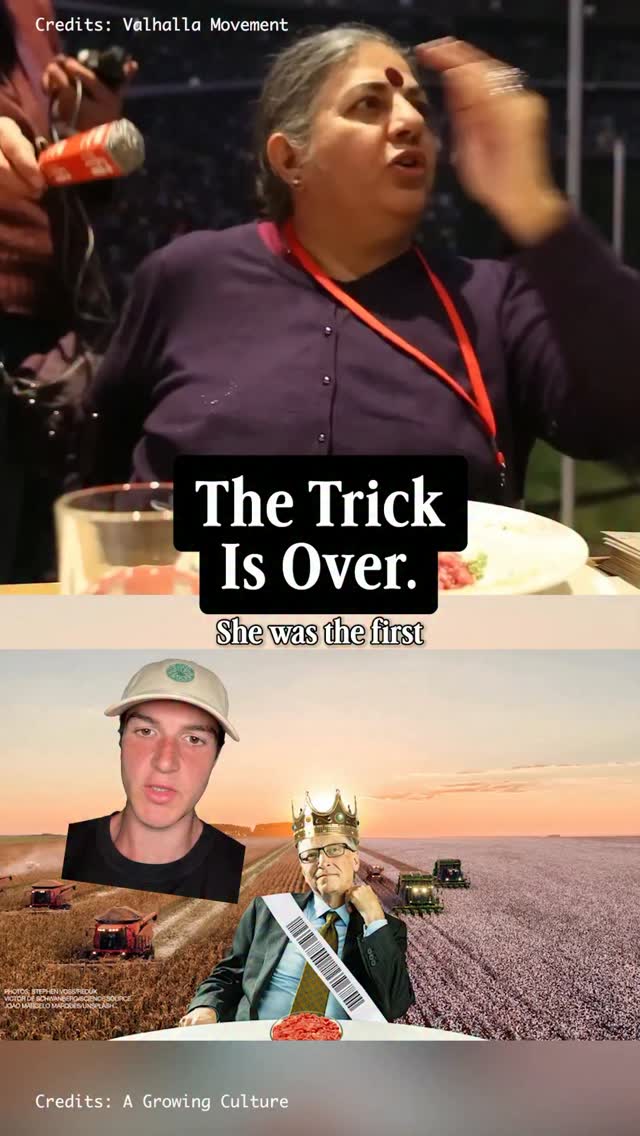
@zephzoid Vandana Shiva has spent decades pushing for seed saving and farmer rights in India

@zephzoid
Instagram · Talking Head Edit
@zephzoid Vandana Shiva has spent decades pushing for seed saving and farmer rights in India
Performance
Video #39461 · Talking Head Edit
[01]
The creator tells the story of Vandana Shiva, an environmental activist who was one of the first to criticize Bill Gates' AGRA initiative in Africa. The video outlines her arguments, the public backlash she faced, and culminates by presenting recent data from Tufts University that validates her early warnings, showing the initiative failed to increase productivity and worsened hunger. The creator concludes by promoting an app called Localize to support local food systems.
[02]
[03]
 58.2K142.4×Explains issue and provides resources@theninaparker · Breakdown
 175.7K33.7×Raw selfie video sharing opinion@life.withkeri · Hot Take
 133.6K6.9×Exposing a food brand's practices@zephzoid · Breakdown
 114.5K3.5×Creator reacts to news on pesticides@rhys.menzel · Headlines
 260.7K7.3×Reacts to racism, blames systems@anushcache · Cultural Rant
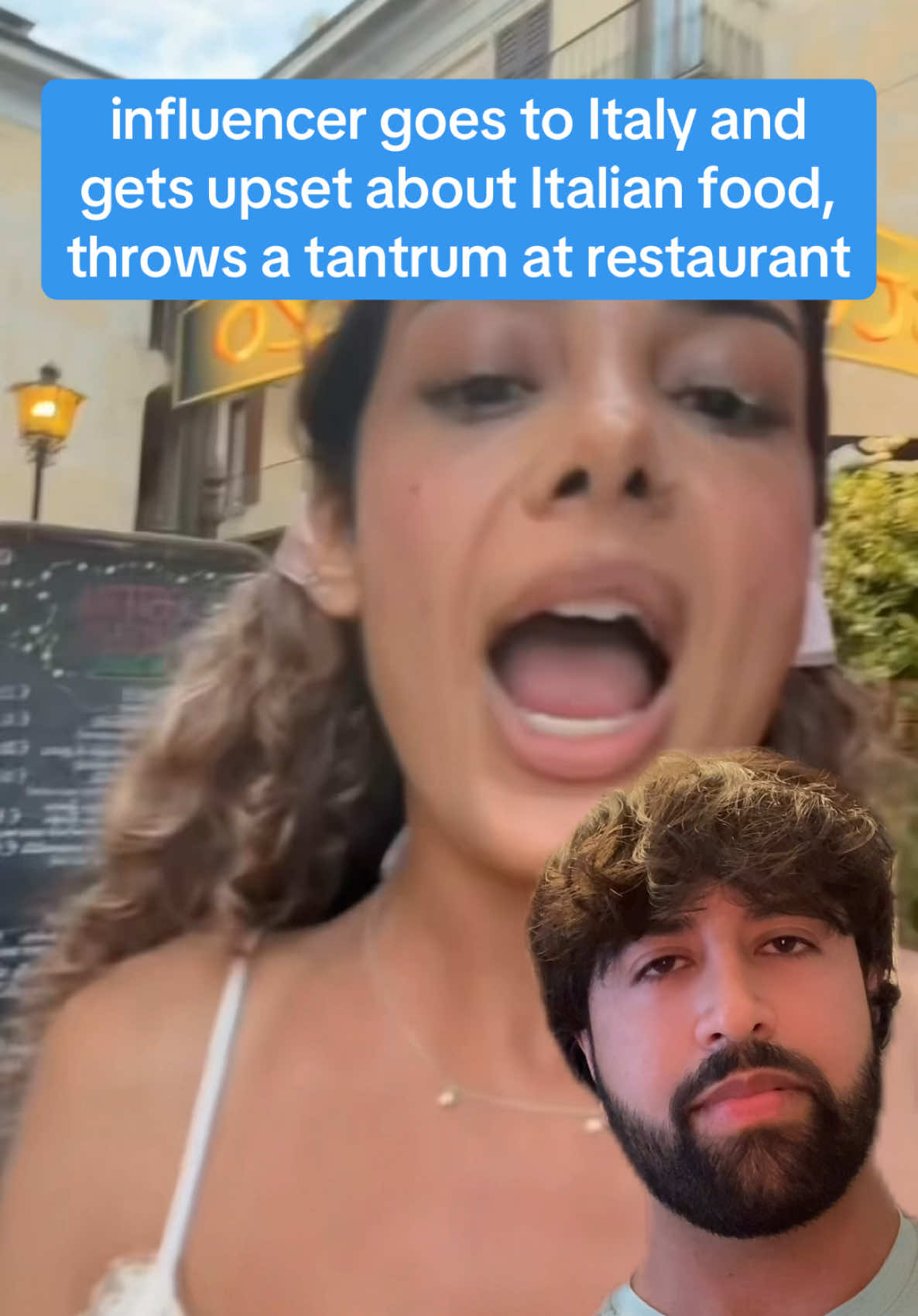 6M2.7×Creator breaks down influencer meltdown@daadisnacks · Breakdown
 146.5K2.2×Greenscreen analysis of intersectional feminism@glass__museum · Breakdown
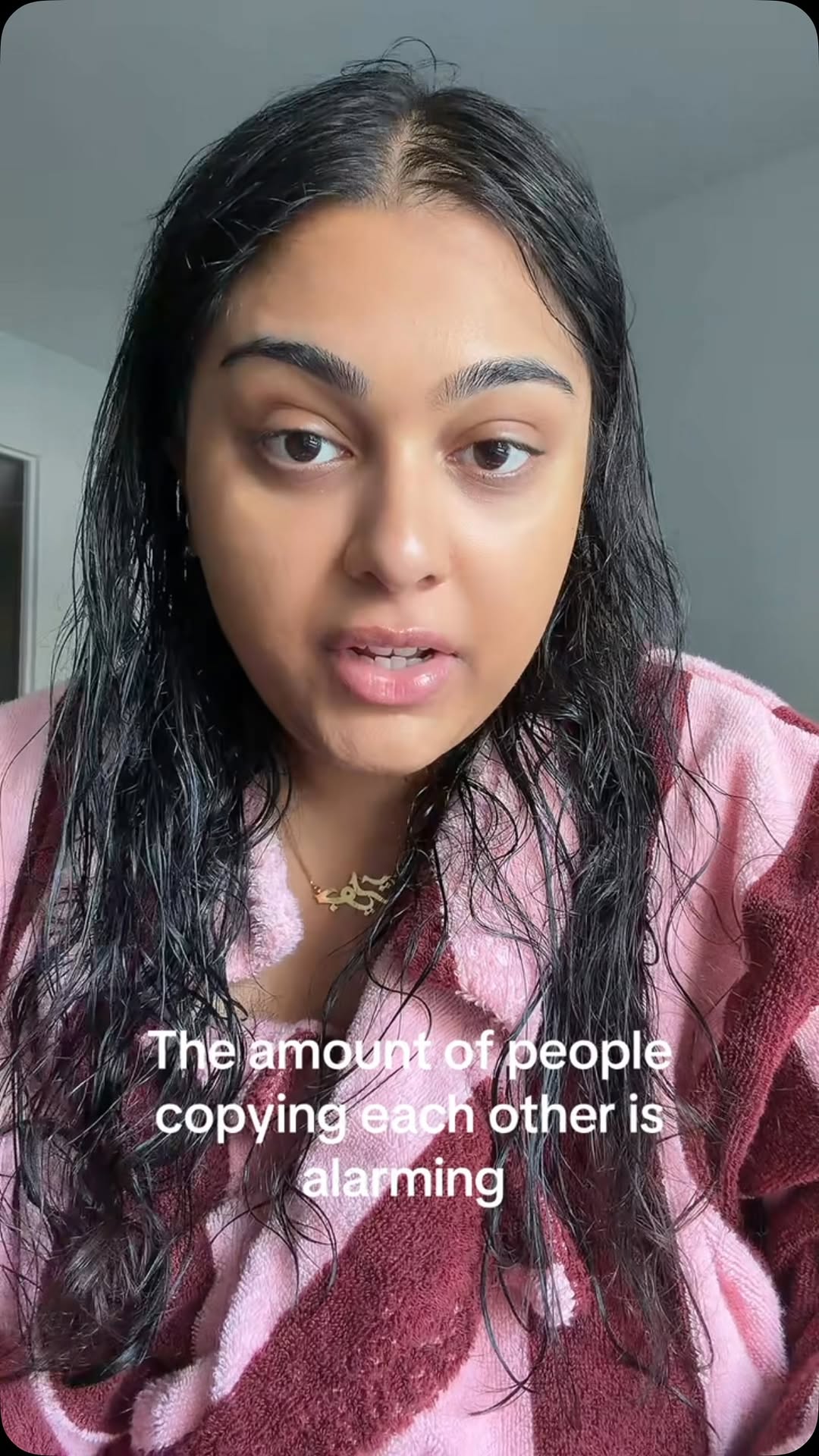 212.4K6.5×Creator rants during makeup routine@jovkhann · Storytime
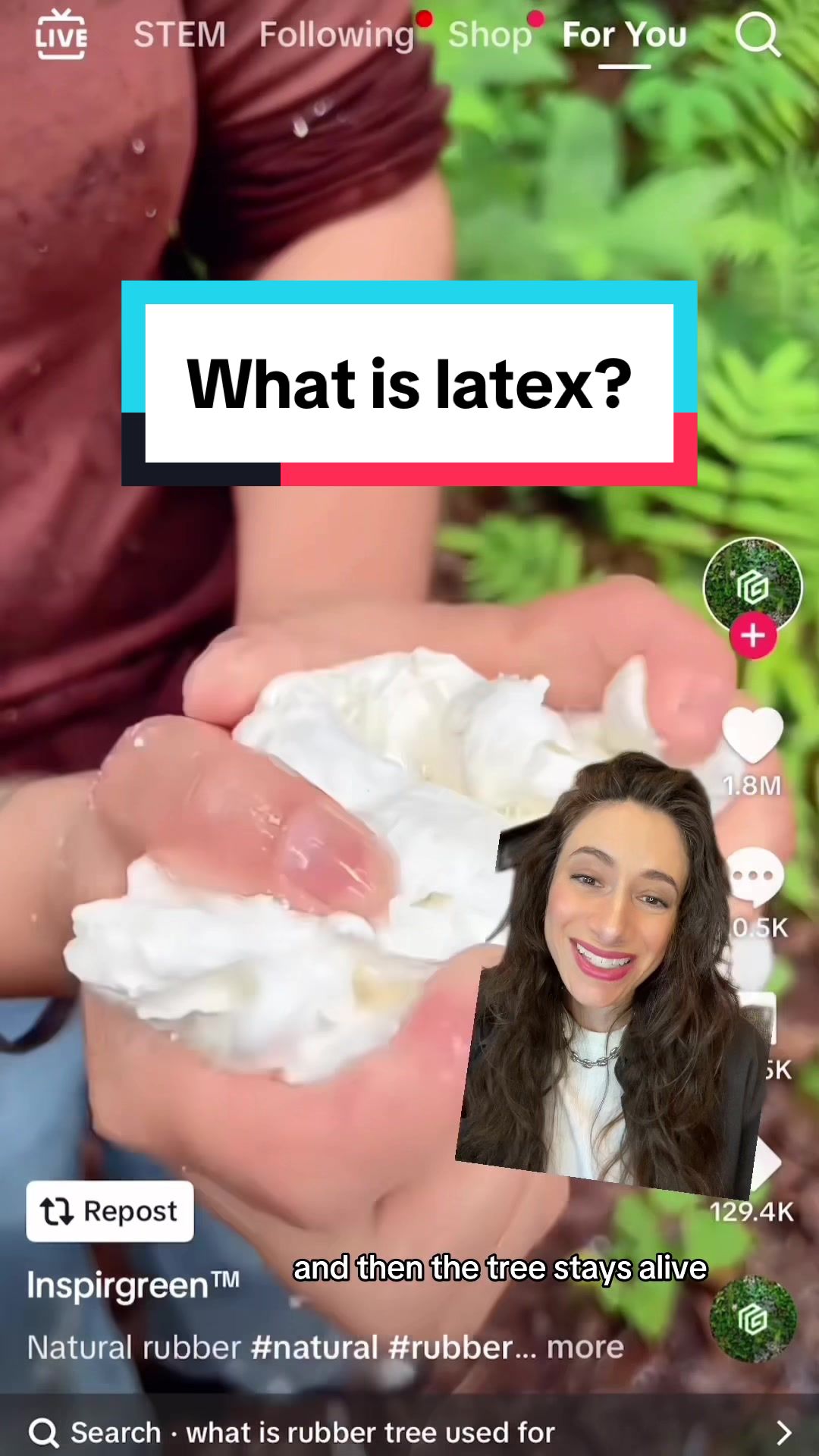 293.2K7.8×Explains natural latex harvesting process@mylorals · Hot Take
 165.1KPersonal story about gut health@jennalitner · Vulnerable Monologue
 1.3M33.6×Personal story sells wellness app@jennalitner · Vulnerable Monologue
 1.8M26.9×Casual rant defending influencer brand@bran__flakezz · Cultural Rant
[04]
[05]
What stops the scroll in the first 3 seconds
Title hook · 35%
The Trick Is Over.
Verbal hook · 50%
She was the first to criticize what Bill Gates was doing in agriculture and was publicly shunned for it.
Visual hook · 15%
A split-screen composition showing activist Vandana Shiva speaking passionately on top, and a composite image of the narrator and a crowned Bill Gates over industrial farm fields on the bottom, immediately establishing the video's central conflict.
[07]
The promise the opener makes, and how the video pays it back
Hook
Introduce a high-stakes conflict by stating that a protagonist challenged a powerful entity and suffered negative consequences for it, creating immediate intrigue and establishing a clear hero/villain dynamic.
Payoff
Connect the historical vindication to the protagonist's ongoing legacy and provide the audience with a clear, simple call to action that allows them to participate in the hero's cause, channeling the story's emotional energy.
[08]
The structural pattern this video runs on
Framework
The Vindicated Contrarian
To tell a compelling story of an underdog figure who challenged a powerful establishment, faced backlash, and was ultimately proven right by objective evidence, culminating in a call to action.
The Protagonist's Credentials
Establish the protagonist's background, expertise, and moral authority on the subject to build credibility with the audience.
The Inciting Incident
Introduce the antagonist's initiative or plan, often framed as a benevolent or widely accepted idea, which serves as the catalyst for the conflict.
The Ideological Standoff
Detail the protagonist's specific counter-argument, framing the conflict in clear ideological terms and highlighting the personal risk involved in their opposition.
The Establishment Counter-Attack
Showcase how established powers (media, industry, etc.) attempted to discredit or silence the protagonist, escalating the conflict and creating a 'darkest hour' moment.
The Hero's Resolve
Depict the protagonist's public rebuttal and refusal to back down in the face of criticism, reinforcing their commitment to their cause.
The Objective Verdict
Present irrefutable, third-party data or evidence that conclusively proves the protagonist's initial claims were correct, delivering the narrative's climax and a powerful emotional payoff of justice.
Vandana Shiva has spent decades pushing for seed saving and farmer rights in India
title · throughout
The Trick Is Over.
contextual · beginning
Credits: Valhalla Movement
contextual · beginning
Credits: A Growing Culture
contextual · middle
Credits: Bill Gates
contextual · middle
Credits: Moyers & Company
informational · end
But now we have the full picture
branding · end
Localize
She was the first to criticize what Bill Gates was doing in agriculture and was publicly shunned for it. This is the trailblazing story of global legend Vandana Shiva. She is both a physicist and environmental activist who has spent decades pushing for seed saving and farmer rights in India. In 2006, Bill Gates and the Rockefeller Foundation launched AGRA, the Alliance for a Green Revolution in Africa, aiming to boost agriculture productivity across the continent. Shiva became one of its sharpest critics almost immediately, and this was controversial at the time because it was at the heights of Bill Gates fame from Microsoft and his philanthropic initiatives. She argued it echoed old colonial better, replacing local seed systems and biodiversity with corporate controlled seas and chemical inputs. She wasn't alone either when AGRA launched African movements and governments at the time largely said they didn't really need it. So in 2014, the New Yorker published a lengthy profile pushing back hard on her claims and questioning her accuracy. She then responded publicly calling the piece misleading and accusing it of serving the biotech industry's interest. But now we have the full picture, and the data's not looking good. An analysis by Tufts of Agra's own numbers after nearly fifteen years found no significant increase in productivity across the countries it served and a 30% increase in the number of people people facing extreme hunger in those same countries. Shiva called it early, and she's now helped establish hundreds of community seed banks across India, but specifically to keep seeds in farmers' hands instead of corporate ones. We can all follow her lead by using Localize to support seed systems in our area and finding farmers near us.