Viral Hooks
Trending short videosExplainer on tech's 'tastewashing' trend
V

@var.aunevik

TikTok · Talking Head Edit

@var.aunevik I fear Silicon Valley’s new obsession with “taste” isn’t about taste at all, but about control. From AI branding to tech merch and “taste-washing,” companies are using aesthetics, craft, and culture to soften the reality of automation and power. If they can shape what feels good, they can shape what you accept...? Or am I overanalyzing again? Dazed and The new yorker just dropped great articles about this

View original on TikTok

The edit1 shot · 2 text
Shots Text0:52

Performance

Views
488.3K
Likes
64.8K
Comments
502
Engagement
13.4%
Outlier
125.2×
Length · 1 May 2026
0:52

Video #25672 · Talking Head Edit

Explainer on tech's 'tastewashing' trendfrom @var.aunevik

[01]

Overview

The creator explains the recent trend of Silicon Valley companies becoming obsessed with 'taste,' a phenomenon she calls 'tastewashing.' She contrasts the old 'nerd' image with the new aesthetic-focused branding, providing examples like tech merch and tweets, and argues that this is a deliberate strategy to soften the threatening reality of AI and automation by borrowing the aesthetics of craft and human curation to control public perception.

[02]

Simple outline

  1. 1Pose intriguing cultural question
  2. 2Contrast past vs. present
  3. 3Provide rapid visual evidence
  4. 4Define the core concept
  5. 5Reveal the hidden motive

[03]

Related videos

[04]

Classification

Concepts
Breakdown
Elements
B-Roll CutawayImage OverlayTitle Text Hook

[05]

Hook analysis

What stops the scroll in the first 3 seconds

Title hook · 35%

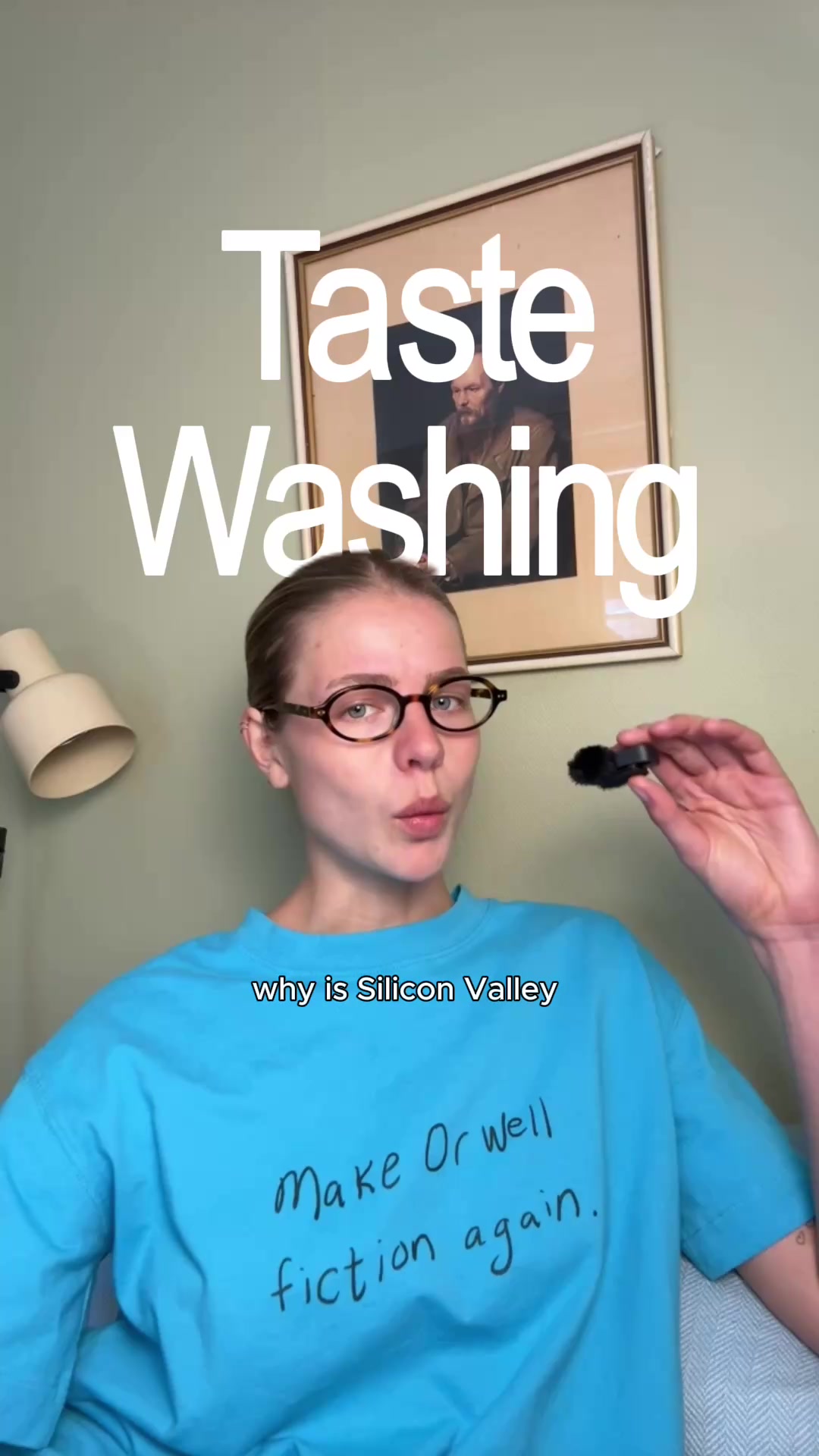
Taste Washing

Verbal hook · 50%

Why is Silicon Valley suddenly so obsessed with taste?

Visual hook · 15%

A direct-to-camera shot of the speaker with a questioning expression, holding a small microphone, establishing an analytical tone.

[06]

Hook template

Steal this for your own video

Why is [industry] suddenly so obsessed with [unexpected value or aesthetic]?

  • — Why is Wall Street suddenly so obsessed with vulnerability?
  • — Why is the fast food industry suddenly so obsessed with craft?
  • — Why is the fitness world suddenly so obsessed with rest?

[07]

Hook and payoff

The promise the opener makes, and how the video pays it back

Hook

A direct, curiosity-driving question that frames a new cultural phenomenon the audience may not have consciously noticed, paired with a bold text overlay that names the concept.

Payoff

The Grand Unifying Theory: Delivers the final thesis, connecting the observed phenomenon to a larger, more profound truth about power, psychology, or social control, providing a powerful intellectual resolution that reframes the entire topic.

[08]

Narrative framework

The structural pattern this video runs on

Framework

The Cultural Exposé

To identify a new, subtle cultural trend, give it a name, and expose the hidden psychological or political motivations behind it, positioning the creator as an insightful cultural critic.

  1. 1

    The Old Paradigm

    Establishes a familiar baseline or stereotype from the past using archetypal imagery, creating a stark contrast for the change that will be introduced.

  2. 2

    The New Reality (Evidence Barrage)

    Presents a rapid-fire montage of visual proof (screenshots, articles, products) to validate that the new phenomenon is real, current, and significant.

  3. 3

    The Concept Definition

    Introduces a catchy, memorable term for the phenomenon, often citing an external source to add authority, and explains its meaning.

  4. 4

    The Problem Statement

    Articulates the underlying problem or vulnerability that is driving the subjects to adopt this new behavior, explaining their core motivation.

  5. 5

    The Deceptive Solution

    Details the specific strategy or tactic being used to mask the underlying problem, often by co-opting a positive or desirable aesthetic to misdirect perception.

Themes

  • Corporate branding
  • Manipulation
  • Cultural appropriation
  • Politics of aesthetics

Techniques

  • Visual evidence
  • Cultural critique

Trends

  • Tastewashing

Post caption

I fear Silicon Valley’s new obsession with “taste” isn’t about taste at all, but about control. From AI branding to tech merch and “taste-washing,” companies are using aesthetics, craft, and culture to soften the reality of automation and power. If they can shape what feels good, they can shape what you accept...? Or am I overanalyzing again? Dazed and The new yorker just dropped great articles about this

Text overlays

  • title · beginning

    Taste Washing

  • informational · middle

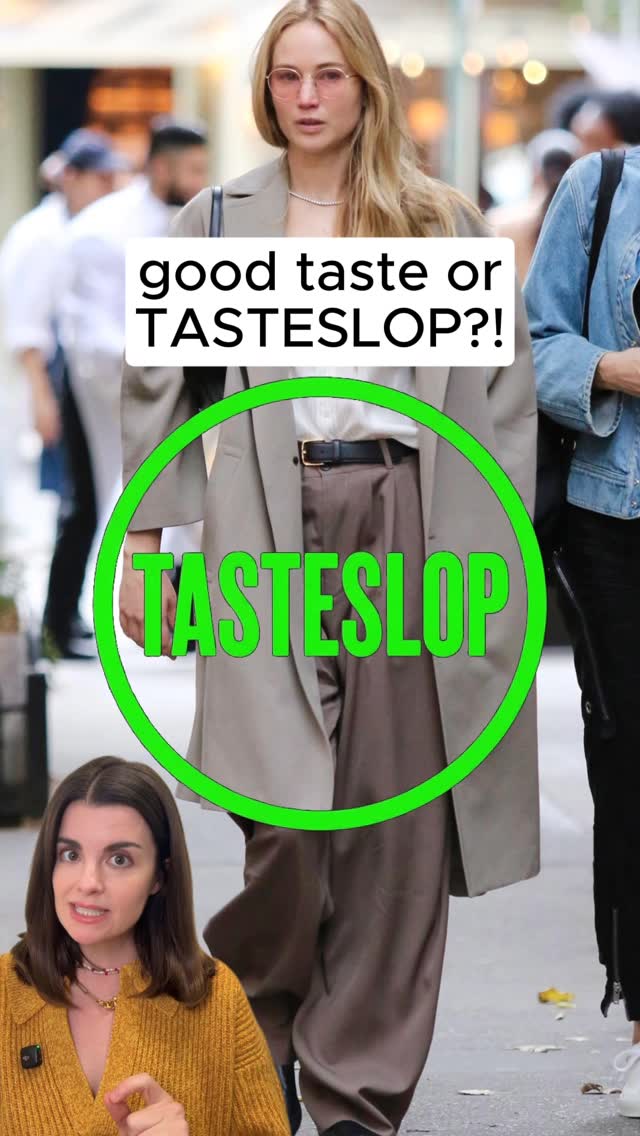
    "TASTEWASHING"

Transcript

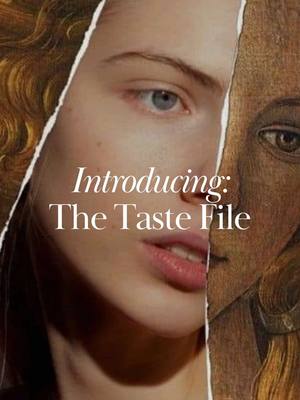
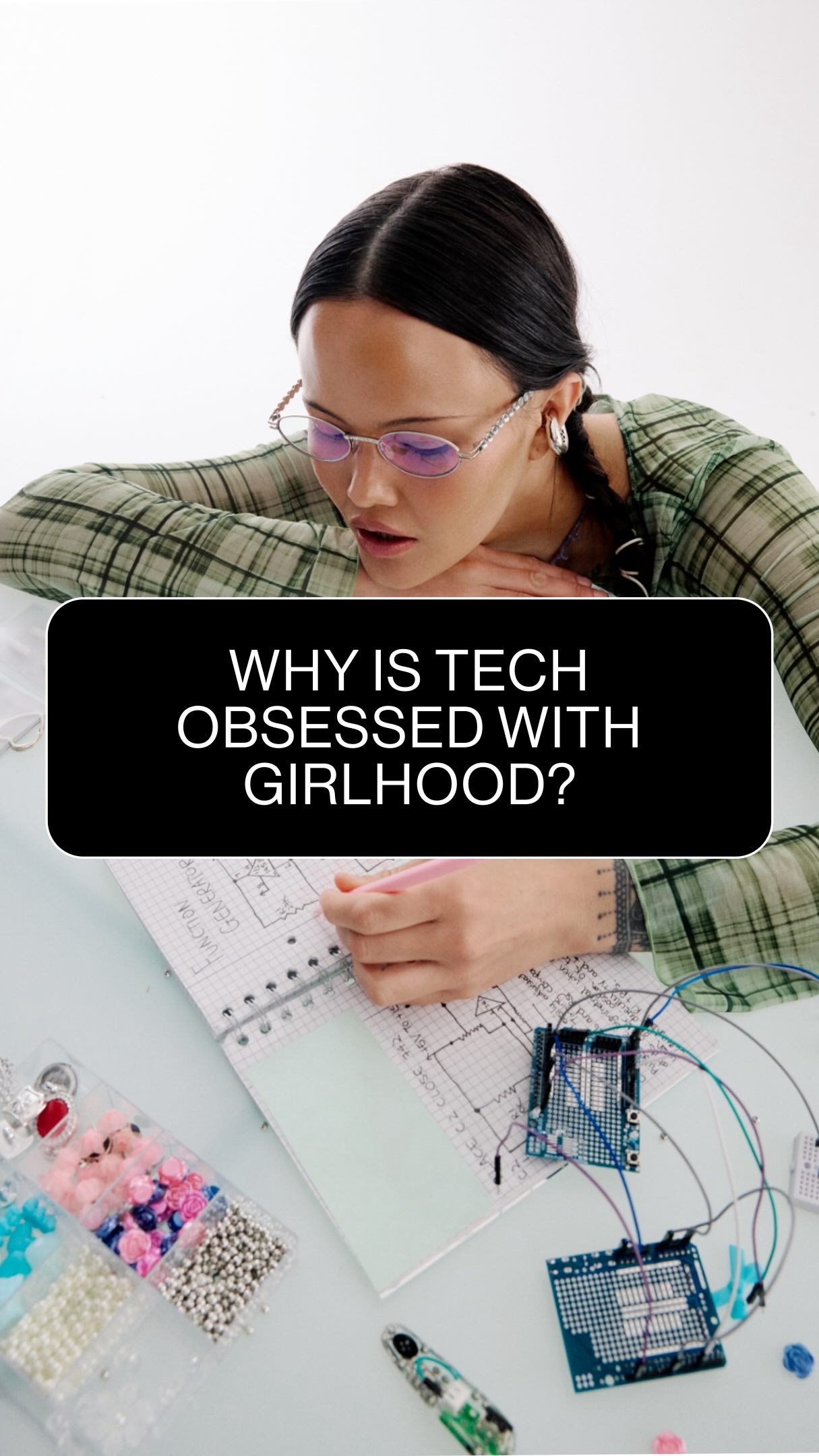
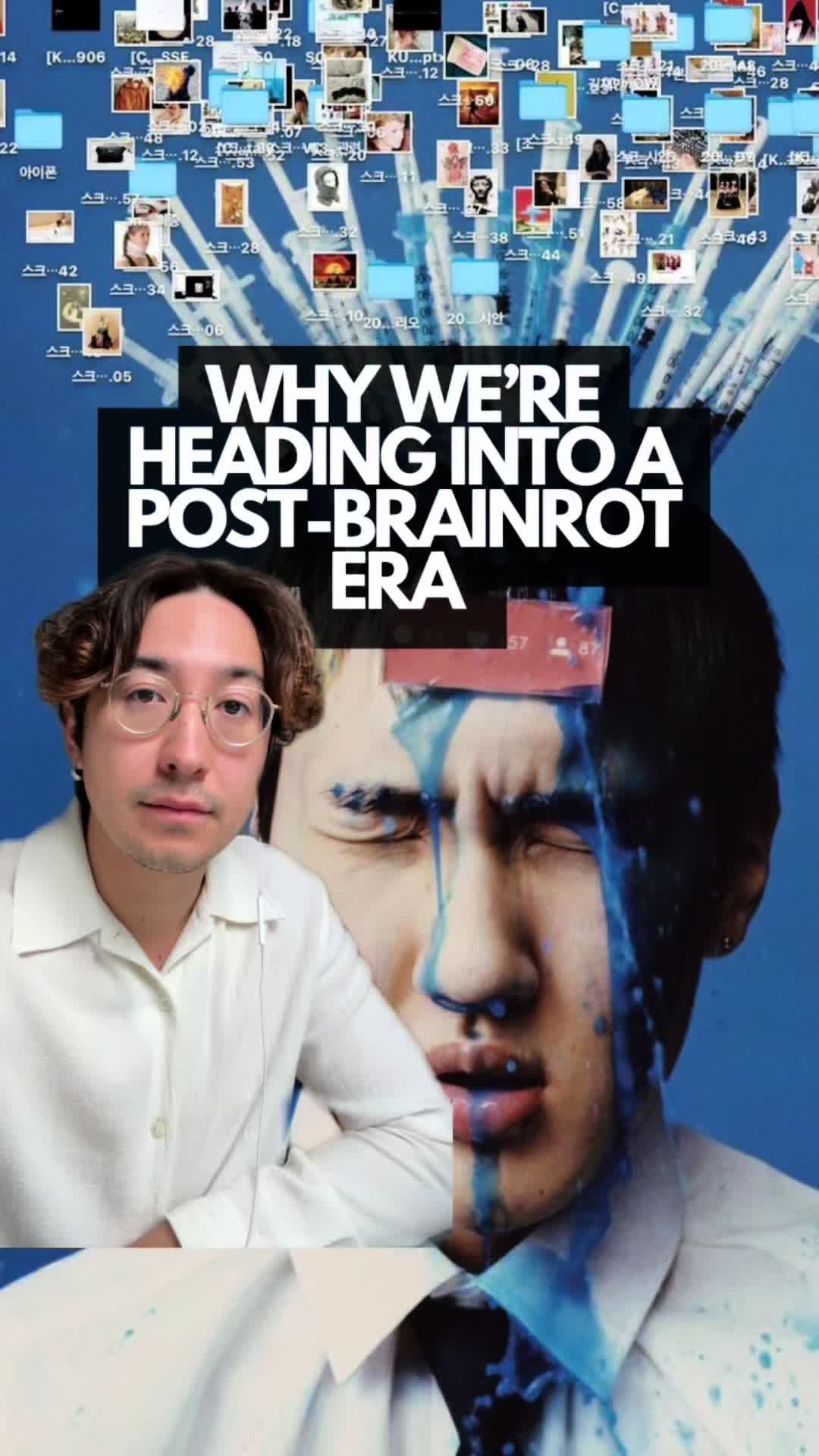
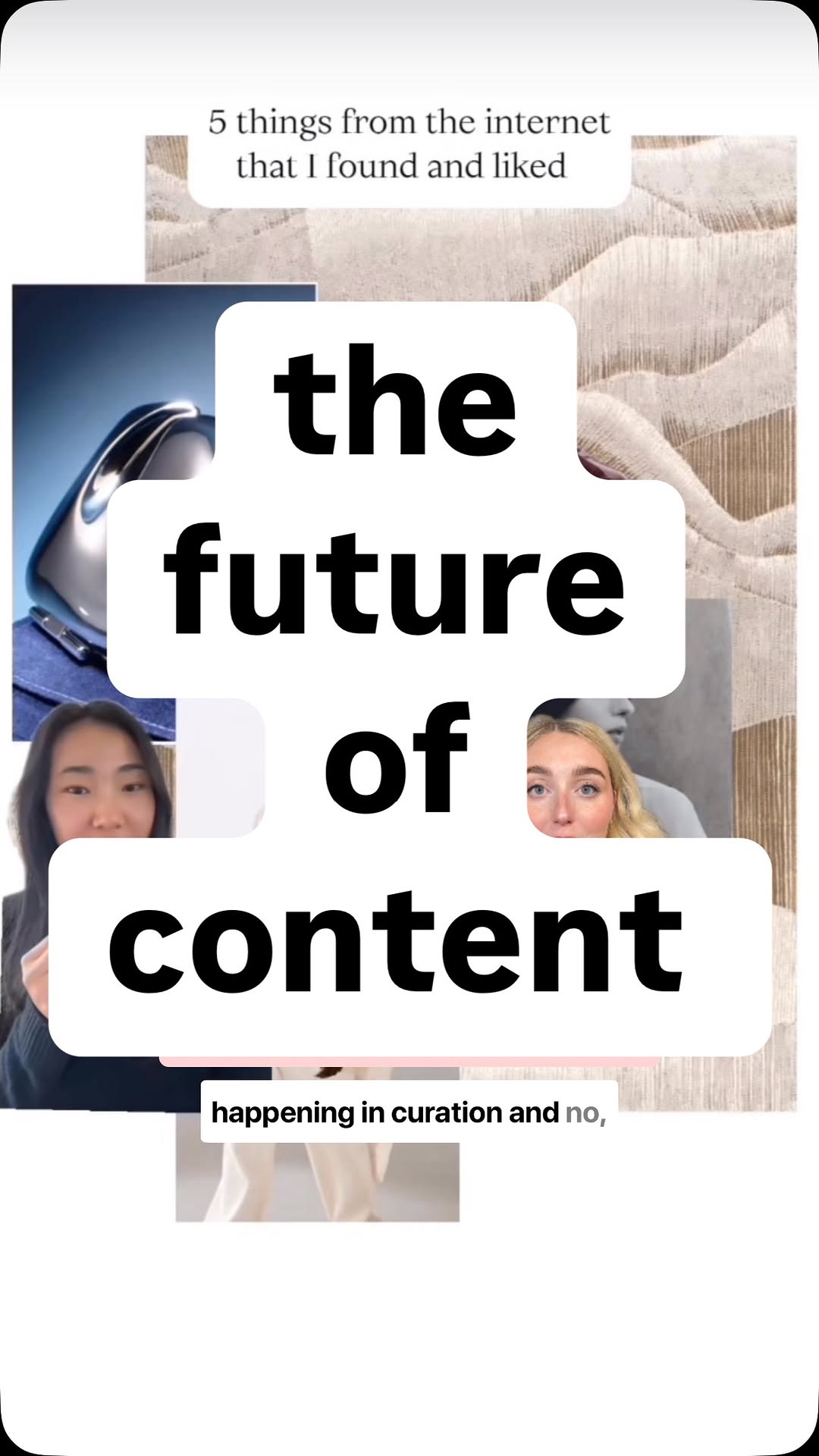
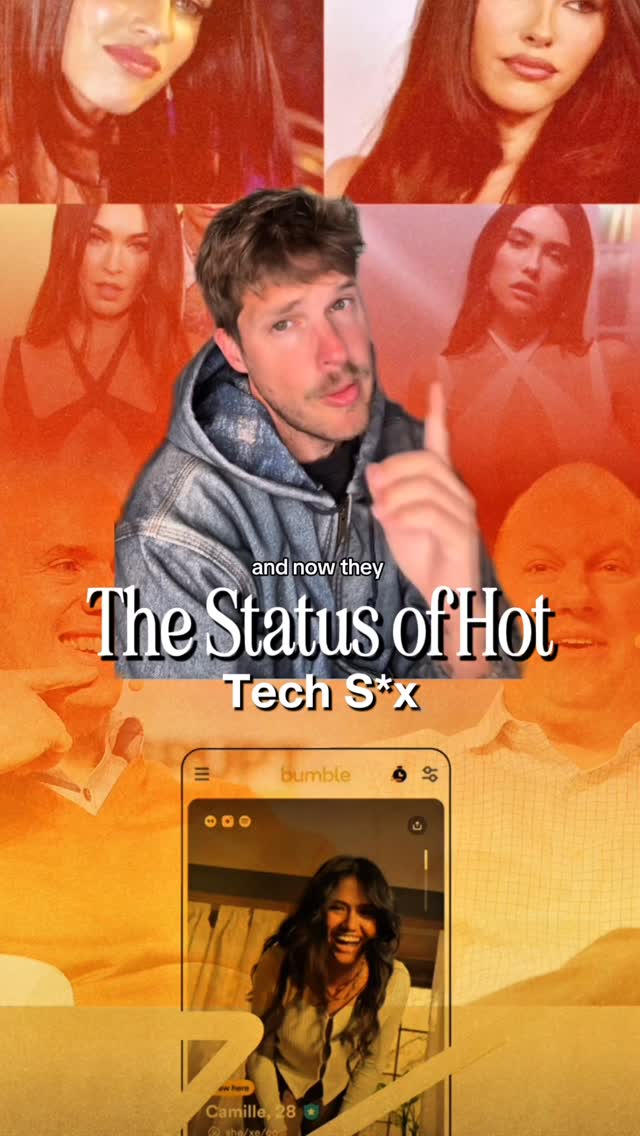
Why is Silicone Valley suddenly so obsessed with taste? Tech dudes used to be seen as hoodie wearing energy rank nerds who rarely left our dark room when glowing keyboards. But now tech companies are dropping merch, starting clothing brands and tweeting best is the new core skill. Both dazed and a new Yorker best dropped articles about this. Anthropic opened a pop up cafe and gave out hats that said thinking. Palantir, a surveillance tech company with horrible values, just dropped a chore coat. So what is happening? The New Yorker called it tastewashing as a play on brainwashing. AI companies need to associate themselves with best because their tools aren't cool. They're threatening to jobs, to futures, to identity. So they're borrowing the aesthetics of craft, of slowness, of human curation no make you forget that what they're selling is the automation of all of that. And it's working because when you see a tech bro talking about taste, you think, oh, they get it. But what they actually get is that aesthetics have always been political. And if you can control the aesthetics, you can control how people feel about tier thing underneath.

Explainer on tech's 'tastewashing' trend | Viral Hooks